
In response to the COVID-19 pandemic, governments across the United States relaxed restrictions on telemedicine, allowing more patients to receive healthcare remotely than ever before. This development brought a number of questions about how telehealth should be regulated to the fore. Is remote care as effective as in-person care? Would long-turn expansion of telemedicine reduce costs for patients and healthcare providers? Might a greater reliance on telehealth actually reduce access to care for some patients?
Tag Archives: TELEMEDICINE
DOCTORS PODCAST: MEDICAL & TELEHEALTH NEWS (May 1)
A bi-weekly podcast on the latest medical, science and telehealth news.
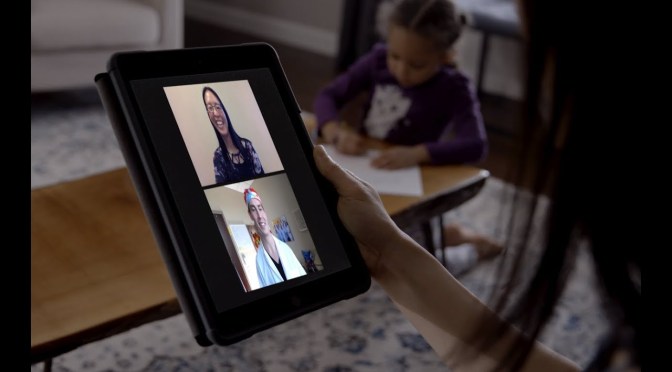
Telemedicine: Pediatric Otolaryngology (Video)
Mayo Clinic is happy to offer telemedicine as an option for patients interested in seeking care. Modern technology provides a virtual platform for health care providers and patients to initiate partnership in care in a secure, safe and convenient way.
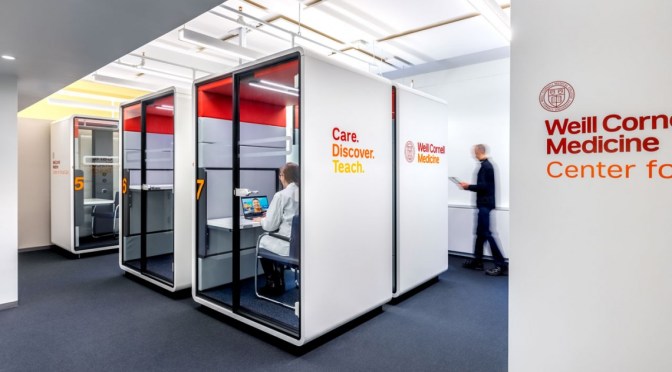
TeleHealth: Weill Cornell ‘Center For Virtual Care’ Expands Training Courses

The new eCornell course, which features a curriculum in-line with the Association of American Medical College’s Telehealth Competencies, offers instruction on how to harness the digital health medium to effectively create a therapeutic patient-provider encounter. Students learn essentials including verbal and nonverbal communication strategies to convey empathy and compassion, how to overcome technical challenges, and how to conduct remote patient exams.
Digital health and the tools for patients to virtually reach their health care providers have quickly become a mainstay of medical care during the COVID-19 pandemic. Weill Cornell Medicine’s Center for Virtual Care is positioned at the leading edge of this health care delivery transformation. Leveraging their years of experience with video visits, the center’s experts train providers how to best use it to give their patients comprehensive, compassionate care.
DR. C Comments
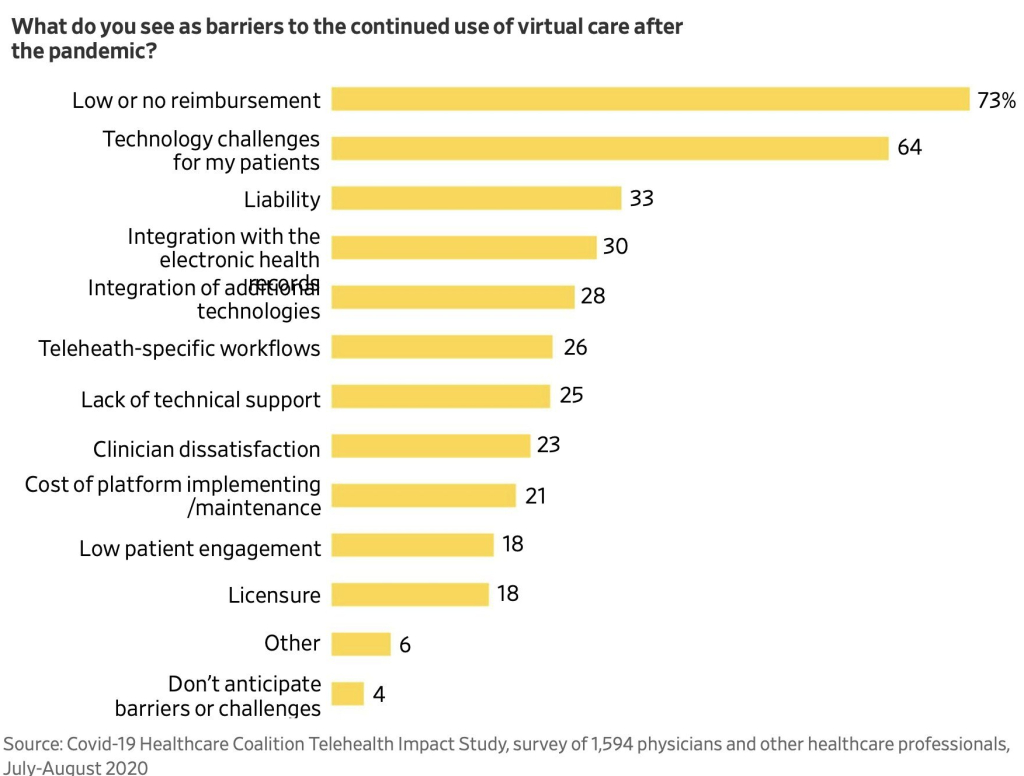
Telehealth offers significant advantages to both patient and doctor. It should be a welcome and valuable addition to the medical profession in its desire to deliver comprehensive care to patients. However, Telemedicine faces a number of barriers both from the medical side and the patient side, not to mention insurance, lawyers, and government.
A good video was posted from Cornell, which aims to get doctors to develop a set of behavioral skills which will make telemedicine more personal. Of course, training should be extended to peripheral sensing devices that will enhance the ability of doctors to gain information at a distance, as well as familiarization with a user-friendly electronic system to navigate.
Patients also need a special course in how to become more Competent in the technical aspects of telemedicine, sensors and other challenges. Since Telemedicine visits occur at widely spaced intervals, even an intensive training course might find the patient unfamiliar with the system at the time of need.
Recently, I signed up for a zoom consultation At UCLA medical Center. It was very helpful to have a knowledgeable person on the phone directing me through the maze that got me signed up to “my chart”, The electronic system that UCLA uses. Even though I took Notes, when it is actually time to get into the system and go to the virtual waiting room of my chart, I may well have difficulty.
And that’s just one system. It seems as though doctors offices, different medical systems, and different health plans all have their own unique electronic systems which are enough different to be confusing to the patient.
I can only hope that the newer generations, having grown up using these electronic devices, will have enough facility to easily interface with their doctor electronically. Until the older generation passes on, however, there will be ongoing challenges.
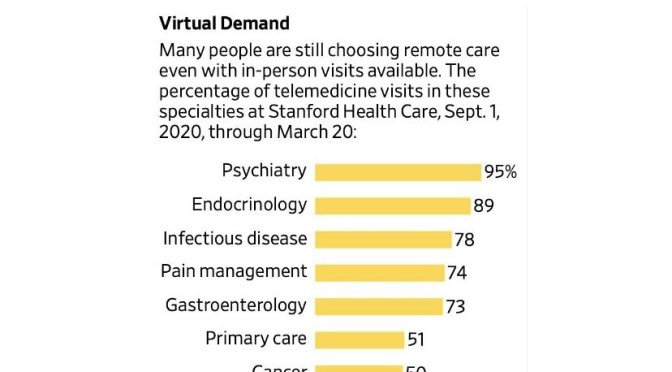
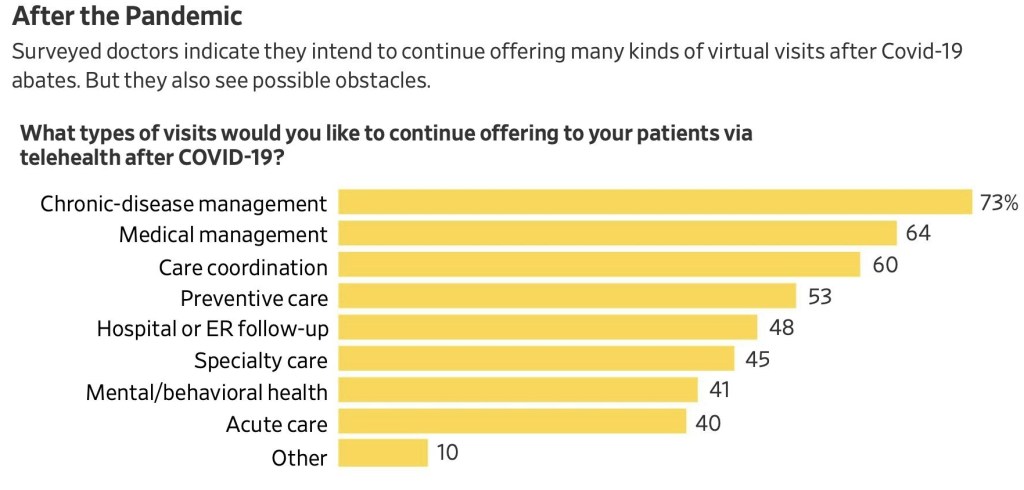
TELEMEDICINE SURVEY: ‘HIGH DEMAND’ CONTINUES FOR VIRTUAL MEDICAL VISITS
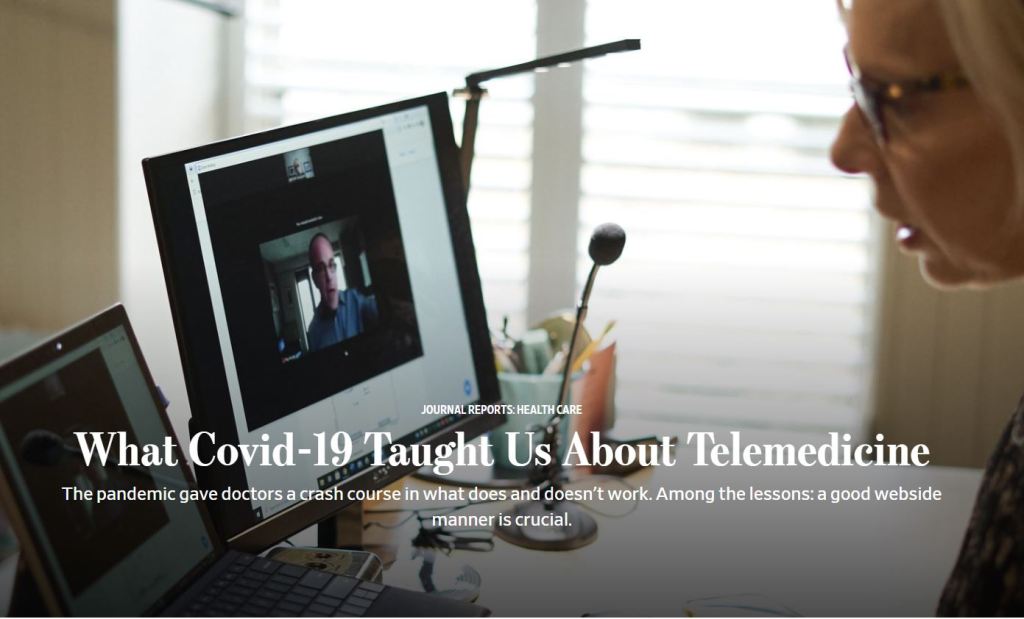

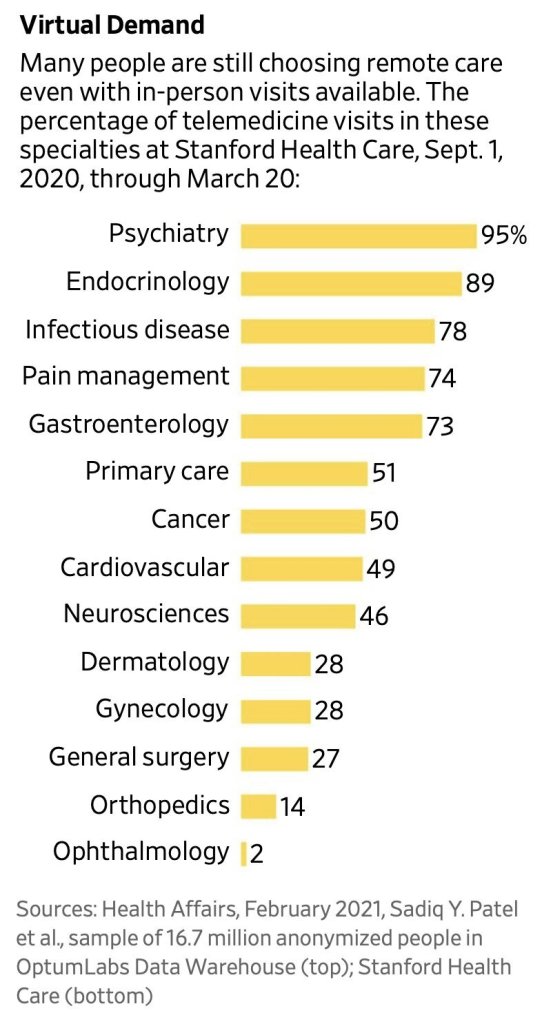
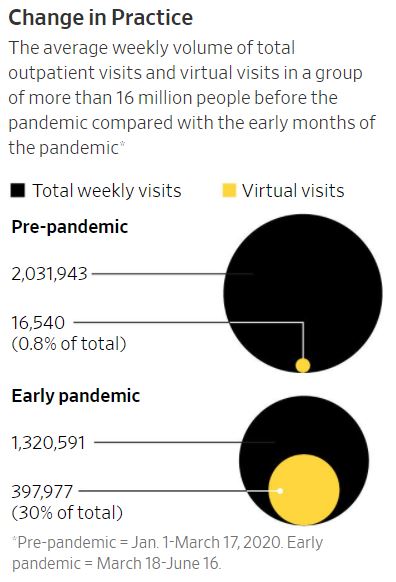
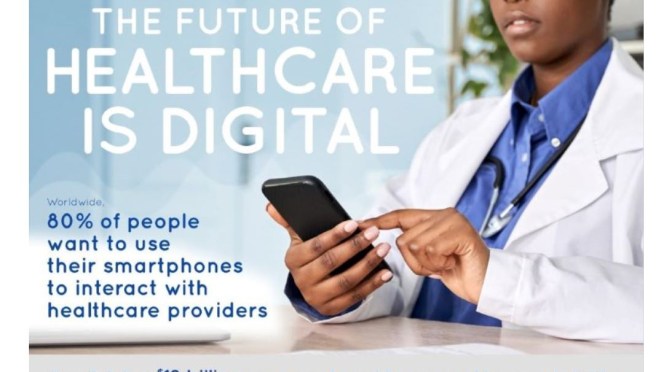
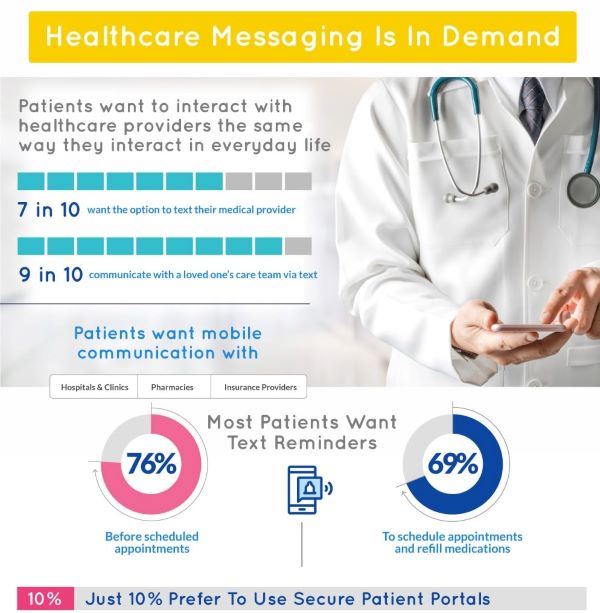
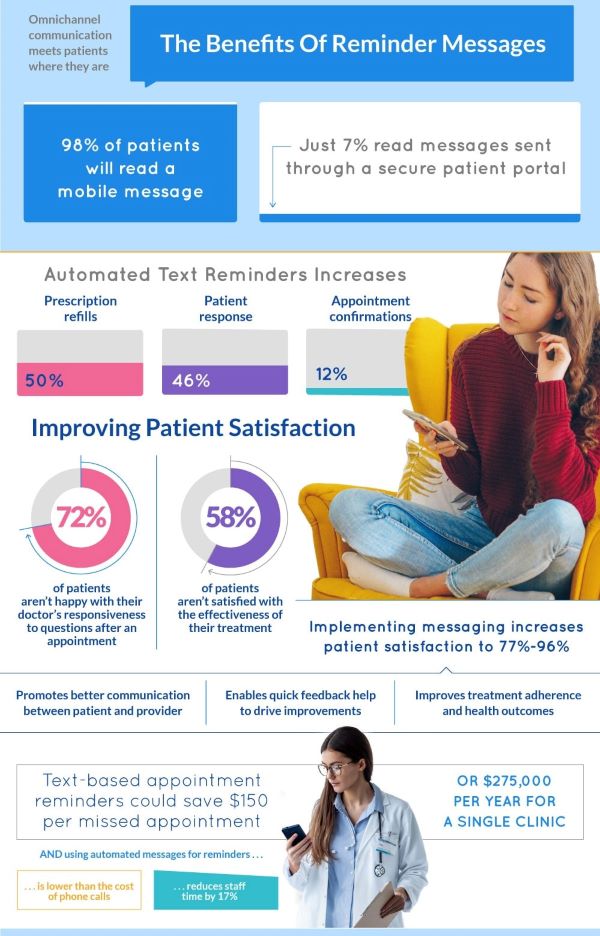
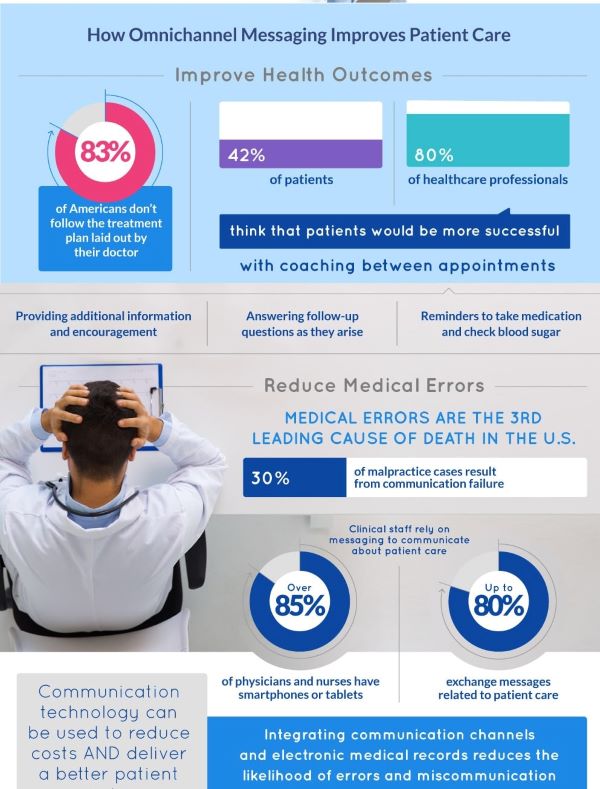
INFOGRAPHIC: FUTURE OF HEALTHCARE IS DIGITAL
DOCTORS PODCAST: MEDICAL & TELEHEALTH NEWS (MAR 17)
A bi-weekly podcast on the latest medical, science and telehealth news.
DR. C’S PODCAST: WEEKLY MEDICAL NEWS (JAN 15)
A REVIEW OF MAJOR HEALTH AND TELEMEDICAL NEWS FOR THE WEEK ENDING JANUARY 15, 2021.
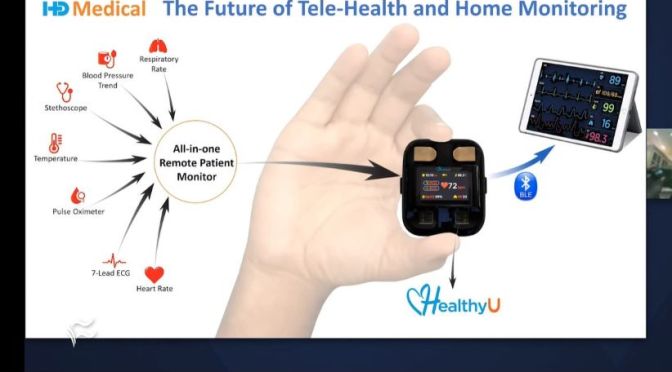
Innovations: New ‘Remote Patient Monitor’ – Heart Rate, Blood Pressure, ECG
HD Medical touts the world’s first intelligent stethoscope and ECG that doesn’t need long wires and can monitor heart health remotely.
Analysis: ‘The Explosive Growth Of Telemedical Healthcare In 2020’ (Video)
Join CNET during CES 2021 for talks with three medical luminaries to discuss what we’ve gained — and need to fix — with telehealth over a turbulent pandemic year.
 Doctors Without Waiting Rooms