Tag Archives: Signs

Lung Infections: Signs & Symptoms Of Pneumonia

Pneumonia is an infection that inflames the air sacs in one or both lungs. The air sacs may fill with fluid or pus (purulent material), causing cough with phlegm or pus, fever, chills, and difficulty breathing. A variety of organisms, including bacteria, viruses and fungi, can cause pneumonia.

Mayo Clinic – Pneumonia can range in seriousness from mild to life-threatening. It is most serious for infants and young children, people older than age 65, and people with health problems or weakened immune systems.

Symptoms

The signs and symptoms of pneumonia vary from mild to severe, depending on factors such as the type of germ causing the infection, and your age and overall health. Mild signs and symptoms often are similar to those of a cold or flu, but they last longer.

Signs and symptoms of pneumonia may include:

  • Chest pain when you breathe or cough
  • Confusion or changes in mental awareness (in adults age 65 and older)
  • Cough, which may produce phlegm
  • Fatigue
  • Fever, sweating and shaking chills
  • Lower than normal body temperature (in adults older than age 65 and people with weak immune systems)
  • Nausea, vomiting or diarrhea
  • Shortness of breath

Newborns and infants may not show any sign of the infection. Or they may vomit, have a fever and cough, appear restless or tired and without energy, or have difficulty breathing and eating.

When to see a doctor

See your doctor if you have difficulty breathing, chest pain, persistent fever of 102 F (39 C) or higher, or persistent cough, especially if you’re coughing up pus.

It’s especially important that people in these high-risk groups see a doctor:

  • Adults older than age 65
  • Children younger than age 2 with signs and symptoms
  • People with an underlying health condition or weakened immune system
  • People receiving chemotherapy or taking medication that suppresses the immune system

For some older adults and people with heart failure or chronic lung problems, pneumonia can quickly become a life-threatening condition.


READ MORE

Diagnosis: The Signs And Symptoms Of Monkeypox

The World Health Organization recently declared monkeypox a global public health emergency – with cases being reported in many different countries, including here in the United States. Our expert explains what exactly the virus is, the symptoms and how it spreads.

For more information about monkeypox, please visit https://cle.clinic/3ABwZTH

Arthritic Conditions: The Signs & Symptoms Of Gout

#Gout is a common & complex form of arthritis that can affect anyone. It’s characterized by sudden, severe attacks of pain, swelling, redness and tenderness in joints, most often in the big toe.

An attack of gout can occur suddenly, often waking you up in the middle of the night with the sensation that your big toe is on fire. The affected joint is hot, swollen and so tender that even the weight of the bedsheet on it may seem intolerable.

Gout symptoms may come and go, but there are ways to manage symptoms and prevent flares.

Symptoms

Gout in the big toe

The signs and symptoms of gout almost always occur suddenly, and often at night. They include:

  • Intense joint pain. Gout usually affects the big toe, but it can occur in any joint. Other commonly affected joints include the ankles, knees, elbows, wrists and fingers. The pain is likely to be most severe within the first four to 12 hours after it begins.
  • Lingering discomfort. After the most severe pain subsides, some joint discomfort may last from a few days to a few weeks. Later attacks are likely to last longer and affect more joints.
  • Inflammation and redness. The affected joint or joints become swollen, tender, warm and red.
  • Limited range of motion. As gout progresses, you may not be able to move your joints normally.

Read about the ways to manage symptoms & prevent flares. https://mayocl.in/3P29WFA

Diagnosis: The Causes Of Fever Of Unknown Origin

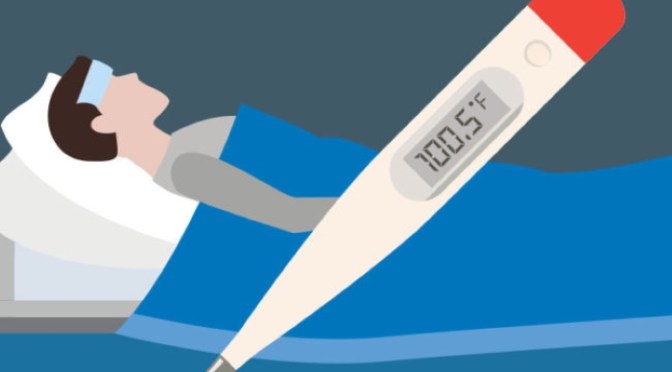
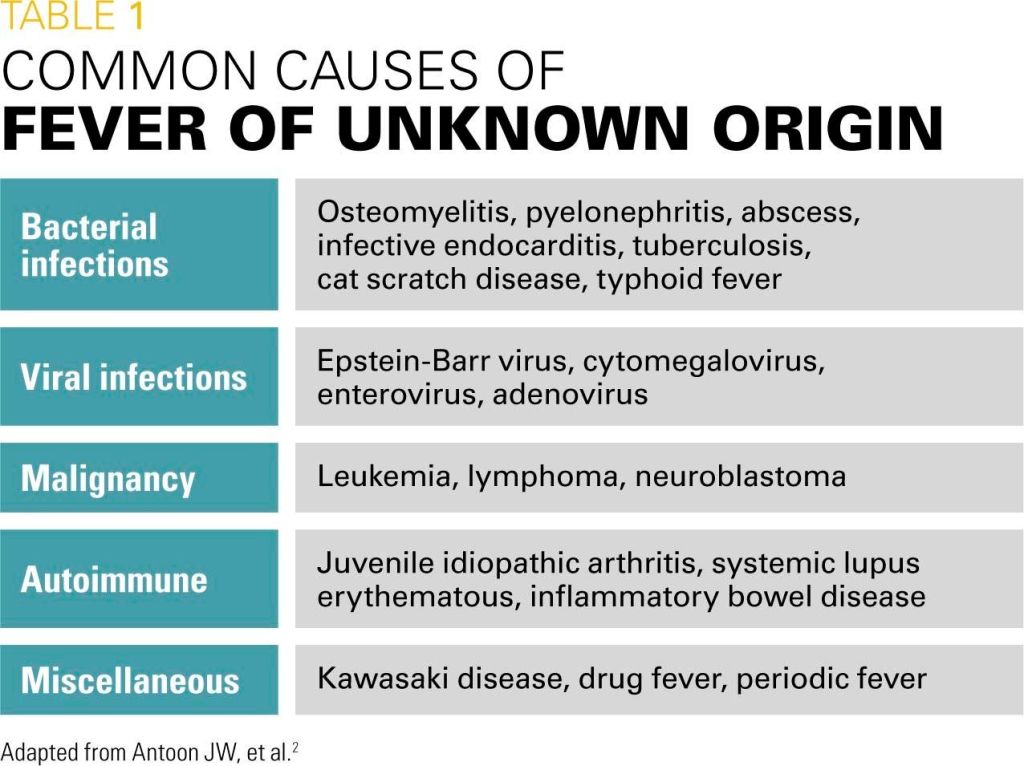
Fever is just one of the number of symptoms that accompany most infections such as Covid and  influenza. When doctors can’t find a diagnosis for the fever, and it lasts for a few weeks, however, it is called fever of unknown origin, or FUO.

There are a bewildering number of illnesses that produce fever, and the mixture of these illnesses is different depending on geographic location, the type of hospital, and socioeconomic conditions.

Just like weight loss of unknown origin, or abdominal discomfort of unknown origin, fever without obvious cause is quite possibly be due to cancer in affluent America, and if you go in early you might have better outcomes with your treatment.

Fever has been known since earliest times, and was often considered a diagnosis on its own. In the past, the great majority of the fevers were infectious, and the outcome grave. In the mid 20th century, when I went to medical school, fevers were still mostly infectious. Antibiotics were the magic bullet, and were unfortunately overused. In underdeveloped countries, infections are still the most common cause, but in the developed world difficult to treat viral infections, autoimmune conditions, and cancer have been gaining in prominence.

When fever becomes excessive, and medication is needed, NSAIDS may be used, and works better on fever from infection than on fever from cancer. The take-home message for me is that if you use Naprosyn for a persistent fever, and isn’t effective, you might notify the doctor.

The motivation for me writing this article came from a very good posting in the New England Journal of medicine. They used a little humor, stating that modern FUO might be called “fever of too many origins”, what with all the indwelling catheters, implanted medical devices, shunts and long hospital stays. There is a separate category made for fever acquired in the hospital.

In people with AIDS, the evaluation is different depending on whether or not they are on treatment.

Tuberculosis is still a very common cause of fever.

Drugs are becoming increasingly responsible for troublesome fevers. In the early days of antibacterial therapy, sulfa  was the only drug available, frequently caused fever.  Now, sulfa is less used, and the penicillin derivatives are more common causes of fever.

If you have a fever, and have been traveling recently, be sure to tell the doctor. Your fever might be due to a tropical parasite such as malaria, particularly if you’ve been to West Africa.

Fever is an evolutionarily conserved body defense reaction and helps a person recover from an infection. The normal body temperature cycles according to the time of day; it is lowest first thing in the morning, and is higher later in the afternoon. The average body temperature used to be 37°C, or 98.6 F., but has been declining in recent decades, and is now about 36.5°C or 97.6°F. The use of electronic thermometers has cut down the amount of time needed to assess the body temperature, but added variability. I still prefer the old-fashioned thermometer.

Taking your temperature by whatever means you have available still remains a good idea when you don’t feel well.

—Dr. C.

Diagnosis: The Early Signs Of Pancreatic Cancer

Diagnosis: Warning Signs Of Pancreatic Cancer

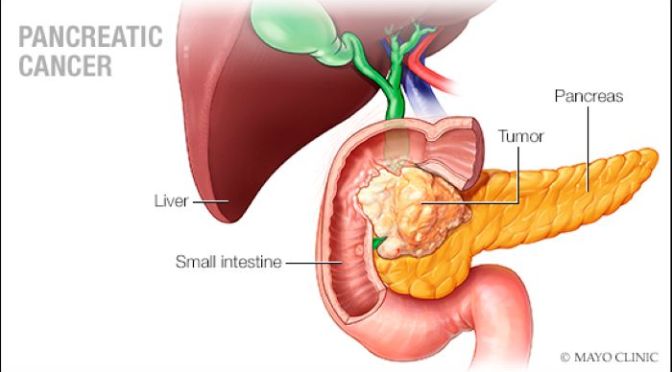
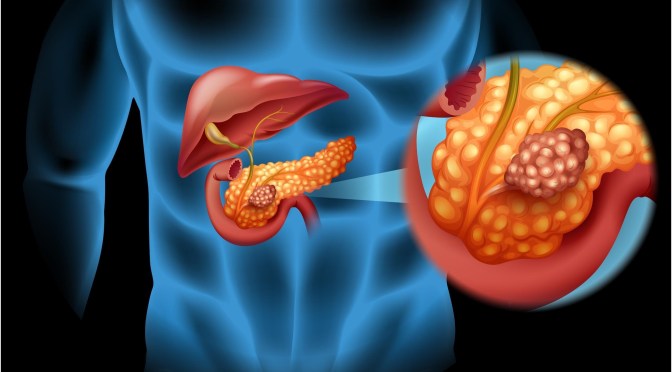
Pancreatic cancer accounts for about 3% of all cancers in the United States and about 7% of all cancer deaths. Because it’s hard to detect early, it’s important to recognize any symptoms that occur. Find out what to look for and when you should talk to your provider with this helpful video from Cleveland Clinic.

Chapters: 0:00 Intro 0:28 What is pancreatic cancer? 0:58 What are the warning signs of pancreatic cancer? 2:46 When to talk with your healthcare provider about symptoms of pancreatic cancer

Read more

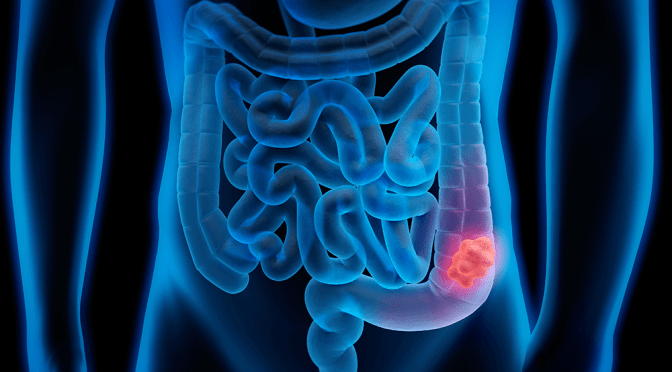
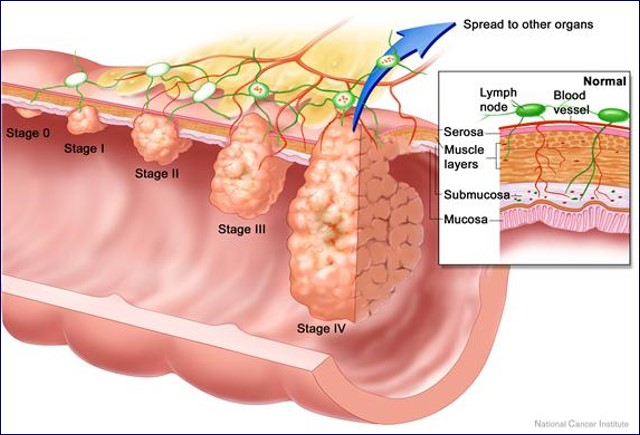
DR. C’S JOURNAL: CAUSES & SIGNS OF COLON CANCER

Colon cancer is one of the most common of all cancers, and one of the deadliest. Occurring out of sight in your intestinal tract, it often becomes advanced before it is first detected.

Any bowel symptoms, such as persistent diarrhea, constipation, or abdominal discomfort might be a warning symptom and indicate a trip to the doctor. Blood in the stools, either bright red or black and tarry, must be diagnosed. Unexplained weakness, fatigue, or weight loss might indicate cancer that is too far advanced for simple treatment, and of course requires a trip to the doctor.

The most satisfactory way to pick up the cancer is by a screening test called a colonoscopy. A virtual colonoscopy by x-ray is also used, but it still requires the most uncomfortable part of the procedure, the preparation; The bowel must be washed out in order to properly visualize the cancer, or more likely pre-cancerous polyps or growths.

Due to the increase in frequency of colon cancer in young people, the age at which screening colonoscopy is medically advisable has been lowered from 50 to 45. A tendency to get colon cancer, or more commonly colon polyps, can run in families. These are best discovered by colonoscopy starting at an earlier age.

Increased age, or chronic inflammatory conditions such as ulcerative colitis can predispose to colon cancer.  If you eat a lot of junk food (low fiber diet), or a lot of fat, You may be more susceptible. If you have a sedentary lifestyle, diabetes, smoke  or drink alcohol, you may be more likely to develop this problem.

As usual, preventative measures are the best advice. Eating a lot of fruits, vegetables and whole grains might protect you. Exercising most days of the week and maintaining a healthy weight are good ideas. Limiting your alcohol and stopping smoking is always good advice.

I was a good boy and had colonoscopies every two years for a long time. I would have been happier had there been a blood test to pick up this dreaded disease. There are some simple tests like carcinoembryonic antigen, and a stool test for occult(hidden) blood, but these are not very accurate.

For treatment of colorectal cancer and other more complete information, please check with the following mayo clinic article.

—Dr. C.

Read more

Video: Heart Arrhythmia Red Flags (Mayo Clinic)

Mayo Clinic Minute: Watch for these heart arrhythmia red flags.

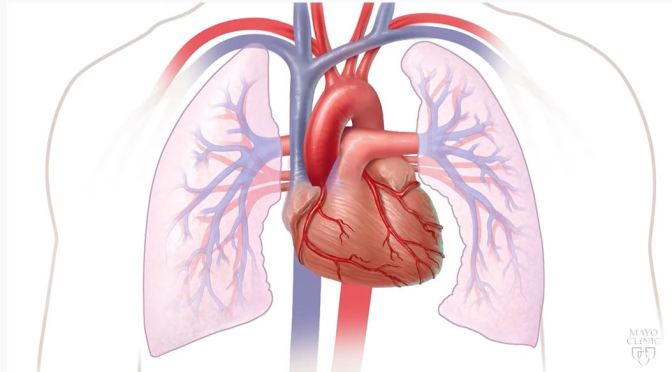
A heart arrhythmia (uh-RITH-me-uh) is an irregular heartbeat. Heart rhythm problems (heart arrhythmias) occur when the electrical signals that coordinate the heart’s beats don’t work properly. The faulty signaling causes the heart to beat too fast (tachycardia), too slow (bradycardia) or irregularly.

Heart arrhythmias may feel like a fluttering or racing heart and may be harmless. However, some heart arrhythmias may cause bothersome — sometimes even life-threatening — signs and symptoms.

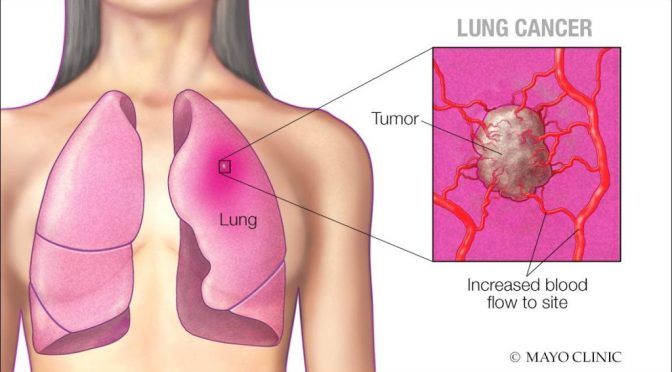
Medicine: Symptoms & Signs Of Lung Cancer