Tag Archives: Penn Medicine

Reviews: Robotic Knee Replacement Surgery

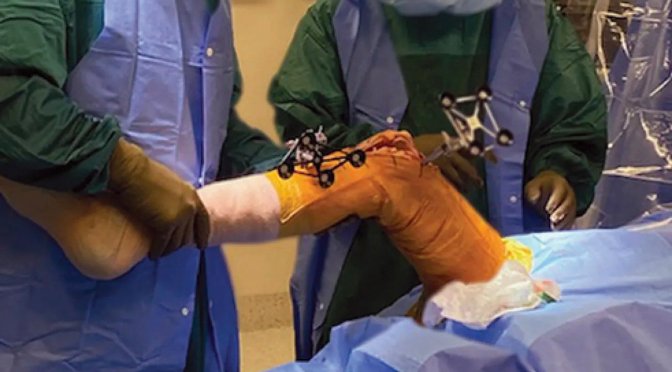
Penn Medicine Videos (July 14, 2023) – Penn Orthopaedics offers multiple options for joint replacement surgery, including the latest robotic knee and hip replacement technologies.

In this video, Dr. Travers, Director of the Penn Orthopaedics Robotics and Navigation Program, discusses what robotic joint replacement surgery is and how it differs from traditional joint replacement surgery, as well as the benefits of this procedure.

We also hear from three patients who recount their personal experiences before and after robotic knee replacement surgery.

Multiple Sclerosis: The Early Signs & Symptoms

MS symptoms vary depending on the brain or spinal cord area that’s affected. According to the National Multiple Sclerosis Society, more common symptoms include:

  • Fatigue so extreme it interferes with ability to function at home and work.
  • Numbness or tingling often felt in the torso, face, arms and legs.
  • Problems with walking because of balance, muscle weakness, stiffness or fatigue.
  • Visual issues such as blurred vision and pain with eye movement.
  • Dizziness and vertigo with feelings of being off balance or lightheaded.
  • Constipation or loss of control of the bowels.
  • Bladder issues.
  • Problems with cognitive function like short-term memory and processing.

SCIENCE & MEDICINE: STORY BEHIND THE MRNA VACCINES

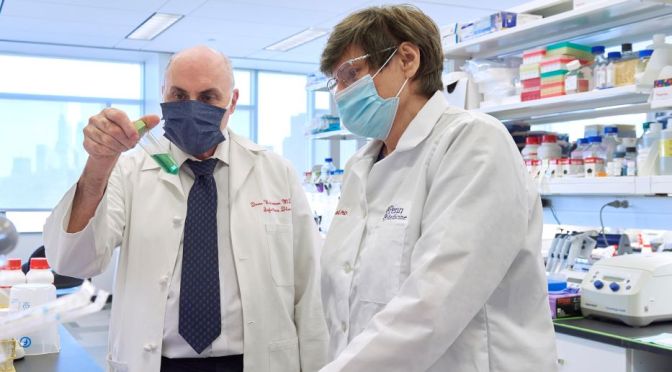
As mRNA-based COVID-19 vaccines are deployed to protect hundreds of millions of people across the world from the deadly global pandemic, the University of Pennsylvania scientists whose research breakthroughs laid the foundation for swift vaccine development have been awarded the 2021 Lasker-DeBakey Clinical Medical Research Award. Here, mRNA vaccine pioneers Drew Weissman, MD, PhD, and Katalin Karikó, PhD, share the story behind their development of this groundbreaking technology, and what it means for the future of medicine.

COVID-19: PENN MEDICINE EXPLAINS MRNA VACCINES

Vaccines are about to change the world…again. mRNA Vaccines are currently being used to battle COVID-19, and have the potential to eradicate diseases like HIV, herpes, sickle cell anemia, and even cancer. Learn how the vaccines work and where the technology could be headed in this explainer video.

HEALTH: WHAT ARE ‘SALIVA TESTS FOR COVID-19’? (VIDEO)

Screening testing is one tool the University of Pennsylvania is using to help reduce the risk of COVID-19 spread within the University community. That’s why we’re performing saliva-based viral testing for students, faculty, postdocs, and staff who are on campus.

SURVEY: 67% OF PENN MEDICINE PATIENTS AND PHYSICIANS VIEW VIDEO & PHONE VISITS AS POSITIVE

From Penn Medicine (June 24, 2020):

After surveying almost 800 gastroenterology and hepatology patients and their physicians at Penn Medicine, 67 percent of both viewed their video and telephone appointments held during the peak of the COVID-19 pandemic as positive and acceptable substitutes to in-person appointments.

From March 16 to April 10, 2020, 94 percent of gastroenterology and hepatology appointments at Penn Medicine were performed using telemedicine in order to mitigate risks of COVID-19 spread while continuing to advance care as patients self-isolated at home. A telemedicine visit meant either a video visit (similar to FaceTime or Skype) or one via phone in which clinicians largely performed routine and non-urgent care. 

Read more