
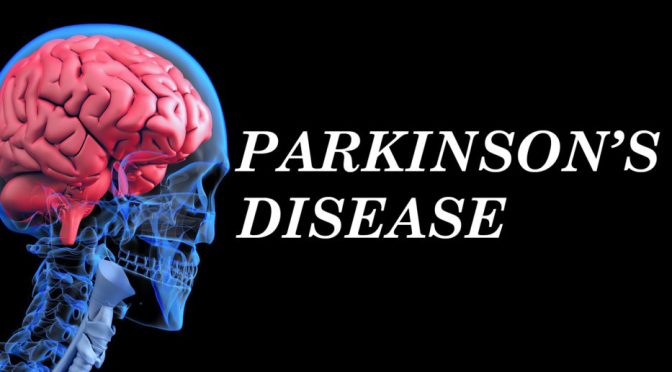

Parkinson’s disease (PD)
A neurodegenerative disorder that affects predominately the dopamine-producing (“dopaminergic”) neurons in a specific area of the brain called substantia nigra.
Symptoms
Symptoms generally develop slowly over years. The progression of symptoms is often a bit different from one person to another due to the diversity of the disease. People with PD may experience:
- Tremor, mainly at rest and described as pill rolling tremor in hands; other forms of tremor are possible
- Slowness and paucity of movement (called bradykinesia and hypokinesia)
- Limb stiffness (rigidity)
- Gait and balance problems (postural instability)
In addition to movement-related (“motor”) symptoms, Parkinson’s symptoms may be unrelated to movement (“non-motor”). People with PD are often more impacted by their non-motor symptoms than motor symptoms. Examples of non-motor symptoms include: depression, anxiety, apathy, hallucinations, constipation, orthostatic hypotension, sleep disorders, loss of sense of smell, and a variety of cognitive impairments.


 Doctors Without Waiting Rooms