

Tag Archives: National Institute on Aging

Women’s Health: How To Ease & Manage Menopause

National Institute on Aging – Menopause is a point in time 12 months after a woman’s last period. The years leading up to that point, when women may have changes in their monthly cycles, hot flashes, or other symptoms, are called the menopausal transition or perimenopause.

The menopausal transition most often begins between ages 45 and 55. It usually lasts about seven years but can be as long as 14 years. The duration can depend on lifestyle factors such as smoking, age it begins, and race and ethnicity. During perimenopause, the body’s production of estrogen and progesterone, two hormones made by the ovaries, varies greatly.

The menopausal transition affects each woman uniquely and in various ways. The body begins to use energy differently, fat cells change, and women may gain weight more easily. You may experience changes in your bone or heart health, your body shape and composition, or your physical function

READ MORE

Reviews: The Top 5 Articles On Healthy Aging In 2022

National Institute on Aging – As 2022 comes to a close, NIA invites you to explore some of the most popular health information topics from this past year:

High Blood Pressure and Older Adults

— High blood pressure, or hypertension, is common in older adults. The good news is that blood pressure can be controlled in most people.

What Is Menopause?

 — Menopause is a normal part of aging for women, but it affects every woman differently.

Memory, Forgetfulness, and Aging: What’s Normal and What’s Not?

 — As you age, you may wonder about the difference between normal, age-related forgetfulness and a serious memory problem, such as dementia.

Shingles 

— Shingles is a disease that triggers a painful skin rash. About one in three people will get shingles, but there is a vaccine for older adults to help prevent the disease.

Vitamins and Minerals for Older Adults

 — Vitamins and minerals are types of nutrients that your body needs to survive and stay healthy.

AGING: HOW BIOMARKERS HELP DIAGNOSE DEMENTIA

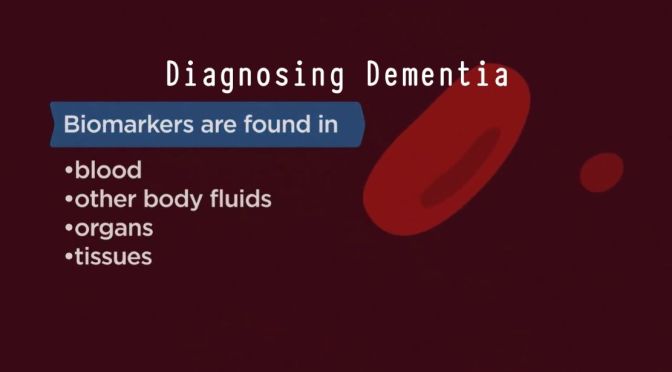
Biomarkers are measurable indicators of what’s happening in your body. They can be found in blood, other body fluids, organs, and tissues, and can be used to track healthy processes, disease progression, or even responses to a medication. Biomarkers are an important part of dementia research.

Read more