
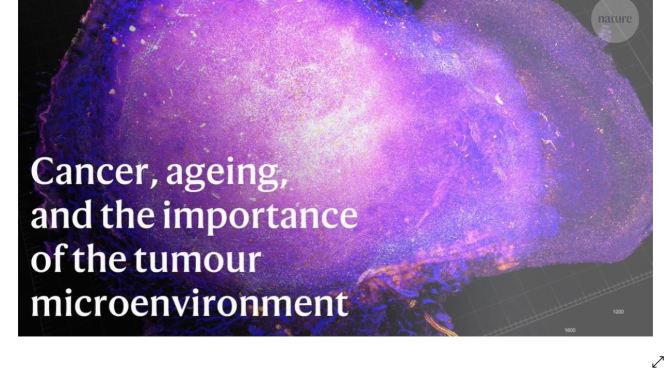
Professor Ashani Weeraratna has been studying the cancer microenvironment in her lab for the past 17 years. Taking into account that the tissues in our bodies change as we age is important when researching cancer biology. She hopes that gaining a better understanding of how the growth of cancer cells is affected by their direct cellular ‘neighbourhood’, especially when we age, could be key to developing better treatments for patients with cancer. Read more in
Tag Archives: Men’s Health
HEALTH: HOW DEPRESSION AFFECTS THE BRAIN (YALE)
For many people, depression turns out to be one of the most disabling illnesses that we have in society. Despite the treatments that we have available, many people are not responding that well. It’s a disorder that can be very disabling in society. It’s also a disorder that has medical consequences.
By understanding the neurobiology of depression we hope to be able more to find the right treatment for the patient suffering from this disease. The current standard of care for the treatment of depression is based on what we call the monoamine deficiency hypothesis. Essentially, presuming that one of three neurotransmitters in the brain is deficient or underactive. But the reality is, there are more than 100 neurotransmitters in the brain. And billions of connections between neurons. So we know that that’s a limited hypothesis. Neurotransmitters can be thought of as the chemical messengers within the brain, it’s what helps one cell in the brain communicate with another, to pass that message along from one brain region to another. For decades, we thought that the primary pathology, the primary cause of depression was some abnormality in these neurotransmitters, specifically serotonin or norepinephrine. However, norepinephrine and serotonin did not seem to be able to account for this cause, or to cause the symptoms of depression in people who had major depression. Instead, the chemical messengers between the nerve cells in the higher centers of the brain, which include glutamate and GABA, were possibilities as alternative causes for the symptoms of depression. When you’re exposed to severe and chronic stress like people experience when they have depression, you lose some of the connections between the nerve cells. The communication in these circuits becomes inefficient and noisy, we think that the loss of these synaptic connections contributes to the biology of depression. There are clear differences between a healthy brain and a depressed brain. And the exciting thing is, when you treat that depression effectively, the brain goes back to looking like a healthy brain, both at the cellular level and at a global scale. It’s critical to understand the neurobiology of depression and how the brain plays a role in that for two main reasons. One, it helps us understand how the disease develops and progresses, and we can start to target treatments based on that. We are in a new era of psychiatry. This is a paradigm shift, away from a model of monoaminergic deficiency to a fuller understanding of the brain as a complex neurochemical organ. All of the research is driven by the imperative to alleviate human suffering. Depression is one of the most substantial contributors to human suffering. The opportunity to make even a tiny dent in that is an incredible opportunity.
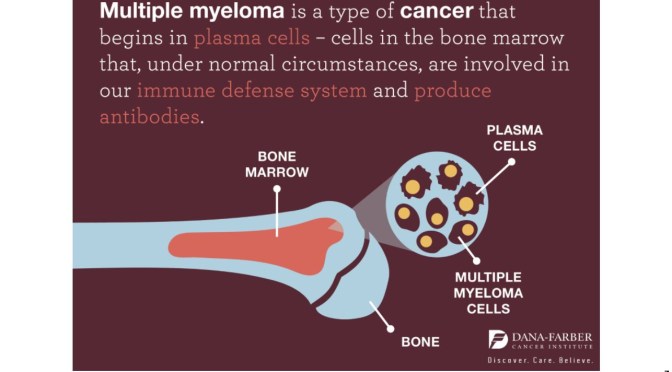
Cancers: What Is Multiple Myeloma? (Mayo Clinic)
Multiple myeloma is a relatively uncommon form of blood cancer that affects less than 1% of the U.S. population, according the American Cancer Society. People younger than 45 rarely get the disease, and it occurs more in older men than women. And your risk is doubled if you’re African American.
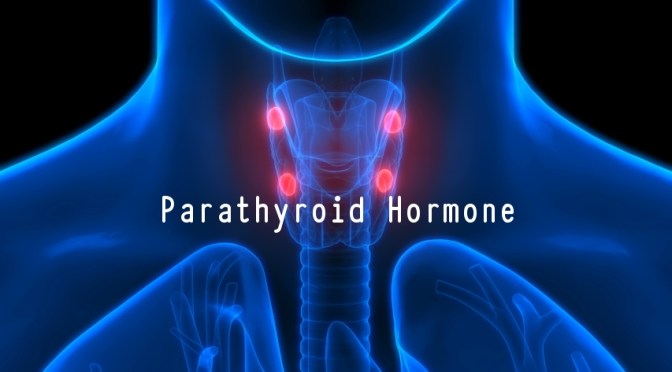
DR. C’S JOURNAL: BENEFITS OF PARATHYROID HORMONE
Hormones, Vitamins, and minerals all have extensive interactions in the give-and-take of the bodies’ ballet of homeostasis. No where is this more clear-cut than the interplay of parathyroid hormone, vitamin D, and calcium.

Although it has many other actions in the body, calcium is best known as the prime component of our bones. It is essential for making them healthy and strong. The bones act as a storehouse or vault for the bodies calcium. The parathyroid hormone is the key that unlocks the vault to release the calcium so it can perform its many other roles in the body. An elevation of the calcium in the blood stream shuts down the parathyroid Glands.
Parathyroid hormone also acts to instruct the body to absorb more vitamin D, just as the vitamin D causes the intestinal tract to absorb more calcium. The parathyroid glands are in the upper poles of the thyroid which as we mentioned before sits astride the windpipe.
Sometimes the parathyroid gland develops an adenoma which causes too much secretion of parathyroid hormone.
This results in an excess of calcium in the body and a variety of symptoms, such as joint pain muscle weakness, fatigue, nausea and vomiting. One of the technicians in my medical practice developed hyperparathyroidism. It was detected by a metabolic panel, which showed an elevation of serum calcium.
This discovery, early in my practice, made me a big fan of metabolic panels when patients have general symptoms. Her condition, a parathyroid adenoma, was cured by surgery. Conversely, surgery for an overactive thyroid can sometimes accidentally remove the parathyroid glands if the surgeon isn’t careful. The parathyroid glands are tiny, but they perform a huge function.
—Dr. C.
THE DOCTORS 101 CHRONIC SYMPTOMS & CONDITIONS #40: HYPOTHYROIDISM
Hypothyroidism is a very common hormonal deficiency where there is an insufficient amount of thyroid hormone, T4. The thyroid gland regulates your metabolic activity. If you have insufficient thyroid hormone, everything seems to slow down; Your energy level, your muscle strength, your heart rate, your brain activity, and even your intestinal activity are all slower.
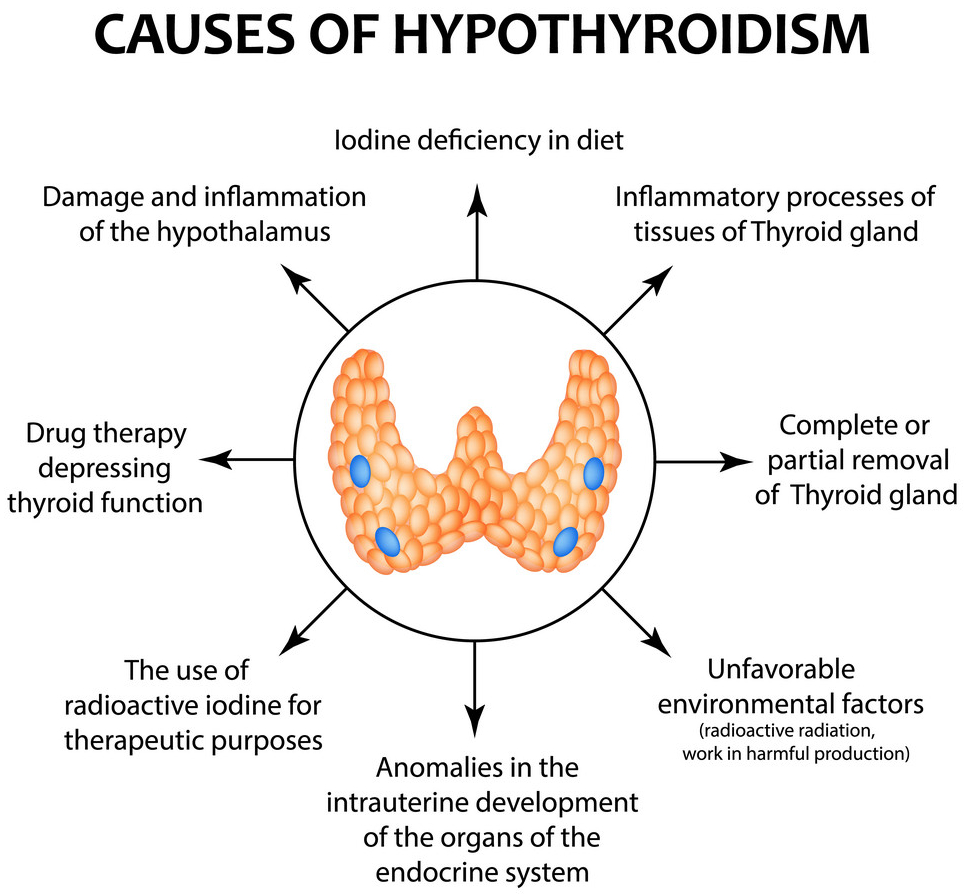
One of my habits in practice was to check the size of the thyroid, which is an H shaped gland astride the windpipe beneath the voice box. It becomes enlarged in a condition known as Hashimoto’s thyroiditis, the most common cause of adult hypothyroidism.
As you recall from the last posting, when the thyroid function is low, the brain causes a release of TSH, which stimulates the thyroid gland. In order to produce more thyroid hormone, the gland enlarges and the examining physician can feel it.
Babies can be born without a thyroid. I had one such patient when I was in training. The baby was inexplicably limp, and did not cry vigorously like other babies. When given thyroid hormone, she developed normally. Such babies often go undetected, don’t grow and become mentally deficient.
The thyroid gland produces thyroxine, which is T4. In the tissues, the T4 is converted into the much more active T3. This is often the medication of choice in hypothyroidism. In giving thyroid Hormonal, the physician must adjust the dose, depending on the patients response. Only after a number of visits is the proper dose found.
Please refer to the Mayo clinic article on hypothyroidism. The use of the TSH as a blood test is also discussed.
—Dr. C.
DR. C’S JOURNAL: THYROID STIMULATING HORMONE
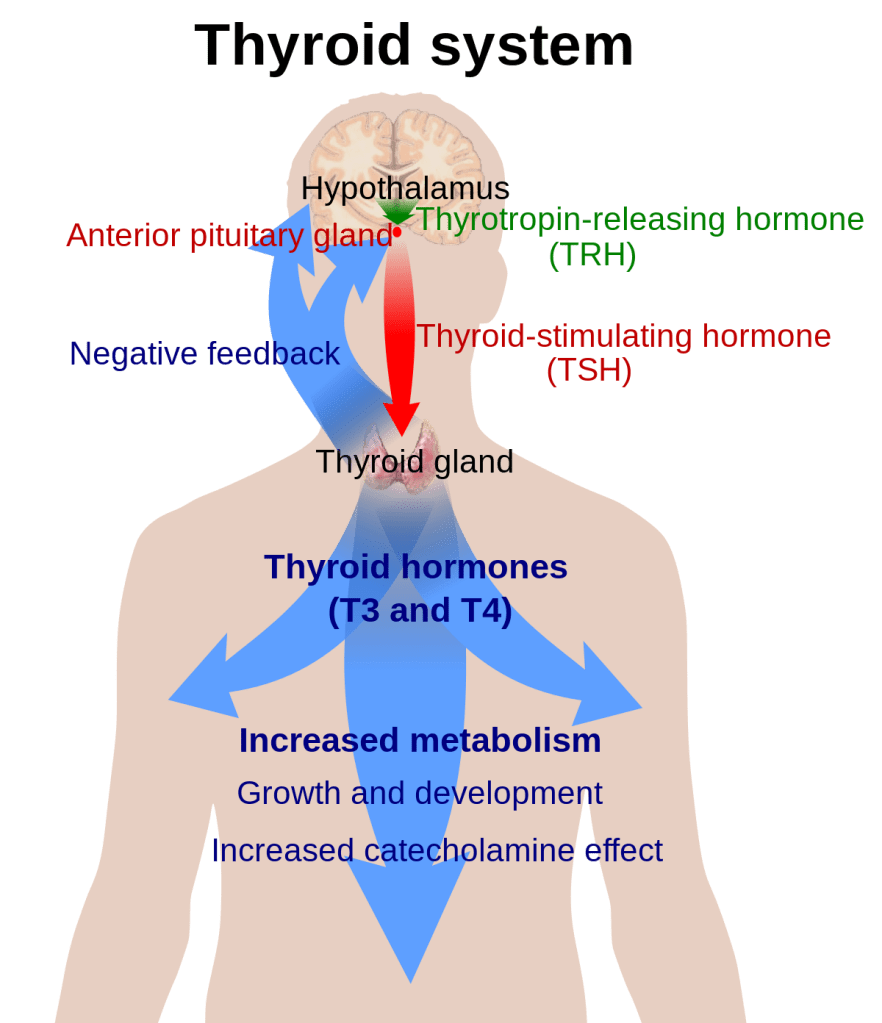
Thyroid stimulating hormone (TSH) is one of a series of regulatory hormones to come from the pituitary gland, often called the “master gland“ of the body. Most of the pituitary hormones are released upon signals from the hypothalamus, part of the real master coordinator of the body, the brain.
TSH Instructs the Thyroid gland to produce more Thyroid hormone. When more Thyroid hormone is produced, The increase of Thyroxin in the bloodstream causes the TSH level to drop.
Our metabolism is full of these servomechanisms which control the level of critical substances. When the thyroid does not function properly, and the thyroid level drops, the TSH is increased. An elevated TSH it is presently the best test we have for hypothyroidism.
Conversely, when there is excessive thyroid activity (hyperthyroidism), the TSH level drops to vanishingly low amounts. Tomorrow the subject will be thyroxin.
—Dr. C.
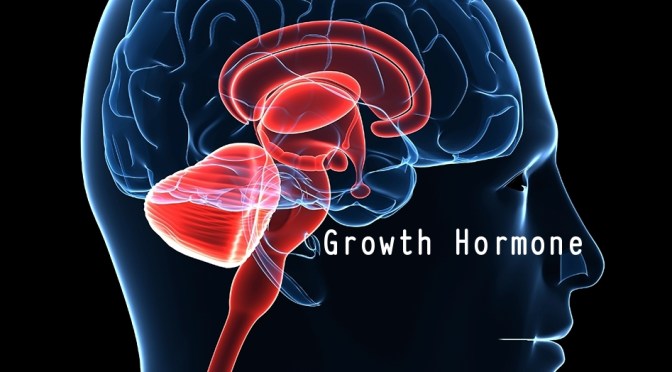
Dr. C’s Journal: Effects Of Growth Hormone (GH)
Most boys and perhaps some girls would prefer to be taller. Human growth hormone is secreted by the pituitary gland with increased production during puberty. Pituitary growth hormone stimulates the liver to produce insulin like growth factor, and assay of IGF-1 is a test for GH deficiency.
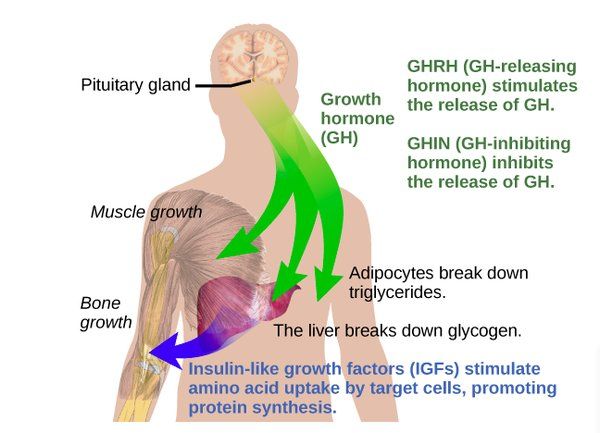
Small stature and low growth velocity in children often benefit from growth hormone, But adults have closure of the growth plate and do not grow taller with GH.
Pituitary tumors require the removal of the pituitary gland, and this is the major cause of low growth hormone in adults. Replacement growth hormone is clearly indicated here. Most adult use of growth hormone is because of its apparent beneficial effects on vigor and aging, but this may be ill advised; please check the following Harvard article.
Since growth hormone is anabolic, and favors growth and protein synthesis, it enjoys some use in athletics and the health industry. Most likely, it is a two edge sword that should be regulated properly and not used in the absence of deficiency.
–Dr. C
DR. C’S JOURNAL: BENEFITS OF COLONOSCOPIES OVER 50
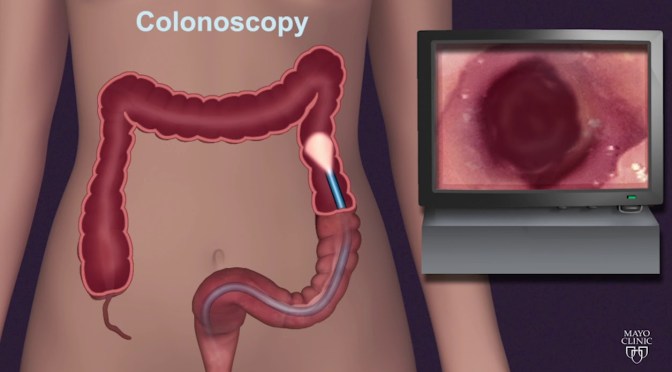
Colonoscopy is good preventative medicine for everybody over the age of 50. A video was posted yesterday on colon cancer metastatic to the liver. Although this is treatable, metastatic colon cancer is a miserable condition, markedly lowering quality of life. You are much better off preventing colon cancer then having to deal with it, and in this sense, colonoscopy is a very good trade off.
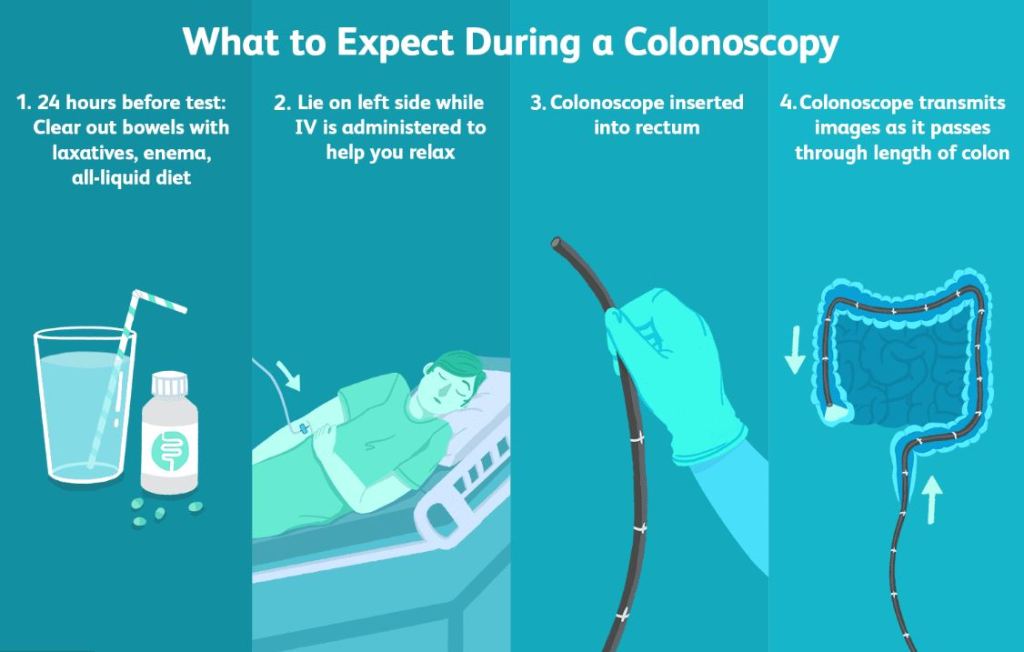
Colonoscopy is no fun. You have to modify your diet well in advance, and take a magnesium citrate clean out in order to get rid of fecal matter that would prevent proper visualization of your colon. You should get your first colonoscopy at age 50 or earlier depending upon your family history of polyps, colon cancer, and other bowel problems.
In my own case, I had a number of colonoscopies, and nothing serious was discovered. I still think it is a very good idea. Although I never had a colon polyp or cancer discovered, I have recently, at the age of 89, developed bladder cancer of the slowly progressive and non-invasive kind.
The thought occurred to me that getting regular cystoscopies might catch bladder cancer at an earlier stage. I was told by an authoritative Physician that this has previously been tried and not proven to be useful. I also recommend going into a dermatologist regularly to remove actinic keratoses, which have the capability of developing into cancer. I believe you cannot be too vigorous with preventative therapy.
Interestingly, good sleep, diet and exercise are recommended in the prevention of colon cancer. Please refer to the mayo clinic article on colonoscopy for more information.
–Dr. C
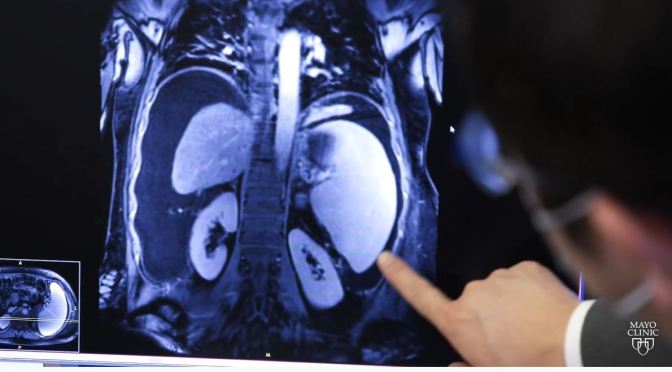
MEDICINE: WHEN COLON CANCER SPREADS TO THE LIVER (MAYO CLINIC VIDEO)
Colorectal cancer is a leading cancer among men and women around the world. Many colorectal cancers are likely to spread to other organs, with the most common site of metastases being the liver. In this Mayo Clinic Minute, Dr. Sean Cleary, a hepatobiliary and pancreas surgeon at Mayo Clinic explains what this means to patients.
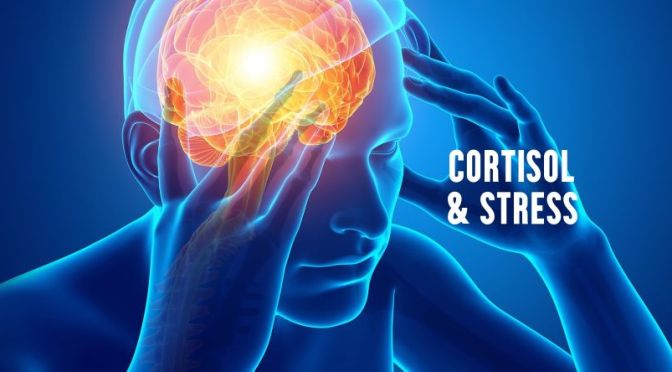
DR. C’S JOURNAL: Stress & The Effects Of Cortisol
Cortisol (hydrocortisone, 17-OH-corticosterone) is produced by stress, and is a bad word these days. When I was a practicing allergist, Cortisol worked wonders with asthma, and as a salve helped my patients with eczema.
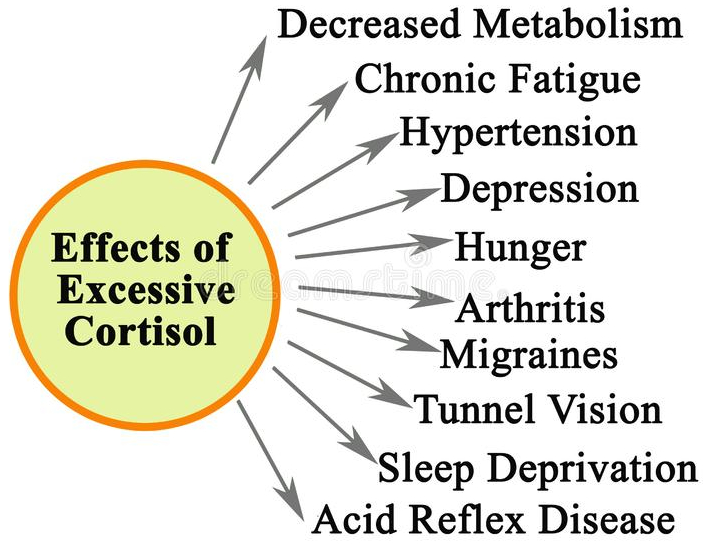
It functions in the body as a key part of the stress reaction, which preparers the animal body for “Fight or flight”. Cortisone raises the blood pressure, heart rate and blood sugar, and shuts down The immune system, which is not as necessary in times of emergency. It is this last function which helped my patients with asthma and eczema, which are diseases of excessive immune reactivity. You may have heard of the use of dexamethasone( A relative of cortisol ) in severe Covid, which is made worse by an excessive immune response.
Modern life is a pressure cooker, requiring continuous activity and deadlines. The blood Cortisone level, which is raised by stress, is helpful in the short term, but deleterious when persisting over the long term. The prolonged elevation of blood Pressure, blood sugar and heart rate, coupled with a decrease in bone and collagen formation can lead to all kinds of problems including weight gain, diabetes, cardiovascular problems, osteoporosis and mental decline.
Although cortisol in the short term can enhance memory (think of flash – bulb memory), in the long run it decreases hippocampal function, impacting memory.
For these and other reasons, Modern Life makes it desirable to reduce stress and the accompanying elevation of cortisol . Our old friends, Proper sleep, diet and exercise are critical, and help activities such as laughter and yoga to reduce stress. The following reference will cover this in more detail.
 Doctors Without Waiting Rooms