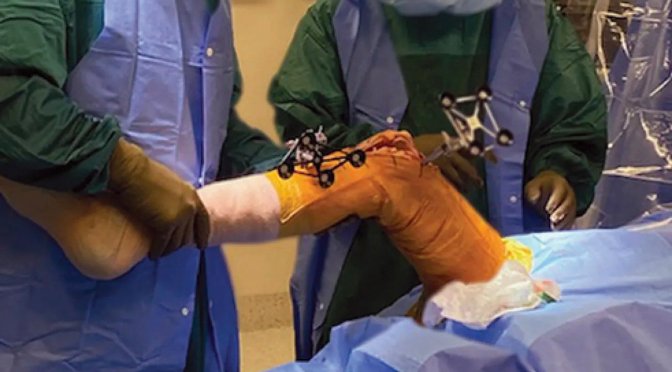
Penn Medicine Videos (July 14, 2023) – Penn Orthopaedics offers multiple options for joint replacement surgery, including the latest robotic knee and hip replacement technologies.
In this video, Dr. Travers, Director of the Penn Orthopaedics Robotics and Navigation Program, discusses what robotic joint replacement surgery is and how it differs from traditional joint replacement surgery, as well as the benefits of this procedure.
We also hear from three patients who recount their personal experiences before and after robotic knee replacement surgery.
Candida auris is a type of fungus, a yeast in this case, that is increasing in frequency and spreading geographically, apparently due to warmer temperatures. This organism is fairly common in hospitals, where it often is on the skin. It is lethal if it gets into the body, and often difficult to treat. Las Vegas, Nevada, in particular is having almost an epidemic of these infections, with more than 500 infections and 100 deaths since the fall of 2021.
An alarming number of cases are misdiagnosed when patients first come to the emergency room; fungal infection is certainly not the first thing a doctor thinks of when she sees a patient with a febrile illness. On the flipside of that, any delay in diagnosis, particularly with a bloodstream infection, can be lethal. There are a few good laboratory tests for the diagnosis of fungal infection, and many of these take highly trained technicians with a microscope.
Fungi are opportunistic infections, which means a healthy person is unlikely to be seriously affected. With cancer treatments and organ transplants, increasing numbers of people are on immunosuppressive drugs which means they are more susceptible. Hospitals deal with this very sick people, and frequently use central catheters inserted into patients veins, and opportunistic fungi, like candida auris, get a free ride into the body. With fever, most doctors, think first of bacterial infections, and give antibiotics; these antibiotics can actually worsen fungal infection, since they remove bacterial competitors.
Many medical schools do not teach their students about fungal infections, and in 4 years of medical school, doctors in training are lucky to get two or three hours on this subject. Fungal infections are thought to be rare.
In these days of high-tech, corporate medicine, it is good for a patient to be her own advocate. Don’t be afraid to ask the doctor if she has thought of fungal infection as possible cause if you are not improving with your treatment, particularly if you’re in the hospital.
Cleveland Clinic (June 9, 2023) – The truth is that your body NEVER STOPS burning calories. That calorie blaze might resemble a five-alarm fire at certain times of the day, like when you’re exercising, but the flame is always lit.
Over the course of a day, your body’s natural calorie burn without any activity can range from 1,300 to more than 2,000, depending on your age and sex. (More on that in a bit.)
So, how and why do you burn calories reading, sleeping or logging long hours as a couch potato? Let’s do the math with endocrinologist and weight management specialist Marcio Griebeler, MD.
Why your body burns calories
With so much talk about “calorie burn” focused on weight loss, the true reason behind your body’s calorie needs often gets overlooked. It’s not about the numbers on the scale. It’s about survival.
“To live, you have to burn calories,” says Dr. Griebeler. “Your body burns calories to pump your heart, to breath, to think … to do everything.”
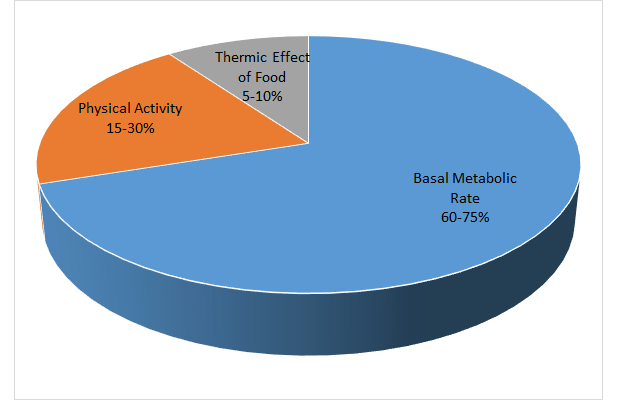
That constant burn to keep your body going is known as your metabolism. To get a little more specific, your basal metabolic rate (BMR) refers to the minimum number of calories your body needs to function.
So, as you’re doing nothing, your body is still busy and burning calories to keep all systems operational.
Calculating your metabolic rate
While we all have a BMR, we don’t all share the same BMR. It’s not some standard formula like the Pythagorean Theorem. (That’s A² + B² = C², in case you’re rusty on your middle school math lessons.)
BMR, also known as your resting metabolic rate, varies widely based on factors such as:
Mount Sinai Health System (May 31, 2023) – When and how often to have a screening mammogram is a choice you must make. Different expert groups do not fully agree on the best timing for this test.
Before having a mammogram, talk to your provider about the pros and cons of having the test. Ask about:
Whether screening decreases your chance of dying from breast cancer
Whether there is any harm from breast cancer screening, such as side effects from testing or overtreatment of cancer when it’s discovered
Mammography is performed to screen women to detect early breast cancer when it is more likely to be cured. Mammography is generally recommended for:
Women starting at age 40, repeated every 1 to 2 years. (This is not recommended by all expert organizations.)
All women starting at age 50, repeated every 1 to 2 years.
Women with a mother or sister who had breast cancer at a younger age should consider yearly mammograms. They should begin earlier than the age at which their youngest family member was diagnosed.
Mammography is also used to:
Follow a woman who has had an abnormal mammogram.
Evaluate a woman who has symptoms of a breast disease. These symptoms may include a lump, nipple discharge, breast pain, dimpling of the skin on the breast, changes of the nipple, or other findings.
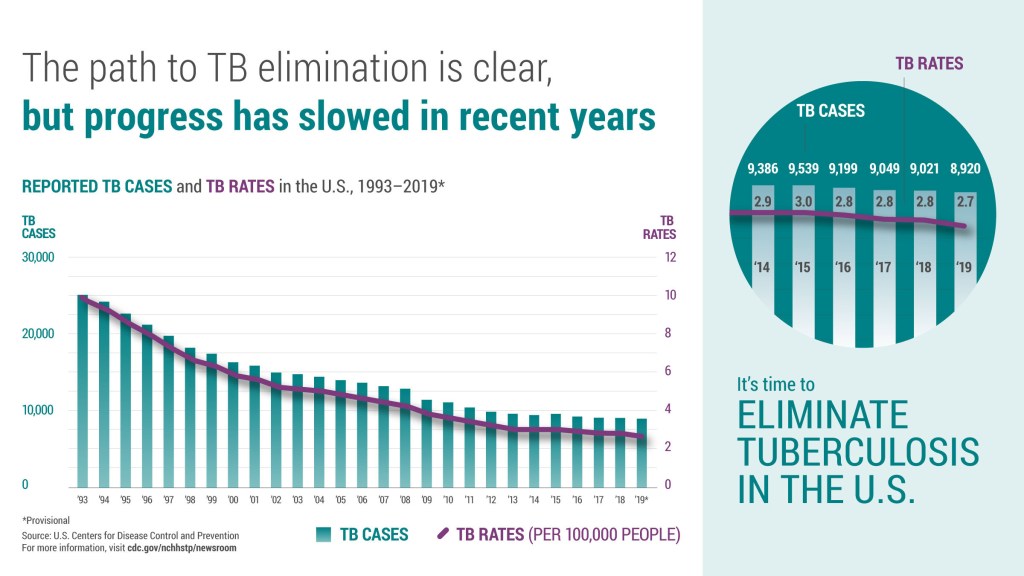
TB has been a gradually diminishing presence in the United States for decades, and currently there are only 2.4 cases per hundred thousand people in our country.
When I was in medical school, TB was still a big problem, and we learned about the fever, night sweats, weight loss and coughing up blood from active tuberculosis. With any of these symptoms, you should, of course, check with a physician.
These severe infections still happen but, currently, tuberculosis occurs primarily in immigrants from other countries, homeless people, prison inmates, people with Immune deficiency, such as cancel therapy and HIV infection.
TB is also more common in Asians, Native Americans and Eskimos, and Hispanics.
The Ordinary middle class American citizen these days is unlikely to catch tuberculosis, unless they are exposed to somebody that has an active, open case, more likely in people described above.
On first contact, the Tubercle bacillus is almost always controlled by the immune system. Most of these primary cases are without symptoms, and after a few weeks could be picked up by an immune blood test, called the T-spot.TB, or the skin tuberculin test. The chest x-ray can also show a spot on the lung with primary tuberculosis. it is with reactivation that the severe symptoms of secondary TB, described above, can occur.
My own inclination would be to get tested with exposure to any of the groups mentioned above, especially if they have a cough.
Incidentally, there was a dip in tuberculosis incidence during the contagion versus COVID-19 pandemic, showing one more advantage in avoiding big, inside groups.
Catching tuberculosis at the earliest possible moment still continues to be important, especially since long drawn out disease in individuals who have defective immune systems has led to the development of drug resistant organisms.
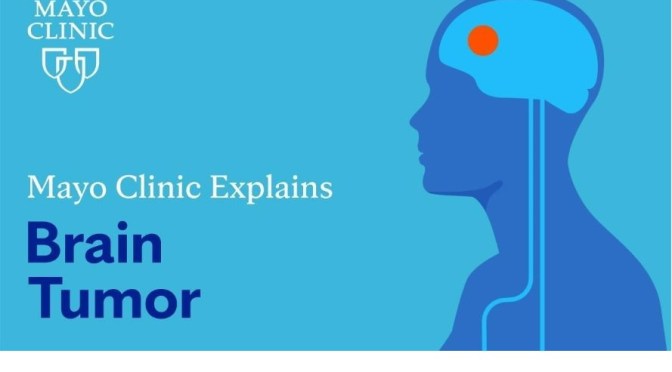
Mayo Clinic (May 17, 2023) – Learning about a brain tumor can be intimidating. Alyx Porter, M.D., a neuro-oncologist at Mayo Clinic, walks you through the facts, the questions, and the answers to help you better understand this condition.
Video timeline:0:00 Introduction 0:37 What is a brain tumor? 1:38 Who gets a brain tumor? / Risk factors 2:26 Symptoms of a brain tumor 3:36 How is a brain tumor diagnosed? 4:13 Treatment options 6:24 Coping methods/ What now? 7:14 Ending
Cleveland Clinic (MAY 9, 2023): Have you ever wondered what your surgeon thinks about when they are deciding if you need an operation?
Dr. Lars Svensson and Dr. Marijan Koprivanac discuss all things aorta, such as your past medical history, current health, and how your surgeon looks to the future to provide the best options for you.
May 4, 2023: Difficulty initiating and maintaining sleep is a common problem for many patients. Over-the-counter sleeping aids are used by many and we commonly get asked for prescription medications to help with their sleep.
Unfortunately, the ideal sleeping medication doesn’t exist and many have potentially worrisome adverse effects, some produce daytime somnolence and others may have the potential to produce dependence.
Cognitive behavioral therapy is an alternative treatment option to pharmacologic therapy and is safe, can be easily taught, and offers an alternative to the many with chronic insomnia. In this podcast, we’ll discuss this innovative treatment option with sleep expert, Michael H. Silber, M.B.Ch.B., a neurologist at the Mayo Clinic.
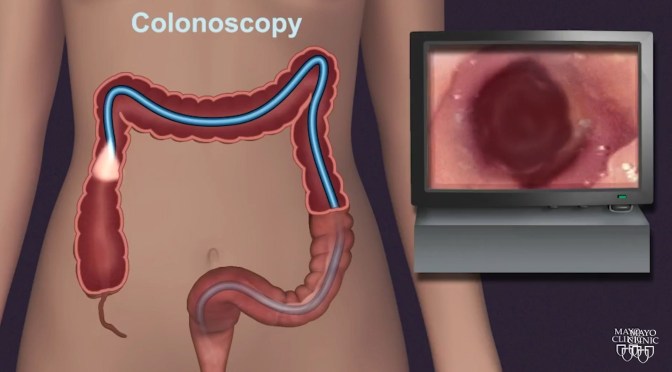
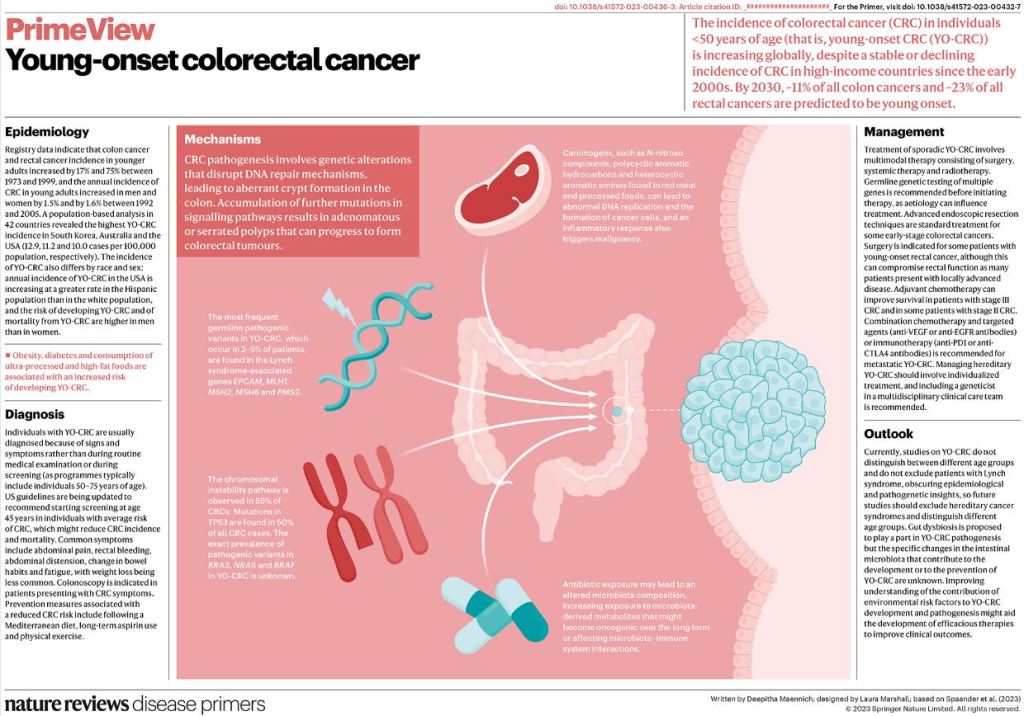
In the past decades the incidence of colorectal cancer (CRC) in people under the age of 50 years has increased, which is referred to as early-onset CRC or young-onset CRC (YO-CRC). YO-CRC is expected to account for 11% of colon cancers and 23% of rectal cancers by 2030. This trend is observed in different parts of the world and in both men and women. In 20% of patients with YO-CRC, a hereditary cancer syndrome is found as the underlying cause; however, in the majority of patients no genetic predisposition is present.
Beginning in the 1950s, major changes in lifestyle such as antibiotic use, low physical activity and obesity have affected the gut microbiome and may be an important factor in YO-CRC development. Owing to a lack of screening, patients with YO-CRC are often diagnosed with advanced-stage disease. Long-term treatment-related complications should be taken into account in these younger patients, making the more traditional sequential approaches of drug therapy not always the most appropriate option.
To better understand the underlying mechanism and define relationships between environmental factors and YO-CRC development, long-term prospective studies are needed with lifestyle data collected from childhood.
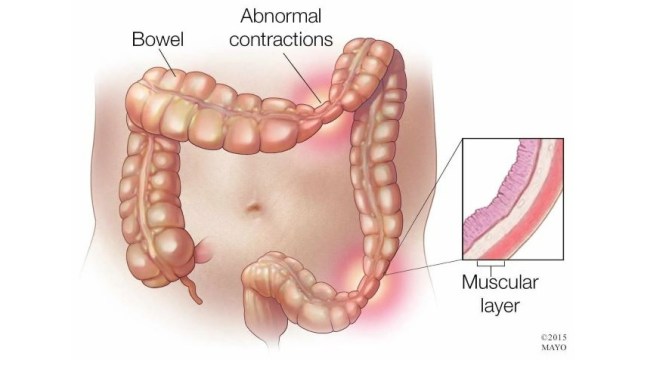
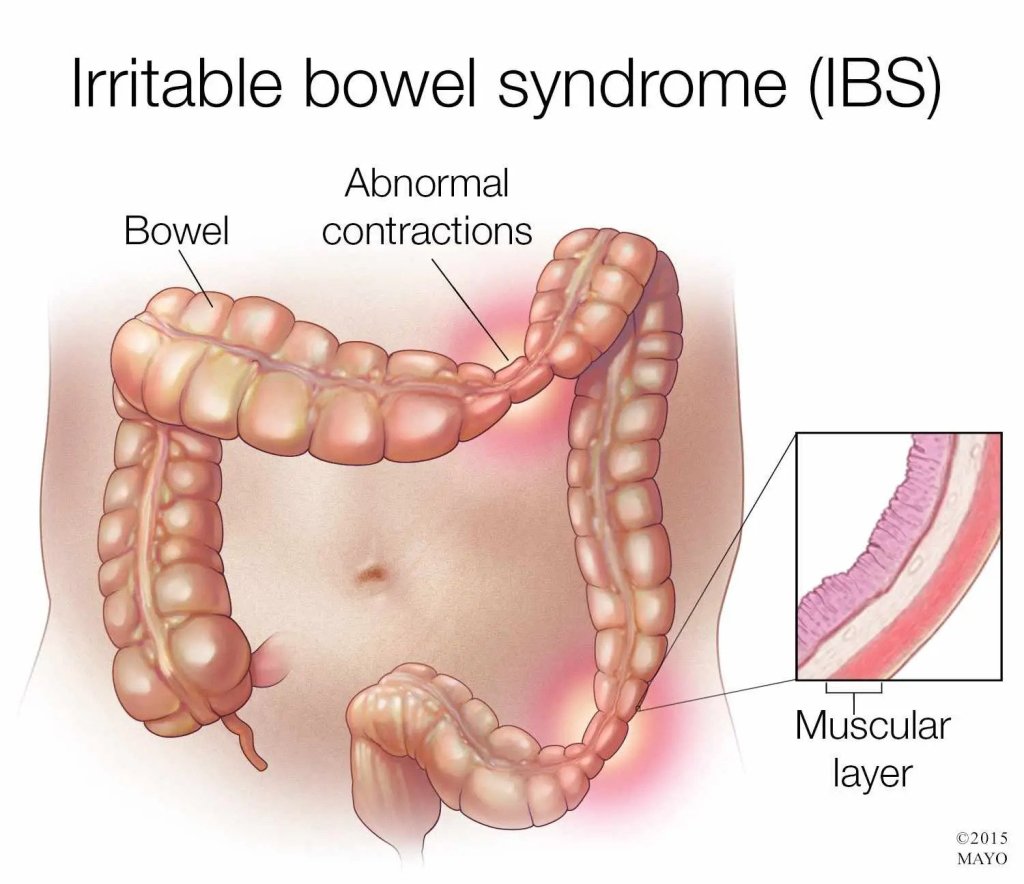
Mayo Clinic (April 27, 2023) – Dr. Brian Lacy says irritable bowel syndrome, or IBS, is a chronic condition that affects the intestinal tract. It can cause painful stomach cramps, diarrhea and constipation.
IBS is now categorized as a disorder of gut-brain interaction, which means that there’s a problem with how the gut and brain communicate with each other. He says stress plays a key role. There’s no cure for IBS, but symptoms can be managed. Try eating smaller, more frequent meals, and exercising regularly. Deep breathing and yoga are also helpful to reduce stress.







 Mount Sinai Health System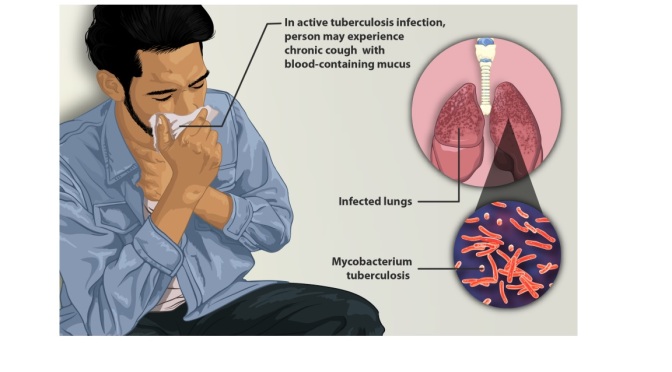
 Mayo Clinic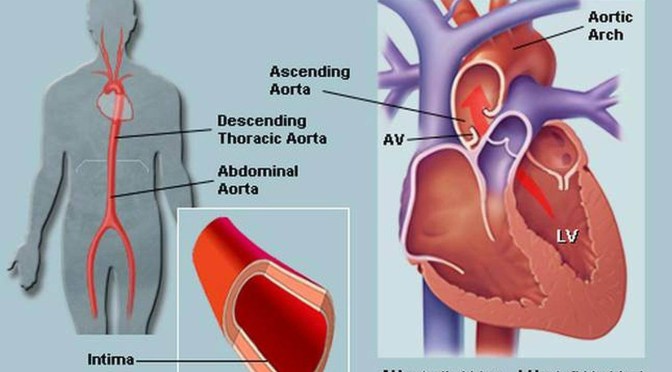

 Doctors Without Waiting Rooms