Tag Archives: Mayo Clinic

Women’s Heart Disease: Three Steps To Lower Risk

Heart attack symptoms for women

The most common heart attack symptom in women is the same as in men — some type of chest pain, pressure or discomfort that lasts more than a few minutes or comes and goes.

But chest pain is not always severe or even the most noticeable symptom, particularly in women. Women often describe heart attack pain as pressure or tightness. And it’s possible to have a heart attack without chest pain.

Women are more likely than men to have heart attack symptoms unrelated to chest pain, such as:

  • Neck, jaw, shoulder, upper back or upper belly (abdomen) discomfort
  • Shortness of breath
  • Pain in one or both arms
  • Nausea or vomiting
  • Sweating
  • Lightheadedness or dizziness
  • Unusual fatigue
  • Heartburn (indigestion)

These symptoms may be vague and not as noticeable as the crushing chest pain often associated with heart attacks. This might be because women tend to have blockages not only in their main arteries but also in the smaller ones that supply blood to the heart — a condition called small vessel heart disease or coronary microvascular disease.
Diagnosis: What Is Painful Bladder Syndrome? (Q&A)

DEAR MAYO CLINIC: I am a 45-year-old woman with urinary challenges, including feeling the frequent urge to empty my bladder. My primary doctor said I might have interstitial cystitis and suggested I see a urogynecologist. Could you explain this condition? What are my treatment options, and will I recover?

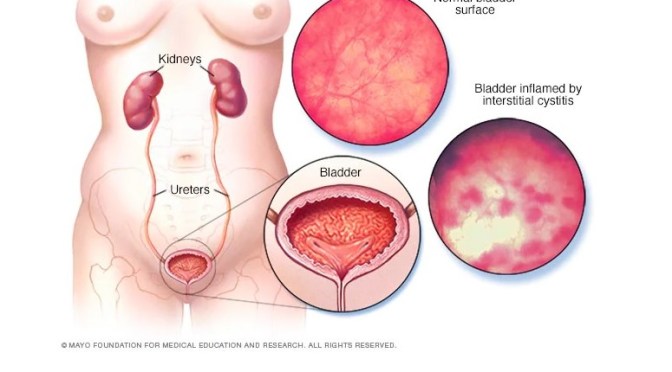
ANSWER: Cystitis is the medical term for inflammation of the bladder. Most of the time, the inflammation is caused by an infection. But interstitial cystitis, also called painful bladder syndrome, is different. It is a disease that causes pressure or pain in the bladder and pelvis that is associated with trying to hold urine.

Symptoms can range from mild burning or discomfort to severe pain and a persistent, urgent need to urinate. Interstitial cystitis is a chronic condition that can be difficult to treat, which is why your primary care provider suggested a urogynecologist.

A urogynecologist is a specialist who cares for women with pelvic floor disorders. This includes bladder leakage, pelvic organ prolapse and pelvic pain.

Unlike other forms of cystitis, researchers don’t know the exact reason for interstitial cystitis. But many theories exist regarding its cause.

Some researchers believe that people with interstitial cystitis have a defect in the protective lining, or epithelium, of their bladder. A leak in the epithelium may allow substances in urine to irritate the bladder wall, causing pain.

It’s also possible that problems with the pelvic nerves cause people who have interstitial cystitis to feel the need to urinate more often and with smaller volumes of fluid than most people. Other theories about the cause of interstitial cystitis include an autoimmune, hereditary, infectious or allergic condition, but none of these has been proven.

Read more

Viral Infections: The Risks And Causes Of Shingles

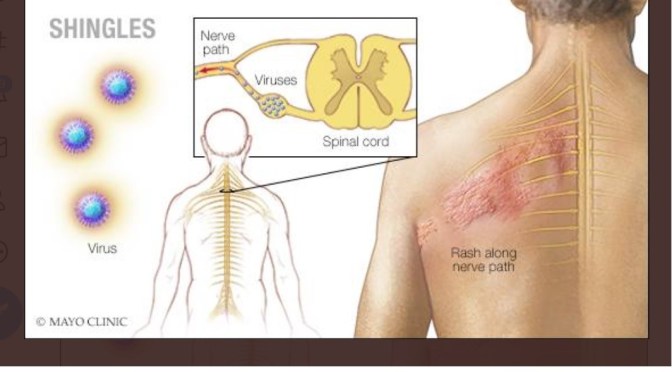
Shingles is a viral infection that causes a painful rash. Although shingles can occur anywhere on your body, it most often appears as a single stripe of blisters that wraps around either the left or the right side of your torso.

Shingles is caused by the varicella-zoster virus — the same virus that causes chickenpox. After you’ve had chickenpox, the virus lies inactive in nerve tissue near your spinal cord and brain. Years later, the virus may reactivate as shingles.

Shingles isn’t a life-threatening condition, but it can be very painful. Vaccines can help reduce the risk of shingles. Early treatment can help shorten a shingles infection and lessen the chance of complications. The most common complication is postherpetic neuralgia, which causes shingles pain for a long time after your blisters have cleared.

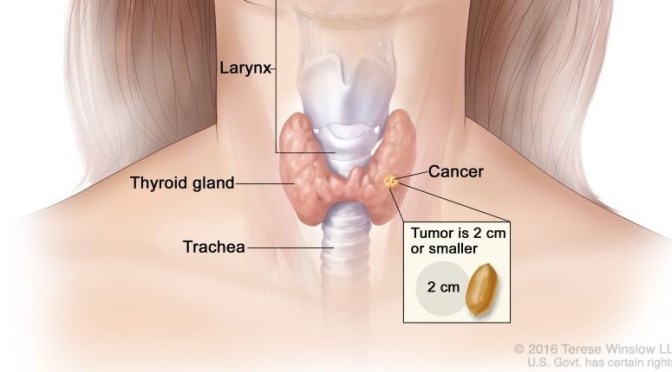
Mayo Clinic: Thyroid Cancer Explained (Video)

Learning about thyroid cancer can be intimidating. Let our experts walk you through the facts, the questions, and the answers to help you better understand this condition.

Chapters: 0:00 Introduction 0:25 What is thyroid cancer? 1:29 Who gets thyroid cancer? / Risk factors 2:44 Symptoms of thyroid cancer 3:18 How is thyroid cancer diagnosed? 4:14 Treatment options 5:40 Coping methods/ What now? 6:36 Ending

For more reading visit: https://mayocl.in/3ys82Jv. When it comes to your health, Mayo Clinic believes credible and clear information is paramount. There’s a lot to learn about thyroid cancer.

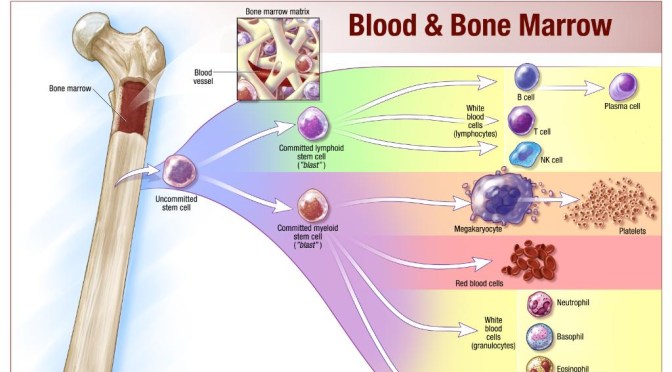
Stem Cells: Bone Marrow Transplants (Mayo Clinic)

Clinical advances by the Mayo Clinic Transplant team offer new possibilities in treatment. Mayo Clinic is a world leader in setting standards for stem cell transplant. Allogenic transplant involves using stem cells from a donor and replacing diseased or damaged bone marrow. This video reviews the transplant process. Mayo Clinic is making bone marrow transplant safer and improving the lives of people who need them.

Advances by the Mayo Clinic Transplant Program are offering new possibilities in treatment for patients requiring bone marrow transplant. Autologous bone marrow transplant utilizes healthy stem cells from a person’s own body to help recover from high dose chemotherapy. This video reviews the conditions autologous stem cell transplantation is most often used to treat and what to expect throughout the process.

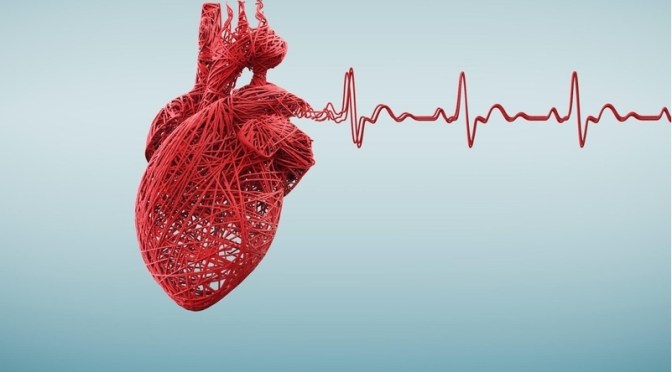
Heart Disease: Molecular Mapping To Predict Risk

Vulnerability to heart disease can be projected before symptoms occur, Mayo Clinic discovered in preclinical research. This proof-of-concept study revealed that heart muscle changes indicate who is vulnerable to disease later in life. These changes can be detected from blood samples through comprehensive protein and metabolite profiling. This exploratory mapping, conducted in the Marriott Family Comprehensive Cardiac Regenerative Program within Mayo Clinic’s Center for Regenerative Medicine, is published in Scientific Reports.

“The team implemented state-of-the-art technologies to predict who is vulnerable and who is protected from heart disease,” says Andre Terzic, M.D., Ph.D., a Mayo Clinic cardiologist and the senior author. “In this era of post-genomic medicine, the acquired foundational knowledge provides guidance for development of curative solutions targeted to correct the disease-causing maladaptation.” Dr. Terzic is the Marriott Family Director, Comprehensive Cardiac Regenerative Medicine, for the Center for Regenerative Medicine and the Marriott Family Professor of Cardiovascular Research.

Liver Health: Diagnosis And Risks Of Cirrhosis

Learning about cirrhosis can be intimidating. Let our experts walk you through the facts, the questions, and the answers to help you better understand this condition.

Timeline: 0:00 Introduction 0:24 What is cirrhosis? 1:05 Who gets cirrhosis? / Risk factors 2:03 Symptoms of cirrhosis 2:49 How is cirrhosis diagnosed? 3:38 Treatment options 4:42 Coping methods/ What now? 5:17 Ending

For more reading visit: https://mayocl.in/3luptln.

Spine Health: Diagnosing & Treating A Herniated Disk

Learning about a herniated disk can be intimidating. Let our experts walk you through the facts, the questions, and the answers to help you better understand this condition.

Timeline: 0:00 Introduction 0:24 What is a herniated disk? 1:16 What causes a herniated disk? / Risk factors 2:10 Symptoms of a herniated disk 2:49 How is a herniated disk diagnosed? 3:38 Treatment options 4:50 Coping methods/ What now? 5:16 Ending

For more reading visit:https://mayocl.in/3PyJMvJ. When it comes to your health, Mayo Clinic believes credible and clear information is paramount. There’s a lot to learn about a herniated disk. We’re here to help.

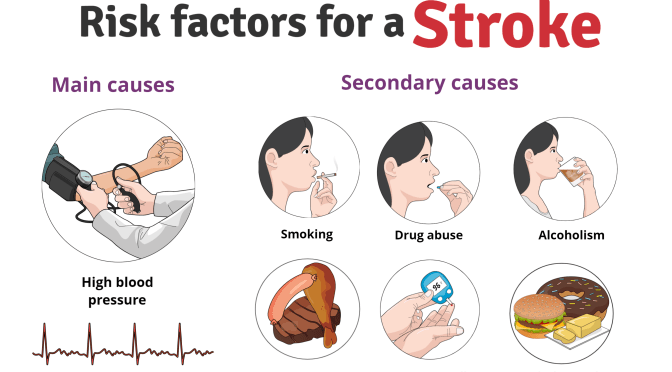
Brain Health: How To Reduce Risks Of Strokes

Stroke is one of the leading causes of death and disability in the U.S. with almost 800,000 cases diagnosed each year. Dr. David Miller, director of the Comprehensive Stroke Center at Mayo Clinic in Florida, explains how to reduce your stroke risk..

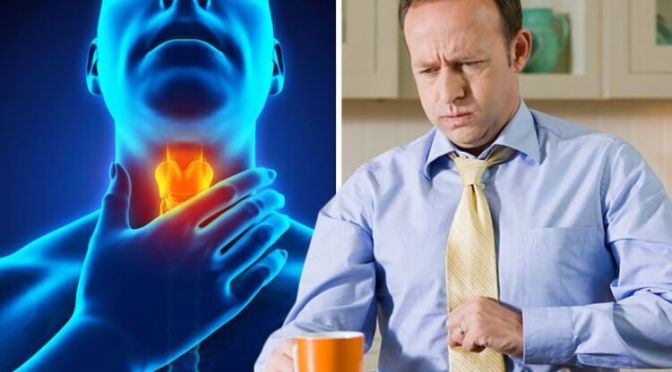
Acid Reflux: Signs That It May Be Esophageal Cancer

THE DIFFICULTY in treating cancer lies in its deadly ability to evolve. Picked up early, however, much can be done to avert death, so unusual changes to a body’s functioning should never be ignored. Acid reflux – a known precursor for oesophageal cancer – may present warning signs before turning cancerous, according to experts.