Mount Sinai Health System (May 31, 2023) – When and how often to have a screening mammogram is a choice you must make. Different expert groups do not fully agree on the best timing for this test.
Before having a mammogram, talk to your provider about the pros and cons of having the test. Ask about:
Whether screening decreases your chance of dying from breast cancer
Whether there is any harm from breast cancer screening, such as side effects from testing or overtreatment of cancer when it’s discovered
Mammography is performed to screen women to detect early breast cancer when it is more likely to be cured. Mammography is generally recommended for:
Women starting at age 40, repeated every 1 to 2 years. (This is not recommended by all expert organizations.)
All women starting at age 50, repeated every 1 to 2 years.
Women with a mother or sister who had breast cancer at a younger age should consider yearly mammograms. They should begin earlier than the age at which their youngest family member was diagnosed.
Mammography is also used to:
Follow a woman who has had an abnormal mammogram.
Evaluate a woman who has symptoms of a breast disease. These symptoms may include a lump, nipple discharge, breast pain, dimpling of the skin on the breast, changes of the nipple, or other findings.
Johns Hopkins Medicine: What To Do When You Find a Lump in Your Breast? Breast imaging radiologist, Emily Ambinder discusses common questions one may have when discovering a lump in the breast.
Video timeline: 0:03 Why do lumps form in the breast? 026 What are the different types of lumps? 0:55 Can breast lumps form because of physical impact? Could those lumps become cancerous? 1:23 What do i do if i have found a lump? 1:47 What makes breast imaging at Johns Hopkins different? 2:01 What is a mammogram? 2:29 What is a breast ultrasound? 2:53 What else do I need to do if I have a lump?
A women’s lifetime risk of developing breast cancer is one in eight. Research has shown that the earlier you detect breast cancer the more options there are for treatment and a better chance for a cure.
What is a mammogram?
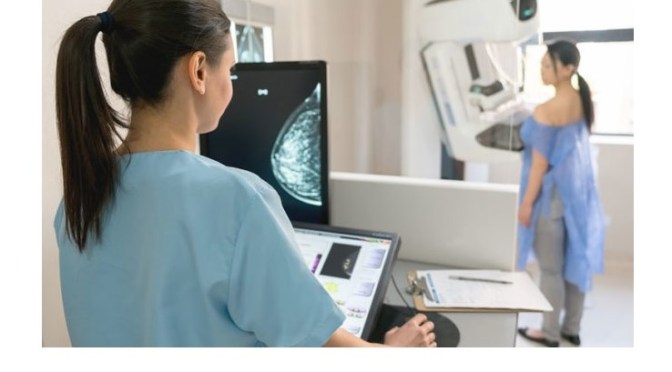
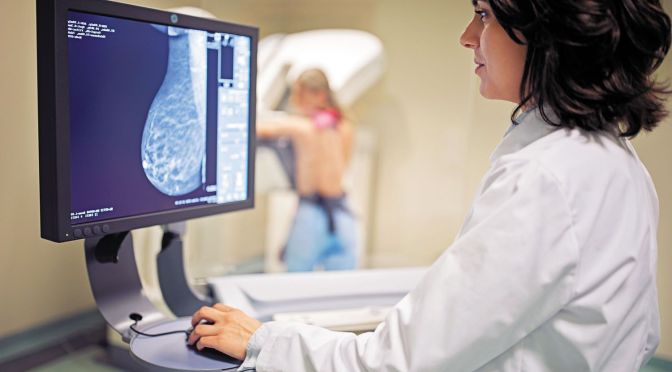
A mammogram is a low-dose X-ray of breast tissue. Healthcare providers use mammograms, or mammography, to look for early signs of breast cancer before symptoms develop. This is called a screening mammogram. Providers also use mammography to look for any abnormalities if you develop a new symptom, such as a lump, pain, nipple discharge or breast skin changes. This is called a diagnostic mammogram.
Aside from skin cancer, breast cancer is the most common cancer that affects people assigned female at birth and represents 14% of all new cancer diagnoses in the United States. While breast cancer treatment therapies continue to improve and have contributed to a reduction in cancer-related deaths, early diagnosis through screening mammograms has a greater overall impact on survival rates.
Postmenopausal women whose screening mammograms show signs of calcification in their breast arteries may have a higher risk of cardiovascular disease: https://t.co/iktQotQz5n#HarvardHealth
The routine mammograms women receive to check for breast cancer may also offer clues to their risk for heart disease, new research suggests.
White spots or lines visible on mammograms indicate a buildup of calcium in breast arteries. This breast arterial calcification is different from coronary artery calcification, which is known to be a marker for higher cardiovascular risk. For the study, researchers followed 5,059 postmenopausal women (ages 60 to 79) for six and a half years. They found that those with breast arterial calcification were 51% more likely to develop heart disease or have a stroke than those without calcification. The study was published March 15, 2022, in Circulation: Cardiovascular Imaging.
Empowering Patients Through Education And Telemedicine


 Doctors Without Waiting Rooms