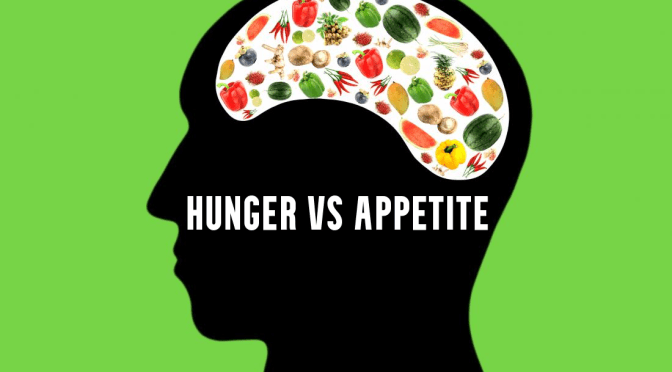
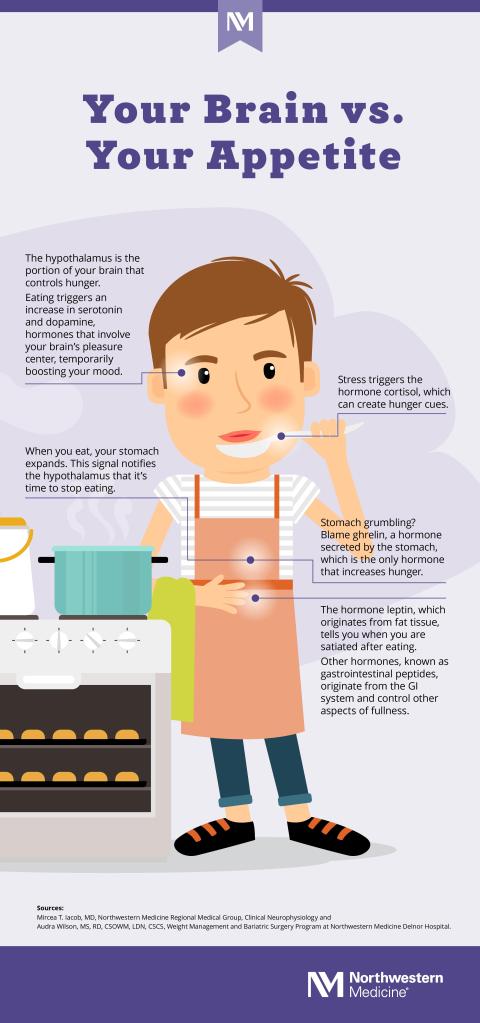
During the holiday season, it can be hard to pass on that extra piece of pie. Learn about the science of hunger. #HealthyEating https://t.co/RACMyq5kJn
— Northwestern Medicine (@NorthwesternMed) December 24, 2021

Did you know that not getting enough zzz’s can actually make you hungrier? According to sleep scientist Matt Walker, the relationship between what you eat and your sleep is a two-way street. Here’s why understanding it can help you improve your overall health.
Sleep — we spend one-third of our lives doing it, but what exactly do we get out of it? And how can we do it better? In this TED series, sleep scientist Matt Walker uncovers the facts and secrets behind our nightly slumber. (Made possible with the support of Oura) Check out more episodes on TED.com: https://go.ted.com/sleepingwithscience
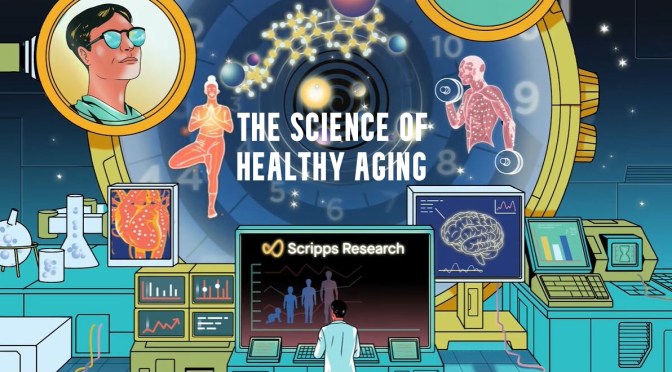
Although growing older comes with a number of major life changes, science can help inform the things we do in the here in and now to forestall the most serious features of the aging self, promoting healthspan and not just lifespan.

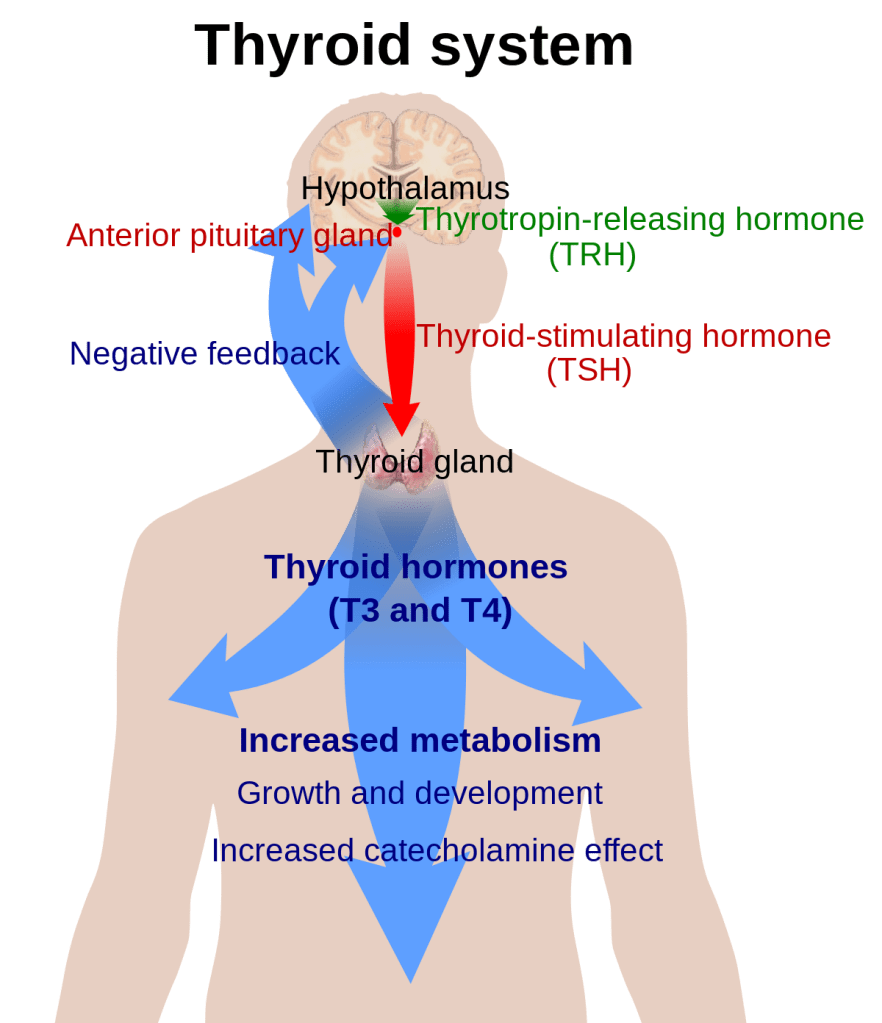
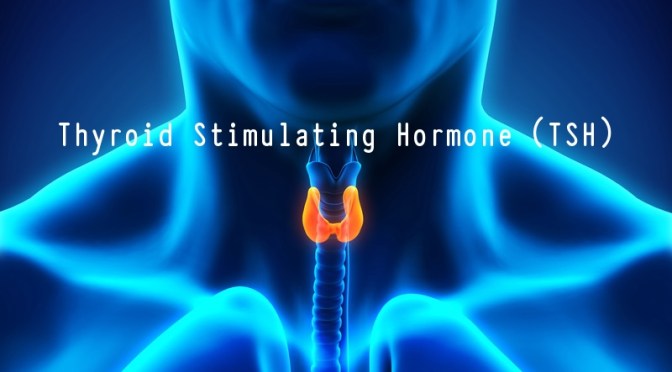
Thyroid stimulating hormone (TSH) is one of a series of regulatory hormones to come from the pituitary gland, often called the “master gland“ of the body. Most of the pituitary hormones are released upon signals from the hypothalamus, part of the real master coordinator of the body, the brain.
TSH Instructs the Thyroid gland to produce more Thyroid hormone. When more Thyroid hormone is produced, The increase of Thyroxin in the bloodstream causes the TSH level to drop.
Our metabolism is full of these servomechanisms which control the level of critical substances. When the thyroid does not function properly, and the thyroid level drops, the TSH is increased. An elevated TSH it is presently the best test we have for hypothyroidism.
Conversely, when there is excessive thyroid activity (hyperthyroidism), the TSH level drops to vanishingly low amounts. Tomorrow the subject will be thyroxin.
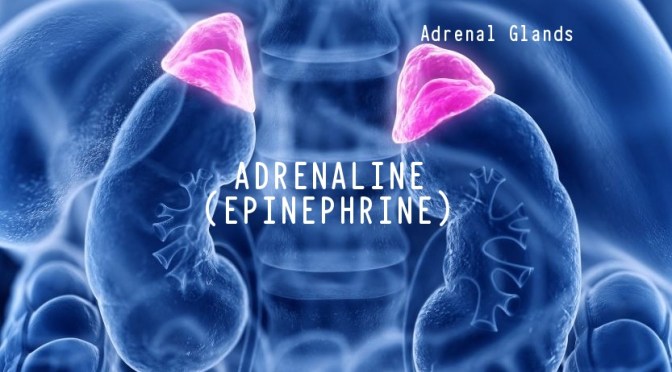
Adrenaline (epinephrine) was first discovered when the adrenal gland was ground up and injected, producing an increase in the pulse rate. it has a myriad of uses, and often In emergencies when speed of injection is of great importance. You may you recall the controversy when the price of EpiPen was jacked up to ridiculous levels.
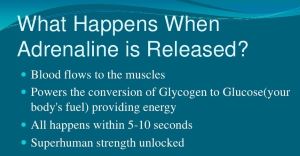
Adrenaline is intimately involved with cortisol in emergency stress reactions. Adrenaline increases cortisol production, and cortisol increases the number of cell membrane adrenoreceptors. Adrenaline is much more rapidly acting, and cortisol sticks around for a while keeping the stress response going.
Adrenaline produces a myriad of responses that are beneficial when you’re trying to run away from that sabertooth tiger. Just like cortisol, it increases the pulse rate, blood pressure, blood sugar and heart rate. It opens up the bronchial tubes so you can breathe better, and also increases muscle strength and alertness, with a negative affect.
As mentioned in the article on cortisol, stress has a negative connotation at present, even though it was vital to our survival as a species. I can’t tell you how many shots of adrenaline I gave to my asthmatic patients. Medications to prevent asthma are much more numerous these days and adrenaline is rarely needed for Asthma any more.
Adrenaline is still very useful, however, in cardiac arrest, and Anaphylactic reactions. You may recall having read about Anaphylactic reactions from the Propylene glycol in some Covid immunizations.
In the long run You will do better to keep your stress levels down. Try to avoid talking about family affairs, religion, and politics.

 Doctors Without Waiting Rooms