Tag Archives: Glucose

Blood Tests: What Is A ‘Basic Metabolic Panel’?

1. Glucose

Glucose is the type of sugar that your body uses for energy. 

What’s normal: 70 to 99 mg/dL (after 8 to 12 hours of not eating).

  •  What’s normal: 70 to 99 mg/dL (after 8 to 12 hours of not eating).
  •  What abnormal results can mean: If there’s too much, then it can mean diabetes or prediabetes. If there’s too little, it could mean hypoglycemia.

2. Calcium

Calcium is needed for many body functions, including building bones, heart function, muscle contraction and nerve signaling. 

  • What’s normal: 8.5 to 10.2 mg/dL.
  • What abnormal results can mean: Kidney/liver problems, bone disease, thyroid disease, cancer and malnutrition

3. Electrolytes

Electrolytes are minerals that maintain fluid levels and chemical balance in your body. 

  • What’s normal: Bicarbonate (total) 18 to 30 mEq/L; Chloride: 98 to 106 mEq/L; Magnesium: 1.8 to 3.6 mg/dL or 1.5 to 3.0 mEq/L; Phosphorus: 3 to 4.5 mg/dL or 1.8 to 2.3 mEq/L; Potassium: 3.5 to 5.5 mEq/L; Sodium: 135 to 147 mEq/L.
  • What abnormal results can mean: Dehydration, kidney disease, liver disease, heart failure and high blood pressure.

4. Blood urea nitrogen (BUN)

Blood urea nitrogen (BUN) is a waste product that kidneys filter out of your body.

  • What’s normal: 6 to 20 mg/dL.
  • What abnormal results can mean: If there’s too much, then it can mean kidney disease, heart failure or dehydration. If there’s too little, it could mean liver failure or malnutrition.

5. Creatinine

Creatinine is a waste product that kidneys filter out of your body.

  • What’s normal: For men, 0.7 to 1.3 mg/dL. For women, 0.6 to 1.1 mg/dL.
  • What abnormal results can mean:  If there’s too much, then it can mean kidney disease, muscle breakdown or dehydration. If there’s too little, it could mean malnutrition or low muscle mass.

“Metabolism involves any way your body converts or uses energy,” says Dr. Allan. “That includes digestion, breathing, circulation, and functioning of your organs, muscles and nervous system.”
DIABETES: THE ROLE OF INSULIN AND ISLETS (VIDEO)

Type 1 and type 2 diabetes are characterized by increased blood glucose levels. They affect almost half a billion people around the globe, and this number is projected to rise as we reach the middle of the century. In most individuals, blood glucose levels are kept within a healthy range by a hormone called insulin, which is secreted by the pancreas, but this fine-tuned regulation can go wrong in type 1 and type 2 diabetes. In this animation, we lay out our current understanding of these diseases and explore active areas of research that aim to restore the body’s blood glucose control.

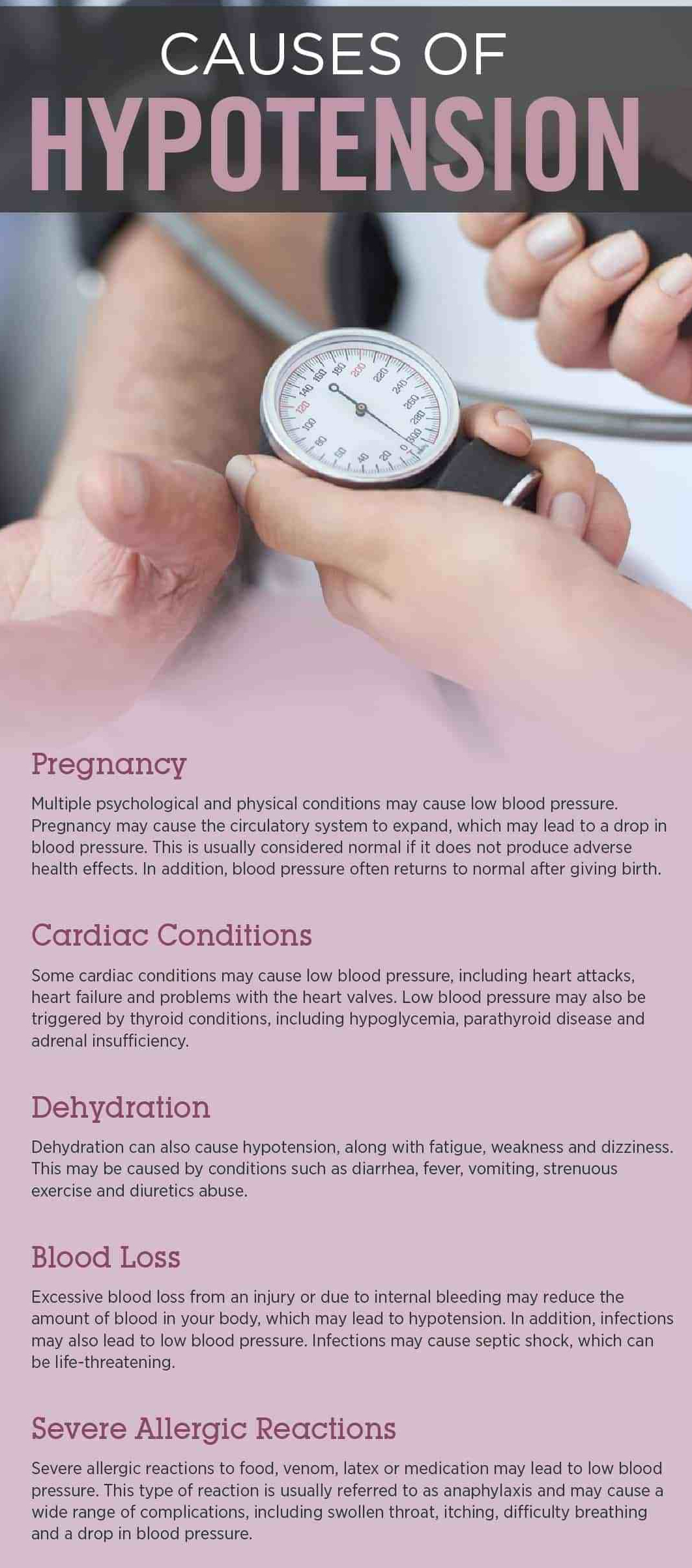
ORTHOSTATIC HYPOTENSION: ITS SYMPTOMS AND CAUSES

Our Nervous system is much more than consciousness and free will. Our neural networks automatically go about the job of keeping us alive without entering our awareness- unless it fails to perform.

This is true of our intestinal system, and especially our cardiovascular system. We would not have time for anything else if we had to consciously take each breath, command each heart beat, and for this discussion, open up (dilate) the blood vessels to our brain, and constrict the blood vessels in our legs whenever we stand up.

Our brains demand a constant supply of Oxygen and Glucose in order to perform their complex duties. Between 20% and 40% of the 100 Watts of energy our bodies consume is in our brains.

Whenever we stand up, the force of gravity “wants” to force our blood to our legs and away from our head. Unless that tendency is counteracted, our brains would be deprived of essential factors, and we would all have orthostatic (upright position) hypotension every time we stand up.

Normally, when the blood pressure drops from ANY CAUSE, receptors near the base of the heart and great vessels signal the sympathetic branch of the autonomic nervous system to cause a speeding up of the heart and a dilation of the blood vessels in the brain. This compensates for the drop in blood pressure, which is determined by the blood flow and resistance to that flow.

The sympathetic nervous system is a reaction to STRESS, to a “flight or fight” decision. In the short term, it is beneficial, or adaptive. You may know the feeling, heart racing, cold hands (due to constriction of blood vessels), breathing rate increases, and sweating.

The asthmatic feels this from a shot of adrenalin, which delivers the sympathetic reaction to the whole body through the blood stream. The musculature of the bronchial tubes are relaxed, improving breathing, and improving the asthma.

What is adaptive in the short haul may be deleterious if it continues, felt as Anxiety if it lasts too long.

ORTHOSTATIC (postural) HYPOTENSION may be made worse by a variety of other influences, such as an abnormally slow heart, rate, dehydration, blood loss, certain medications and standing still too long.

Since the brain needs both Oxygen and Glucose, High altitude or a
low blood sugar will also facilitate faintness. If you have a tendency toward lightheadedness when you stand up, be careful lest you fall and injure yourself.

If you are unable to cope with these spells, a checkup with your Doctor may be in order; perhaps you have an underlying problem, such as with your heart, which is the next subject of discussion.

–DR. C

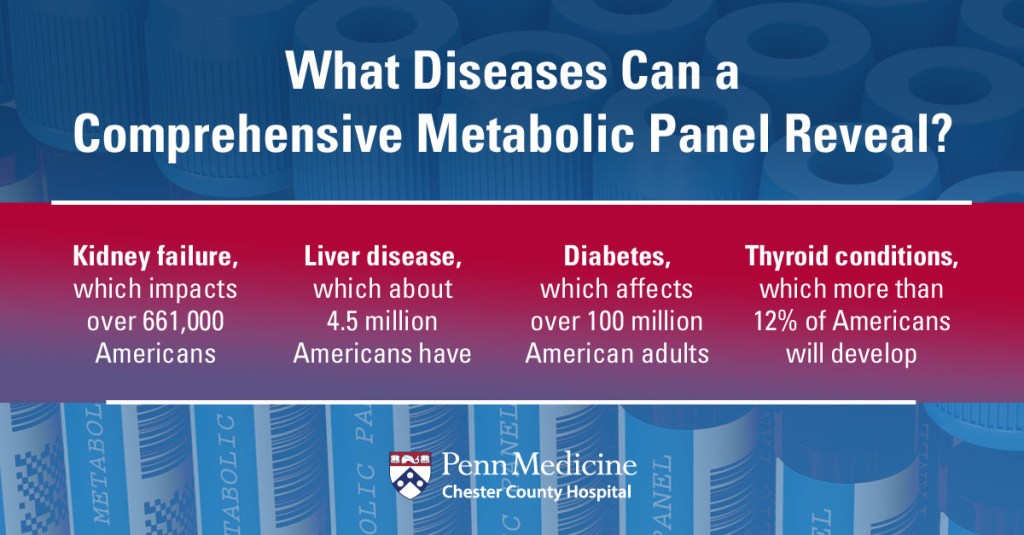
BLOOD TESTS: THE BENEFITS THAT “COMPREHENSIVE METABOLIC PANELS” REVEAL

One of my nurses who was usually in good health developed chronic complaints. She felt tired all the time and had a variety of aches and pains. She has been going through menopause for a long time but this set of problems seem different. Then she broke her arm after sustaining a minor fall. An investigation was in order. I should order some tests, but which ones?

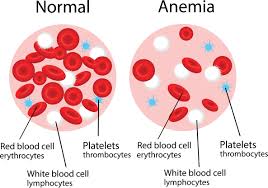
Anemia would explain the fatigue so a CBC was a no brainer. With the surprise fracture, I wanted to cast the net wider, so I ordered a comprehensive metabolic panel.

This is an automated test that was a good value for the amount of information provided, I thought.

Nobody was more surprised than I when the test provided results that were the key to her very rare diagnosis. Her serum CALCIUM was very high, and her alkaline phosphatase was also elevated.

Further evaluation showed her diagnosis to be PRIMARY HYPERPARATHYROIDISM.

Removal of her abnormal parathyroid gland was curative. I have been a big fan of the Comprehensive Metabolic  Panel ever since.

The Panel of 14 tests includes:

  • Glucose – an essential test to check in Diabetes, Seizures and Coma.
  • Sodium, Potassium, Chloride, and CO2 and the associated Anion Gap – can be abnormal in a variety of accidents, and other conditions.
  • BUN and Creatinine – cleared by the kidneys, and become elevated in Renal, or Kidney conditions.
  • Calcium and alkaline phosphatase – reflect bone metabolism, and are sensitive to Vitamin D and parathyroid hormone, as in my nurses case.
  • Albumin and Globulin – important blood proteins. Globulins contain the   important immunoglobulins. A variety of conditions will influence their values.
  • AST (SGOT) and ALT – elevated in liver disease

Type in “Comprehensive Metabolic Panel” in google, and choose from the variety of “hits” to get more information about this “ Sherlock Holmes’ Magnifying Glass” for Physicians.

Medicine would be hard pressed to do without it!

Dr. C.