Tag Archives: Dr. C’s Journal

Dr. C’s Journal: The Rise Of Antimicrobial Resistance

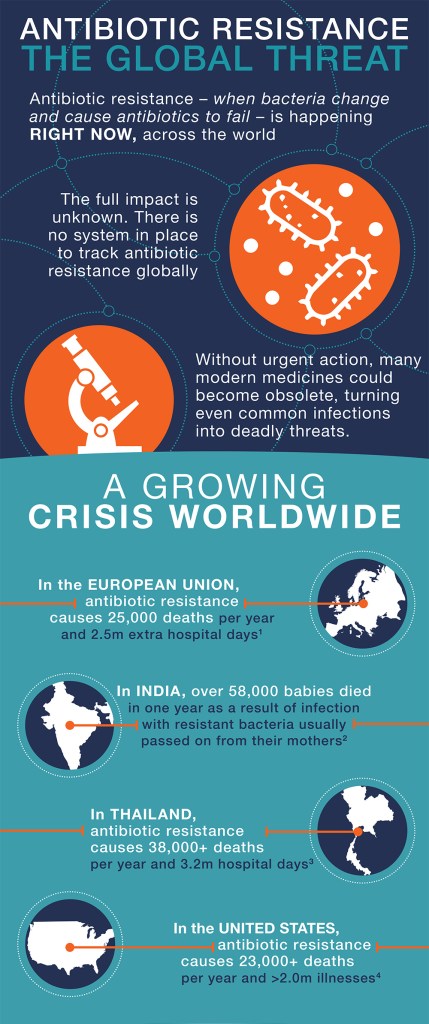
We are immersed in a vast sea of tiny organisms, microbes, most of which are either helpful or neutral. There are a few bad actors that can harm people and are responsible for plagues of the past, such as the black death, cholera and influenza epidemics.

This whole picture changed in the late 30s with the advent of Sulfonamides, and especially Penicillin, the “magic bullet”. I was practicing medicine early in the days when antibiotics eliminated almost all infections.

In fact, at one time infections were thought to be a problem of the past. Unfortunately, overusage, chronic multiple infections, surgically implanted devices, immune suppression for cancer and autoimmune diseases have allowed bacteria, fungi and viruses to evolve resistance mechanisms.

At the present time there are a number of bacteria, such as staphylococci, actino bacteria, enterococci, and candida that are essentially untreatable. Even if they are somewhat treatable, second and third level antibiotics are so toxic that they can cause problems with the kidney, liver, or heart.

In later postings, I plan to consider specific organisms and the situations in which they operate. I will also eventually talk about efforts to create new antibiotics by harvesting genetic material from unusual places, even our oceans.

—Dr. C.

Dr. C’s Journal: Signs & Symptoms Of Prostatitis

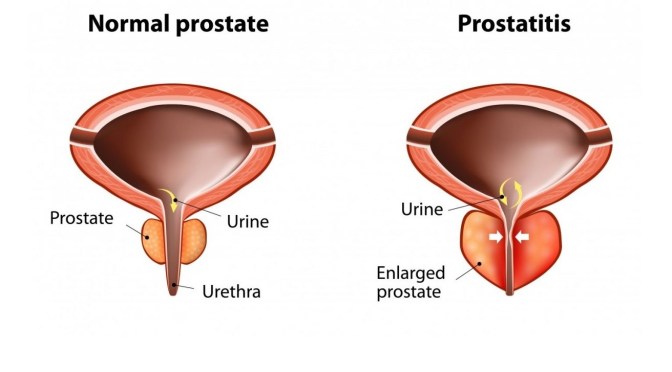
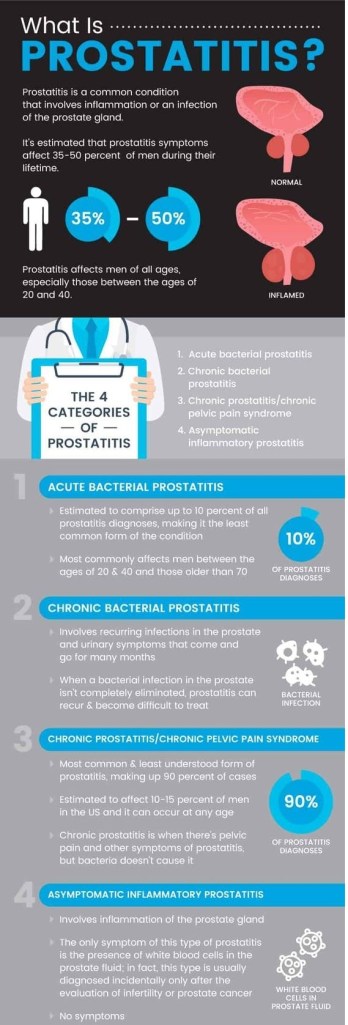
Prostatitis seems to be a catchall diagnosis varying anywhere from clear cut acute bacterial infection of the prostate gland with burning on urination, fever, positive cultures, and response to antibiotics, through recurrent nagging symptoms that can include pain on urination, urine flow obstruction, sexual dysfunction, blood in the urine, and chronic pain syndromes affecting the pelvic region.

Prostatitis constitutes perhaps 10% of urology practice, and is often frustrating to patients and physicians alike.

Symptoms are shared with BPH and prostate cancer, which are more clear-cut entities with standard diagnosis and treatment.

Prostate and bladder stones can give similar symptoms on rare occasions. STDs can be a diagnostic consideration in people with multiple sexual partners, and with international travel, we mustn’t forget parasitic infections.

From the patient’s standpoint, the important thing is to find a good urologist who can sort out the symptoms and find a proper diagnosis and treatment plan.

Please refer to the following Cleveland clinic article for a more orderly discussion.

—Dr. C.

Read more

Dr. C’s Journal: Sexually Transmitted Disease (STDs)

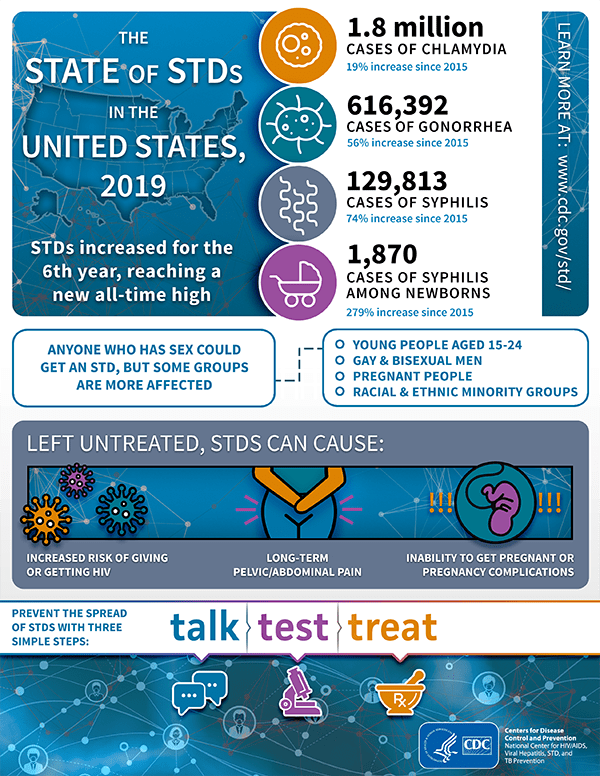
Sexually transmitted diseases are so common they deserve their own acronym, STDs. Down through the ages, Sexual activity with multiple partners has been so popular that the ever-resourceful bacteria, fungi, and viruses all compete for this ever present ecosystem. It is not uncommon to have multiple STDs at the same time.

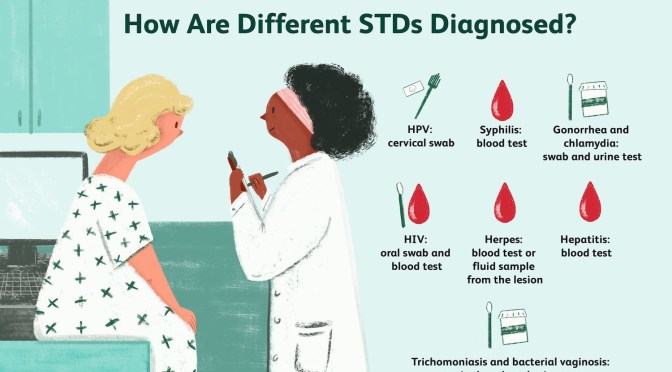
Since STDs have many symptoms and physical findings in common, it is essential to go to the doctor for a diagnosis; certainly the treatments very widely.

Until the mid 20th century, treatments were very unsatisfactory, and the infection of the vagina would often lead to deeper infections of the uterus and abdominal cavity; pelvic inflammatory disease (PID)was fairly common then, and still occurs in people foolish enough to postpone getting their problem treated properly.

The common STDs include bacterial vaginosis, chlamydia, gonorrhea, genital herpes, human papilloma virus infection(HPV), Syphillis  and Trichomoniasis. These are sufficiently different in their symptoms and treatment as to deserve their own discussion among the 101 common disorders. Now we have a new kid on the block, Monkeypox, that is helping out AIDS as a plague to the homosexual community.

I have a dear friend who is a physician for a student health department at a major university. STDs, depression, and other psychiatric problems are among the more common things that she sees in her practice.

—Dr. C.

Cancer Treatments: CAR-T Cell “Smart” Therapy

In war, we are familiar with “smart bombs” that home in on a laser-marked target, or a heat source. The same thing is happening in our battle with cancer. Everybody has had friends or relatives given chemotherapy, which affects all cells, but  cancer cells, since they are dividing more rapidly, suffer the most. However, the entire body is affected with weight loss, hair loss, anemia, leukopenia and other severe symptoms.

The two developments I would like to address here, are smart chemotherapy using ADCs, and smart immunotherapy using CAR-T cells.

In smart chemotherapy, a poisonous package is linked to an antibody which homes in on cancer cells having a specific membrane marker on their surface. For instance, many cancers, not just those of the breast, express HER-2 receptors. Antibodies specific for this receptor are attached to such drugs as doxorubicin, in a therapy called ADC. The coupled pair then home in on the cancer cell and kill it, sparing  the rest of the body most of the exposure to this toxic chemical. This is really a form of immunotherapy, since it uses antibodies.

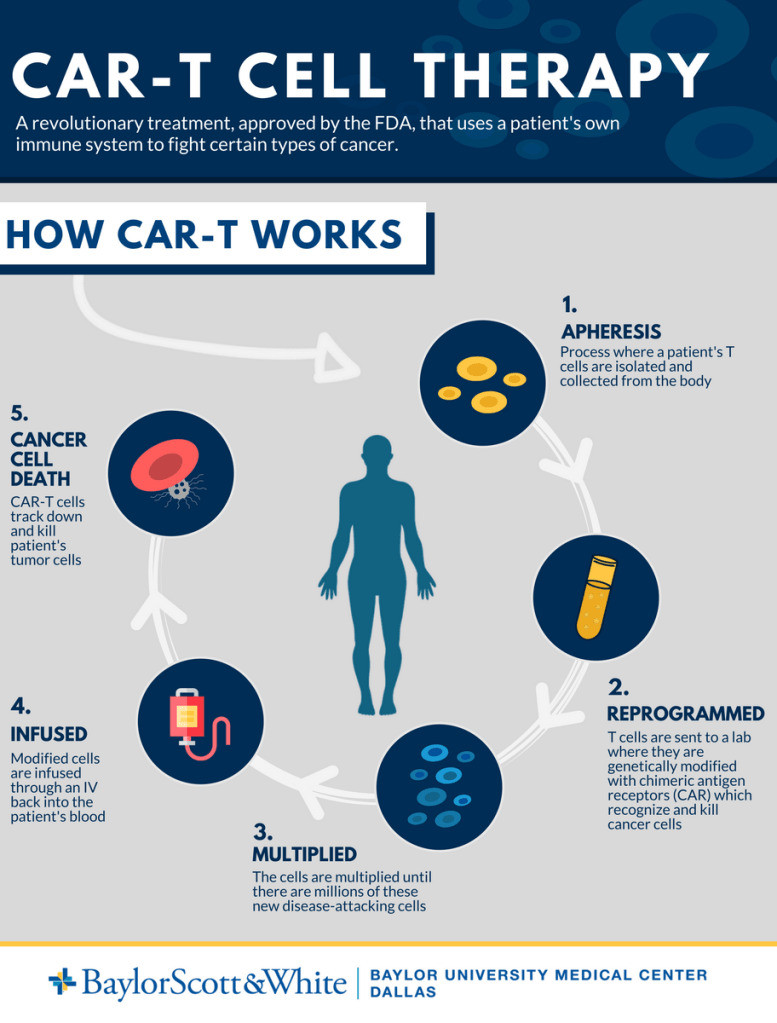
Smart cell therapy with CAR-T cells, uses T lymphocytes which normally have surface ligands that attach to various cells marked for killing. These T-cells have their targets genetically modified, with antibody receptors, to be specific for such things as CD 19 and BCMA on the surface of cancer cells. When infused, the T-cells latch on to the specified cancer cells and punch holes in them. The treatment can have some side effects, but they are usually much less severe than  regular chemotherapy.

CAR-T cell therapy has been very successful for blood cancers like leukemia, Lymphoma, and multiple myeloma. It can produce flu-like symptoms from the recruitment of lymphokines, and occasionally neurologic symptoms. It is currently successful in about a third of the cases, used as a second line therapy, and is very expensive.

It used to be that a cancer was classified according to its anatomic location, e.g. breast cancer, colon cancer, skin cancer. With increased knowledge, it is now becoming more important to know the surface markers of the cancer than the organ of origin.

—Dr. C.

JAMA Oncology Article

Read more

Dr. C’s Journal: Types Of Cancer Screening Tests

There are a number of recommended screening tests for cancer.

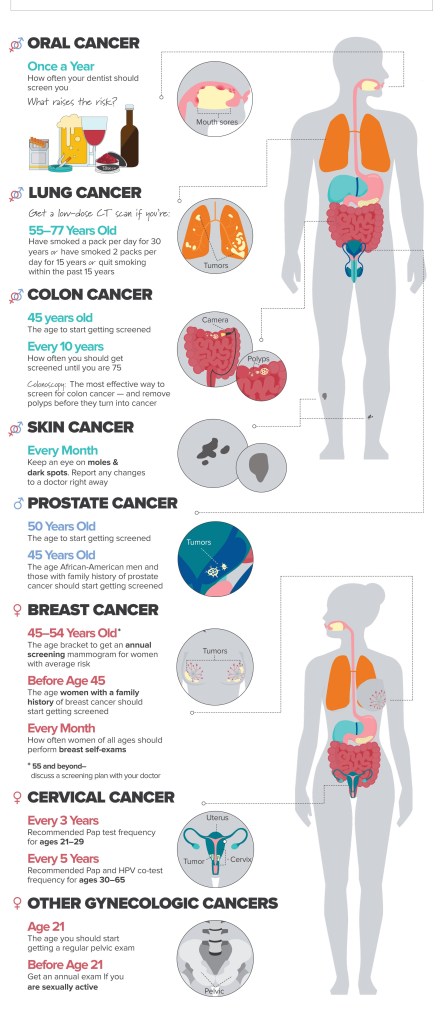
Mammography has been shown quite effective in reducing deaths from breast cancer, it is recommended for women ages 40 to 74.

HPV and PAP tests are recommended for cervical cancer screening in women. Testing should begin at age 21 and end at age 65.

Colonoscopy is recommended for colorectal cancer screening for both men and women ages 45 through 75.

HCT, a type of CT, is recommended for heavy smokers at ages 15 to 80.

Where the risks are high, there are other tests not generally recommended for everybody. Tests are available for liver cancer, prostate cancer, skin cancer, and ovarian cancer where are the risk is high. In women with BRCA1 And BRCA2  mutations, breast MRIs are recommended.

Personally, I get a yearly PSA test, mainly because a good friend, a physician, died within 3 years of prostate cancer when he stopped taking the test.

I also get a skin examination by a dermatologist every six months, because I have a very fair skin, probably caused by the freckle variant of the MC1R gene.

There are a number of symptoms and signs that suggest cancer,  particularly when they don’t go away, such as fatigue, weight loss or gain for no apparent reason; trouble swallowing, nausea, or abdominal pain; swelling or lumps anywhere in the body; cough or hoarseness; unusual bleeding; change in bowel habits; fevers or night sweats; bleeding areas in the mouth. Protracted headaches or vision problems can be worrisome.

In short, any distressing or unusual symptom that doesn’t improve on its own should be watched very carefully, and reported to your doctor; but it is far better to pick them up early with a test or a doctors routine examination than to wait for symptoms to develop.

—Dr. C.

Dr. C’s Journal: Recent Gains In Cancer Care

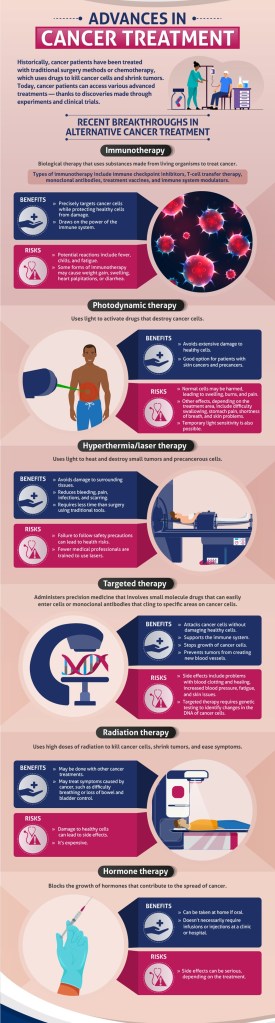
Recent medical advances in the treatment of cancer you have been amazing. Many of these advances have taken advantage of our own immune system‘s and fighting the cancer. If you or a loved one have had the recent diagnosis of cancer, there are several general things that you should know.

MVU MHA 2021 Q4 Infographic_ Advances, Breakthroughs, and Innovations in Cancer Treatment

The amazing technological advances in medicine have a come with a price tag, more than just the astronomical cost.

Preventative medicine it is given little attention in the medical profession these days, it wasn’t that great in the past either. The reason? Doctors don’t get paid to prevent disease; they get paid for treating it, and doctors are merely human beings like the rest of us and have a fondness for making money. Besides, the individual patient never knows whether he would’ve gotten the disease, had he not tried to prevent it. It takes a large number of people in a planned study to discern that.

Sleep, diet and exercise have all been casualties.

If you have established cancer, your tendency will be to give up on any exercise that you have been doing. This is an error. Depression is very common in patients with cancer, and inactivity makes it worse. Exercise is the one of the best things you can do for depression, and it may well  benefit cancer itself. To be sure to ask your doctor directly about this.

Diet is also extremely important. Many Cancers produce substances that kill the appetite. Weight loss in cancer is one of the hallmarks of the disease. It becomes very important to maintain a good diet.

Sleep is also very important. Just a day or two with poor sleep can harm the Immune cells, and with immune system damage, cancer can only worsen.

Drug studies improve medical care. They also deliver care free of charge, except for your time in taking part in the study. The usual Cancer study compares the new drug with established treatment. There is minimal worry that you are going to be getting a sham treatment.

Certain medical centers are known to specialize in certain areas of cancer treatment. For instance, in Southern California, the University of San Diego is known to be a Center that treats pancreatic cancer. The city of Hope in Los Angeles is known to be a center specializing in CAR-T cell treatment, A promising if expensive treatment for pancreatic cancer. 

It is very definitely worth your while to check into the availability of specialized care centers and drug studies in your area.

One of my friends developed melanoma and was told by his doctor to get his affairs in order. This absurd statement was made by a cancer doctor in one of the best hospitals in our area. In checking with an oncologist of my acquaintance, I found that a mere 30 miles away was a center specialized in the treatment of Malignant Melanoma. He went to the center for treatment, and was given a drug called a checkpoint inhibitor. He was virtually asymptomatic in a year. Unfortunately, patients can rarely expect such dramatic results.

In the history of the world, it has never been easier to learn about your disease, in this case cancer, and participate in its treatment. Especially in medicine, the best is none too good; it pays to do your homework, or at least find a medical advocate who will pursue your cause.

—Dr. C.

Dr. C’s Journal: Pain Without Treatable Cause

Pain is useful to survival, and therefore is evolutionarily conserved. There is a very rare syndrome with the congenital inability to experience pain that Is caused by mutations in the SCN9A gene, which codes for a sodium channel (Nav 1.7). Research on this channel has apparently produced some advances in pain medication, but not as much as expected.

Individuals with insensitivity to pain have many accidental injuries which can cause blindness, mutilations of the extremities, and other severe problems. Lack of ability to feel pain is serious handicap.

Pain is generally a useful red flag that warns us to stop the painful activity, or guides us into the doctors office; about half of all medical visits involve pain of some sort.

Considered as a symptom, pain helps guide the physician into the proper diagnosis and treatment. Normally the pain stops when the condition that produced it is corrected. Pain sometimes outlives it’s usefulness, however, and becomes a major problem on his own. The most obvious condition is “phantom limb pain”. Most people who have had an amputation will continue to experience pain in the extremity that is no longer present.

Back pain that has no valid surgical treatment will sometimes drive individuals to surgeons who will operate on them unsuccessfully. A second opinion, preferably by a medical doctor like a neurologist, is always a good idea with back pain without sciatica, numbness, or other localizing symptom to tell the doctor where to operate.

Neuropathic pain is another conundrum. I know of an individual who was bitten on the foot by a dog, and continued to have severe foot pain for many years after the original injury healed.

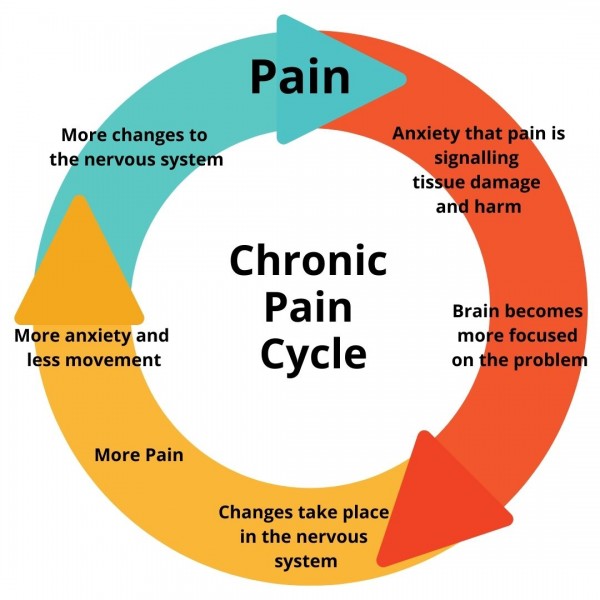
All pain is interpreted in the brain, and continuing circles of central nerve activation is the leading theory of phantom limb and neuropathic pain. Pain is not objectively measurable; there is no meter that you can attach to the patient and find how much pain they are actually having. The doctor must assume that the patient has the pain they are describing, and ask the patient to rate it on a 0 to 10 scale, describe its severity, time course, quality, and any factors that will make it better or worse. Most often this produces an avenue to treatment, but sometimes not.

A few decades ago, busy doctors would label the pain that they could not diagnose as “psychological”, and dismiss the patient to suffer in silence. Much of the pain, however, was very real to the patients, who joined in patient advocacy groups and produced a political backlash which induced doctors to overtreat the pain, often with opioids.

The over-prescribing  doctors, and unscrupulous drug companies led to the flooding of the market with opioid medication, leading to the opioid crisis that is now being addressed. There is difficulty in making scientific progress on an adversary that cannot be measured properly.

Some doctors, usually anesthesiologists, specialize in treating the chronic, severe pain that standard medical practice has been unable to diagnose or alleviate.

They may use nerve blocks, antidepressants and combinations of different pain medication. Judicious propofol has been used also not only for chronic undiagnosed pain, but also depression.

My wife had a pain problem which responded to a combination of two simple medications, motrin and acetaminophen. The suggested overall approach is to get the best medical care available to diagnose the cause of the pain, and ask for a pain management referral if a solution is not found.

More information can be found in the appended Wikipedia article.

—Dr. C.

Read more

DR. C’S JOURNAL: CAUSES & SIGNS OF COLON CANCER

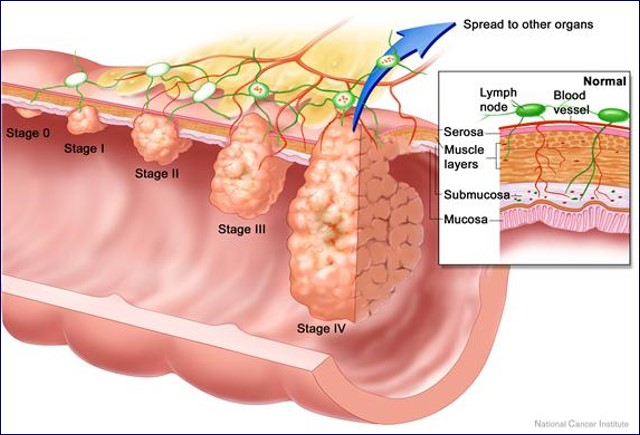
Colon cancer is one of the most common of all cancers, and one of the deadliest. Occurring out of sight in your intestinal tract, it often becomes advanced before it is first detected.

Any bowel symptoms, such as persistent diarrhea, constipation, or abdominal discomfort might be a warning symptom and indicate a trip to the doctor. Blood in the stools, either bright red or black and tarry, must be diagnosed. Unexplained weakness, fatigue, or weight loss might indicate cancer that is too far advanced for simple treatment, and of course requires a trip to the doctor.

The most satisfactory way to pick up the cancer is by a screening test called a colonoscopy. A virtual colonoscopy by x-ray is also used, but it still requires the most uncomfortable part of the procedure, the preparation; The bowel must be washed out in order to properly visualize the cancer, or more likely pre-cancerous polyps or growths.

Due to the increase in frequency of colon cancer in young people, the age at which screening colonoscopy is medically advisable has been lowered from 50 to 45. A tendency to get colon cancer, or more commonly colon polyps, can run in families. These are best discovered by colonoscopy starting at an earlier age.

Increased age, or chronic inflammatory conditions such as ulcerative colitis can predispose to colon cancer.  If you eat a lot of junk food (low fiber diet), or a lot of fat, You may be more susceptible. If you have a sedentary lifestyle, diabetes, smoke  or drink alcohol, you may be more likely to develop this problem.

As usual, preventative measures are the best advice. Eating a lot of fruits, vegetables and whole grains might protect you. Exercising most days of the week and maintaining a healthy weight are good ideas. Limiting your alcohol and stopping smoking is always good advice.

I was a good boy and had colonoscopies every two years for a long time. I would have been happier had there been a blood test to pick up this dreaded disease. There are some simple tests like carcinoembryonic antigen, and a stool test for occult(hidden) blood, but these are not very accurate.

For treatment of colorectal cancer and other more complete information, please check with the following mayo clinic article.

—Dr. C.

Read more

DR. C’S JOURNAL: VITILIGO

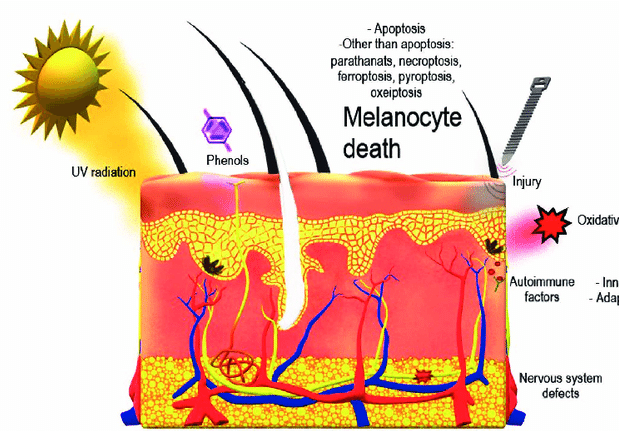
Vitiligo is the loss of skin color in patches. Most often it is widespread. It tends to occur on the hands, or around the mouth, and can start where there are irritations or injuries to the skin, such as with tattoos. This generalized Vitteligo begins in middle age, but a more localized, or segmental Vitelligo can start earlier, and affect one area or side of the body.

Well-tanned skin, and skin with a darker color make the vitiligo stand out more prominently and give more trouble.

When I was a kid, I had a sort of reverse vitiligo, namely freckles. With freckles, the pigment gathers into small spotty areas, and leaves the rest of the skin without sunburn protection. I can attest to the fact that ANY kind of skin difference will lead to social problems; the main suffering  with vitiligo is social.

Vitiligo is considered an autoimmune condition, and carries with it an increased likelihood of other autoimmune conditions, primarily thyroid and other endocrine.

Mimicking vitelligo, skin pigment can also disappear in areas of irritation or surface infection, such as in tinea versacolor and pityriasis alba. There is often a “halo” around a pigmented negus.

There are various treatments which aim to lighten up the surrounding skin area, or Increase pigmentation of the affected area. Such techniques use ultraviolet light, in combination with various various creams and medicines. Even surgery is sometimes used, so great it is the suffering of affected individuals.

Please refer to the accompanying article for more information.

—Dr. C.

Read more

DR. C’S JOUNRAL: STEM CELL TREATMENT UPDATES

The stem cell dream has been present for years, but so far the dream has outpaced reality. Only A handful of stem therapies are actually useful treatments at present.

A Japanese researcher has succeeded in making iSC into eggs, and discovered that you needed supporting ovarian tissues to make the system work in mice.

Some stem cell treatments deemed  successful may have actually been due to dead cells or immunity-stimulating debris causing increased functionality, particularly in the heart.

Interestingly, as stem cells slowly differentiate into heart cells, there is a stage of cardio myocyte that beats on its own. This leads to arrhythmias if there is insufficient differentiation in stem cell treatment. Only later in differentiation does the myocyte stop beating on its own and rely upon a signal to contract, as the adult heart does.

A 3-D model of pluripotent heart stem cells has been seen to self organize. Mostly researchers have focused on building tissue around a scaffold to re-create the heart chambers structure, but a heart organoid, known as a cardioid, has been created by adding six signaling factors.

Stem cells in culture mutate about 840 times faster, creating problems. I have a friend who has his own iSC dopaminergic stem cells injected into his brain,  but the tissue culture media worryingly shows a teratoma, a type of tumor with all three embryonic tissue lines.

Stem cells had previously been classified as naïve or prime. An intermediate stage is now been discovered called  the rosette stage. The developing organism must be sure before it goes ahead.

Whether to make pluripotent stem cells from a persons own tissue, and use it for replacement therapy in that single individual, or to take a cell line that has been vetted, and use it in everybody, accepting the necessity of immunosuppression, is currently being worked out. The Japanese groups are generally going with this latter “allogenic” package and working to match histocompatibility sites.

Parkinson’s treatment is unlikely to be a cure, since the transplanted cells may eventually become diseased themselves. Stem cell treatment can improve symptoms potentially, but can’t alter the course of the disease.

Using fetal cells has proven very problematic, since a given procedure for Parkinson’s may require 4 to 12 fetuses per patient, and you have ethical problems besides.

Spinal cord injury is plagued by inter-species architectural differences, and knowing exactly how severe the injury actually is. Researchers also have to be sure they are not going to make the situation worse.

Chimeras are developing as a research bonanza. The idea is to take a lower species, block the development of a given organ, then inject a higher species stem cells which are more likely to fill the niche if they don’t have domestic competition. Many efforts are directed towards developing human organs in subhuman species. When using primates as the sub species, however, an additional step, blocking the possibility of stem cells becoming neurons is advisable. There’s a lot of ethics in this area.

The pancreas is the area of greatest work at the present time. Keeping an embryo alive in a dish is very important, but difficult. The “14-day rule” is being extended.

The suffix “oid” is getting very popular. We have organoids, spheroids, blastoids, and assembloids. I was a bit surprised to hear how self organizing these tissues are, and also how important are the accessory, helper cells: the ovarian support tissues, the astrocytes in the brain, the pigmented epithelial layer of the eye, the pericytes in blood vessels.

Jeanne Loring is trying to save the white rhinoceros. Just cloning the rhinoceros is not good enough. Some mutations in the germ-lines are needed to make different individuals. This also requires going from Induced stem cell retrograde over to sperm cells; the only two white rhinos still alive or both females.

Currently it requires great technique to take a somatic cell back to induced stem cell. These talented people are called “cell whisperers”.
Mention is made of the Chinese hamster ovaries cells that are commonly used to produce therapeutic proteins. They tend to float in the reactor as single cells. Pluripotent  stem cells are more fragile, and need to grow in aggregates. You must form sheets of the stem cells in order to get them to take  in the eye, for instance, in order to get them to form retinal pigmented  epithelial cells, photo receptors, horizontal cells, bipolar cells, amacrine cells, and ganglion cells. “We transplant 10-20,000 cells per eye. To recover vision you probably need hundreds of thousands of cells. Most people appreciate even a slight improvement in vision, however”.

“ All models are wrong, some are useful“ is the guiding principle of leading edge stem cell Whisperers.

—Dr. C.