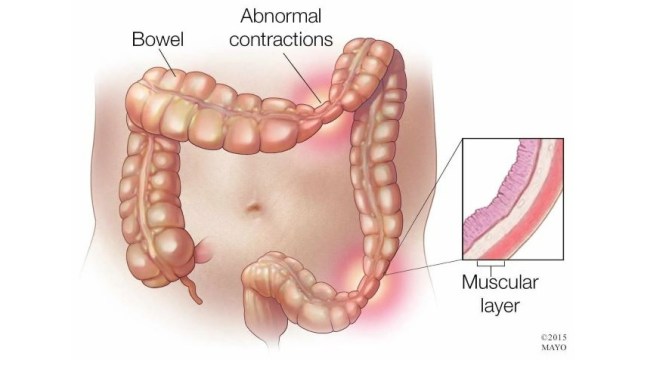
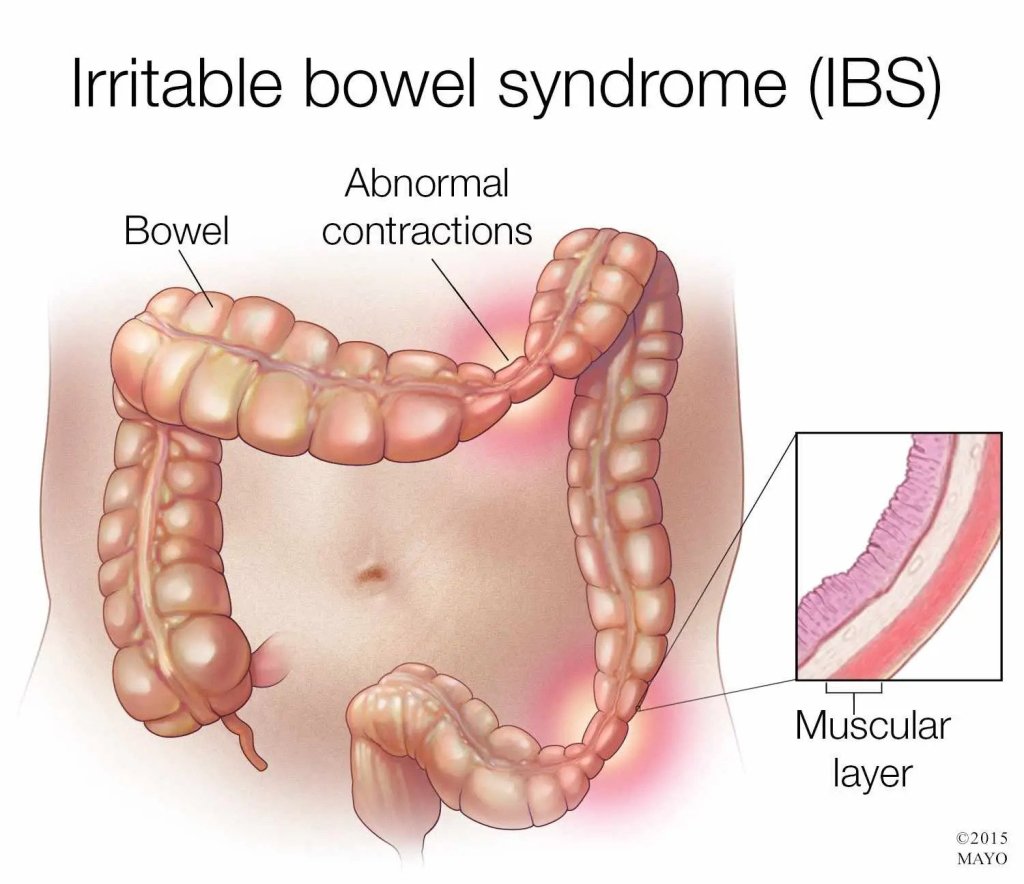
Mayo Clinic (April 27, 2023) – Dr. Brian Lacy says irritable bowel syndrome, or IBS, is a chronic condition that affects the intestinal tract. It can cause painful stomach cramps, diarrhea and constipation.
IBS is now categorized as a disorder of gut-brain interaction, which means that there’s a problem with how the gut and brain communicate with each other. He says stress plays a key role. There’s no cure for IBS, but symptoms can be managed. Try eating smaller, more frequent meals, and exercising regularly. Deep breathing and yoga are also helpful to reduce stress.
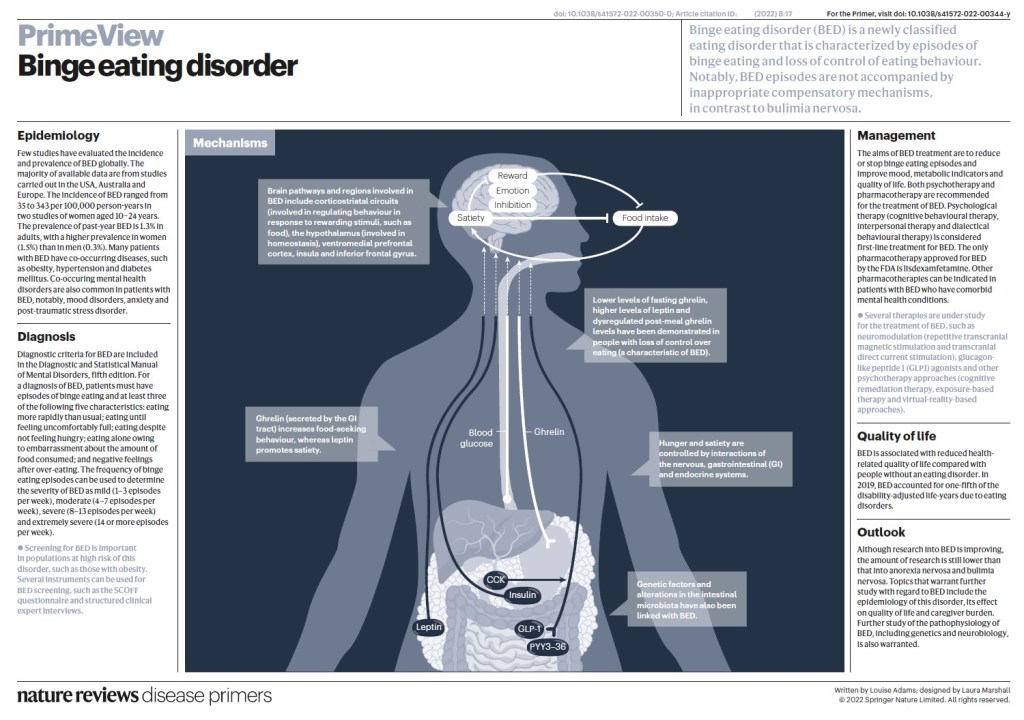
Most people with binge-eating disorder are overweight or obese, but you may be at a normal weight. Behavioral and emotional signs and symptoms of binge-eating disorder include:
Eating unusually large amounts of food in a specific amount of time, such as over a two-hour period
Feeling that your eating behavior is out of control
Eating even when you’re full or not hungry
Eating rapidly during binge episodes
Eating until you’re uncomfortably full
Frequently eating alone or in secret
Feeling depressed, disgusted, ashamed, guilty or upset about your eating
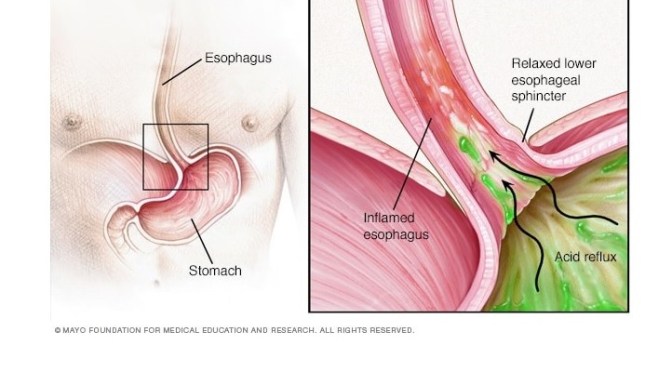
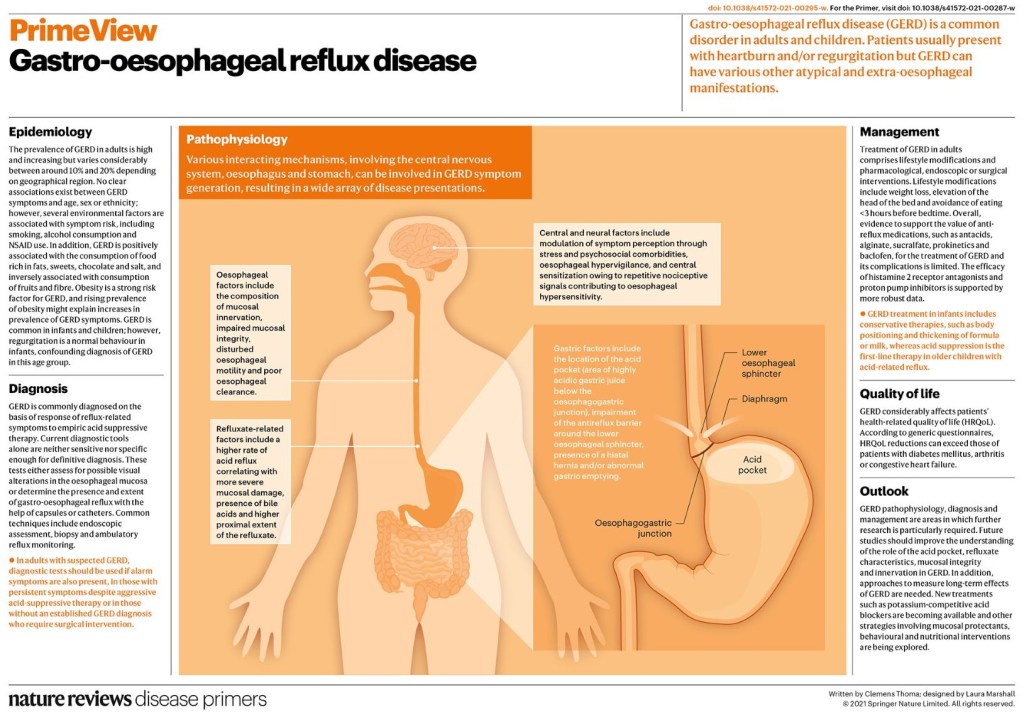
Gastro-oesophageal reflux disease (GERD) is a common disorder in adults and children. The global prevalence of GERD is high and increasing. Non-erosive reflux disease is the most common phenotype of GERD. Heartburn and regurgitation are considered classic symptoms but GERD may present with various atypical and extra-oesophageal manifestations. The pathophysiology of GERD is multifactorial and different mechanisms may result in GERD symptoms, including gastric composition and motility, anti-reflux barrier, refluxate characteristics, clearance mechanisms, mucosal integrity and symptom perception.
In clinical practice, the diagnosis of GERD is commonly established on the basis of response to anti-reflux treatment; however, a more accurate diagnosis requires testing that includes upper gastrointestinal tract endoscopy and reflux monitoring. New techniques and new reflux testing parameters help to better phenotype the condition. In children, the diagnosis of GERD is primarily based on history and physical examination and treatment vary with age.
Treatment in adults includes a combination of lifestyle modifications with pharmacological, endoscopic or surgical intervention. In refractory GERD, optimization of proton-pump inhibitor treatment should be attempted before a series of diagnostic tests to assess the patient’s phenotype.
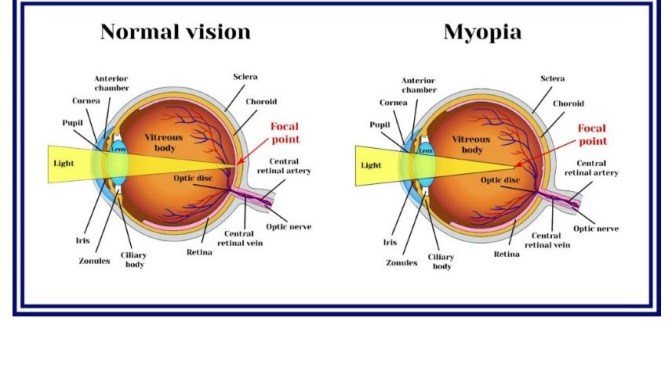
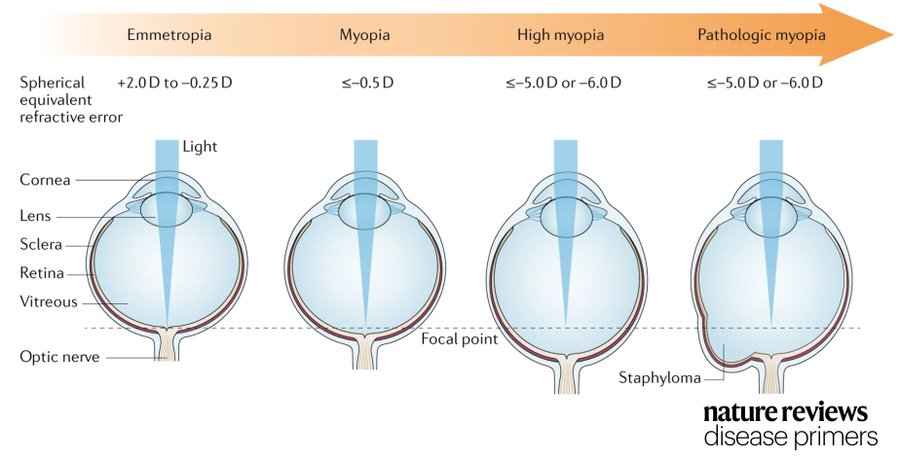
Myopia, also known as short-sightedness or near-sightedness, is a very common condition that typically starts in childhood. Severe forms of myopia (pathologic myopia) are associated with a risk of other associated ophthalmic problems. This disorder affects all populations and is reaching epidemic proportions in East Asia, although there are differences in prevalence between countries.
Myopia is caused by both environmental and genetic risk factors. A range of myopia management and control strategies are available that can treat this condition, but it is clear that understanding the factors involved in delaying myopia onset and slowing its progression will be key to reducing the rapid rise in its global prevalence.
To achieve this goal, improved data collection using wearable technology, in combination with collection and assessment of data on demographic, genetic and environmental risk factors and with artificial intelligence are needed. Improved public health strategies focusing on early detection or prevention combined with additional effective therapeutic interventions to limit myopia progression are also needed.
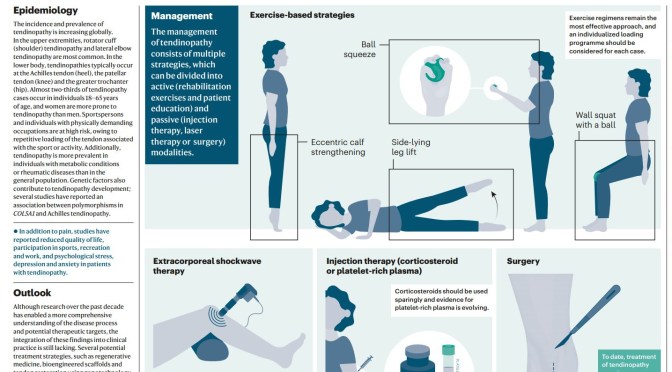
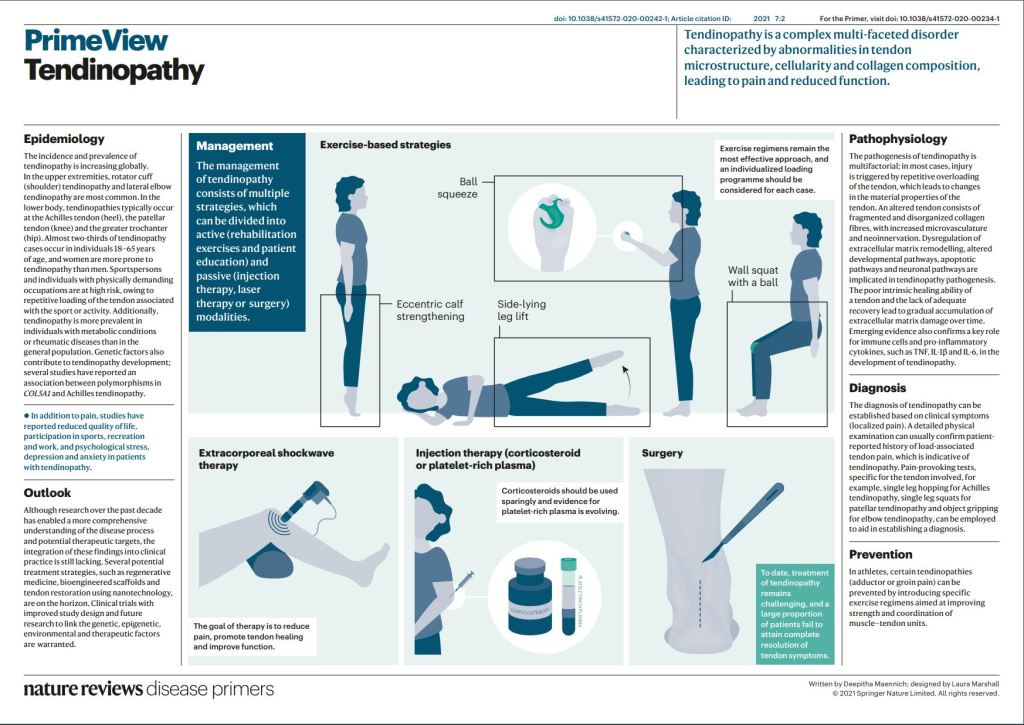
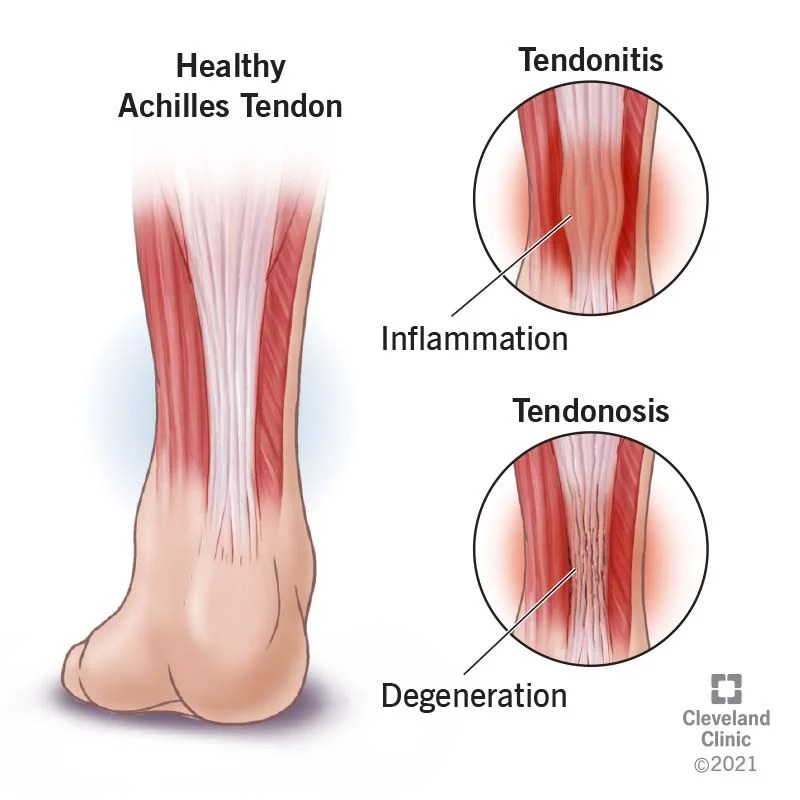
Tendinopathy is the broad term for any tendon condition that causes pain and swelling. Your tendons are rope-like tissues in your body that attach muscle to bone. When your muscles tighten and relax, your tendons and bones move. One example of a tendon is your Achilles tendon, which attaches your calf muscle to your heel bone and causes ankle movement. If you have pain and/or swelling in that area, you might have Achilles tendinopathy.
The pain from tendinopathy can interfere with your daily life. For example, it can keep you from playing sports and from doing housework. So, if you have pain or swelling, make sure to contact your healthcare provider for help.
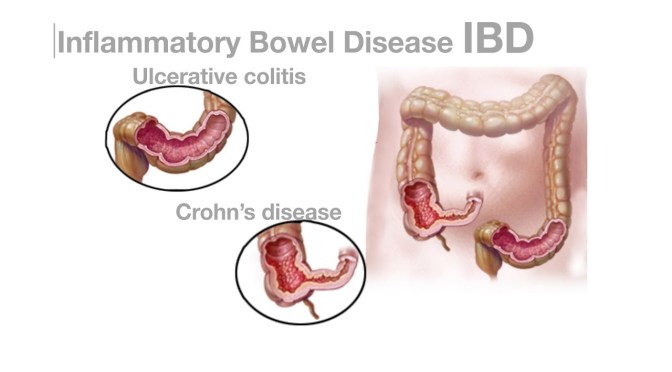
If you or someone you know has been diagnosed with Inflammatory Bowel Disease (IBD), including Crohn’s Disease and Ulcerative Colitis, you may be asking yourself a lot of questions. Our experts are here to help you answer them.
Video Timeline: 0:00 Introduction 0:08 How much will IBD affect my life? 1:03 What causes IBD? 1:58 Can IBD affect my lifespan? 2:19 Does diet affect IBD? 3:01 Is there any cancer risk from having IBD? 3:27 What’s the risk of passing IBD onto my children? 3:52: Are stool transplants real? 4:33 How can I be the best partner to my medical team? 5:11 Ending
Our immune system contains cells that are part of us, and they evolved to protect us. They generally do a good job of this, as witnessed by our survival in a sea of viruses, microbes, and parasites.
However, just like our police force, occasionally the protective function goes awry and damage is done to our own body, in the protective act. For many years I was a practicing allergist, and observed this protective function misfiring. In allergic rhinitis and allergic asthma, tiny harmless particles in the air are interpreted by the body as a threat. The TH2 immune system, initially evolved to fight parasites, is activated, and causes considerable disease and misery.
Some of the antigenic determinants on the surface of the pollen, animal dander or dust particles are interpreted as being dangerous by the immune system, which causes chronic inflammation with acute allergy attacks.
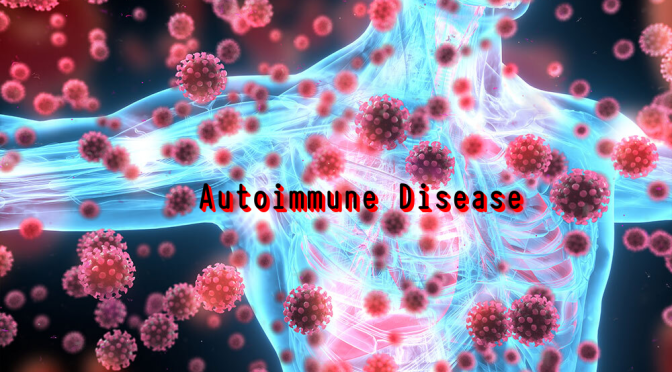
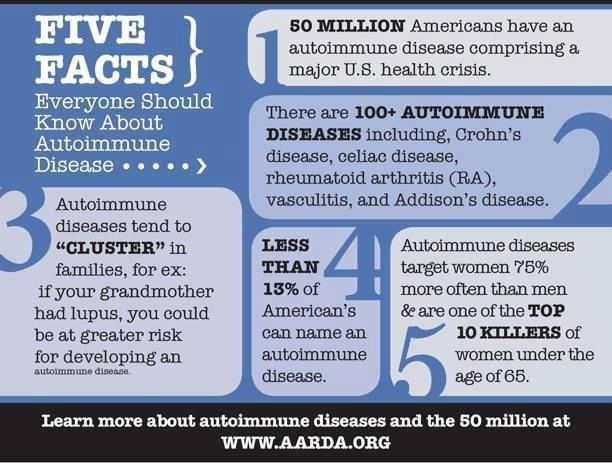
Autoimmunity is a similar misreading, in which our own cells are deemed dangerous. In this case the immune agency is the more powerful Th-1 system, which often causes crippling or even fatal results.
Millions of people are sickened by an immune system that is supposed to defend them.
An article in the September 2021 issue of the Scientific American lists 76 of these disorders, and classifies them as to frequency, patient gender and age of onset. It is worth reviewing, at least for the listing on page 32 and 33.
Auto immunity must be considered as a possible cause in any illness that is not easily diagnosed, common, and well known to your doctor. Many patients have to be their own advocates, and persist in trying to get themselves diagnosed.
Celiac disease, Lupus, and Addison’s disease come to mind as tricky customers. Although “autoimmune disease” in toto is common, many of the individual diseases occur in less than one in 1000 patients, and are not high on the diagnostic list of most doctors.
The skin, nervous system, endocrine system, and digestive system are the most common areas involved. Recent advances in blood and antibody testing offers to give needed diagnostic help to the medical profession. These illnesses must be detected early to avoid functional loss in the tissues and organs affected.
Treatments are improving. In the past, immune suppressing cancer drugs and cortisone were the main drugs available. With increasing knowledge of the mechanisms of the separate diseases, treatment can be directed towards the specific causative antibody, receptor, or interleukin involved, hopefully with less side effects than the shotgun drugs previously available.
As with medicine in general, these modern treatments are excessively expensive as a rule, because much money and research went into their development. Prevention is obviously preferable. A healthy diet, with its attendant healthy microbiome comes to mind, as well as the avoidance of cigarette smoking and environmental toxins.
Proper sleep, exercise, and stress relief should also be helpful.
PTSD, post traumatic stress disorder, has been increasingly recognized by the medical community, and was admitted to the status of a psychiatric disorder in 1980. It was first recognized as “shell shock” in combat soldiers.
The movie, “Patton”, featured one such case; abusive behavior of a soldier by Patton hit the newspapers, and he was sidelined for the start of “ operation overlord“. Since the majority of soldiers were not incapacitated , Patton thought the soldier was cowardly.
As an allergist, I was sent one case of PTSD; Believe it or not, the referring physician thought it might be an “allergy”, so little was it understood.
Now, memory consolidation is considered to be one of its dimensions. An incompletely consolidated memory allows flashbacks to be considered the real thing.
PTSD is partly under genetic control, since identical twins are more more likely to experience the condition. Anxiety and other psychiatric problems such as depression and substance abuse can be associated. Women are more likely to experience it. Individuals with low cortisol, elevated norepinephrine or a small amygdala or more likely to develop PTSD. Even children can be involved if they have been abused physically.
Any kind of a frightening experience, especially sexual, can be a cause. Symptoms can include recurrent distressing memories, flashbacks, or nightmares of the traumatic event, or emotional distress and anxiety on exposure to a similar experience.
Treatment can include medication for depression, but benzodiazepines should be avoided. Cognitive behavioral therapy has enjoyed some success, but treatment is generally difficult. Please consult the attached Cleveland clinic article for more information.




 Doctors Without Waiting Rooms