
Tag Archives: Cleveland Clinic

Eye Health: ‘Cheater’ Glasses Vs Prescription

If you can go the over-the-counter route, here are some tips.

  • Find the right power. Reading glasses will have signs or stickers noting their power. In most cases, they range from +1 to +4 diopter, in increments of +.25. Look for what matches your prescription. If you don’t have a prescription, try the lowest power (+1) first.
  • Test-drive the glasses. If you’ve brought reading material with you, try reading it at a comfortable length. (Many eyeglass displays have an eye chart, too, to test the glasses.) Try different powers until you can read clearly at a distance that’s most comfortable for you.
  • Go big the first time. While there are many styles and colors to choose from, you may want to start your reading glass journey with a bigger pair of specs. Larger lenses offer more of a “sweet spot” where the prescription is. It’s easier to use a smaller lens once you get used to wearing glasses.

Eye ‘Floaters’: Posterior Vitreous Detachment

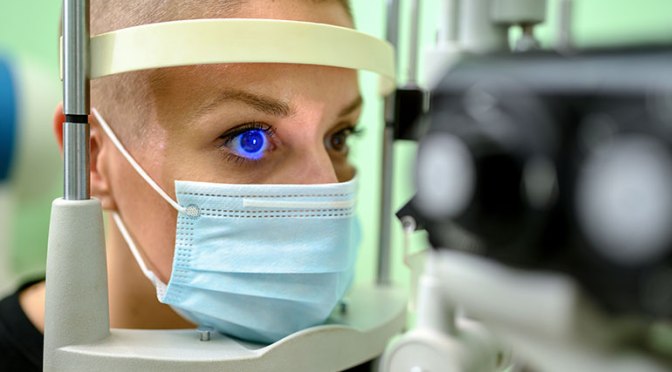
This eye condition usually won’t threaten your vision or require treatment. But it can sometimes signal a more serious, sight-threatening problem. So it’s best to be checked by an ophthalmologist (a specialist who treats eyes) right away.

How can you tell that your vitreous may have detached? By a sudden increase in floaters — those small, typically harmless shapes that drift across your field of vision as you move your eyes.

“Vitreous detachments are pretty common,” says professor of ophthalmology at Cleveland Clinic Lerner College of Medicine Rishi P. Singh, MD. “When you see these new floaters, it’s best to have them evaluated and, specifically, to have a dilated eye examination performed by an ophthalmologist.”

Diagnosis: Warning Signs Of Pancreatic Cancer

Pancreatic cancer accounts for about 3% of all cancers in the United States and about 7% of all cancer deaths. Because it’s hard to detect early, it’s important to recognize any symptoms that occur. Find out what to look for and when you should talk to your provider with this helpful video from Cleveland Clinic.

Chapters: 0:00 Intro 0:28 What is pancreatic cancer? 0:58 What are the warning signs of pancreatic cancer? 2:46 When to talk with your healthcare provider about symptoms of pancreatic cancer

Read more

Skin Cancer: The 3 Main Types (Cleveland Clinic)

Skin cancer is the most common form of cancer in the United States. The good news is, this disease is extremely treatable if caught early. Cleveland Clinic experts break down the 3 main types of skin cancer and how you can spot the signs of each.

Chapters: 0:00 Intro 0:24 What does skin cancer look like? 0:49 What are the signs of skin cancer? 0:59 What are the types of skin cancer? 1:06 What is basal cell carcinoma? 1:35 What is squamous cell carcinoma? 1:52 What is melanoma? 2:26 When should you talk to your doctor about skin cancer?

Women’s Health: How To Treat Yeast Infections

Vaginal yeast infections are very common, happening to over 1 million women in the United States each year. A type of vaginitis, a vaginal yeast infection is caused by a specific type of yeast called candida. You always have yeast in your body, but when it grows rapidly, you can get an infection.

Video timeline: 0:00 Intro 0:09 Get a prescription from your doctor 0:32 Try an over-the-counter anti-fungal cream 1:03 Does yogurt treat a yeast infection? 1:30 Does vinegar treat a yeast infection? 2:03 Should you try home remedies to treat yeast infections?

Read more

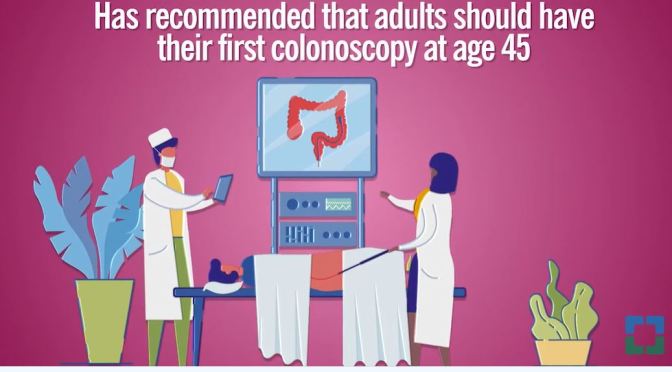
Cancer: What Age Should You Get A Colonoscopy?

According to the American Cancer Society, colorectal cancer is the third most common cancer diagnosed in both men and women in the United States. While diagnoses are decreasing in people over the age of 50, there’s been an increase for those who are younger.

For more information on why you should get a colonoscopy and how to schedule yours today, please visit https://cle.clinic/3oqWdy6