Cleveland Clinic – If you have insulin resistance, your body doesn’t respond to insulin like it should. Insulin, a hormone made by your pancreas, regulates your blood glucose levels.
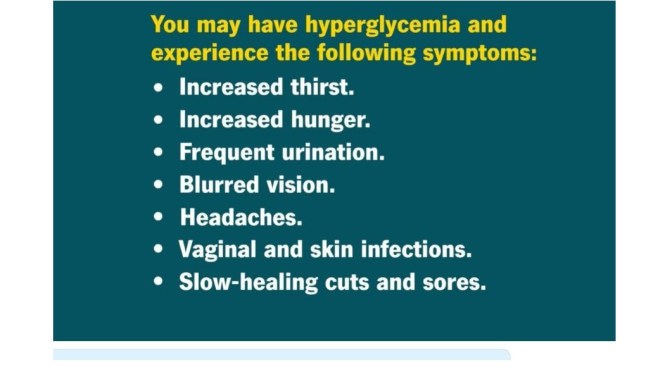
And if your blood glucose (or blood sugar) levels become too high, it can lead to hyperglycemia or even prediabetes and Type 2 diabetes.
Chapters: 0:00 What is insulin? 0:28 What is insulin resistance? 0:55 What are risk factors of insulin resistance? 2:06 Symptoms of hyperglycemia 2:30 Can insulin resistance be treated?
Tuberculosis is an ancient killer, and is one of the few diseases that has been traced back to Ancient Egypt and beyond. TB has ravaged humanity for millennia, and was commonly called consumption due to its tendency to produce weight loss.
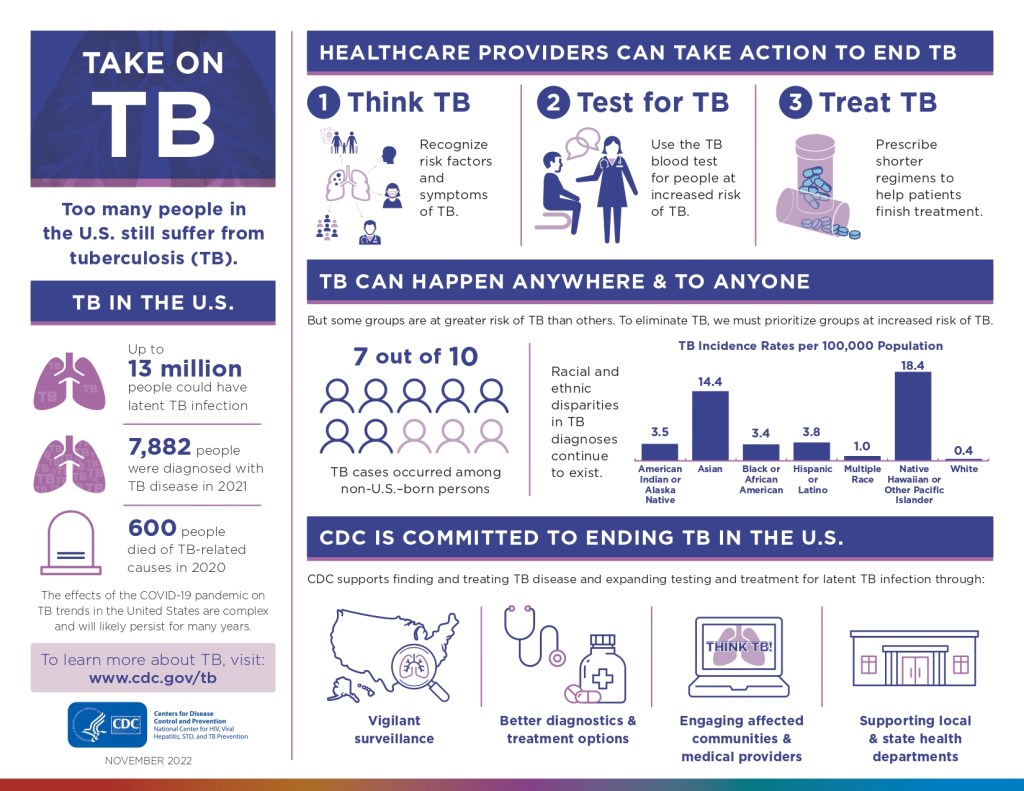
Once thought to be under control, TB has received a new lease on life with the emergence of AIDS. All countries except North America, western Europe, and Australia have a problem with tuberculosis, which kills more than 1 million people each year.
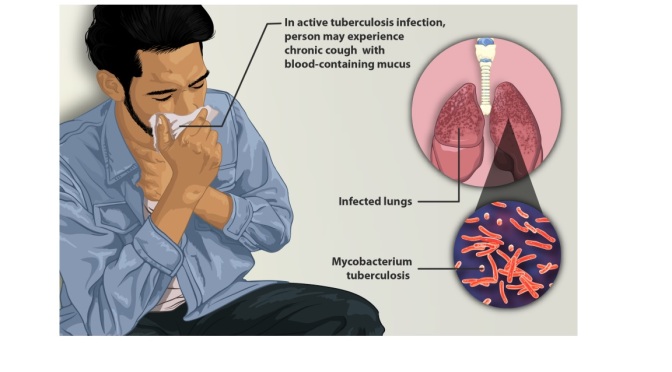
The tuberculosis germ is unusual in that It has a cell wall high in the lipid, mycolic acid. This protects the germ when it is engulfed by first responders such as macrophages. The infected cell Is surrounded by other macrophages, lymphocytes and Fibroblasts to form a granuloma. This creates a standoff, where the tuberculosis germ is still alive, but walled off, and becomes an inactive or “latent” case of tuberculosis, a small percentage of which become active each year.
Active tuberculosis produces the usual infectious symptoms of fever, chills, and cough, often productive with blood. The tuberculosis germ multipliesu much more slowly than most other bacteria and the symptoms are long and drawn out; a cough lasting for more than a month, especially if accompanied by weight loss, should raise the suspicion of TB.
TB can spread to infect bones, kidneys, liver, and brain, but prefers the lung.
A spot on the Lung, confirmed by a Tuberculin test, or a blood test called a T-spot, will confirm the diagnosis.
The slow multipication of the tuberculosis Germ requires much longer treatment, and the combination with AIDS has caused a rapid development of resistant organisms. Fortunately, there are several drugs available.
Only one immunization is currently available, namely BCG. This has been used a lot in Europe and other countries . BCG produces a weekly positive tuberculin test.
A large number of conditions which reduce immunity, such as cigarette smoking, drug use, and immunosuppressive treatments associated with organ transplants and cancer will predispose a person to catching tuberculosis. TV is transmitted in the tiny droplets from sneezing, coughing, or talking such as we were accustomed to thinking about during Covid. The same preventative measures, such as masks and avoiding close contact with infected individuals should be practiced to prevent spread from an infected person.
If you follow a healthy lifestyle and are careful when traveling, you will most likely have no trouble with this nasty infection. Please check with the following reference or more complete information.
“C. diff is a severe, difficult-to-treat infection,” says family medicine specialist Daniel Allan, MD.
“Studies show that you’re seven to 10 times more likely to get C. diff while you’re taking antibiotics or right after.”
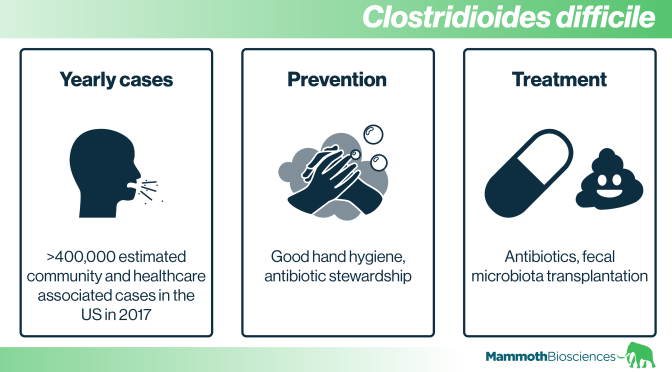
Cleveland Clinic – Clostridioides difficile (C. diff) is a type of harmful bacteria that causes inflammation in your large intestine (also known as pseudomembranous colitis). The main symptom of a C. diff infection is frequent, watery and sometimes bloody diarrhea. If diarrhea persists, it can lead to:
C. diff is common in the environment. Some people even carry C. diff in their gut but don’t have any signs of illness. Most of the time, the “good” bacteria in your gut prevent a C. diff infection. But certain antibiotics can wipe out your gut bacteria. If you encounter C. diff while taking antibiotics, the bacteria can flourish and grow and make you sick.
“Think about your colon as a plush green lawn. The thick grass crowds out the weeds,” illustrates Dr. Allan. “But if your yard is mostly dirt, all kinds of weeds will grow. Antibiotics reduce the rich collection of bacteria in your gut (the thick grass). This gives C. diff (the weeds) an opportunity to take hold.”
C. diff is most dangerous for people age 65 or older or with a weakened immune system. People who are healthy can also develop life-threatening complications if they don’t receive prompt care.
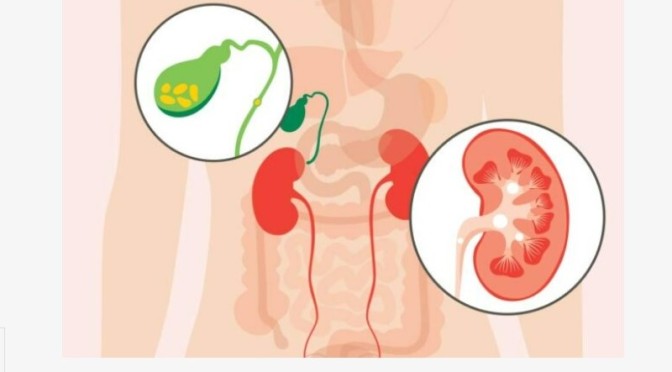
Gallstones (gallbladder stones) develop in your digestive tract and can be as small as a grain of sand or as large as a golf ball. Gallstones can cause a blockage in your gallbladder or bile ducts. A diet high in fat or cholesterol can contribute to the development of gallstones.
CLEVELAND CLINIC
Kidney stones develop in your urinary tract and can be as small as a grain of sand but can grow to several inches in diameter. Kidney stones move through your urinary tract into your ureter and block the flow of urine. A diet high in sodium, oxalates or animal protein can contribute to the development of kidney stones. An insufficient intake of fluids or calcium can also lead to the formation of kidney stones.
Symptoms of gallstones
If you have gallstones, you may experience the following symptoms:
Abdominal pain.
Back pain.
Chest pain.
Nausea and vomiting.
Fever and chills.
Jaundice.
Dark-colored urine.
Where does it hurt?
Gallstones cause pain in your mid-upper abdomen that may radiate to your back or under your right shoulder.
Symptoms of kidney stones
If you have kidney stones, you may experience the following symptoms:
Severe back pain that may travel down to your groin.
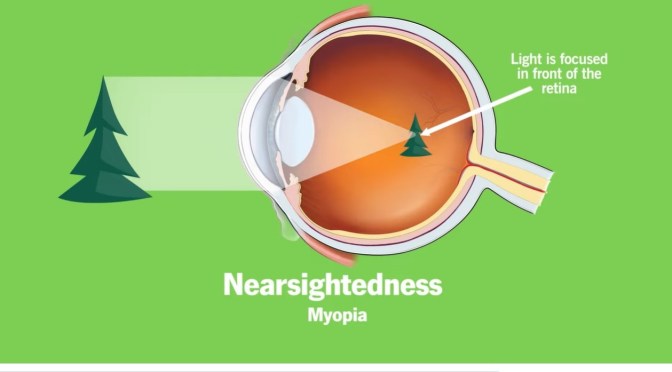
Cleveland Clinic – Nearly 1 out of 3 people have a vision disorder called myopia, or nearsightedness, which makes it difficult to view things in the distance. How does it happen? And is there a cure?
Chapters: 0:00 Intro 0:32 What causes nearsightedness? 1:01 Why can’t you see far? 1:20 When does nearsightedness usually begin? 1:42 What are symptoms of nearsightedness? 1:59 Can nearsightedness be corrected? 2:23 Is there a cure for nearsightedness?
“Melatonin is a hormone that is naturally made by your brain in response to darkness,” says sleep specialist Marri Horvat, MD. “When someone takes melatonin, they are either trying to increase the amount of this hormone overall or increase the amount they have in their body at a certain time to help them fall asleep.”
While there are some possible setbacks to taking melatonin (depending on how your body reacts), it isn’t addictive. Turns out, even if you depend on melatonin to make you fall asleep, it won’t cause your body to become dependent on it.
“As we age, we have a natural decrease in the amount of melatonin we produce, so supplementation can often be helpful,” Dr. Horvat explains.
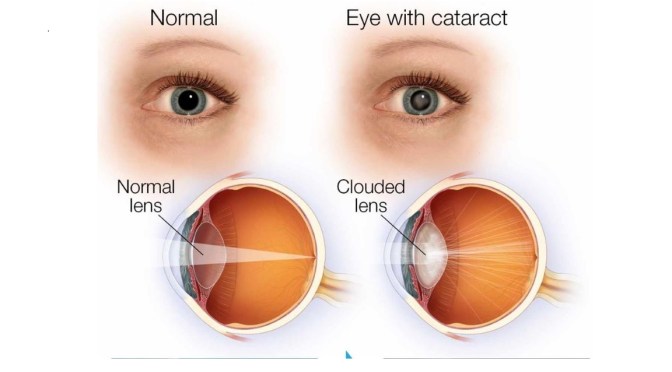
Cataracts in the eye lens are a later-in-life reality that leads to vision problems for many people. This video shares describes what cataracts are, how they form, and warning signs to help you detect them early.
Chapters: 0:00 Intro 0:10 What are cataracts? 0:43 What are the warning signs of cataracts? 2:44 How are cataracts diagnosed? 3:04 Talk to your eye doctor
If you have endometriosis, you’re all too familiar with the heavy periods, pain and nausea it can cause. Eating these foods might help control the pain and make all the difference.
Chapters: 0:00 Introduction 0:10 What is endometriosis? 0:45 Eating the right foods can help the body fight inflammation 1:01 Fiber rich foods 1:41 Omega-3 fats 2:10 Monounsaturated fats 2:30 Magnesium and zinc 3:25
It’s always important to eat good, healthy food Resources: The Best and Worst Foods for an Anti-Inflammatory Endometriosis Diet – https://cle.clinic/3VeYzyG
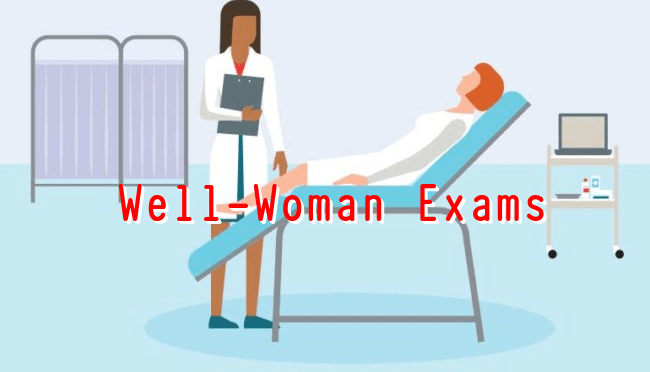
For women and people assigned female at birth (AFAB), taking care of your health requires more than an annual physical. You should also visit a women’s health specialist — like an Ob/Gyn, midwife or nurse practitioner — each year to keep healthy. More than just a checkup for your breasts/chest and reproductive organs; well-woman exams can also help you develop rapport with a women’s health specialist.
“Well-women exams are important for a number of reasons. No. 1 is that they help you to establish care with a specialist so that if there is a problem down the road, you have a provider that you know and feel comfortable talking to,” says Ob/Gyn Amanda Elbin, MD.
That comfort level is important, too, especially because many of us may not feel comfortable talking with just anyone about issues “down there.”
A women’s lifetime risk of developing breast cancer is one in eight. Research has shown that the earlier you detect breast cancer the more options there are for treatment and a better chance for a cure.
What is a mammogram?
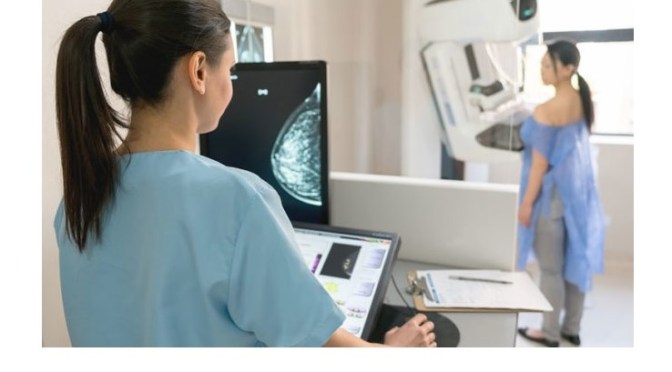
A mammogram is a low-dose X-ray of breast tissue. Healthcare providers use mammograms, or mammography, to look for early signs of breast cancer before symptoms develop. This is called a screening mammogram. Providers also use mammography to look for any abnormalities if you develop a new symptom, such as a lump, pain, nipple discharge or breast skin changes. This is called a diagnostic mammogram.
Aside from skin cancer, breast cancer is the most common cancer that affects people assigned female at birth and represents 14% of all new cancer diagnoses in the United States. While breast cancer treatment therapies continue to improve and have contributed to a reduction in cancer-related deaths, early diagnosis through screening mammograms has a greater overall impact on survival rates.




 Doctors Without Waiting Rooms