Tag Archives: Cancer

CANCERS: DIAGNOSING CARCINOID TUMORS

Cancer is a huge problem, since it is actually a collection of a lot of different diseases in different places, resulting from mutation of the genes and invasiveness as the common characteristic. All cancers are different.

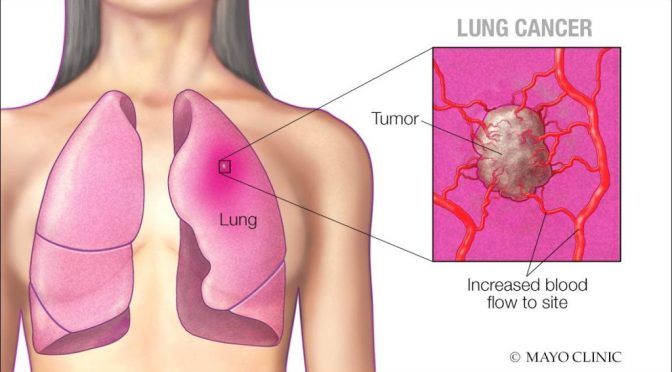
Carcinoid tumor is a good illustration. These are so called neutoendocrine tumors. They are slow growing, and are usually not detected until they are quite advanced. They can be located in different organs such as the gastrointestinal tract and the lung.
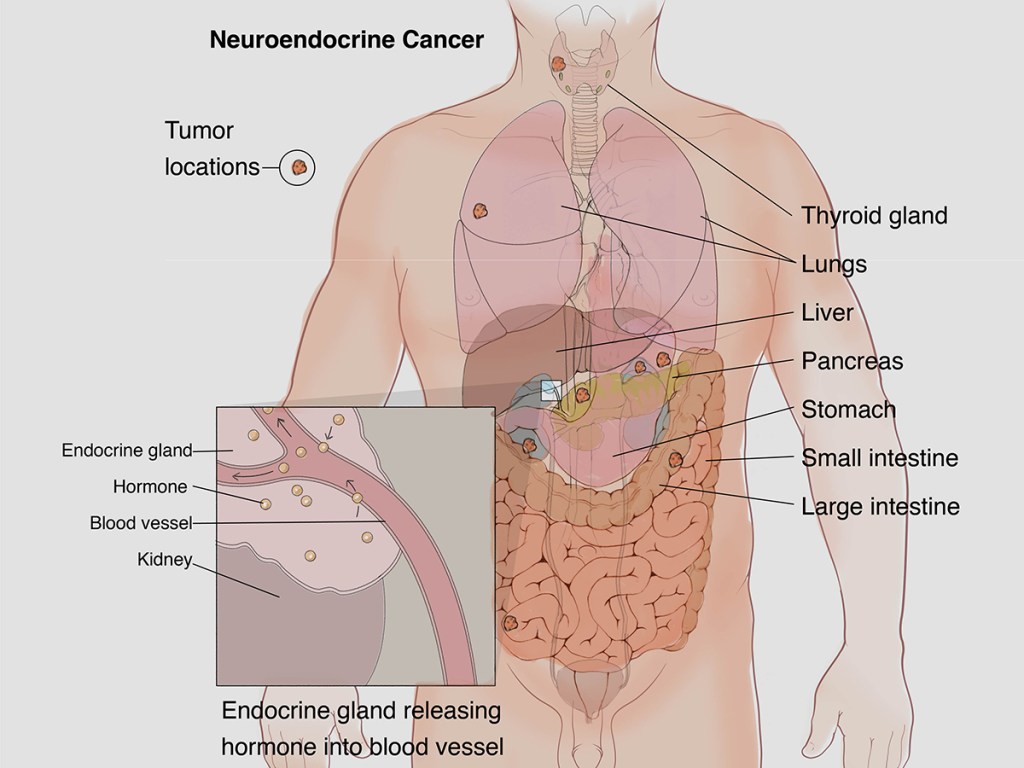
In their vicinity they produce symptoms characteristic of the area; trouble swallowing, nausea, vomiting, constipation and abdominal pain for gastrointestinal carcinoid, and cough, wheezing, shortness of breath and chest pain for those located in the lung.

Many advanced cancers can produce weight loss, muscle pain and fatigue In addition to symptoms characteristic of their location. The special characteristic of carcinoid tumors is that they may secrete substances that produce diverse symptoms such as  flushing of the skin, sudden diarrhea and vomiting and, strangest of all, heart valve leakages.

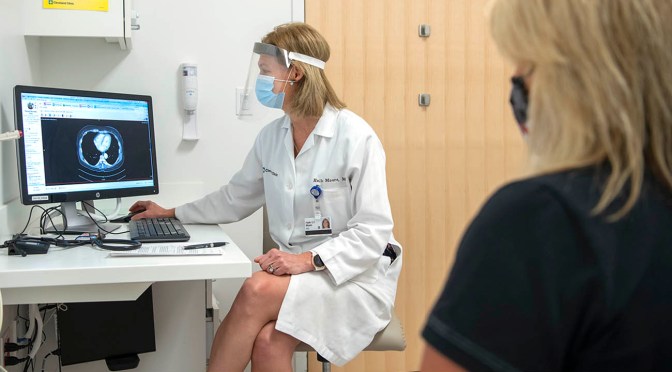
Diagnosis of carcinoid tumors is often made by checking for serotonin or chromogranin-A in the blood, and 5-Hydroxy indolacetic acid ( 5-HIAA) in the urine, and locating the tumor with Imaging such as CT and MRI.

It is usually treated best for surgery, but cell surface somatostatin can be targeted for hormone therapy, and targeted radiotherapy with PRRT. It is very much to the advantage of the patient if she has a tumor with specific hormone or other marker that can be targeted for treatment, such as a breast cancer with estrogen receptors that can be targeted by tamoxifen.

Please check the accompanying mayo clinic article for more information.
—Dr. C.

Read more

DR. C’S JOURNAL: CAUSES & SIGNS OF COLON CANCER

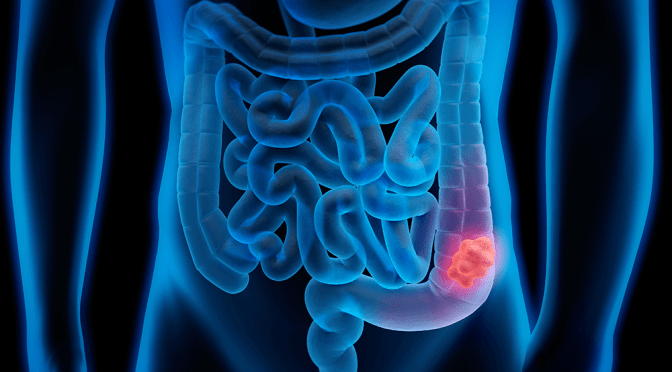
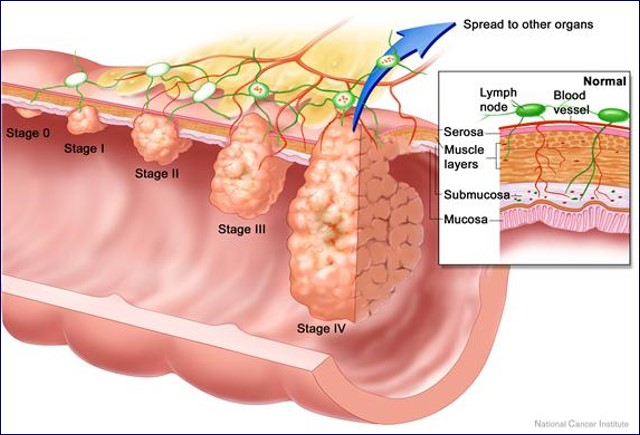
Colon cancer is one of the most common of all cancers, and one of the deadliest. Occurring out of sight in your intestinal tract, it often becomes advanced before it is first detected.

Any bowel symptoms, such as persistent diarrhea, constipation, or abdominal discomfort might be a warning symptom and indicate a trip to the doctor. Blood in the stools, either bright red or black and tarry, must be diagnosed. Unexplained weakness, fatigue, or weight loss might indicate cancer that is too far advanced for simple treatment, and of course requires a trip to the doctor.

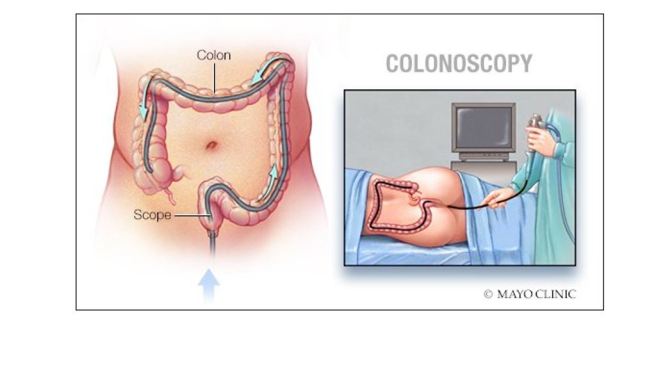
The most satisfactory way to pick up the cancer is by a screening test called a colonoscopy. A virtual colonoscopy by x-ray is also used, but it still requires the most uncomfortable part of the procedure, the preparation; The bowel must be washed out in order to properly visualize the cancer, or more likely pre-cancerous polyps or growths.

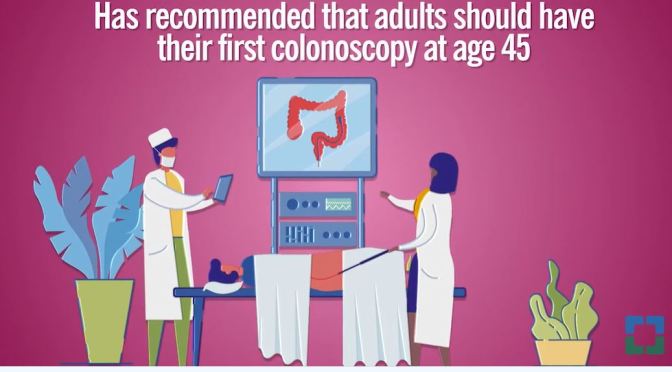
Due to the increase in frequency of colon cancer in young people, the age at which screening colonoscopy is medically advisable has been lowered from 50 to 45. A tendency to get colon cancer, or more commonly colon polyps, can run in families. These are best discovered by colonoscopy starting at an earlier age.

Increased age, or chronic inflammatory conditions such as ulcerative colitis can predispose to colon cancer.  If you eat a lot of junk food (low fiber diet), or a lot of fat, You may be more susceptible. If you have a sedentary lifestyle, diabetes, smoke  or drink alcohol, you may be more likely to develop this problem.

As usual, preventative measures are the best advice. Eating a lot of fruits, vegetables and whole grains might protect you. Exercising most days of the week and maintaining a healthy weight are good ideas. Limiting your alcohol and stopping smoking is always good advice.

I was a good boy and had colonoscopies every two years for a long time. I would have been happier had there been a blood test to pick up this dreaded disease. There are some simple tests like carcinoembryonic antigen, and a stool test for occult(hidden) blood, but these are not very accurate.

For treatment of colorectal cancer and other more complete information, please check with the following mayo clinic article.

—Dr. C.

Read more

Cancer: What Age Should You Get A Colonoscopy?

According to the American Cancer Society, colorectal cancer is the third most common cancer diagnosed in both men and women in the United States. While diagnoses are decreasing in people over the age of 50, there’s been an increase for those who are younger.

For more information on why you should get a colonoscopy and how to schedule yours today, please visit https://cle.clinic/3oqWdy6

Cancer: The Mayo Clinic Explains Lymphoma (Video)

Learning about lymphoma can be intimidating. Let our experts walk you through the facts, the questions, and the answers to help you better understand this condition.

Video timeline: 0:24 What is Lymphoma?  1:20 Types of Lymphoma 2:04 Who gets Lymphoma? 2:48 Risk factors 3:30 Symptoms 4:10 How is Lymphoma diagnosed?  5:07 Treatment options   6:11 Coping methods/ What now?  7:09 Ending   

 For more reading visit: https://mayocl.in/3xThjs7

Medicine: Symptoms & Signs Of Lung Cancer

Views: The Importance Of Detecting Cancer Early

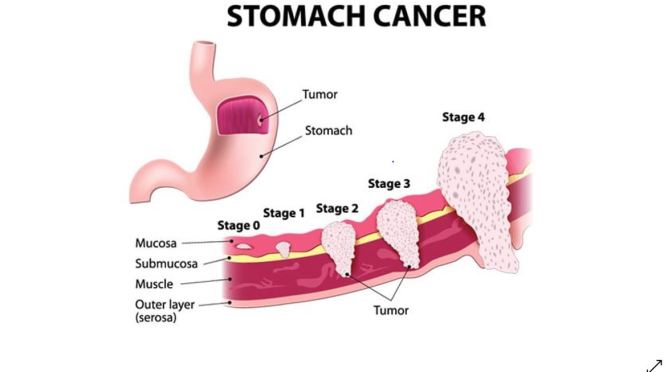
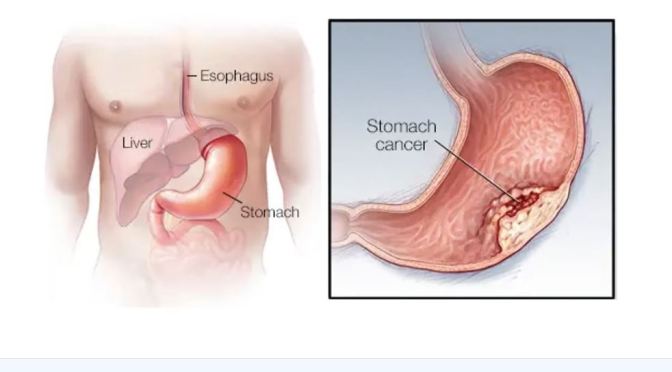
Prevention: Risk Factors For Stomach Cancer

Procedures: Preparing For A Colonoscopy (Mayo)

A colonoscopy is an exam used to detect changes or abnormalities in the large intestine, or colon, and rectum. It’s an important exam that’s performed to check for colon cancer. But some would agree that preparing for the colonoscopy is worse than the exam itself.

In this Mayo Clinic Minute, Dr. James East, a gastroenterologist at Mayo Clinic Healthcare in London, explains what patients will need to do to prepare for this exam and how to make it a little easier.