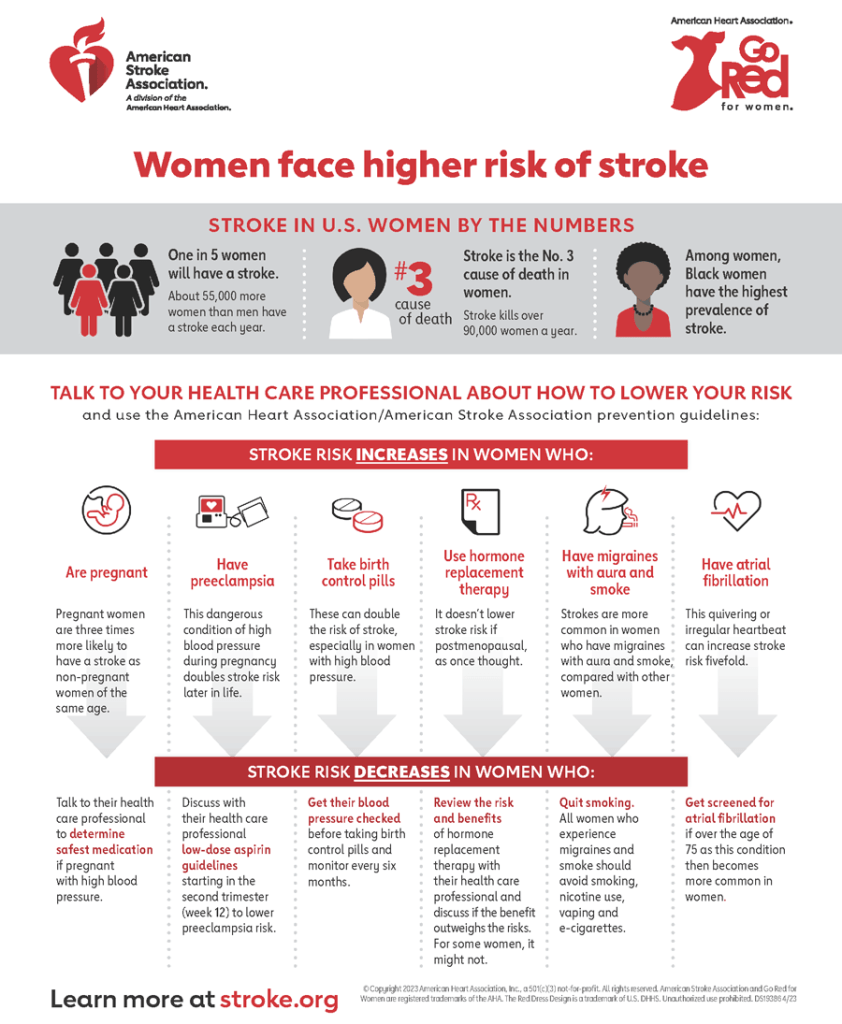
One in 5 women will have a stroke. About 55,000 more women than men have a stroke each year.
Stroke is the No. 3 cause of death in women. Stroke kills over 90,000 women a year.
Among women, Black Women have the highest prevalence of stroke.
Talk to your health care provider about how to lower your risk and use the American Heart Association/American Stroke Association prevention guidelines:
Stroke risk increases in women who:
Are pregnant. Pregnant women are three times more likely to have a stroke as women of the same age.
Have preeclampsia. This dangerous condition of high blood pressure during pregnancy doubles stroke risk later in life.
Take birth control pills. These can double the risk of stroke, especially in women with high blood pressure.
Use hormone replacement therapy. It doesn’t lower it, like once thought.
Have migraines with aura and smoke. Strokes are more common in women who have migraines with aura and smoke, compared with other women.
Have atrial fibrillation. This quivering or irregular heartbeat can increase stroke risk fivefold. After age 75, it’s more common in women than men.
Stroke risk decreases in women who:
Talk to their health care provider to determine safest medication if pregnant with high blood pressure.
Discuss with their health care provider low-dose aspirin guidelines starting in the second trimester (week 12) to lower preeclampsia risk.
Get their blood pressure checked before taking birth control pills and monitor every six months.
Don’t use hormone replacement therapy to prevent stroke if postmenopausal.
Quit smoking if they have migraines with aura.
Get screened for atrial fibrillation if over age 75.
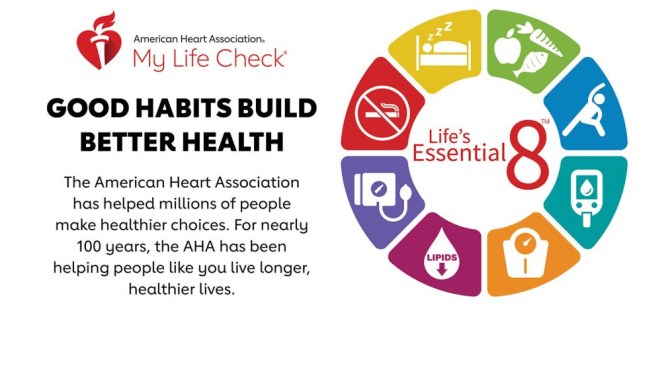
The American Heart Association (AHA) recently revised its checklist for achieving optimal heart health, introducing its new Life’s Essential 8. The list replaces the AHA’s decade-old Life’s Simple 7.
Sleep health is the new addition to the cardiovascular health scoring tool, which now advises that adults get seven to nine hours per night. The organization updated four of the categories:
Diet: More emphasis was given to following heart-healthy diets like the DASH and Mediterranean.
Nicotine exposure: Secondhand smoke and vaping were added as risk factors.
Blood lipids: People now can get a non-fasting blood sample that measures total, HDL, and non-HDL cholesterol. Non-HDL cholesterol can provide similar risk information as LDL cholesterol.
Blood sugar: Measurements now include hemoglobin A1c, a key component to assessing type 2 diabetes risk.
Three categories were unchanged:
Physical activity: The optimal weekly level is at least 150 minutes of moderate activity or 75 minutes of vigorous activity.
Body mass index (BMI): A BMI of 18.5 to 24.9 is ideal for heart health.
Blood pressure: Levels less than 120/80 millimeters of mercury (mm Hg) remain optimal. Stage 1 hypertension is 130 to 139 mm Hg for systolic pressure (the first number) or 80 to 89 mm Hg for diastolic pressure (the second number).
You can calculate your heart health score at mlc.heart.org. The guidelines were published online June 29, 2022, by Circulation.
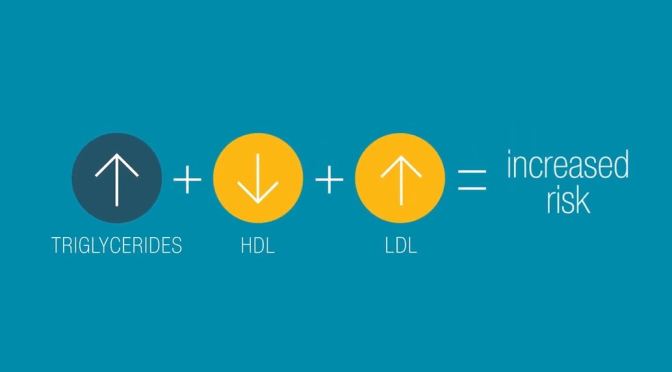
There are two types of cholesterol: LDL cholesterol, which is bad, and HDL, which is good. Learn why too much cholesterol and elevated triglycerides can lead to heart disease and stroke. Make it a priority to have your cholesterol checked.
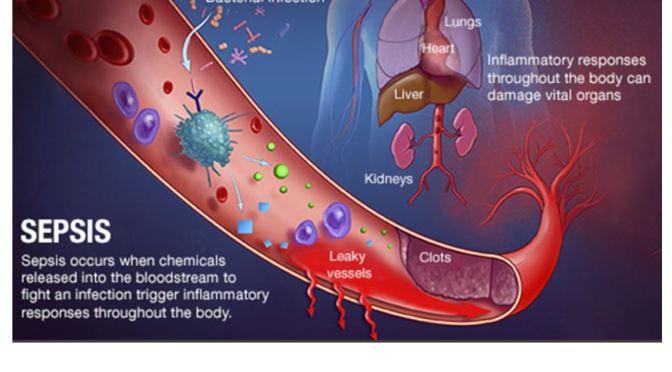
The body can overreact to infection and release toxins into the bloodstream. Because sepsis is entwined with the cardiovascular system it can endanger the heart, sometimes years later. Here's more about it: https://t.co/BjtnxXmmVe


 Doctors Without Waiting Rooms