Eye Infections: What Is Herpetic Keratitis?

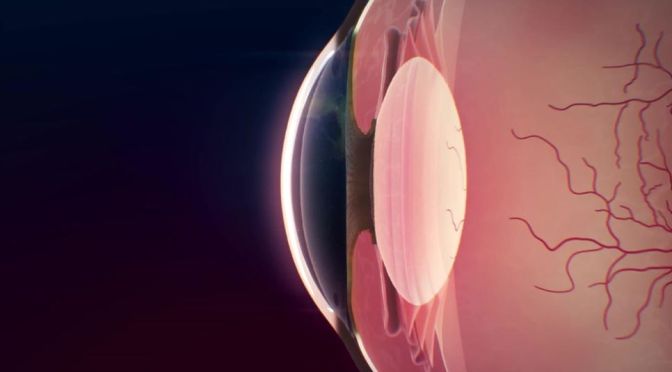
Herpetic Keratitis is a viral infection of the transparent, frontmost part of the eye, the  cornea.
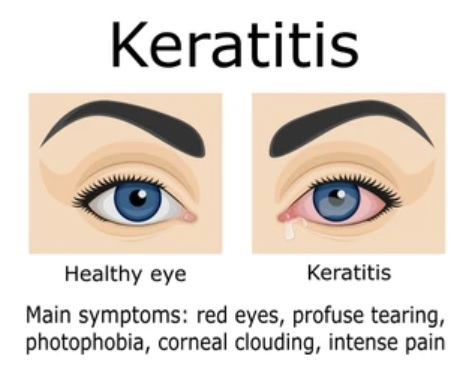
Herpes 1 or 2  when rubbed into the eye from a cold sore, or contacted from somebody else with herpes, will often affect the cornea. The use of corticosteroid eyedrops or ointment will allow the disease to spread faster.

The symptoms are pain and redness of the eye and are a medical emergency, needing prompt treatment by your doctor to prevent scarring and blindness.

Antiviral eyedrops, such as valacyclovir, are used to treat ophthalmic herpes.

A related condition is ophthalmic zoster, caused by the varicella zoster virus. The VZ virus will produce chickenpox in unimmunized people, go into dormancy in the nervous system, and then resurface, if immunity wanes, as shingles. If the shingles occurs in the ophthalmic division of the trigeminal nerve, affecting the skin near the eye, the cornea  will often be involved. Ophthalmic zoster is also treated by antiviral eyedrops.

The varicella zoster virus is closely related to the herpes simplex virus, and is a member of the same nasty family of viruses.

—Dr. C.

Read more

Diagnosis: Mayo Clinic Explains Liver Cancer

Learning about liver cancer can be intimidating. Let our experts walk you through the facts, the questions, and the answers to help you better understand this condition.     

Video timeline: 0:00 Introduction  0:22 What is liver cancer?  2:04 Who gets liver cancer? / Risk factors 3:02 Symptoms of liver cancer 3:52 How is liver cancer diagnosed?   4:48 Treatment options       5:36 Coping methods/ What now?      6:00 Ending   

For more reading visit: https://mayocl.in/3q8Lzwk

Infections: The 5 Types Of Viral Hepatitis Explained

Viral hepatitis is an infection that causes liver inflammation and damage. Inflammation is swelling that occurs when tissues of the body become injured or infected. Inflammation can damage organs. Researchers have discovered several different viruses link that cause hepatitis, including hepatitis A, B, C, D, and E.

Eye Diseases: Keratoconus – Causes And Symptoms

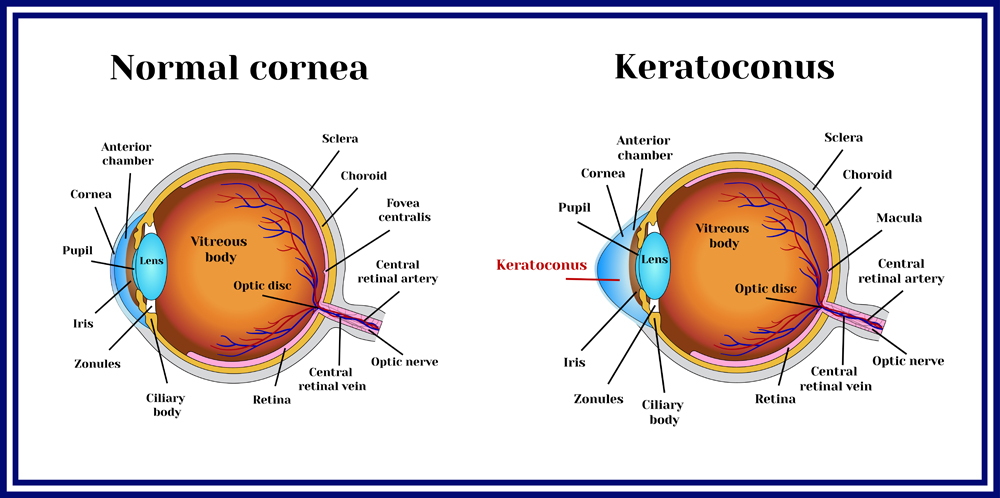
Keratoconus involves the cornea, the front most part of the eye, which becomes thin, and then can bulge out in ways that make correction with glasses difficult. It usually involves both sides although one side is worse. When it occurs only in one eye and not regularly followed, it can be difficult to diagnose and treat properly.

In keratoconus, there is a thinning of the cornea caused by collagen deterioration. This can be usually detected by an ophthalmologist with his slit lamp, which is a low magnification microscope.

Vision loss is always distressing, but arguably is even worse when it afflicts young people in the process of developing their identity, and interferes with schoolwork.

Keratoconus is usually begins in adolescence, progresses over 10 to 20 years, and stabilizes in the third decade of life.

There are a number of treatments depending upon the severity of the condition. In the beginning glasses suffice. Later on, a hard scleral contact lens can be used. There are treatments aimed at cross linking the corneal collagen and strengthening it. The worst cases require a corneal transplant.

The most important thing is to go promptly to a good eye doctor, preferably an ophthalmologist.

–Dr. C

Read more

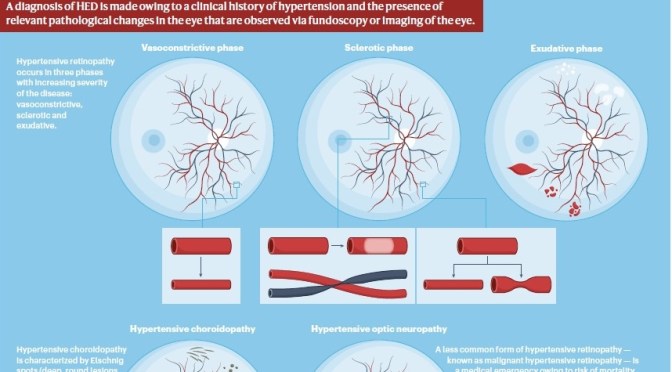
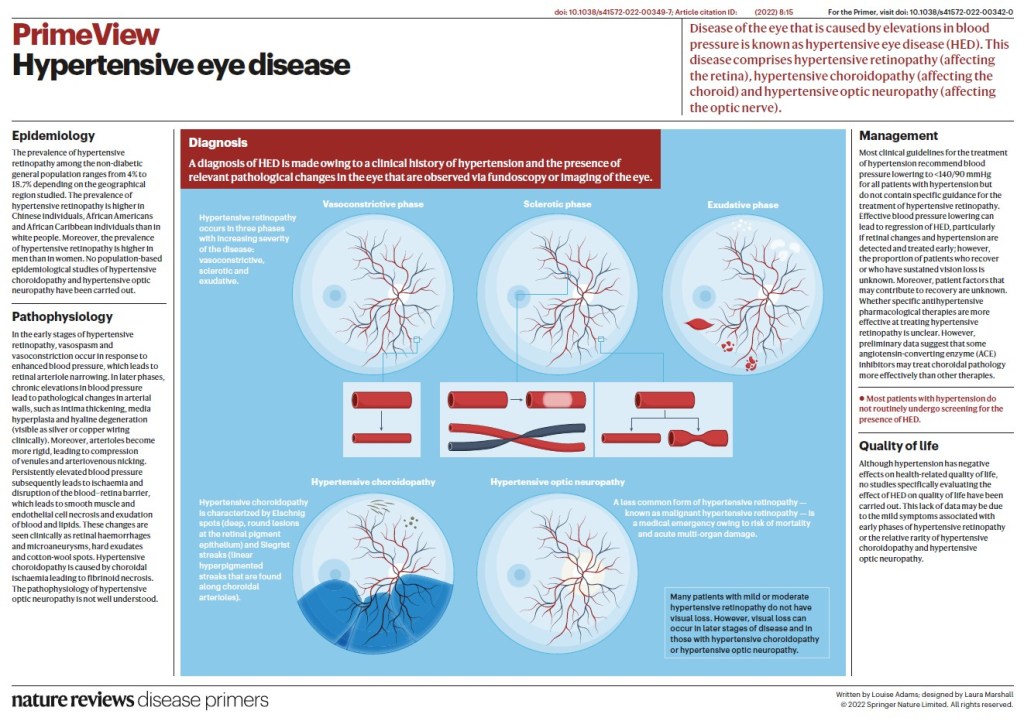
Retinal Disorders: What Is Hypertensive Eye Disease?

Medicine: BPH – Benign Prostatic Hyperplasia

Benign prostatic hyperplasia is the most common condition that affects the prostate gland. While it can make things quite uncomfortable for those who are living with it, BPH is noncancerous and treatable. Learn more about it in this helpful video from Cleveland Clinic.

Chapters: 0:00 Intro 0:16 What is BPH? 1:11 What are common symptoms of BPH? 1:58 What causes BPH and who is most affected? 2:25 Does having BPH mean you have prostate cancer? 2:50 Why you should talk to your healthcare provider

Diagnostics: Screening For Colorectal Cancer

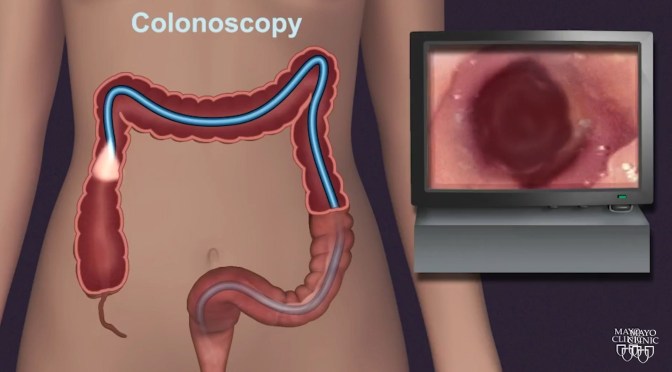
Colorectal cancer is the second-leading cause of cancer death in the U.S. Colorectal cancer cannot be totally prevented, but there are ways to lower your risk and that’s with regular screening.

The U.S. Preventive Services Task Force and the American Cancer Society encourage patients to start screening for colorectal cancer at age 45. Dr. John Kisiel, a Mayo Clinic gastroenterologist, also says patients should begin screening at 45. He recommends checking with your health care provider about your risks, and with your insurance provider about your coverage.

Empowering Patients Through Education And Telemedicine