#Heatstroke is a life-threatening illness that is categorized as classic when it results from exposure to extreme environmental heat and as exertional when it develops during strenuous exercise.https://t.co/Dbq4K8oeqmpic.twitter.com/gxNi0W1Rfp
— Nature Reviews Disease Primers (@DiseasePrimers) June 18, 2022
Heatstroke is a condition caused by your body overheating, usually as a result of prolonged exposure to or physical exertion in high temperatures. This most serious form of heat injury, heatstroke, can occur if your body temperature rises to 104 F (40 C) or higher. The condition is most common in the summer months.
Heatstroke requires emergency treatment. Untreated heatstroke can quickly damage your brain, heart, kidneys and muscles. The damage worsens the longer treatment is delayed, increasing your risk of serious complications or death.
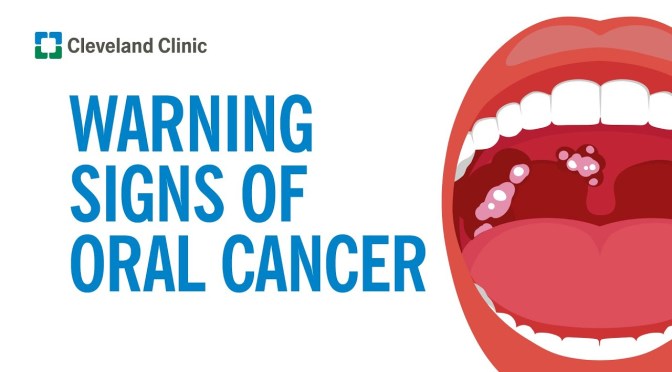
Men face twice the risk of developing oral cancer as women, and men who are over age 50 face the greatest risk. Other risk factors include smoking or using tobacco, drinking too much alcohol and having a family history of oral cancer. But there are lifestyle changes you can make to reduce your risk. Here’s what you can do to lessen your chance of getting oral cancer.
Chapters: 0:00 What is oral cancer? 0:14 Who is most at risk of developing oral cancer? 0:29 7 ways to reduce your risk of developing oral cancer. 2:12 Is oral cancer curable?
What is oral cancer?
Oral cancer (mouth cancer) is the broad term for cancer that affects the inside of your mouth. Oral cancer can look like a common problem with your lips or in your mouth, like white patches or sores that bleed. The difference between a common problem and potential cancer is these changes don’t go away. Left untreated, oral cancer can spread throughout your mouth and throat to other areas of your head and neck. Approximately 63% of people with oral cavity cancer are alive five years after diagnosis.
Who is affected by oral cancer?
Overall, about 11 people in 100,000 will develop oral cancer during their lifetime. Men are more likely than women to develop oral cancer. People who are white are more likely to develop oral cancer than people who are Black.
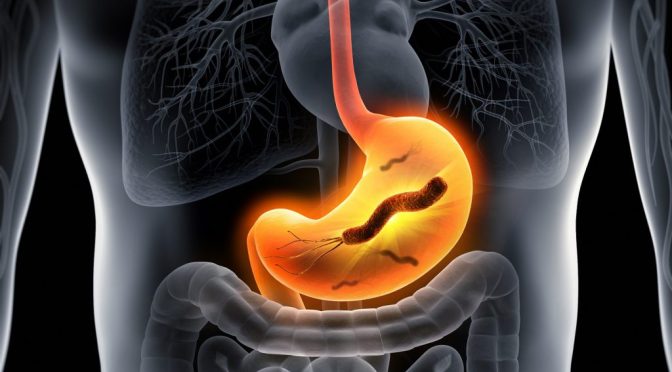
Duke Cancer Institute epidemiologist Meira Epplein, PhD, discovered a common bacteria called Helicobacter pylori (H. pylori) puts Black, Hispanic, and Asian-American people at a higher risk for stomach cancer. She’s been encouraging these and other populations to ask their doctors about getting tested for the bacteria, which Duke gastroenterologist Julius M. Wilder, MD, explains can be as easy as a breathing test.
The simplicity of this test and the information it provides is meaningful to Bishop Ronald Godbee, who along with members of his church congregation, received tests for H. Pylori as part of Epplein’s outreach in Durham, North Carolina.
Chapters: 00:00 What is H. pylori? 00:06 Can H. pylori lead to stomach cancer? 00:18 What populations are at higher risk for stomach cancer? 00:35 Can H. pylori be treated? 01:20 Can I be tested and treated for H. pylori? 02:18 What are the symptoms of H. pylori?
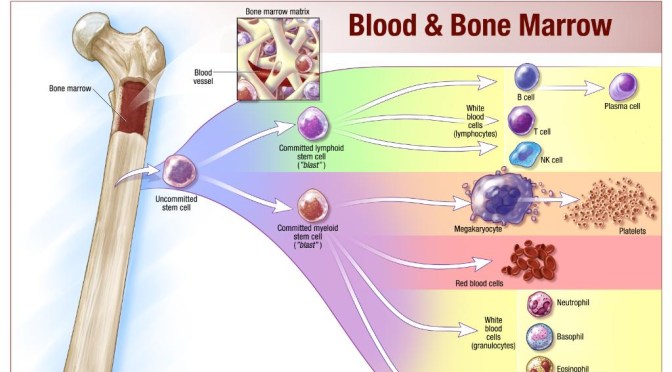
Clinical advances by the Mayo Clinic Transplant team offer new possibilities in treatment. Mayo Clinic is a world leader in setting standards for stem cell transplant. Allogenic transplant involves using stem cells from a donor and replacing diseased or damaged bone marrow. This video reviews the transplant process. Mayo Clinic is making bone marrow transplant safer and improving the lives of people who need them.
Advances by the Mayo Clinic Transplant Program are offering new possibilities in treatment for patients requiring bone marrow transplant. Autologous bone marrow transplant utilizes healthy stem cells from a person’s own body to help recover from high dose chemotherapy. This video reviews the conditions autologous stem cell transplantation is most often used to treat and what to expect throughout the process.
Lyme disease has infected more than 14% of the world’s population, according to a new study. “It’s significant,” says Dr. Bobbi Pritt, director of the Clinical Parasitology Laboratory at Mayo Clinic.
“If you look at the numbers and how it breaks down in regions across the United States, in some areas, that exceeds 50% seropositivity. That means people are walking around with antibodies in their blood that are detectable. That shows they’ve been exposed to Lyme disease at some point in their life,” says Dr. Pritt. “Now whether it was in the past and they’ve been successfully treated, or whether they have it right now, you can’t tell by that result, but it’s a marker of exposure.”
A normal pulse rate is between 60 and 100 beats per minute. Possible causes of an elevated pulse include fever, anemia, #anxiety, or an overactive thyroid. Other possibilities include too much caffeine, decongestants, or being out of shape: https://t.co/tnOAvGksXZ#HarvardHealth
In otherwise healthy people, a heart rate at rest should be less than 100 beats per minute at rest. Heart rates that are consistently above 100, even when the person is sitting quietly, can sometimes be caused by an abnormal heart rhythm. A high heart rate can also mean the heart muscle is weakened by a virus or some other problem that forces it to beat more often to pump enough blood to the rest of the body.
Usually, though, a fast heartbeat is not due to heart disease, because a wide variety of noncardiac factors can speed the heart rate. These include fever, a low red blood cell count (anemia), an overactive thyroid, or overuse of caffeine or stimulants like some over-the-counter decongestants. The list goes on and includes anxiety and poor physical conditioning.
— Nature Reviews Disease Primers (@DiseasePrimers) June 10, 2022
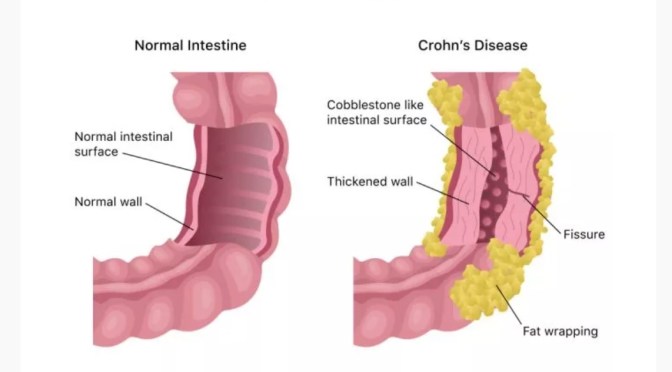
Crohn’s disease is an inflammatory bowel disease that is characterized by chronic inflammation of any part of the gastrointestinal tract, has a progressive and destructive course and is increasing in incidence worldwide. Several factors have been implicated in the cause of Crohn’s disease, including a dysregulated immune system, an altered microbiota, genetic susceptibility and environmental factors, but the cause of the disease remains unknown. The onset of the disease at a young age in most cases necessitates prompt but long-term treatment to prevent disease flares and disease progression with intestinal complications. Thus, earlier, more aggressive treatment with biologic therapies or novel small molecules could profoundly change the natural history of the disease and decrease complications and the need for hospitalization and surgery. Although less invasive biomarkers are in development, diagnosis still relies on endoscopy and histological assessment of biopsy specimens. Crohn’s disease is a complex disease, and treatment should be personalized to address the underlying pathogenetic mechanism. In the future, disease management might rely on severity scores that incorporate prognostic factors, bowel damage assessment and non-invasive close monitoring of disease activity to reduce the severity of complications.
Benign prostatic hyperplasia, or benign enlargement of the prostate, is the most common prostate problem that will affect almost all men as they age. There are many treatment options available that range from medications to surgical options that destroy excess tissue. Learn more about them in this helpful video from Cleveland Clinic.
Chapters: 0:00 Introduction 0:10 What is BPH? 0:45 What are treatment options for BPH? 0:60 What are some medications used to treat BPH? 1:43 What are some surgical options used to treat BPH? 3:43 Call your doctor if you notice any of these symptoms
For more information benign prostatic hyperplasia (BPH) treatments, please visit https://cle.clinic/3tH5aox
— Nature Reviews Disease Primers (@DiseasePrimers) June 9, 2022
#Migraine is a common, chronic disorder that is typically characterized by recurrent disabling attacks of headache and accompanying symptoms, including aura.
Empowering Patients Through Education And Telemedicine







 Doctors Without Waiting Rooms