Mayo Clinic: Thyroid Cancer Explained (Video)

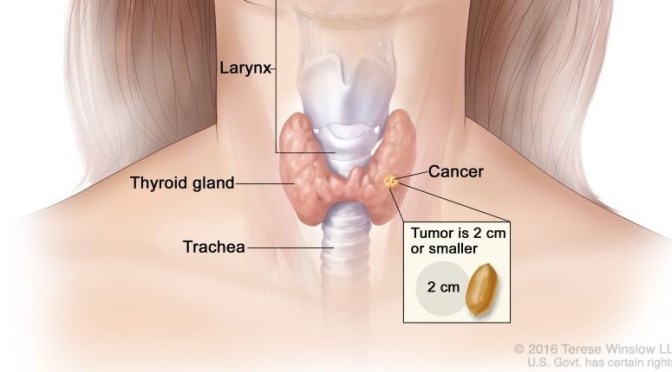
Learning about thyroid cancer can be intimidating. Let our experts walk you through the facts, the questions, and the answers to help you better understand this condition.

Chapters: 0:00 Introduction 0:25 What is thyroid cancer? 1:29 Who gets thyroid cancer? / Risk factors 2:44 Symptoms of thyroid cancer 3:18 How is thyroid cancer diagnosed? 4:14 Treatment options 5:40 Coping methods/ What now? 6:36 Ending

For more reading visit: https://mayocl.in/3ys82Jv. When it comes to your health, Mayo Clinic believes credible and clear information is paramount. There’s a lot to learn about thyroid cancer.

Sports Medicine: Tennis Wrist Injury Research

Whether it’s the serve, forehand, backhand or volley, tennis puts a lot of stress on your wrist. Many of those injuries are caused by chronic overuse. How you grip the racket and hit the ball plays a major role, too, which is why Mayo researchers recently studied tennis players’ strokes in a motion analysis lab.

Women’s Health: Warning Signs Of Endometriosis

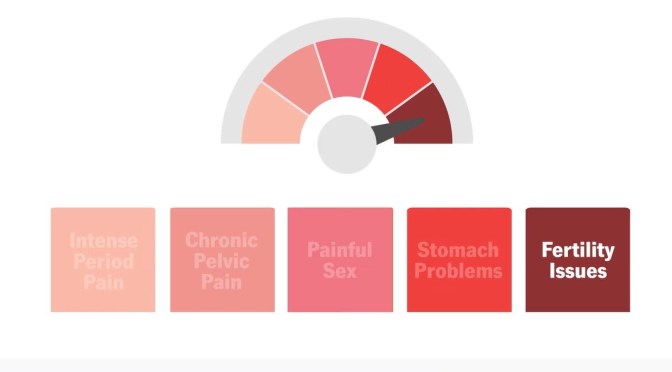
Really painful period cramps aren’t normal. They could mean you have endometriosis. Endometriosis is a gynecological condition affecting the lower abdomen or pelvic area. While some people don’t have symptoms, there are a few red flags that you should look out for. Here are 5 warning signs of endometriosis.

Chapters: 0:00 Introduction 0:15 What is endometriosis 0:44 5 warning signs of endometriosis 3:15 When should you see a medical professional?

Journals: Telemedicine And e-Health – June 2022

What Works Best to Engage Participants in Mobile App Interventions and e-Health: A Scoping Review

Enhancing participant engagement is considered a key priority for wellness and health care, especially as health care undergoes a shift toward the integration of digital technologies (e.g., mobile apps, health care monitors, and online portals with their consumer interfaces).1,2 Technological systems play a critical role in enhancing participant engagement.1,2 Among urban and low-income mothers, the use of smart-device technology for communication was a particularly important contributor to higher retention in longitudinal studies.3 Providing digital health tools has not only led to an increase in study participation adherence rates,4 but it has also contributed to measurable improvements in health care outcomes across several conditions. For instance, greater patient activation in their health care improved patient adherence to treatment prescriptions.5 Participants’ use of web portals to augment treatment of diabetes demonstrated improved glycemic control across multiple studies.6–8 Other studies have seen improvements in participants with HIV,9 with coronary artery disease,10 and with depression,11–13 highlighting how impactful the implementation of these tools can be across different clinical populations.

Schoeppe et al.14 emphasized common strategies that successful mobile interventions often use, such as goal setting, self-monitoring, and performance feedback in their app design. To our knowledge, however, there has not been a scoping review of the specific components of mobile intervention apps that increase engagement. Common across all digital health tools are the focus on increased patient engagement and “empowerment,” which is a result of several qualities inherent in these tools. Most of these technological systems improve patients’ communication with and access to health care providers,1,2,15 and provide patients with more comprehensive information about their health on demand.2,15 While these qualities are common across successful tools and play a large part in improving patient self-management and decreasing stress,2 improved engagement is no guarantee.

Furthermore, measuring engagement is a challenge that has likely contributed to our lack of knowledge on app components that effectively increase this important metric. There are now several measures that quantify the amount of engagement that patients feel toward the digital tools and apps that are being developed,2,15 but these are not widely used and engagement measurements are not standardized across studies. Some examples of such measures are the Patient Activation Measure (PAM16), Mobile App Rating Scale (MARS17), and the Patient Health Engagement scale (PHE-s18). These measures create a quantifiable standardized method by which researchers can measure the phenomenon of user engagement during program development, and are important considerations when creating new digital tools for patients and clinical research participants.

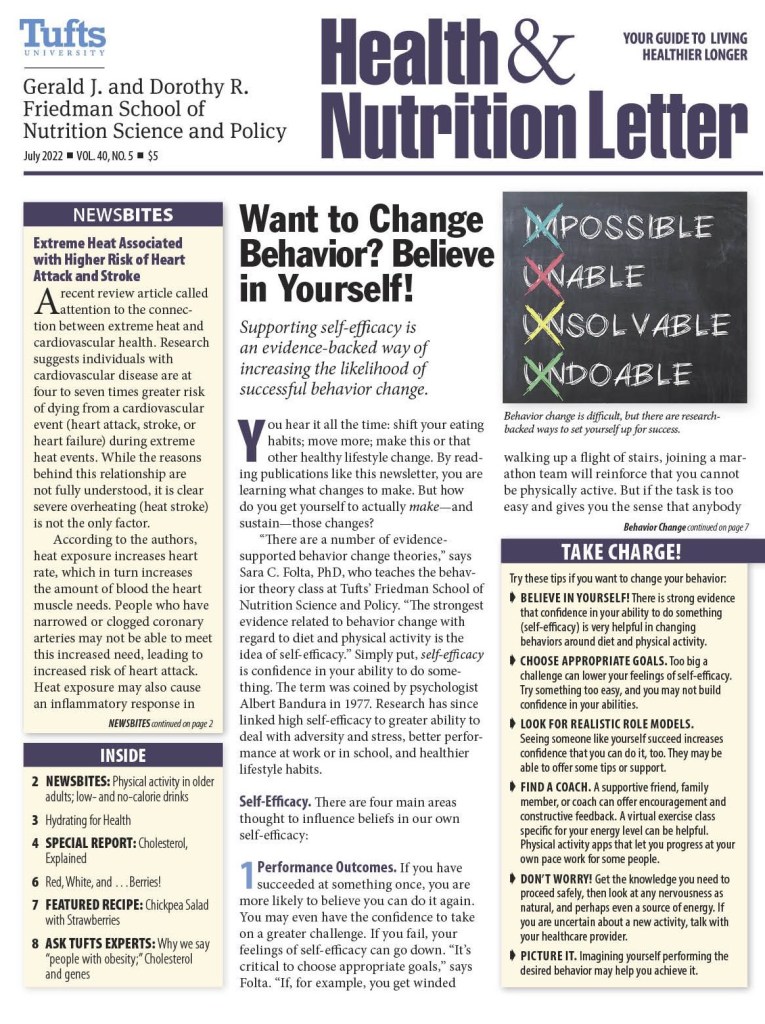
NEWSLETTERS: TUFTS HEALTH & NUTRITION – JULY 2022

  • NEWSBITES: Physical activity in older adults; low- and no-calorie drinks
  • Hydrating for Health
  • SPECIAL REPORT: Cholesterol, Explained
  • Red, White, and …Berries!
  • FEATURED RECIPE: Chickpea Salad with Strawberries
  • ASK TUFTS EXPERTS: Why we say “people with obesity;” Cholesterol and genes

Read more

Technology: The Lancet Digital Health – July 2022

Men’s Health: How Serious Can Blood In The Urine Be?

Blood in your urine can be a startling sight, one that prompts concern over your health. While it doesn’t always mean something serious, several serious things can cause it. And that means you should contact your doctor right away.

It’s also important to understand what’s going on in your body. You may see a range of colors — from pink or slightly dark urine to bright red or cola-colored liquid. You may also see clots, which can come from your prostate, urethra, kidneys or ureters (tubes connecting your kidney to your bladder).

Covid-19: Can A Vaccine Be Developed That Lasts?

“Roughly two and a half years into the pandemic, White House officials and health experts have reached a pivotal conclusion about Covid-19 vaccines: The current approach of offering booster shots every few months isn’t sustainable.

Though most vaccines take years to develop, the Covid shots now in use were created in record time—in a matter of months. For health authorities and a public desperate for tools to deal with the pandemic, their speedy arrival provided a huge lift, preventing hospitalizations and deaths while helping people to escape lockdowns and return to work, school and many other aspects of pre-Covid life.”

Empowering Patients Through Education And Telemedicine