When you’re ready to start reviewing plans, check out the Medicare plan finder tool, which will let you compare Medicare Advantage and Part D prescription drug plans available in your area. You can also get this information by calling Medicare at 800-633-4227.
If you’re looking for a Medigap plan, you can also start at medicare.gov, where you can compare the different types of coverage, as well as find the policies available in your ZIP code.
Another good resource is the State Health Insurance Assistance Program (SHIP), which provides free guidance over the phone. To find your state’s program, go to shiphelp.org or call 877-839-2675.
When we think about insulin, we know that all of our bodies have a pancreas that sits in the middle of it and, within the pancreas, there specialized cells that go ahead and release insulin. The way I like to think about it is it’s a key that unlocks ourselves so that the food and nutrients we eat are able to be metabolized and used for fuel by our body.
In Type 1 diabetes, we always tell families it’s an autoimmune process. So for some reason, your body sees those insulin producing cells within your pancreas as being foreign, so it starts attacking those cells. So going back to that key analogy, we think about, all of a sudden there’s not a lot of keys available.
Youth with Type 2 diabetes have a different situation going on. In that situation., it’s an issue with insulin resistance and so the way that I think about it is that you still have keys, but the keys are the wrong shape now. The difference between Type 1 and Type 2 diabetes is really the fact that, in Type 1 diabetes, you are relying on exogenously administered insulin for survival.
In Type 2 diabetes, you have insulin that your body’s making. However, you cannot use it appropriately and so youth present with high blood sugars, but in conjunction with that, they often have high insulin levels and so we need to initiate insulin therapy. So giving injections, but over time we may be able to transition to alternative means to manage their glucose levels and I have to say, Yale is at the cutting edge of developing new treatments for kids diagnosed with diabetes.
When using injected insulin therapy or pumping insulin, what we’re trying to do is closely match what your body should be making and so there’s lots of different insulin therapies out there and the amazing thing to think is, you know, 100 years ago this was just discovered, it was one of the initial presentations on insulin therapy. It was here at Yale. People started on insulin therapy in 1922 and it’s come such a long way.
As somebody living with Type 1 diabetes, I can share with you that in 1987 when I was diagnosed, I was on purified pork insulin and so I don’t feel very old, but saying that I took a purified pork insulin therapy makes me feel very, very old and very grateful for how these therapies have improved and how we’re better able to match the physiologic profiles of what your body should make.
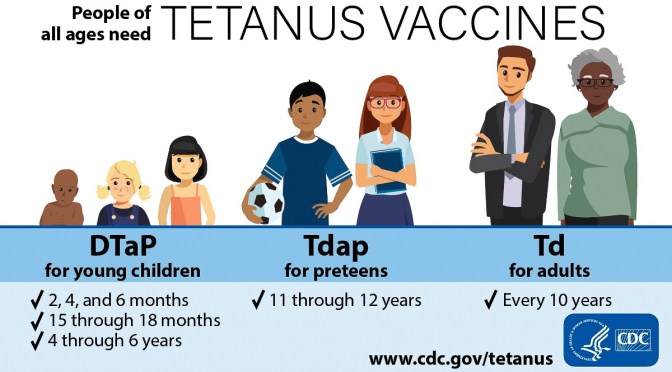
Tetanus is a serious disease with no cure. But it’s also highly preventable. This video explains what happens when tetanus enters your body, and why vaccination is so important.
Chapters: 0:00 What is tetanus? 0:30 How do you get tetanus? 1:15 What symptoms does tetanus cause? 2:16 Can it be prevented?
Low vitamin D levels were linked with an increased risk of both dementia and stroke over the following 11 years. Based on this observational study, people with low vitamin D levels were found to have a 54% greater chance of developing dementia compared with people whose levels were normal.
A study published online April 22, 2022, by The American Journal of Clinical Nutrition suggests vitamin D deficiency may raise risk for dementia and stroke.
The study analyzed more than 294,000 people (most of them women over 60) living in the United Kingdom. Using blood tests on all participants and neuroimaging tools on about 34,000, researchers looked for associations between vitamin D levels and risks of dementia and stroke. A normal blood vitamin D level was defined as at least 50 nanomoles per liter (nmol/L); a deficiency was defined as less than 25 nmol/L.
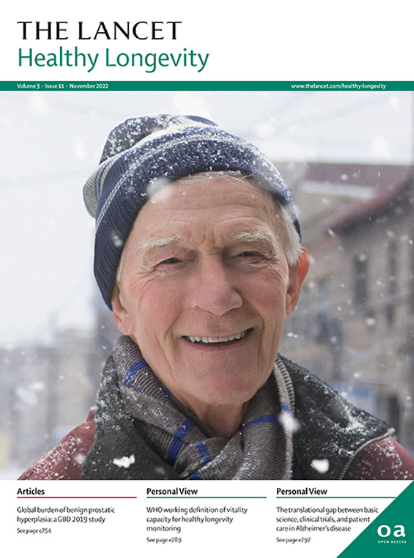
Research & review on #Alzheimers, global burden of benign prostatic hyperplasia, #WHO def of vitality capacity, IPD meta on social connection & #cognition, #oralhealth for older people & more.
“Our study showed that the highest level of patient satisfaction within telemedicine visits was actually among patients within the 65 to 79-year-old age range—which has been an age group often seen as resistant to this mode of care,” says Bart Demaerschalk, M.D., a Mayo Clinic neurologist and senior author. “These findings show how important it is that health care organizations don’t exclusively target telemedicine to their younger, more tech-savvy patients.”
Mayo Clinic, November 3, 2022 – In one of the largest studies to date of its kind, Mayo Clinic researchers found patient satisfaction ratings to be equivalent for video telemedicine visits and in-person clinic visits. These findings highlight the potential for the use of telemedicine across a variety of patient populations.
The study, published in the Patient Experience Journal, evaluated patient satisfaction scores from over 300,000 patients treated either in-person or via video telemedicine during the COVID-19 pandemic.
While researchers found that patient satisfaction ratings were overall equivalent across the two modes of care, they did observe several interesting trends within certain age groups, genders, and races, which countered historical perceptions of telemedicine and represent opportunities for future study.
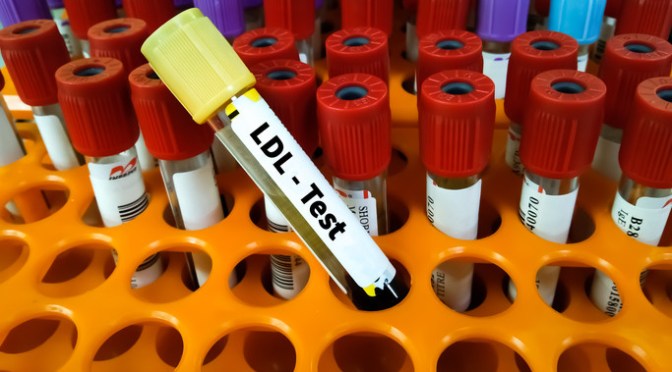
Target LDL depends on many factors, including your age, family history, and personal history of cardiovascular disease. For people at intermediate risk, LDL should be lowered by 30% to 50%. For those who have already had a heart attack, target LDL is no more than 70 mg/dl (note: automatic download).
Which non-statin therapies are recommended first?
Five non-statin therapies described in this post aim to help people achieve target LDL goals while minimizing side effects. They may be combined with a statin or given instead of statins.
Each helps lower LDL cholesterol when diet and statins are not sufficient, such as when there is a family history of high cholesterol (familial hypercholesterolemia). But so far, only two options are proven to reduce cardiovascular risk — the risk for heart attack, stroke, heart failure, and other issues affecting the heart and blood vessels.
Ezetimibe (Zetia)
What it does: Lowers LDL and cardiovascular risk by reducing cholesterol absorption.
How it’s given: A daily pill
Relatively inexpensive and often given with statins.
PCSK9 inhibitors, alirocumab (Praluent) and evolocumab (Repatha)
What it does: A protein called PCSK9 controls the number of LDL receptors on cells. These medicines are monoclonal antibodies against PCSK9 that increase LDL receptors on the liver, helping to clear circulating LDL from the bloodstream.
How it’s given: A shot every two to four weeks
Highly effective for lowering LDL, but expensive and may not be covered by insurance.








 Doctors Without Waiting Rooms