Heart Disease: Thoracic Aortic Aneurysm Risks

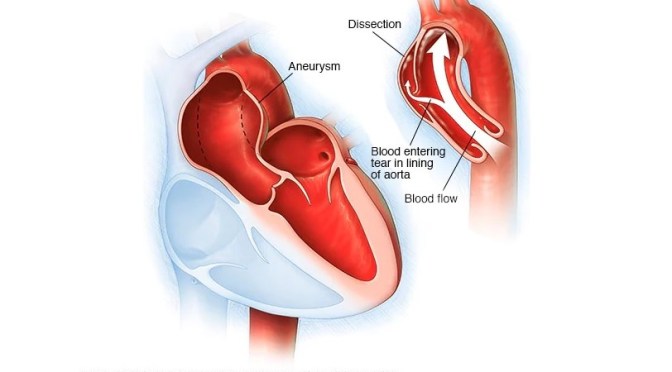
A thoracic aortic aneurysm is a weak spot in the aorta, the main pipeline for blood from the heart to the body. The weak spot has the potential to dissect or rupture, cutting off the supply of life-sustaining blood to the rest of the body. Thoracic aortic aneurysms are often harder to detect and diagnose compared to the more common abdominal aortic aneurysms. 

December 14, 2022

The aorta begins deep in the heart. It emerges from the top of the powerful left ventricle, curves up and over the heart in a gentle arch, then descends into the chest and through the muscular diaphragm into the abdomen (see “Thoracic aorta”). It ends around the belly button, where it splits into two smaller arteries, one for each leg.
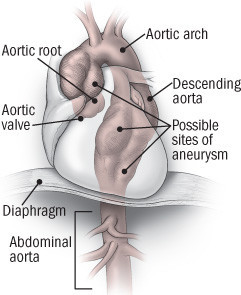
THORACIC AORTA

From start to end, arteries branch off to nourish the heart, brain, arms, kidneys, liver, stomach, intestines, and every other part of the body. The stretch of the aorta from its start in the heart to the top of the diaphragm is called the thoracic aorta; the section below the diaphragm is the abdominal aorta.

Some aneurysms are relatively harmless. Others can lead to the catastrophic problems known as dissection or rupture. For now, size is the best and only guide to the health threat posed by an aneurysm.

Dissection. The most common consequence of an aortic aneurysm, dissection occurs when a tear develops in the inner lining of the aortic wall. The inner and outer layers peel apart, creating an extra channel for blood inside the aorta. It may do no harm, or it may allow blood to bypass the outflow to certain organs or tissues, leaving them without a blood supply. This can cause a heart attack, stroke, kidney damage, and other problems.

Rupture. A break in all three layers of the aortic wall is termed a rupture. Blood pours from the aorta into the chest. This massive internal bleeding can quickly lead to shock and death.
READ MORE

Heart Health: Function & Benefits Of Pacemakers

“The likelihood of needing a pacemaker increases with age,” says Dr. Sunil Kapur, a cardiologist at the Heart and Vascular Center at Harvard-affiliated Brigham and Women’s Hospital. “The good news is that today’s pacemakers have evolved from fixing irregular heartbeats to helping the heart maintain its normal function, which allows many men with certain heart conditions to stay active longer.”

December 1, 2022

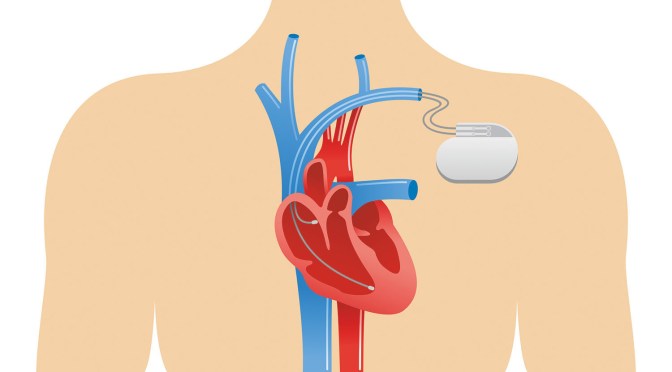
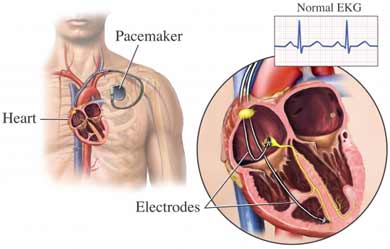
A pacemaker monitors the heart’s rhythm and, when necessary, generates a painless electrical impulse that triggers a heartbeat.

The most common use for a pacemaker is when the heart beats too slowly or pauses, which triggers dizziness, shortness of breath, or fainting. (You should see your doctor immediately if you have any of these symptoms.) A pacemaker also can help your heart chambers beat in sync and improve blood flow if your heart isn’t pumping enough blood. In some cases, a pacemaker may be needed to treat a heartbeat that is too fast or irregular.

These issues can stem from problems with the heart’s electrical signaling, a heart defect, an enlarged or thick heart muscle, heart failure, or a heart attack.

Several tests can help your doctor determine if you need a pacemaker: an electrocardiogram, which measures the heart’s electrical activity; Holter monitoring, in which you wear a small device to track your heart’s rhythm; or an echocardiogram, which uses sound waves to produce images showing your heart’s size, structure, and motion.

READ MORE

Women’s Health: How To Ease & Manage Menopause

National Institute on Aging – Menopause is a point in time 12 months after a woman’s last period. The years leading up to that point, when women may have changes in their monthly cycles, hot flashes, or other symptoms, are called the menopausal transition or perimenopause.

The menopausal transition most often begins between ages 45 and 55. It usually lasts about seven years but can be as long as 14 years. The duration can depend on lifestyle factors such as smoking, age it begins, and race and ethnicity. During perimenopause, the body’s production of estrogen and progesterone, two hormones made by the ovaries, varies greatly.

The menopausal transition affects each woman uniquely and in various ways. The body begins to use energy differently, fat cells change, and women may gain weight more easily. You may experience changes in your bone or heart health, your body shape and composition, or your physical function

READ MORE

Tetanus: What It Is & When Should You Get A Shot

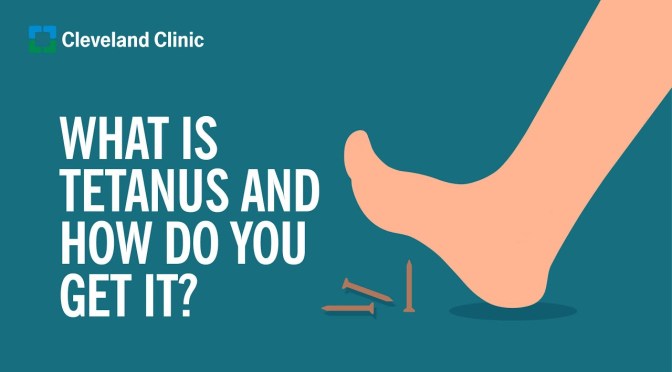
Cleveland Clinic – A tetanus shot is a vaccine. It protects you from tetanus, a life-threatening bacterial infection. Babies and kids need several doses of the vaccine at different ages. Adults should get a tetanus booster shot every 10 years. You get the shot in your upper arm or thigh. The shot is safe, and serious complications are very rare.

Chapters: 0:00 Intro 0:15 What is tetanus? 1:04 When should you get a tetanus shot? 1:41 When should you get a tetanus booster? 2:02 What is tetanus immune globulin? 2:26 Conclusion

READ MORE

Technology: ‘Low-Field MRI’ Stroke Detection

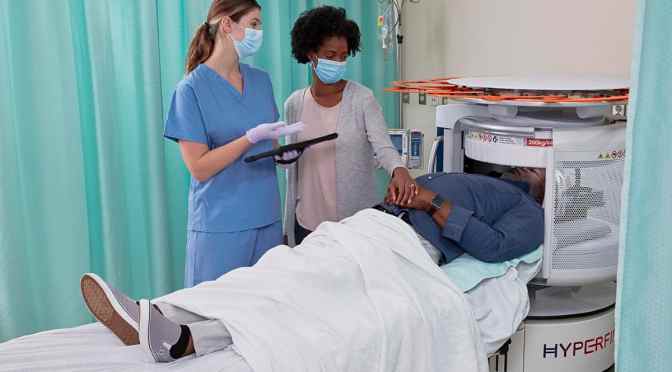
Recently, low-field MRI scanners have become available that are portable, are cryogen-free, are easy to use, provide rapid patient loading and unloading, have minimal power requirements, and have relatively low purchase prices and maintenance costs. For some indications, including ischemic stroke, these MRI scanners are a welcomed addition to the clinical armamentarium, as they have the potential to improve some aspects of clinical care over the current standard of care.

For one, they offer rapid “point-of-care” imaging diagnosis. Owing to their reduced cost and portability, these scanners could be deployed in a myriad of new settings, such as at-large public gatherings (e.g., sporting events or rock concerts), rural health care centers, emergency rooms, and assisted living facilities. Future innovations in motion correction, noise remediation, and image data upload capabilities suggest the eventual use of these scanners in ambulances or even on the battlefield.

Reviews: New Shoulder Replacement Surgeries

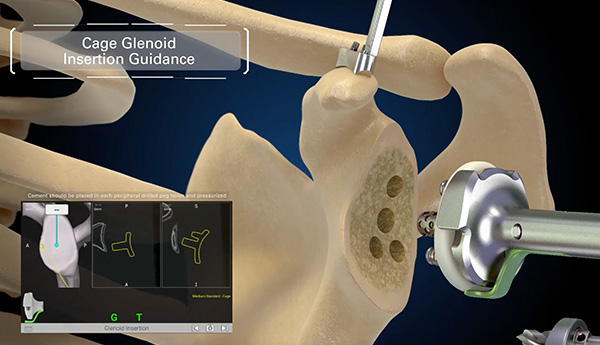
Shoulder replacement is a major surgery where all or part of the shoulder joint is replaced. In the past, it would take weeks for the patient to gain mobility, but new technology is changing all that.

Laura Britt has degenerative joint disease and as a result has had several surgeries, including shoulder replacements.

Telemedicine: Its Benefits In Rural Montana (CDC)

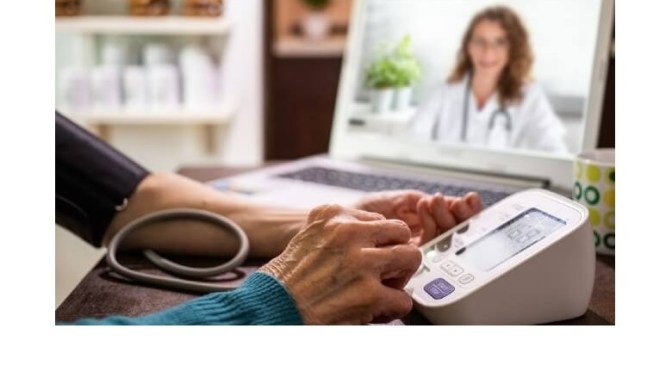
Centers for Disease Control and Prevention (CDC) – Telemedicine is being used to reach patients with diabetes in remote parts of Montana. This program is a unique partnership between CDC, the Eastern Montana Telemedicine Network, and the Montana Department of Public Health and Human Services.

Respiratory Infections: What Is Acute Pneumonia?

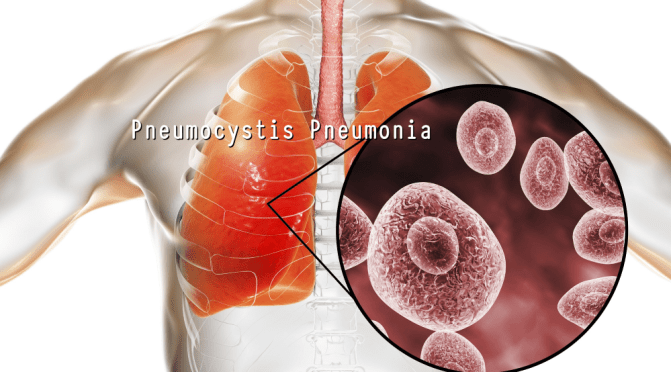
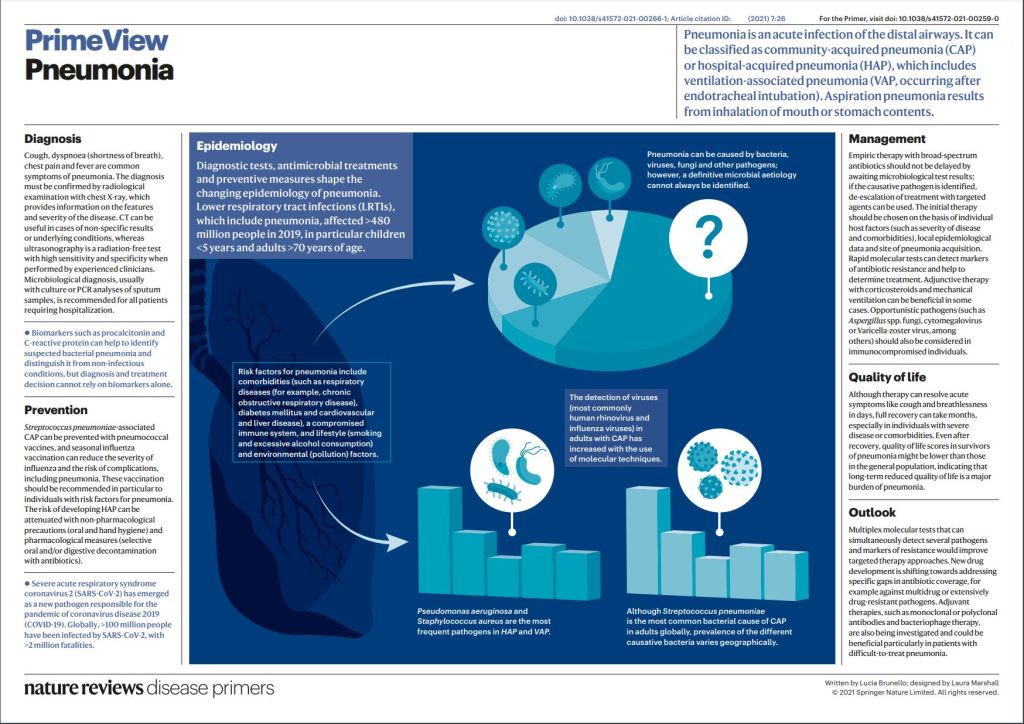
Pneumonia is a common acute respiratory infection that affects the alveoli and distal airways; it is a major health problem and associated with high morbidity and short-term and long-term mortality in all age groups worldwide. Pneumonia is broadly divided into community-acquired pneumonia or hospital-acquired pneumonia.

A large variety of microorganisms can cause pneumonia, including bacteria, respiratory viruses and fungi, and there are great geographical variations in their prevalence. Pneumonia occurs more commonly in susceptible individuals, including children of <5 years of age and older adults with prior chronic conditions. Development of the disease largely depends on the host immune response, with pathogen characteristics having a less prominent role. Individuals with pneumonia often present with respiratory and systemic symptoms, and diagnosis is based on both clinical presentation and radiological findings.

It is crucial to identify the causative pathogens, as delayed and inadequate antimicrobial therapy can lead to poor outcomes. New antibiotic and non-antibiotic therapies, in addition to rapid and accurate diagnostic tests that can detect pathogens and antibiotic resistance will improve the management of pneumonia.

READ MORE

Hand Conditions: What Causes Trigger Finger?

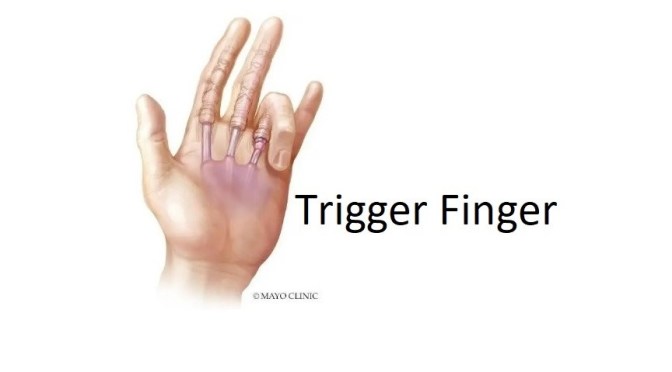
Typically, people 45 and older and those with diabetes or rheumatoid arthritis may be predisposed to trigger finger. It’s rare in children. Usually, the tendon sheath becomes irritated due to overwork or injury, so people who do repetitive movements, heavy squeezing or lifting in their work can be prone to the condition. It can happen at any time and is more common than people realize.

How is it treated?

Mayo Clinic – If you’re experiencing mild symptoms, such as a small, tender lump at the base of a finger or your thumb on the palm side of your hand but can straighten or bend your finger without it locking, take an over-the-counter anti-inflammatory medication, such as ibuprofen, every day for two weeks. If your finger or thumb is locked, you may be able to use gentle pressure to force it straight or bent.

If your finger or thumb is locked, you’re not able to force it straight or bent, and you’re feeling catching or popping, the next level of treatment is a steroid injection to calm the irritation and swelling. Performed in the clinic, the injection is done in the palm of your hand. A cold spray is used to numb the area.

READ MORE

Empowering Patients Through Education And Telemedicine