

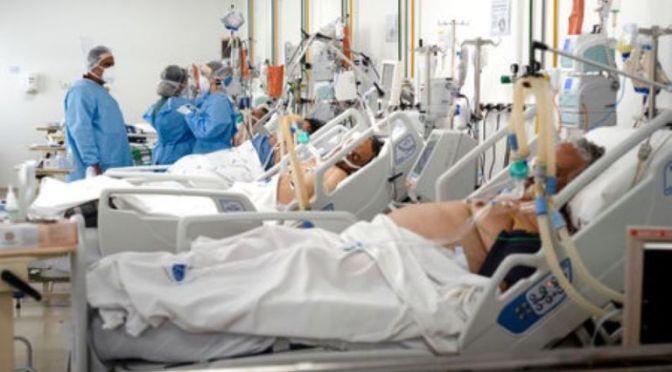
The Journal Science recently reported on nearly 77,000 patients hospitalized with Covid 19. 29% were overweight and 48% were Obese. A total of 77% of admissions for Covid were overweight or worse.
Overweight was defined as BMI of 25-29.9 Kg. per Square Meter, and Obese was defined as BMI of 30 or greater. Another way of stating the data is giving the rate of Hospital admissions per 10,000 People.
BMI calculators are everywhere to be found on the internet. Put in your weight and height, and find your BMI displayed.
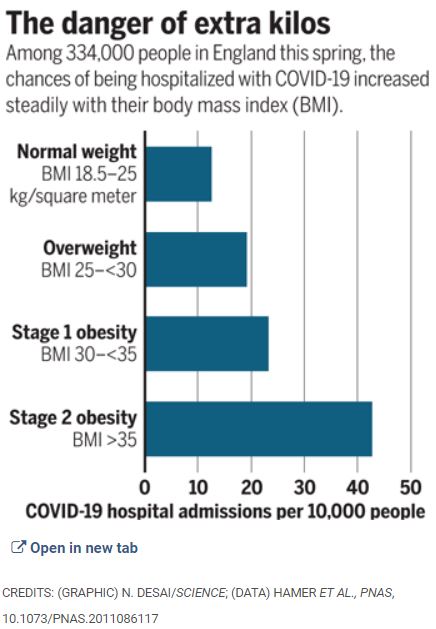
These are striking figures, the more so because of the LARGE SAMPLE, and the LINEAR Relationship; the greater the overweight, the greater the hospitalization rate.
Every way you look at it, obesity is hazardous. More hip and knee replacements, harder to exercise, find comfortable seats, more difficult to do surgery, more diabetes, heart attacks, stroke, Hypertension, Sleep apnea, worse immunity, and now, confirming previous suspicions, clearly higher risk of being hospitalized (and dying) with Covid.
I realize that nobody chooses to be Obese; in addition to the health problems, overweight people are Subjected to discrimination.
Obesity is notoriously hard to treat; one of the few, seldom mentioned medical truths is that Diets fail long term. Starting and maintaining a diet takes Herculean Will Power, which is in short supply in our overindulgent, overadvertised, and overfed society.
If I were morbidly Obese, I might opt for Bariatric Surgery, and try my best to hold the short term weight loss, since even with surgery the pounds tend to creep back on over time.
The best way to treat Obesity is to treat it as the Plague it is. CHILDHOOD OBESITY should be treated aggressively. Keep the Obese Child from becoming an obese adult, and maybe carry yourself along with the Family.
Better yet, Good SLEEP, DIET, and EXERCISE come as an interactive mutually reinforcing package deal. Prevention always beats treatment.
My article on ABDOMINAL FAT is suggested reading, and there is a link to the Infographic which Displays the above date in graphic form.
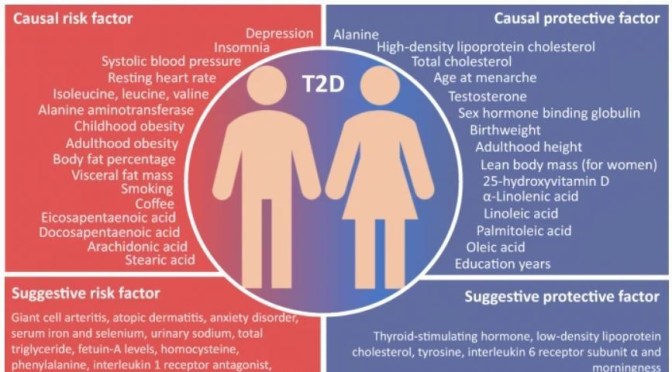
Diabetologia (Sept 8, 2020) – Insomnia with objective short sleep duration has been associated with an increased risk of type 2 diabetes in observational studies [27, 28]. The present MR study found strong and suggestive evidence of a causal association of insomnia and short sleep duration, respectively, with increased risk of type 2 diabetes.


The present study verified several previously reported risk factors and identified novel potential risk factors for type 2 diabetes. Prevention strategies for type 2 diabetes should be considered from multiple perspectives on obesity, mental health, sleep quality, education level, birthweight and smoking.
COMMENTARY
This was a laborious and apparently objective study.
The discovery of insomnia as a unique risk factor is no surprise, and reinforces the restorative IMPORTANCE of SLEEP.
I was surprised to see docosohexanoic and Eicosapentanoic acids in the risk column and LDL in the good column. However they were studying type 2 diabetes, and not vascular health. I will continue to take my fish oil, and enjoy my HDL, which is in the good column.
—Dr. C.
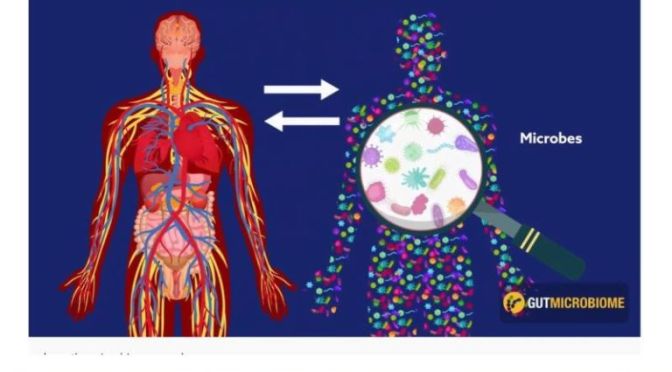
Do you have good or bad microbiome? Or do you have the microbiome you deserve?
Gut Microbiome, the new Open Access journal from Cambridge University Press and The Nutrition Society has published its first papers, including the animated abstract above from the paper: Hill, C. (2020) “You have the microbiome you deserve,” Gut Microbiome, Cambridge University Press, 1, p. e3.
Access the paper here: https://bit.ly/3bFOjc7
Want to not only fall asleep quickly but also stay asleep longer? Sleep scientist Matt Walker explains how your room temperature, lighting and other easy-to-fix factors can set the stage for a better night’s rest.
Sleeping with Science, a TED series, uncovers the facts and secrets behind our nightly slumber. (Made possible with the support of Beautyrest)
Check out more: https://go.ted.com/sleepingwithscience
My Mother had Tic Douloureux, the traditional name for Trigeminal Neuralgia. I remember her suddenly covering her face with her hand and grimacing, but this was only occasionally.
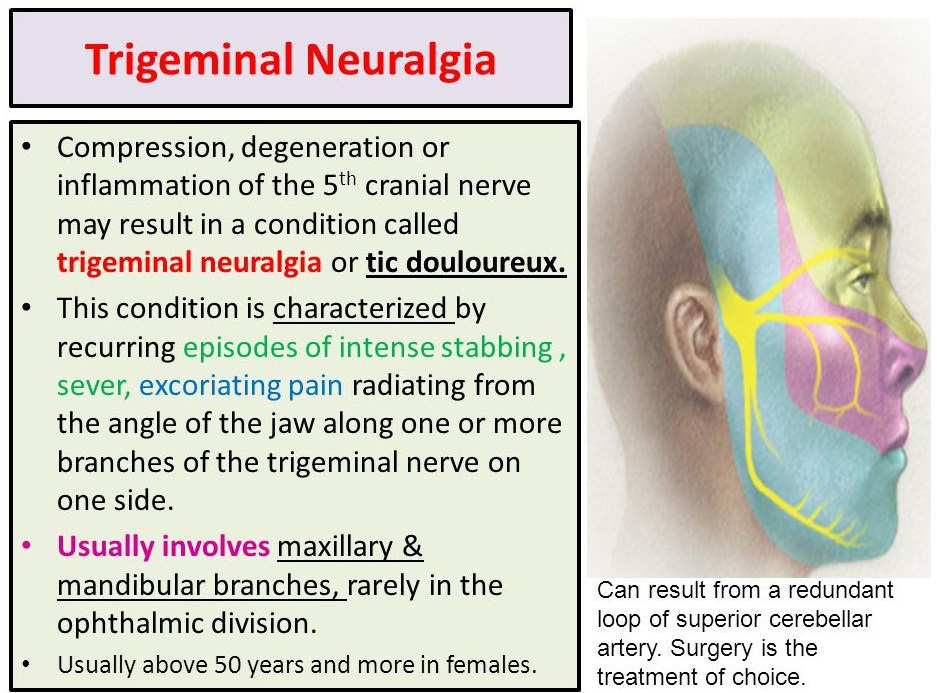
TD is not very common for “101 chronic conditions”, but it is the most common cause of chronic facial pain. It occurs in the FACIAL region supplied by the 5th cranial, or TRIGEMINAL nerve. This is about the area covered by your widely spread hand, pinkie on the nose, and the butt of the palm along the jawbone.
Brief shocking pain occurs in “PAROXYSMS” in the facial area, on ONE SIDE, and TRIGGERED by tooth brushing, touching the face, or even by the blowing of the wind. This description is so typical and specific as to be “pathognomonic”, and can be diagnosed over the telephone.
Variants can give continuous pain, or occur on both sides, but the “classical” variety is most common. You should contact your Doctor, since some cases are caused by Multiple Sclerosis or a tumor. Effective medications are available, such as carbamazepine.
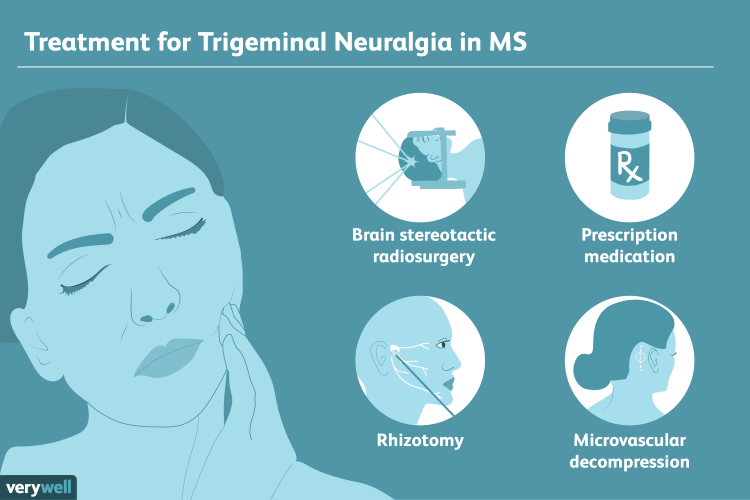
TD can be familial, but is often caused by compression of a nearby artery, and “decompression” is currently the most effective surgical treatment. It is one of the few “chronic 101” conditions not to be substantially prevented or helped by our old standbys, sleep, diet and exercise.
That being said, it is sometimes helped by exercise, and almost never occurs during sleep. The August 20, 2020 New England Journal of Medicine Has an excellent Review article, which will be appended to this posting.
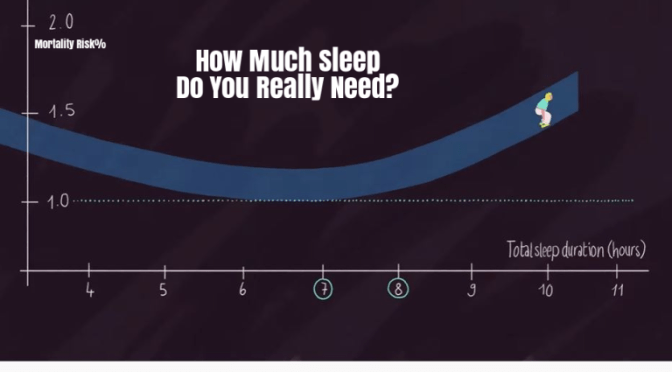
You know you need to get enough sleep, but the question remains: How much is enough? Sleep scientist Matt Walker tells us the recommended amount for adults and explains why it’s necessary for your long-term health. Sleeping with Science, a TED original series, uncovers the facts and secrets behind our nightly slumber. (Made possible with the support of Beautyrest)
Check out more: https://go.ted.com/sleepingwithscience

According to a recent study, obesity increases the risk of dying of Covid-19 by nearly 50%. Governments around the world are now hoping to encourage their citizens to lose weight. But with so much complex and often contradictory diet advice, as well as endless food fads, it can be hard to know what healthy eating actually looks like.
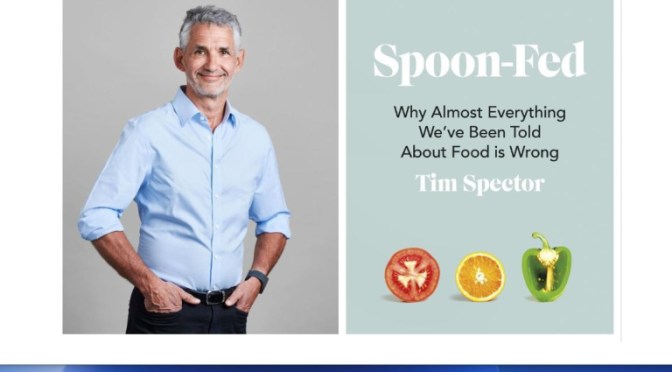
How many pieces of fruit and vegetables should you eat a day? Will cutting out carbs help you lose weight? Is breakfast really the most important meal of the day? Speaking to Tim Spector, professor of genetic epidemiology at King’s College London about his new book Spoon-Fed, Madeleine Finlay asks why we’re still getting food science wrong, and explores the current scientific evidence on snacking, supplements and calorie labels.
Tim Spector is a Professor of Genetic Epidemiology and Director of the TwinsUK Registry at Kings College, London and has recently been elected to the prestigious Fellowship of the Academy of Medical Sciences. He trained originally in rheumatology and epidemiology. In 1992 he moved into genetic epidemiology and founded the UK Twins Registry, of 13,000 twins, which is the richest collection of genotypic and phenotypic information worldwide. He is past President of the International Society of Twin Studies, directs the European Twin Registry Consortium (Discotwin) and collaborates with over 120 centres worldwide. He has demonstrated the genetic basis of a wide range of common complex traits, many previously thought to be mainly due to ageing and environment. Through genetic association studies (GWAS), his group have found over 500 novel gene loci in over 50 disease areas. He has published over 800 research articles and is ranked as being in the top 1% of the world’s most cited scientists by Thomson-Reuters. He held a prestigious European Research Council senior investigator award in epigenetics and is a NIHR Senior Investigator. His current work focuses on omics and the microbiome and directs the crowdfunded British Gut microbiome project. Together with an international team of leading scientists including researchers from King’s College London, Massachusetts General Hospital, Tufts University, Stanford University and nutritional science company ZOE he is conducting the largest scientific nutrition research project, showing that individual responses to the same foods are unique, even between identical twins. You can find more on https://joinzoe.com/ He is a prolific writer with several popular science books and a regular blog, focusing on genetics, epigenetics and most recently microbiome and diet (The Diet Myth). He is in demand as a public speaker and features regularly in the media.
I am defining SWALLOWING TROUBLE as the difficulty in transport of food to the stomach, once clear of the throat. Problems with the initiation of the swallowing process are discussed separately.
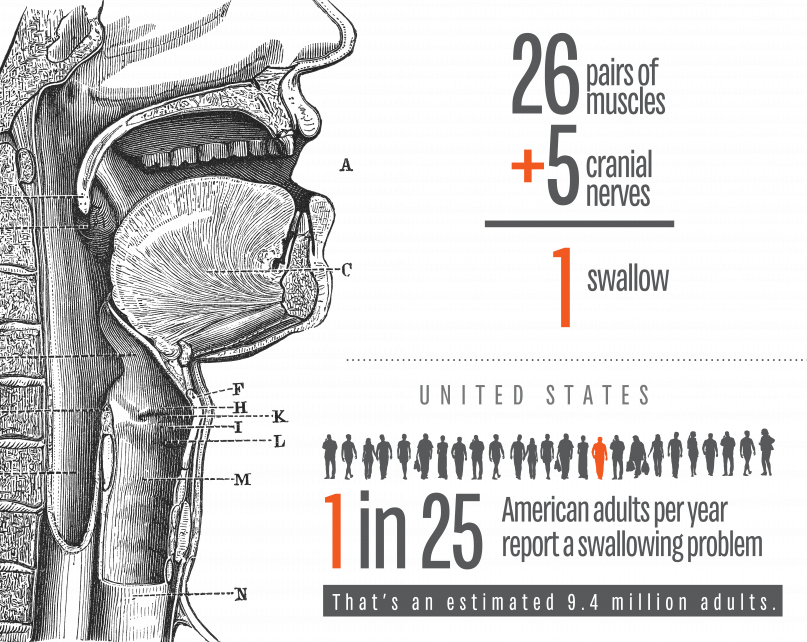
PAIN in the mid-chest ON SWALLOWING is a worrisome symptom which can be due to inflammation of the lining of the esophagus from a variety of causes. An esophageal yeast infection, which can also involve the throat (called ‘“thrush”), often warns of immune deficiency and can be a sign of AIDS, or be caused by immune suppressing medication. If persistent, pain on swallowing can be a warning sign of CANCER.
If in the presence of GERD, it can be a sign of chronic inflammation or ulceration. In-coordination of the normally smooth muscular propulsive wave can cause a cramping, muscular pain.
Normal “peristalsis” is so efficient, that food can be swallowed without the help of gravity, when UPSIDE DOWN. I wouldn’t recommend trying this, even to cure hiccoughs. There is a muscular “gate” at the bottom of the esophagus, just as it enters the stomach. This gate is often too relaxed, and allows for the reflux of acid and food from the stomach, or GERD. It can also Fail to open, called achalasia, and hold up the food in its journey to the stomach.
The area can be scarred by repeated acid reflux, and become NARROWED; this is called a STRICTURE, and can cause a blockage in swallowing. One of my Doctor friends had to go to the Emergency room when some Steak got stuck in the esophagus.
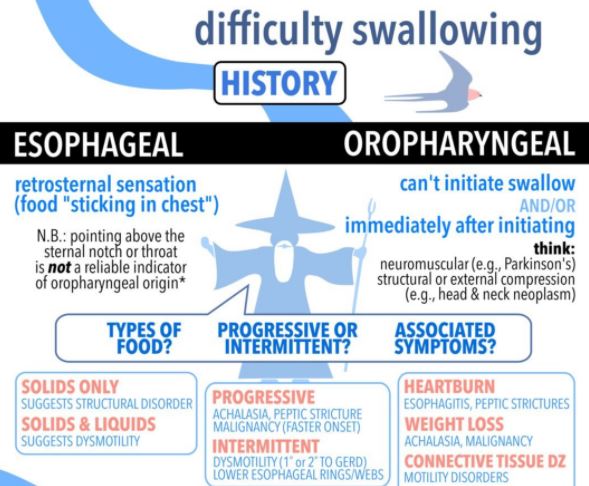
The ER Doctor removed the steak with a fiberoptic Scope, and then proceeded to DILATE the stricture with a “bougie”, an instrument of a precisely calibrated size designed to STRETCH the constricted area. This uncomfortable procedure had to be done repeatedly, a caution to those who would wait too long before getting such a problem evaluated and corrected.
EOSINOPHILIC ESOPHAGITIS has been diagnosed with increasing frequency, and can cause Pain in the middle of the chest, trouble swallowing, and even regurgitation of food. This special type of inflammation is more common in allergic patients, and can be caused by certain foods.
So as you can see, swallowing trouble, if persistent, is nothing to fool around with, and should be checked out by a competent doctor. Don’t wait too long.
 Doctors Without Waiting Rooms