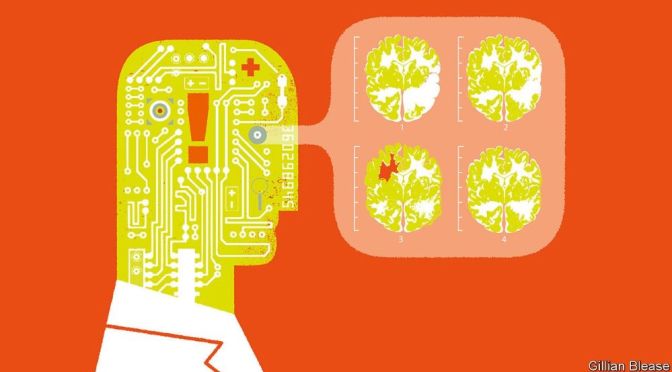
AI has the power to transform health care. From more efficient diagnoses to safer treatments, it could remedy some of the ills suffered by patients. Film supported by @Maersk
Timeline: 00:00 – Can AI help heal the world? 00:45 – How can AI spot blindness? 04:01 – Protecting patients’ privacy 05:10 – How to share medical data safely 06:11 – Medical AI is rapidly expanding 08:02 – What do the sceptics say? 08.36 – Using AI for new medical devices 11:08 – What does the future hold for medical AI?
The Women’s Heart and Vascular Program provides state-of-the-art cardiac care for women with heart disease, as well as expert screening of women at risk for heart disease.
Heart disease remains the number one killer of American women and there is a great need for specialized care directed at women’s cardiac needs. The Women’s Heart and Vascular Program is dedicated to screening, educating and treating women at risk for, or with established heart disease.
Under the direction of Lisa A. Freed, MD, FACC, the Women’s Heart and Vascular Program incorporates not only her expertise in cardiology, but also collaborates with experts in diabetes, menopause, nutrition, exercise physiology, and smoking cessation. In addition, Dr. Freed consults with experts in sleep apnea and mental health professionals for intervention with co-existing depression and anxiety.
The program also focuses on clinical research in collaboration with Yale’s Women’s Health Research Center in order to advance the care of women with heart disease.
Lymphoma is a cancer of the lymphatic system – our body’s immune system. The two main types of lymphoma are Hodgkin and non-Hodgkin. In this video, we break down how both types of lymphoma begin and the differences between them.
Chapters: 0:00 Intro 0:15 What are lymph nodes? 0:40 What is a cell mutation? 0:52 What is lymphoma? 1:15 What is the difference between Hodgkin and Non-Hodgkin lymphoma? 1:28 What are common symptoms of lymphoma?
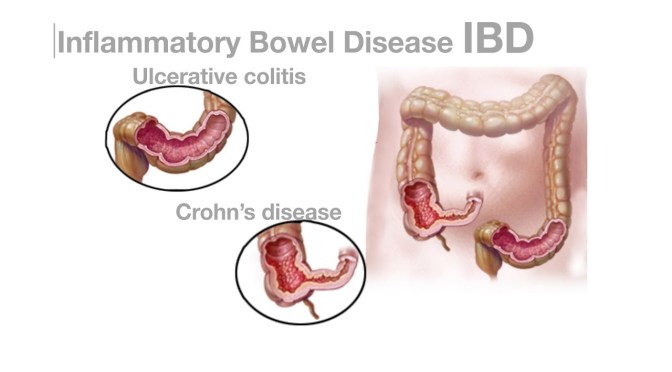
If you or someone you know has been diagnosed with Inflammatory Bowel Disease (IBD), including Crohn’s Disease and Ulcerative Colitis, you may be asking yourself a lot of questions. Our experts are here to help you answer them.
Video Timeline: 0:00 Introduction 0:08 How much will IBD affect my life? 1:03 What causes IBD? 1:58 Can IBD affect my lifespan? 2:19 Does diet affect IBD? 3:01 Is there any cancer risk from having IBD? 3:27 What’s the risk of passing IBD onto my children? 3:52: Are stool transplants real? 4:33 How can I be the best partner to my medical team? 5:11 Ending
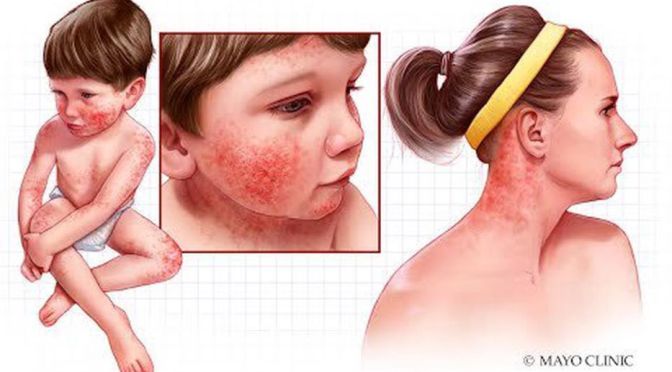
Atopic dermatitis is a sensitivity disease of the skin, similar to asthma in the lungs, hay fever in the sinuses and food allergies in the gut. It’s a chronic condition and tends to flare periodically. The symptoms vary. Adult eczema often occurs in patches on areas of the body prone to friction or sweat. If those self-care steps don’t help, your dermatologist may prescribe topical or oral medications, or other therapies.
New high-tech Covid-19 tests promise better and earlier detection of the virus—similar to a PCR test. WSJ’s Joanna Stern (and her mannequin clone) tried out the Detect Covid-19 Test and Cue Health Monitoring System to see how they compare with rapid antigen tests. Photo illustration: Ryan Trefes/ WSJ
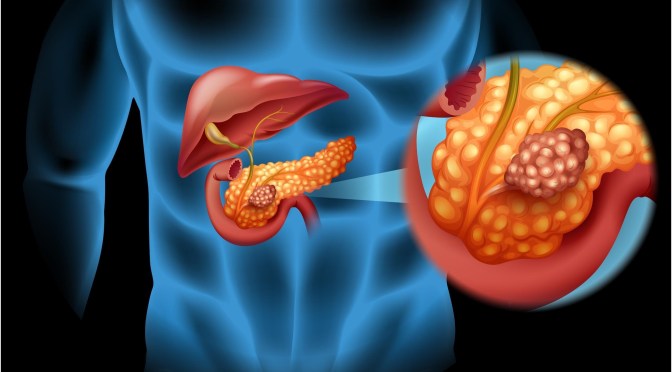
Pancreatic cancer accounts for about 3% of all cancers in the United States and about 7% of all cancer deaths. Because it’s hard to detect early, it’s important to recognize any symptoms that occur. Find out what to look for and when you should talk to your provider with this helpful video from Cleveland Clinic.
Chapters: 0:00 Intro 0:28 What is pancreatic cancer? 0:58 What are the warning signs of pancreatic cancer? 2:46 When to talk with your healthcare provider about symptoms of pancreatic cancer
Skin cancer is the most common form of cancer in the United States. The good news is, this disease is extremely treatable if caught early. Cleveland Clinic experts break down the 3 main types of skin cancer and how you can spot the signs of each.
Chapters: 0:00 Intro 0:24 What does skin cancer look like? 0:49 What are the signs of skin cancer? 0:59 What are the types of skin cancer? 1:06 What is basal cell carcinoma? 1:35 What is squamous cell carcinoma? 1:52 What is melanoma? 2:26 When should you talk to your doctor about skin cancer?
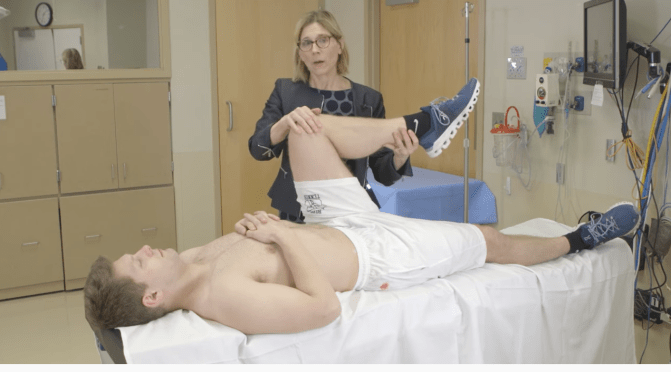
This video demonstration contains the components necessary to perform a physical examination on a patient with a complaint related to their lumbar spine and hip region. At the beginning of the video, I will demonstrate the basic examination components of inspection, palpation and range of motion I will then show you special tests including Trendelenburg test (compensaved and uncompensated), Stork test (provocation of posterior elements of spine and lumbar nerve roots), straight leg raise (lumbar radiculopathy), Faber test (intraarticular hip and sacroiliac joint provocation) and Fadir test (femoroacetabular impingement).
Empowering Patients Through Education And Telemedicine



 Doctors Without Waiting Rooms