Category Archives: Uncategorized

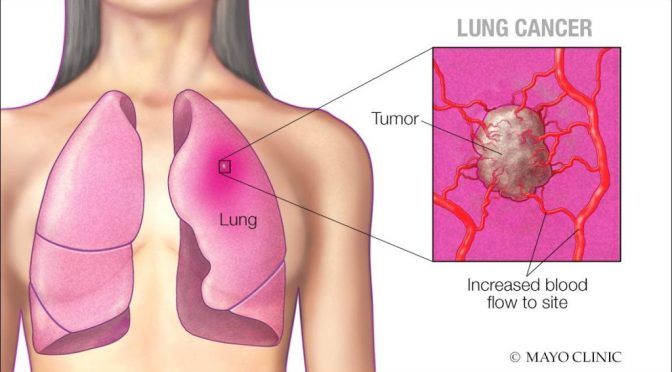
Lung Cancer: Advantages Of Low-Dose CT Scans

Annual low-dose CT scans are now recommended for smokers with 20 pack years, who are over 50 years of age and have stopped smoking within the past 15 years.

The screening test is progressively becoming more advisable because of improvements in technology, such as endoscopic biopsy, and improved criteria to prevent overtreating false positives.

The advantage of the test is that cancer can often be caught early, at which time 60% is curable, compared to only 7% five-year survival if the disease has spread.

It’s startling to realize how a few people take advantage of this test, currently averaging only 6%. Family practitioners have been slow to embrace this valuable preventative screening, and the American Lung association has increased It’s outreach to doctors and patients alike.

Lung cancer is still the nations top cancer threat,  killing upwards of 127,000 people in the United States each year, although the toll has lessened recently thanks to the declining smoking rates and new treatments.

—Dr. C.

Review: Gastrointestinal Bleeding Management

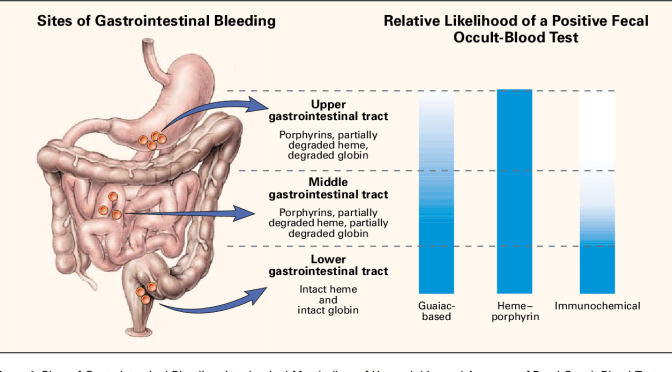
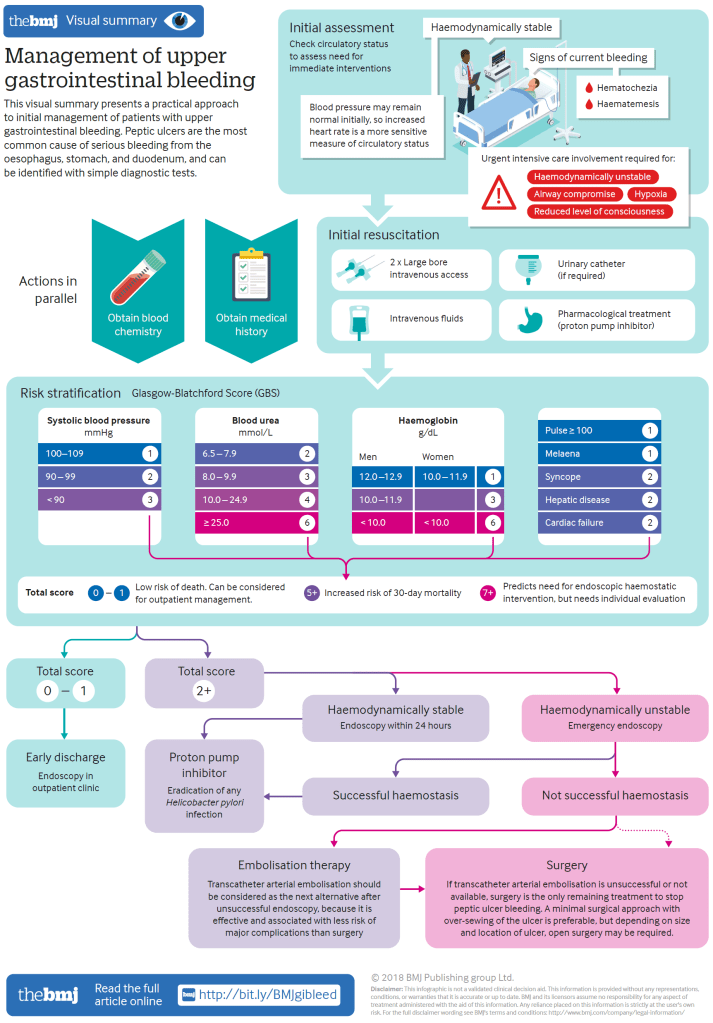
Upper gastrointestinal bleeding (UGIB) refers to gastrointestinal blood loss whose origin is proximal to the ligament of Treitz at the duodenojejunal junction. Acute UGIB can manifest in a variety of ways, with or without hemodynamic compromise, including hematemesis, coffee-ground emesis, the return of bright red blood through a nasogastric tube, melena, and, rarely, hematochezia (bright red blood per rectum). Hematochezia is typically only seen with an extremely brisk UGIB; significant hemodynamic compromise is common in these patients.[1][2]

Causes are multiple, but in developed countries bleeding is usually secondary to peptic ulcer disease (PUD), erosions, esophagitis, or varices.

UGIB results in more than 250,000 hospital admissions annually in the US, with a mortality of up to 11%.[3][4] Ordinarily, mortality is secondary to hypovolemic shock. Rapid evaluation, hemodynamic resuscitation, and appropriate pharmacologic and endoscopic interventions are the cornerstones of therapy.

Heart Disease: A Surgeon’s View Of Aorta Surgery

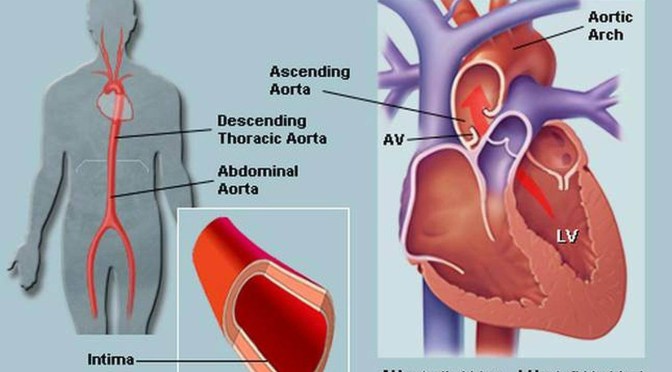
Cleveland Clinic (MAY 9, 2023): Have you ever wondered what your surgeon thinks about when they are deciding if you need an operation?

Dr. Lars Svensson and Dr. Marijan Koprivanac discuss all things aorta, such as your past medical history, current health, and how your surgeon looks to the future to provide the best options for you.

READ MORE

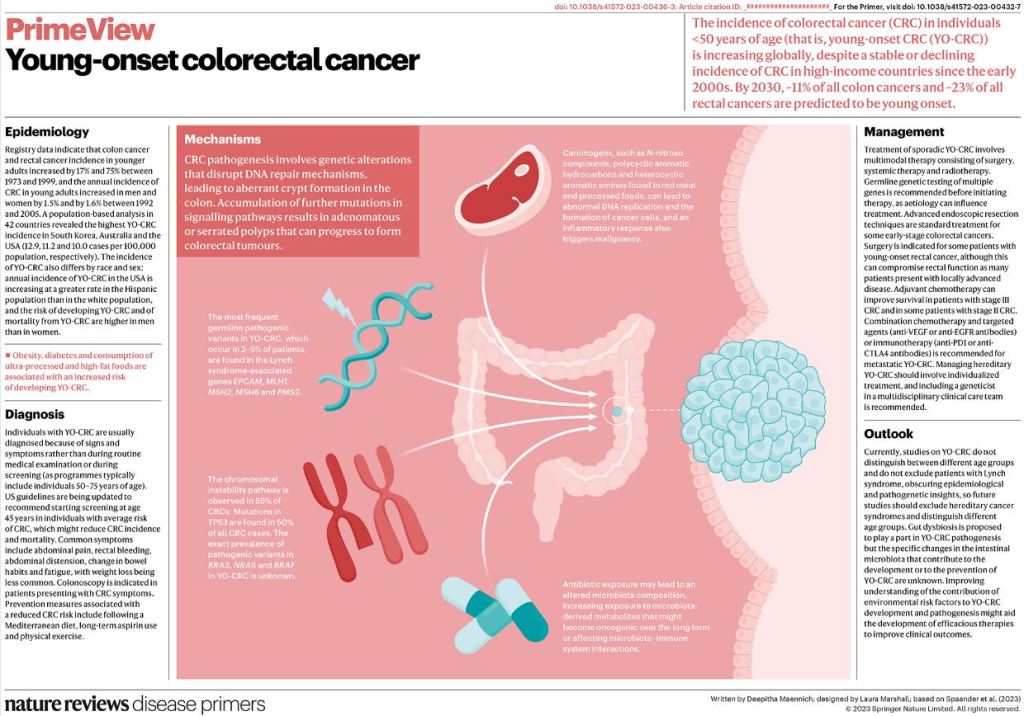
Reviews: Young-Onset Colorectal Cancer

In the past decades the incidence of colorectal cancer (CRC) in people under the age of 50 years has increased, which is referred to as early-onset CRC or young-onset CRC (YO-CRC). YO-CRC is expected to account for 11% of colon cancers and 23% of rectal cancers by 2030. This trend is observed in different parts of the world and in both men and women. In 20% of patients with YO-CRC, a hereditary cancer syndrome is found as the underlying cause; however, in the majority of patients no genetic predisposition is present.

Beginning in the 1950s, major changes in lifestyle such as antibiotic use, low physical activity and obesity have affected the gut microbiome and may be an important factor in YO-CRC development. Owing to a lack of screening, patients with YO-CRC are often diagnosed with advanced-stage disease. Long-term treatment-related complications should be taken into account in these younger patients, making the more traditional sequential approaches of drug therapy not always the most appropriate option.

To better understand the underlying mechanism and define relationships between environmental factors and YO-CRC development, long-term prospective studies are needed with lifestyle data collected from childhood.

Read more

Neurology: What Are Cluster Headaches? (BMJ)

The prevalence of cluster headache is about one in 500. In people coming to a headache clinic, the prevalence is about 10%.

Cluster headaches are excruciating and incapacitating, and affect quality of life. Prompt diagnosis and treatment can make a big difference to the outcome – so it is vital that we get the diagnosis and management of this condition right.

In this BMJ Best Practice podcast on cluster headache, Kieran Walsh talks with Professor Amaal Starling, Associate Professor of Neurology at the Department of Neurology in the Mayo Clinic.

Further resources: clusterbusters.org/.

Cancer & Genetic Testing: Nine Questions Answered

“Many health conditions have a genetic link,” says Breanna Mitchell, a genetic counselor at Mayo Clinic Health System in Eau Claire. “Genetic testing can help you and your health care team understand if you have an increased risk for developing certain conditions that are present in your family. If you are at risk, you may be able to take preventive measures to decrease your risk or undergo genetic testing to clarify your risk.”  

Mayo Clinic (February 6, 2023) – Your genes play a role in nearly all areas of your health. A gene is like an instruction manual for your body that tells your body how to function, develop and stay healthy. People have about 20,000 genes in their bodies.  

Here are nine common questions about genetic testing:  

Do all types of cancers have a genetic component?  

Most cancers are considered sporadic, meaning the cancer happens randomly or has environmental influences, such as smoking and lung cancer. About 25% of cancers are considered familial. This is when multiple members of a family are affected by cancer. These family members have some shared genetic factors in combination with shared environmental factors that lead to the development of these cancers.  

“About 10% of cancers are considered hereditary or have a single specific genetic component that can be tested and increase a person’s risk for developing cancer,” Mitchell says. “Genetic counseling and genetic testing can help determine which category a person’s individual or family cancer falls into. It also can help estimate your risk for developing cancer.” 

What types of genes are examined during genetic testing?  

You may have an increased risk for some health conditions, including some types of cancer, based on your genes. A genetic test looks for specific harmful gene changes, called mutations or pathogenic variants, that can cause you to develop a genetic condition. Gene changes are like spelling errors within your body’s instruction manual.  

Most genetic tests look for changes in a group of genes called a panel. However, testing may look for changes in a single gene when there is a known genetic mutation in your family. The most common genes typically thought of related to cancer risk are BRCA1 and BRAC2. These genes are associated with breast and ovarian cancer. It’s known that changes in other genes can increase risk for these cancers, as well.  

There also are gene panels that assess risk for other cancers, such as colorectal, pancreatic, prostate, liver, uterine and endometrial cancers. 

READ MORE

Infographic: Causes And Treatment For Migraine

#Migraine is a common, chronic disorder that is typically characterized by recurrent disabling attacks of headache and accompanying symptoms, including aura.

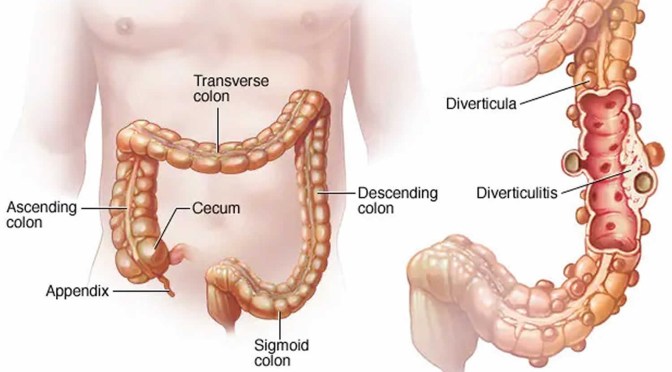
Infographic: Colonic Diverticular Disease

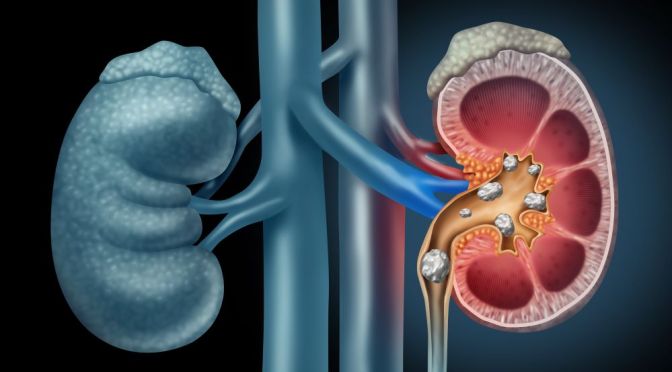
Chronic Conditions: How To Prevent Kidney Stones