Category Archives: SLEEP

Reviews: The Importance Of The Circadian Rhythm

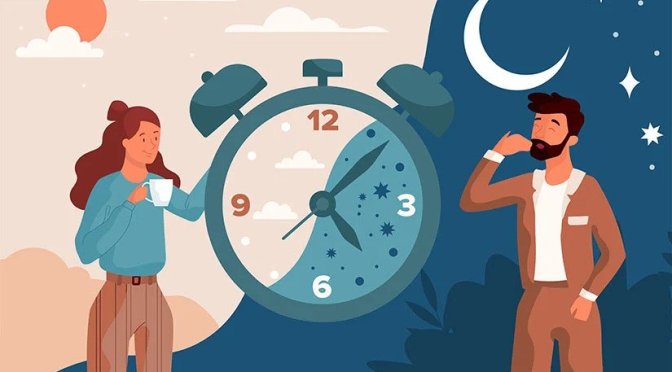
Our bodies have evolved in a binary environment that cycles between day and night, which impose different demands for the optimal functioning of our bodies.
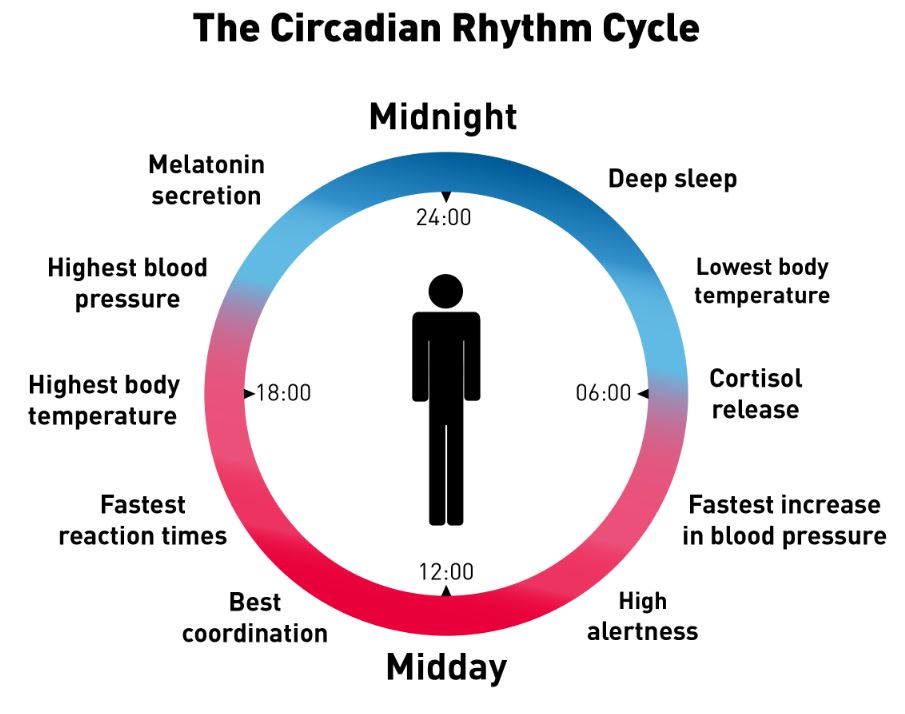
In the daytime, we typically explore, fight and eat. In the night time we rest and digest.

We have an unconscious, or autonomic, nervous system, that helps us adjust, the sympathetic nervous system revving us up for the daytime, and the parasympathetic, including the vagus nerve, slowing us down at night time. Sleep has apparently evolved to repair, cleanse and grow our bodies at night, in a process called anabolism. In the daytime, we have wear and tear, and use more energy to survive in a metabolic process called catabolism.

Hormones and Neurotransmitters help time and facilitate these cycling processes.

Light In the morning, operating through the central “zeitgeber”  in the supachiasmatic nucleus, synchronizes the circadian rhythm present in each of our cells, and drives down melatonin. Cortisol rises to help with stress, adenosine rises because of muscular and neural activity, the sympathetic nervous system is more active to help with alertness and raise the blood pressure, pulse rate, and body temperature.

As the light decreases at night, the melatonin Increases to facilitate sleep. Cortisol decreases, allowing the immune system to become more active, with immune lymphocytes going into the lymph nodes to start  dealing with any infection that has been encountered during the day. The daytime diet is being digested, replenishing the ATP and glycogen energy stores in muscle, brain and other tissues. Growth hormone signals cells to divide, and helps children grow.

Medical science makes use of this information in a field called chronotherapy. Cancer treatment with radiation and radiomimetic drugs are best done at night, when the cells divide.  Asthma medications are often given at night, because asthma is more common with a decrease in cortisol. GERD medications, such as proton pump inhibitors, are best given at night, because gastric acid builds up then, and lying flat encourages any acidic food to reflux into the esophagus.

As I have always mentioned, sleep, diet, and exercise are important for best health.

A sleep hygiene routine, going to bed by 10 PM and getting 7 to 8 hours of sleep is critical to give the body time to repair itself. Getting enough exercise will increase adenosine and facilitate a good nights sleep, along with countless other beneficial effects. Avoiding blue light from television and computer screens in the evening will help melatonin increase for good nights sleep. Avoiding food for three or four hours before bedtime will allow time to get the food out of the stomach and reduce gastroesophageal reflux.

TRE, or time restricted eating, is a form of fasting, which correlates with longevity.

Help the body synchronize its circadian clocks by well-timed, regular habits, and you will have a far better chance to be healthy. You are on dangerous grounds if you foul up the circadian rhythm by staying awake until the wee hours, eating an unhealthy diet and snacking all the time on lots of carbohydrates with little fiber, and sit around without exercising. Obesity, metabolic syndrome, diabetes, and gastrointestinal illnesses, as well as cancer can result.

Night shift work, for example, disturbs our biological clock, and has recently been labeled as carcinogenic.

—Dr. C.
Insomnia: Can Cognitive Behavioral Therapy Help?

May 4, 2023: Difficulty initiating and maintaining sleep is a common problem for many patients. Over-the-counter sleeping aids are used by many and we commonly get asked for prescription medications to help with their sleep.

Unfortunately, the ideal sleeping medication doesn’t exist and many have potentially worrisome adverse effects, some produce daytime somnolence and others may have the potential to produce dependence.

Cognitive behavioral therapy is an alternative treatment option to pharmacologic therapy and is safe, can be easily taught, and offers an alternative to the many with chronic insomnia. In this podcast, we’ll discuss this innovative treatment option with sleep expert, Michael H. Silber, M.B.Ch.B., a neurologist at the Mayo Clinic. 

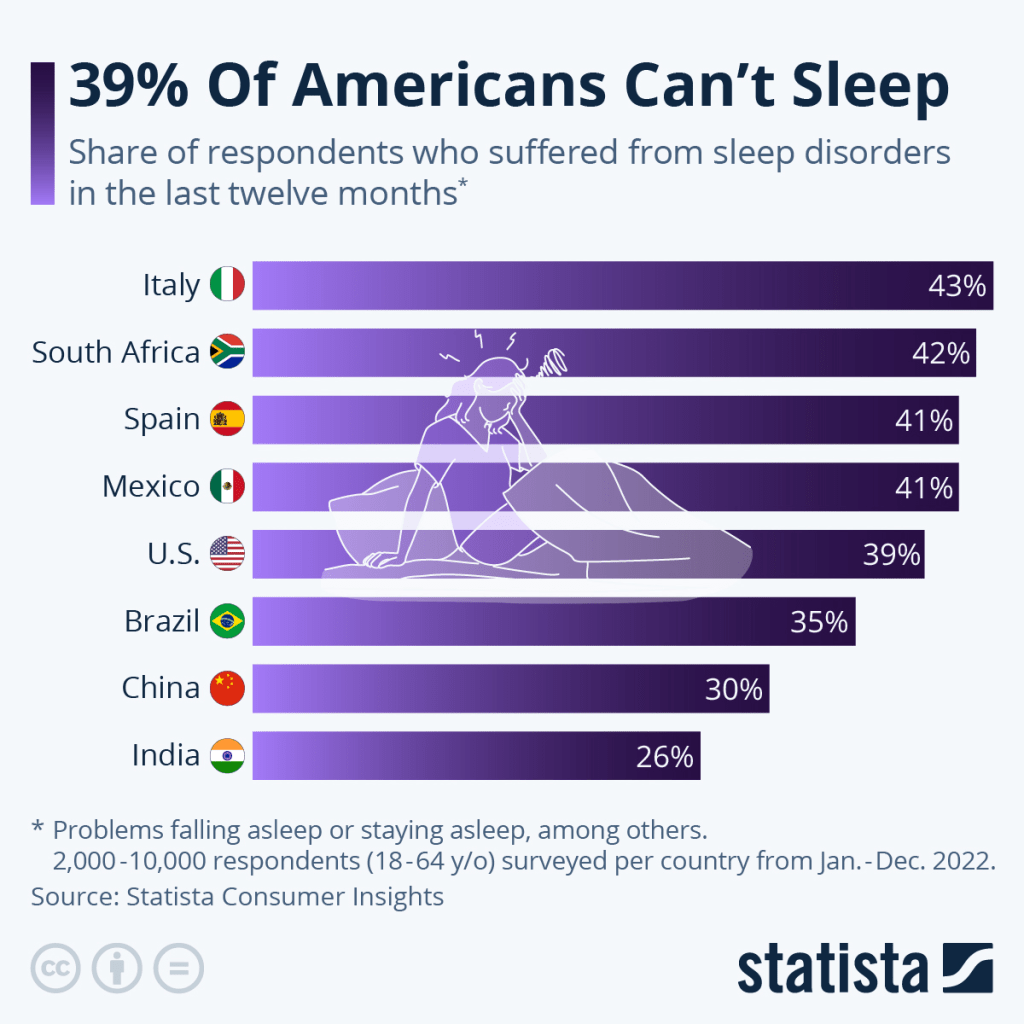
Studies: 39% Of Americans Suffer Sleep Disorders

This Friday, March 17, is World Sleep Day, an annual event that aims to raise awareness of the importance of getting a good night’s sleep. This year’s campaign tagline is “Sleep is essential for health.” According to a study by the American College of Cardiology, up to 8 percent of deaths from any cause could be attributed to “poor sleep patterns”, while those with healthier sleep habits are less likely to die prematurely.

Data from Statista Consumer Insights shows that in the United States, 39 percent of respondents said they had suffered from a sleep disorder (problems falling asleep or staying asleep, insomnia, etc.) in the 12 months prior to the survey. Italians were among the worst sleepers in the survey at 48 percent reporting a sleep disorder, while India registered a higher share of good sleepers, with only 26 percent suffering from poor sleep.

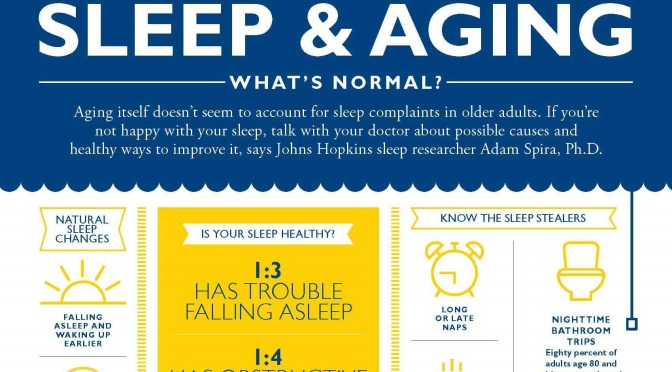
Sleep & Aging : What Can Be Expected? (Yale Medicine)

Yale Medicine (March 12, 2023) – As we age, are melatonin starts rising at an earlier hour in the night, thus we may tend to go to sleep earlier than when we were younger. We still require the same number of hours of sleep (7-9 hours on average), so we may also rise earlier. Our sleep is more likely to be disturbed by medical conditions, medications, or substance use.

Research: Sleep Disorders Links To Brain Health

Research on sleep disorders and the importance of regular shut-eye has deepened our understanding of the link between sleep and brain health.

February 2023

Overall, there are more than 80 sleep disorders, ranging from the mildly annoying to the potentially deadly. The best known is probably insomnia; about 10 percent of the general population has chronic insomnia, an inability to fall asleep for multiple nights over a period of months.

Addressing sleep disorders “is paramount to not only protecting the brain down the road but also on a day-to-day basis,” says Daniel Barone, MD, associate medical director of the Weill Cornell Center for Sleep Medicine in New York City and co-author of The Story of Sleep: From A to Zzz (Rowman & Littlefied, 2023). “One of the best ways to take care of our brains is by getting quality sleep.”

Intriguing Clues

Research on sleep disorders has led to improvements in treatment for a variety of sleep and neurologic conditions. Case in point: Studies in the late 1990s on the causes of narcolepsy with cataplexy—the condition Connor was initially diagnosed with—led to the development of dual orexin receptor agonists, drugs now commonly prescribed to treat insomnia. The researchers discovered that people with narcolepsy with cataplexy often had low levels of hypocretins (orexins), brain chemicals that sustain alertness and prevent REM from happening at the wrong time.

“Once they found out, ‘If I take away your hypocretin, it makes you sleepy,’ there was a new idea of how to make a sleeping pill,” says Rafael Pelayo, MD, clinical professor of psychiatry and behavioral sciences at Stanford University School of Medicine in California and a sleep specialist at the university’s Sleep Medicine Center.

Read More

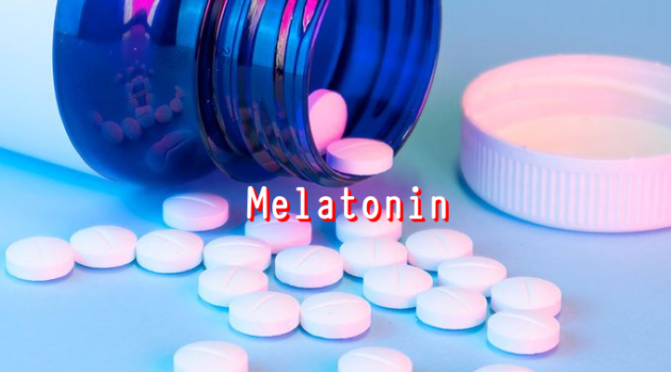
Supplements: Melatonin For Sleep Is Non-Addictive

Melatonin is a hormone that is naturally made by your brain in response to darkness,” says sleep specialist Marri Horvat, MD. “When someone takes melatonin, they are either trying to increase the amount of this hormone overall or increase the amount they have in their body at a certain time to help them fall asleep.”

While there are some possible setbacks to taking melatonin (depending on how your body reacts), it isn’t addictive. Turns out, even if you depend on melatonin to make you fall asleep, it won’t cause your body to become dependent on it.

“As we age, we have a natural decrease in the amount of melatonin we produce, so supplementation can often be helpful,” Dr. Horvat explains.

Read more at Cleveland Clinic

Old Age: ‘Hyperexcitable Neurons’ Interrupt Sleep

For many older adults, a good night’s rest is elusive. The implications of chronically poor sleep can be far-reaching and include a decline in cognitive functioning and detrimental effects on health and general well-being. Fortunately, relief may be in sight.

A new study led by investigators at the Stanford University School of Medicine shows that neurons in the lateral hypothalamus, a brain region, play a pivotal role in sleep loss in old mice. More specifically, the arousal-promoting hypocretin neurons become hyperexcitable, driving sleep interruptions.

Read the full story: https://stan.md/3JQ7z77

Luis de Lecea, PhD, is a professor of psychiatry and behavioral sciences at Stanford Medicine. He is the study’s senior author and hopes the finding could pave the way to new drug treatments for age-related sleep problems in humans.

Shi-Bin Li, PhD, is an instructor in the Psychiatry and Behavioral Sciences department at Stanford Medicine. He is also a basic life research scientist in the de Lecea lab, and is the lead author of the study. Lisa Kim is Senior Manager of Media Relations for Stanford Medicine and Stanford Health Care. Lisa has a deep background in journalism, as she is an Emmy Award-winning journalist who has covered stories on both the national and local levels.

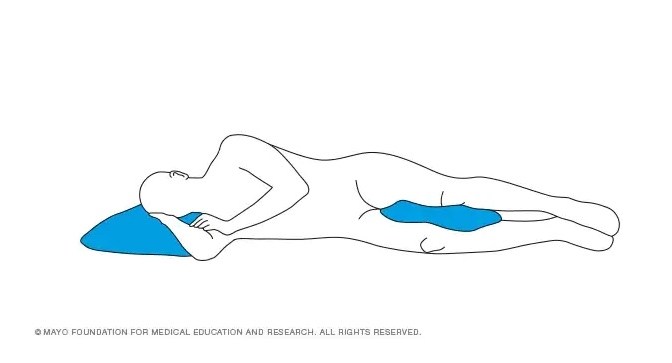
Mayo Clinic: What Are The Best Sleeping Positions?

Back-sleepers beware. “I know many people find it to be comfortable, because they’re not putting weight on their joints,” says Dr. Lois Krahn, a Mayo Clinic sleep specialist. But Mayo Clinic experts say sleeping on your back is actually the worst sleeping position, especially if you have sleep apnea. “Sleeping on the back means that your tongue and jaw can fall down and crowd your airway. And many people snore more on their back,” says Dr. Krahn. Sleeping on your stomach helps keep the airway open, but it can put a strain on your spine and neck. “There’s a host of evidence overall suggesting that probably sleeping on the side is better,” says Dr. Virend Somers, a cardiologist and director of the sleep facility within Mayo Clinic’s Center for Clinical and Translational Science.

Weight Gain: How Lack Of Sleep Makes You Hungrier

Did you know that not getting enough zzz’s can actually make you hungrier? According to sleep scientist Matt Walker, the relationship between what you eat and your sleep is a two-way street. Here’s why understanding it can help you improve your overall health.

Sleep — we spend one-third of our lives doing it, but what exactly do we get out of it? And how can we do it better? In this TED series, sleep scientist Matt Walker uncovers the facts and secrets behind our nightly slumber. (Made possible with the support of Oura) Check out more episodes on TED.com: https://go.ted.com/sleepingwithscience

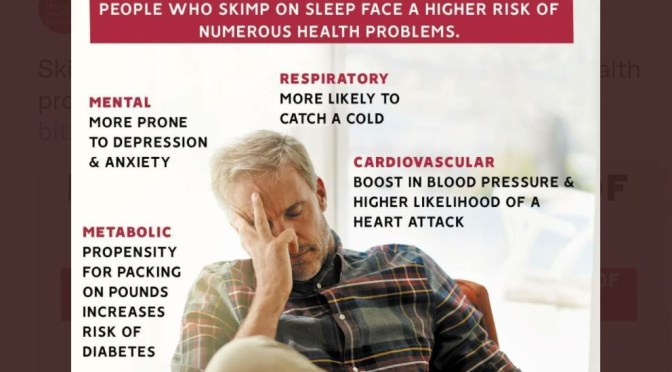
Health: Consequences Of Too Little Sleep (Harvard)