Category Archives: Medicine

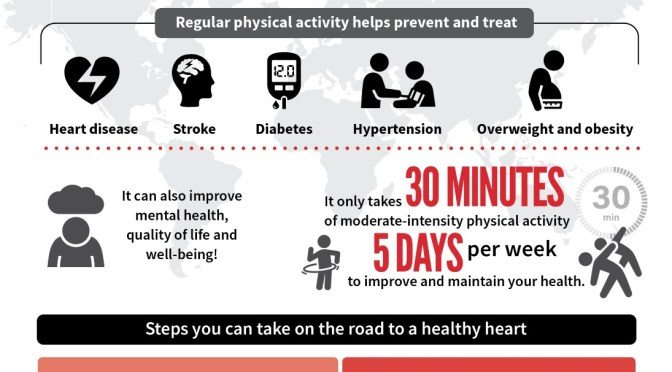
Studies: Regular Exercise Prevents Heart Disease

 Frequent exercise is robustly associated with a decrease in cardiovascular mortality as well as the risk of developing cardiovascular disease. Physically active individuals have lower blood pressure, higher insulin sensitivity, and a more favorable plasma lipoprotein profile. Animal models of exercise show that repeated physical activity suppresses atherogenesis and increases the availability of vasodilatory mediators such as nitric oxide.

Exercise has also been found to have beneficial effects on the heart. Acutely, exercise increases cardiac output and blood pressure, but individuals adapted to exercise show lower resting heart rate and cardiac hypertrophy. 
READ MORE


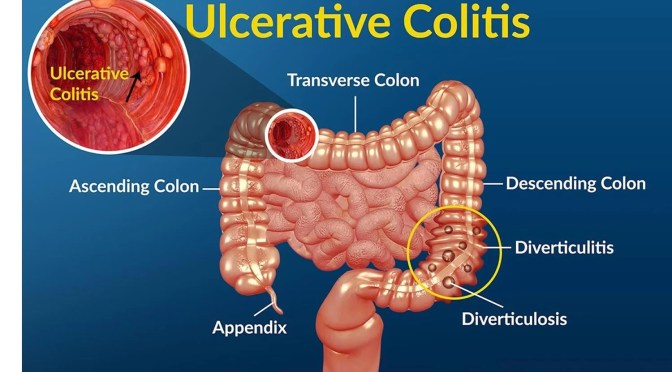
Treatments: Hyperbaric Oxygen Therapy Benefits For Ulcerative Colitis

Northwestern Medicine (March 21, 2023) – Parambir Dulai, MD, is studying the use of hyperbaric oxygen therapy to treat severe ulcerative colitis. The treatment delivers oxygen into the tissues to promote healing.

What Is Ulcerative Colitis?

Ulcerative colitis is an inflammatory bowel disorder that affects the large intestine and rectum, causing bleeding. This chronic condition impacts more than 900,000 Americans. It can begin at any age, but it often starts in young adulthood. Older men are more likely to be diagnosed than older women.

There is no cure for ulcerative colitis, but with treatment, the majority of patients can be symptom-free for long periods of time.

READ MORE

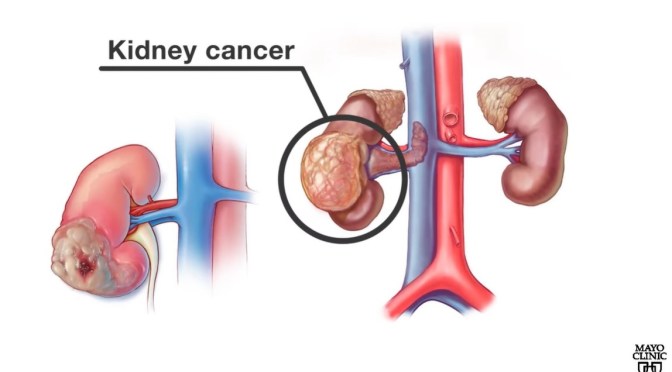
Kidney Cancer: What Are The Treatment Options?

Mayo Clinic (March 20, 2023) – How is kidney cancer treated? About 50,000 people in the U.S. are diagnosed with kidney cancer.

Risks factors for developing this type of cancer include environmental exposures like smoking, high blood pressure, a history of kidney failure, obesity, or not having a healthy weight. And there are also hereditary syndromes that may your risk for kidney cancer.

Dr. Thai Ho, a Mayo Clinic oncologist who specializes in genitourinary malignancies, says there are no screening tests specifically for kidney cancer. When it is discovered early, it’s usually from an imaging test for another issue.

BMJ: Why ‘Frailty’ Impacts Cardiovascular Disease

March 2023: In this episode of the Heart podcast, Digital Media Editor, Professor James Rudd, is joined by Dr Chris Wilkinson from Hull York Medical School and the James Cook hospital, UK. They discuss the concept of frailty and why it’s an important concept in cardiology.

Immunity: How T Cells And B Cells Fight Infections

nature (March 15, 2023) – Lymphocytes are immune cells that play vital roles in fighting infections. The most well-known lymphocytes are the T cells and B cells of the adaptive immune system. In the 1950s and 1960s, scientists performed experiments to follow lymphocytes on their journey around the body, which helped us to work out where they go and what they do.

This work laid the foundation for everything we know about T cells today, including how they become activated to fight infections and how they form memory populations that provide long-lasting immunity.

Learn more about T cells here http://www.nature.com/collections/t-c…

Neurology: What Are Cluster Headaches? (BMJ)

The prevalence of cluster headache is about one in 500. In people coming to a headache clinic, the prevalence is about 10%.

Cluster headaches are excruciating and incapacitating, and affect quality of life. Prompt diagnosis and treatment can make a big difference to the outcome – so it is vital that we get the diagnosis and management of this condition right.

In this BMJ Best Practice podcast on cluster headache, Kieran Walsh talks with Professor Amaal Starling, Associate Professor of Neurology at the Department of Neurology in the Mayo Clinic.

Further resources: clusterbusters.org/.

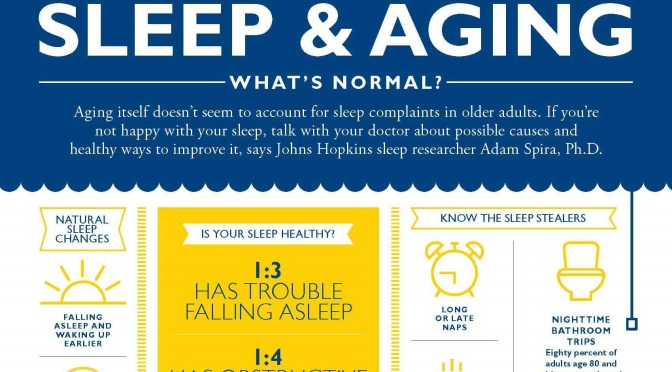
Sleep & Aging : What Can Be Expected? (Yale Medicine)

Yale Medicine (March 12, 2023) – As we age, are melatonin starts rising at an earlier hour in the night, thus we may tend to go to sleep earlier than when we were younger. We still require the same number of hours of sleep (7-9 hours on average), so we may also rise earlier. Our sleep is more likely to be disturbed by medical conditions, medications, or substance use.

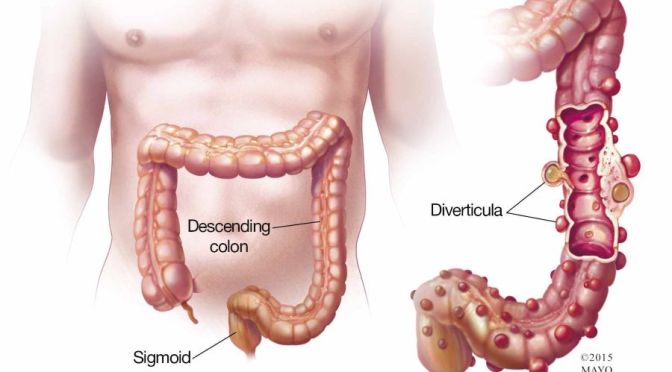
Diverticulitis: Diagnosis And Testing (Mayo Clinic)

Mayo Clinic – Diverticulitis is usually diagnosed during an acute attack. Because abdominal pain can indicate a number of problems, your doctor will need to rule out other causes for your symptoms.

Your doctor will start with a physical examination, which will include checking your abdomen for tenderness. Women generally have a pelvic examination as well to rule out pelvic disease.

After that, the following tests are likely:

  • Blood and urine tests, to check for signs of infection.
  • A pregnancy test for women of childbearing age, to rule out pregnancy as a cause of abdominal pain.
  • A liver enzyme test, to rule out liver-related causes of abdominal pain.
  • A stool test, to rule out infection in people who have diarrhea.
  • A CT scan, which can identify inflamed or infected pouches and confirm a diagnosis of diverticulitis. CT can also indicate the severity of diverticulitis and guide treatment.

READ MORE