Chronic Kidney Disease: New Medication Review

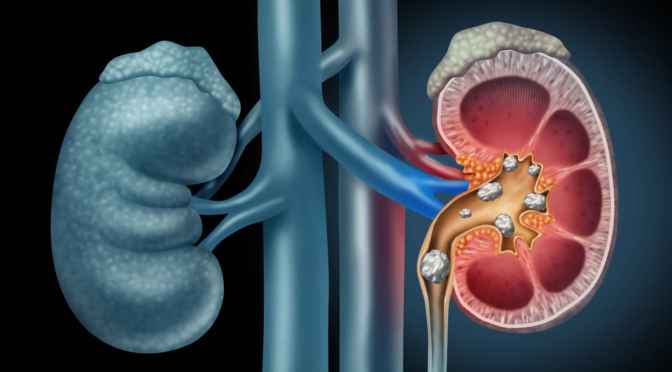
Mayo Clinic (March 6, 2023) – About 15% of adults in the U.S. are estimated to have chronic kidney disease — that’s about 37 million people.

What if those people could be treated with medication that could slow the progression of their disease, and help avoid the need for dialysis and kidney transplantation altogether?

Dr. Naim Issa, a Mayo Clinic transplant nephrologist says there is a class of medications to help people with chronic kidney disease that does just that. He says Mayo Clinic has been incorporating these medications to help patients for the last few years.

March 9 is World Kidney Day, a day aimed at raising awareness about the importance of the kidneys.

READ MORE

Review: Psoriatic Arthritis Flare-Up Signs & Symptoms

“A psoriatic arthritis flare-up is a temporary worsening of symptoms of arthritis, which includes swelling, pain and stiffness in your joints,” explains Dr. Sapkota. “It can also include swelling of the whole toes or fingers due to the swelling of the ligaments around the joint. And sometimes, psoriasis, a skin rash, can worsen at the same time as your joints.”

Mayo Clinic – Symptoms of psoriatic arthritis flare-ups

It can be hard to predict when you may have a flare-up — and the degree of pain and discomfort can vary from person to person.

Psoriatic arthritis flare-up symptoms include:

  • Joint pain.
  • Joint swelling.
  • Joint tenderness.
  • Fatigue.
  • Difficulty moving.

How long do psoriatic arthritis flare-ups last?

A typical psoriatic arthritis flare-up can last anywhere from a few days to a week. It depends on the individual.

And it can vary on when you get them. You may experience flare-ups often, while others may not have them as frequently.

Bottom line? Psoriatic arthritis flare-ups can be unpredictable.

What triggers psoriatic arthritis flare-ups?

Causes of psoriatic arthritis flare-ups can include:

  • Stress and anxiety.
  • Obesity.
  • Smoking.
  • Alcohol.
  • Lack of activity.
  • Lack of sleep.
  • Diet.
  • Skipping psoriatic arthritis medication.
  • Certain medications like beta-blockers.

Lung Infections: Signs & Symptoms Of Pneumonia

Pneumonia is an infection that inflames the air sacs in one or both lungs. The air sacs may fill with fluid or pus (purulent material), causing cough with phlegm or pus, fever, chills, and difficulty breathing. A variety of organisms, including bacteria, viruses and fungi, can cause pneumonia.

Mayo Clinic – Pneumonia can range in seriousness from mild to life-threatening. It is most serious for infants and young children, people older than age 65, and people with health problems or weakened immune systems.

Symptoms

The signs and symptoms of pneumonia vary from mild to severe, depending on factors such as the type of germ causing the infection, and your age and overall health. Mild signs and symptoms often are similar to those of a cold or flu, but they last longer.

Signs and symptoms of pneumonia may include:

  • Chest pain when you breathe or cough
  • Confusion or changes in mental awareness (in adults age 65 and older)
  • Cough, which may produce phlegm
  • Fatigue
  • Fever, sweating and shaking chills
  • Lower than normal body temperature (in adults older than age 65 and people with weak immune systems)
  • Nausea, vomiting or diarrhea
  • Shortness of breath

Newborns and infants may not show any sign of the infection. Or they may vomit, have a fever and cough, appear restless or tired and without energy, or have difficulty breathing and eating.

When to see a doctor

See your doctor if you have difficulty breathing, chest pain, persistent fever of 102 F (39 C) or higher, or persistent cough, especially if you’re coughing up pus.

It’s especially important that people in these high-risk groups see a doctor:

  • Adults older than age 65
  • Children younger than age 2 with signs and symptoms
  • People with an underlying health condition or weakened immune system
  • People receiving chemotherapy or taking medication that suppresses the immune system

For some older adults and people with heart failure or chronic lung problems, pneumonia can quickly become a life-threatening condition.

READ MORE

Technology: 3D-Printed ‘Digital Heart Twins’

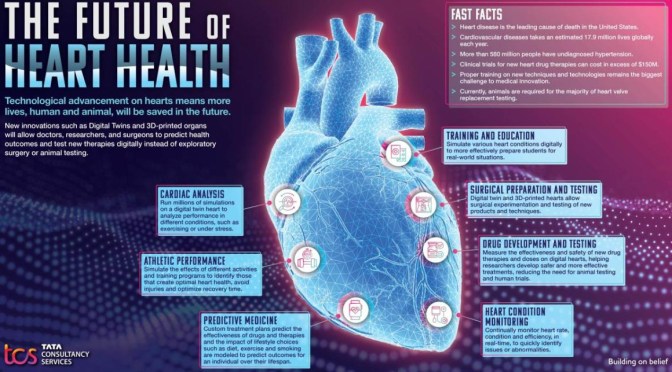
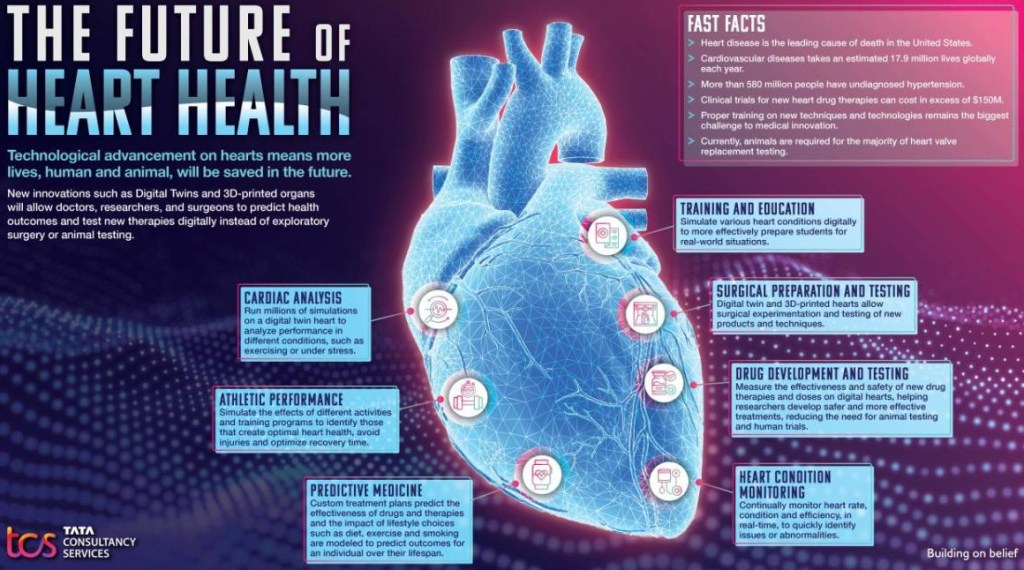
After a digital twin of a heart is created, researchers can go a step further and use 3D printing to create a physical version of a heart. This is then used to practice surgical techniques and test solutions such as new heart valves or drugs without ever touching an actual body.

March 2, 2023: Following National Heart Health Month in February, TCS futurists took a look at how a digital twin of the heart can save more lives – human and animal – in the future. From boosting athletic performance to developing predictive medicine, new advances in technology will help keep hearts healthier than ever.

TCS is on the leading edge of “Digital BioTwin” research, modeling human organs digitally to find new ways for researchers and doctors to test experimental drugs and surgical techniques without risk. With heart disease the leading cause of death in the U.S., it is more important than ever to innovate techniques to keep hearts healthy.

Using information from a MRI of someone’s heart, TCS can create a fully modeled human heart in cyberspace. By applying various historical and speculative data sets, doctors can see the impact of different conditions and situations such as beginning a long-term exercise program or quitting smoking. This approach to predictive medicine demonstrates the real impact of health choices to patients.

READ MORE