

Monthly Archives: April 2022
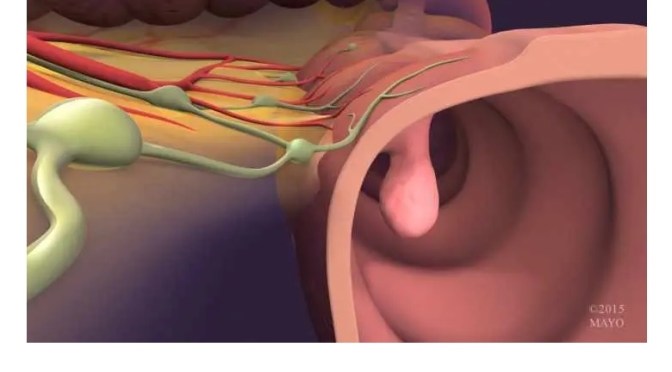
Precancerous Polyps: AI Reduces Screening Misses
Artificial intelligence reduced by twofold the rate at which precancerous polyps were missed in colorectal cancer screening, reported a team of international researchers led by Mayo Clinic. The study is published in Gastroenterology.

DOCTORS PODCAST: MEDICAL & TELEHEALTH NEWS (APR 17)
A weekly podcast on the latest medical, science and telehealth news.
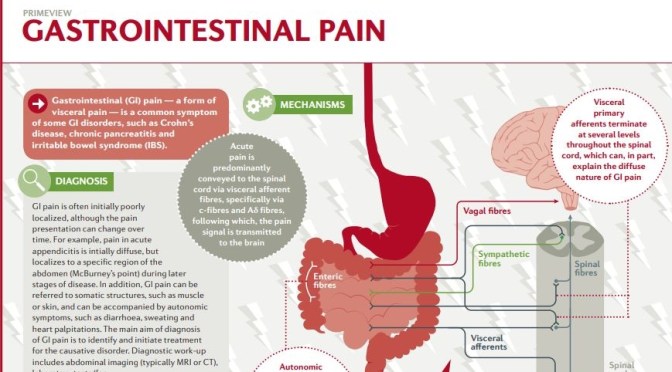
Infographic: Diagnosis Of Gastrointestinal Pain
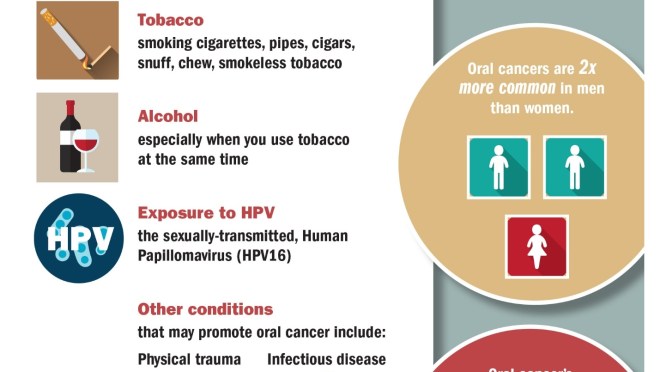
Mayo Clinic: Treating And Preventing Oral Cancer
Oral (mouth) cancer is complicated. It’s okay to have questions. Get informed: https://mayocl.in/3xu4GFH If you or someone you know has been diagnosed with oral cancer, you may be asking yourself a lot of questions. Our experts are here to help you answer them.
Chapters: 0:00 Introduction 0:15 What can I do to prevent oral cancer? 0:45 What is my chance of cure? 1:33 What do oral cancer patients need to know about mental health? 2:33 As a caregiver, how can I support someone with oral cancer? 3:23 How can I be the best partner to my medical team? 2:55 Ending
What is oral cancer? https://bit.ly/37l5Ybx
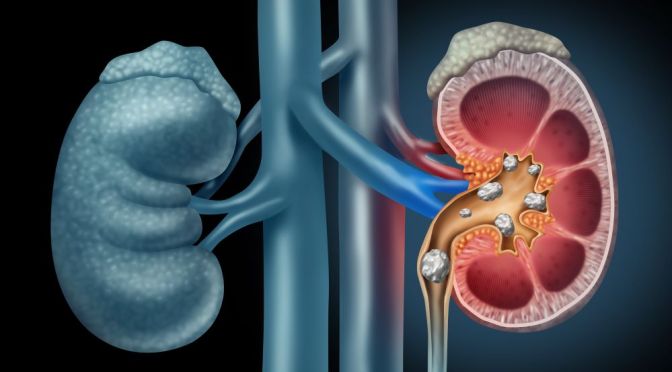
Chronic Conditions: How To Prevent Kidney Stones

Cardiac Tests: B-Type Natriuretic Peptide (BNP)
B-type natriuretic peptide (BNP) belongs to a family of protein hormones called natriuretic peptides. These natriuretic peptides have an important role in regulating the circulation. They act on blood vessels, causing them to dilate, or widen. They also work on the kidneys, causing them to excrete more salt and water. In addition, the natriuretic peptides reduce the production of various hormones that narrow blood vessels, boost the heart rate, or affect fluid retention; examples include adrenaline, angiotensin, and aldosterone.
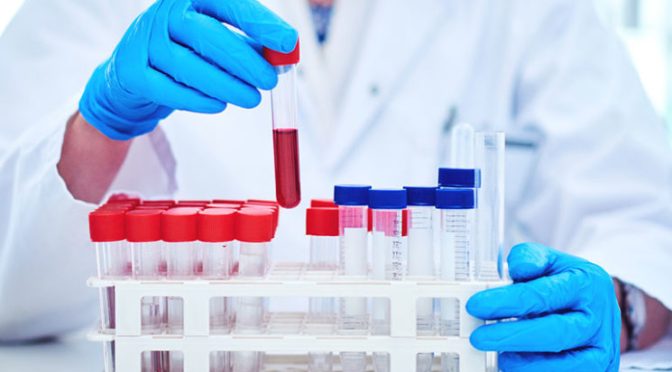
Blood Tests: What Is A ‘Basic Metabolic Panel’?
1. Glucose
Glucose is the type of sugar that your body uses for energy.
What’s normal: 70 to 99 mg/dL (after 8 to 12 hours of not eating).
- What’s normal: 70 to 99 mg/dL (after 8 to 12 hours of not eating).
- What abnormal results can mean: If there’s too much, then it can mean diabetes or prediabetes. If there’s too little, it could mean hypoglycemia.
2. Calcium
Calcium is needed for many body functions, including building bones, heart function, muscle contraction and nerve signaling.
- What’s normal: 8.5 to 10.2 mg/dL.
- What abnormal results can mean: Kidney/liver problems, bone disease, thyroid disease, cancer and malnutrition
3. Electrolytes
Electrolytes are minerals that maintain fluid levels and chemical balance in your body.
- What’s normal: Bicarbonate (total) 18 to 30 mEq/L; Chloride: 98 to 106 mEq/L; Magnesium: 1.8 to 3.6 mg/dL or 1.5 to 3.0 mEq/L; Phosphorus: 3 to 4.5 mg/dL or 1.8 to 2.3 mEq/L; Potassium: 3.5 to 5.5 mEq/L; Sodium: 135 to 147 mEq/L.
- What abnormal results can mean: Dehydration, kidney disease, liver disease, heart failure and high blood pressure.
4. Blood urea nitrogen (BUN)
Blood urea nitrogen (BUN) is a waste product that kidneys filter out of your body.
- What’s normal: 6 to 20 mg/dL.
- What abnormal results can mean: If there’s too much, then it can mean kidney disease, heart failure or dehydration. If there’s too little, it could mean liver failure or malnutrition.
5. Creatinine
Creatinine is a waste product that kidneys filter out of your body.
- What’s normal: For men, 0.7 to 1.3 mg/dL. For women, 0.6 to 1.1 mg/dL.
- What abnormal results can mean: If there’s too much, then it can mean kidney disease, muscle breakdown or dehydration. If there’s too little, it could mean malnutrition or low muscle mass.
“Metabolism involves any way your body converts or uses energy,” says Dr. Allan. “That includes digestion, breathing, circulation, and functioning of your organs, muscles and nervous system.”

Inflammation: How To Treat Ulcerative Colitis
Since ulcerative colitis (UC), a condition that causes inflammation in the colon and rectum, is never medically cured, certain lifestyle behaviors can help you manage symptoms and better cope with your condition. In addition to managing stress, paying attention to what you eat can have a big impact on your quality of life.
There is no single diet that works best for managing UC. In fact, no studies have shown that any specific diet improves symptoms or that any specific foods cause UC flare-ups. The best approach is to avoid or reduce the foods that aggravate your symptoms.
You should eat a well-balanced, healthy diet rich in fresh fruits and vegetables, such as a Mediterranean style diet. Avoid preservatives and emulsifiers, such as carrageenan, carboxymethylcellulose, and polysorbate-80.
DOCTORS PODCAST: MEDICAL & TELEHEALTH NEWS (APR 10)
A weekly podcast on the latest medical, science and telehealth news.
 Doctors Without Waiting Rooms