
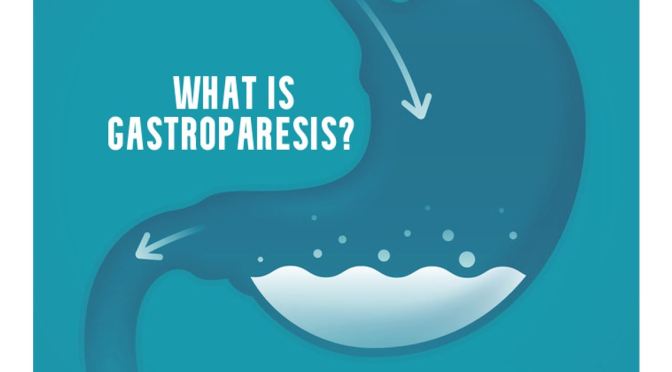
Gastroparesis is a condition that causes delay in the emptying of food from the stomach. This can cause uncomfortable symptoms like nausea, vomiting, and abdominal pain, and can affect #nutrition and quality of life: https://t.co/f3YucXpe7E #HarvardHealth pic.twitter.com/I1ADK1eZkm
— Harvard Health (@HarvardHealth) November 17, 2021
Monthly Archives: November 2021
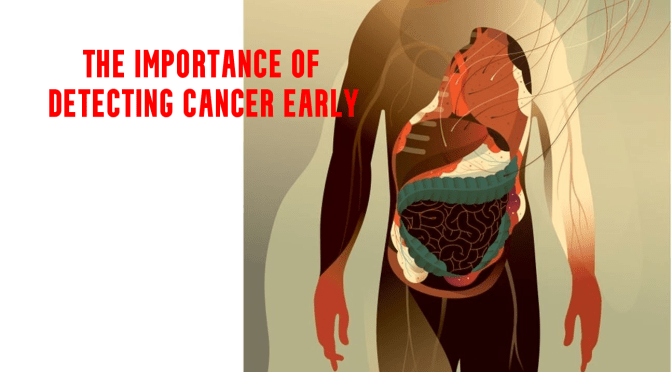
Views: The Importance Of Detecting Cancer Early
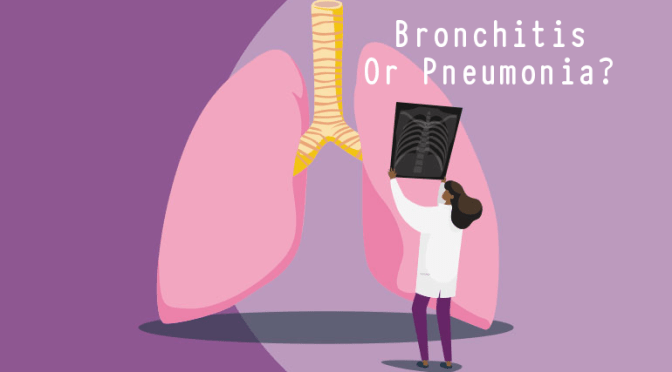
Bronchitis Or Pneumonia: What Is The Difference?
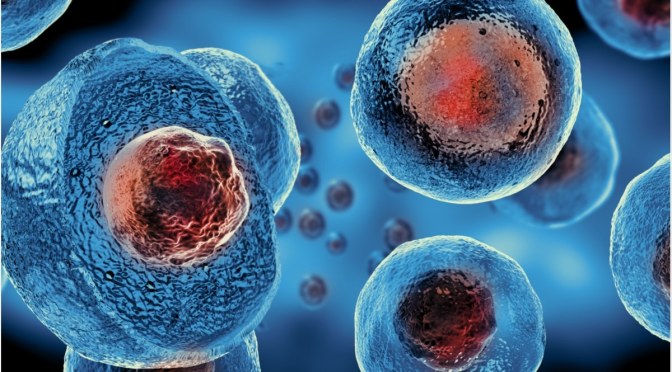
DR. C’S JOUNRAL: STEM CELL TREATMENT UPDATES
The stem cell dream has been present for years, but so far the dream has outpaced reality. Only A handful of stem therapies are actually useful treatments at present.
A Japanese researcher has succeeded in making iSC into eggs, and discovered that you needed supporting ovarian tissues to make the system work in mice.
Some stem cell treatments deemed successful may have actually been due to dead cells or immunity-stimulating debris causing increased functionality, particularly in the heart.
Interestingly, as stem cells slowly differentiate into heart cells, there is a stage of cardio myocyte that beats on its own. This leads to arrhythmias if there is insufficient differentiation in stem cell treatment. Only later in differentiation does the myocyte stop beating on its own and rely upon a signal to contract, as the adult heart does.
A 3-D model of pluripotent heart stem cells has been seen to self organize. Mostly researchers have focused on building tissue around a scaffold to re-create the heart chambers structure, but a heart organoid, known as a cardioid, has been created by adding six signaling factors.
Stem cells in culture mutate about 840 times faster, creating problems. I have a friend who has his own iSC dopaminergic stem cells injected into his brain, but the tissue culture media worryingly shows a teratoma, a type of tumor with all three embryonic tissue lines.
Stem cells had previously been classified as naïve or prime. An intermediate stage is now been discovered called the rosette stage. The developing organism must be sure before it goes ahead.
Whether to make pluripotent stem cells from a persons own tissue, and use it for replacement therapy in that single individual, or to take a cell line that has been vetted, and use it in everybody, accepting the necessity of immunosuppression, is currently being worked out. The Japanese groups are generally going with this latter “allogenic” package and working to match histocompatibility sites.
Parkinson’s treatment is unlikely to be a cure, since the transplanted cells may eventually become diseased themselves. Stem cell treatment can improve symptoms potentially, but can’t alter the course of the disease.
Using fetal cells has proven very problematic, since a given procedure for Parkinson’s may require 4 to 12 fetuses per patient, and you have ethical problems besides.
Spinal cord injury is plagued by inter-species architectural differences, and knowing exactly how severe the injury actually is. Researchers also have to be sure they are not going to make the situation worse.
Chimeras are developing as a research bonanza. The idea is to take a lower species, block the development of a given organ, then inject a higher species stem cells which are more likely to fill the niche if they don’t have domestic competition. Many efforts are directed towards developing human organs in subhuman species. When using primates as the sub species, however, an additional step, blocking the possibility of stem cells becoming neurons is advisable. There’s a lot of ethics in this area.
The pancreas is the area of greatest work at the present time. Keeping an embryo alive in a dish is very important, but difficult. The “14-day rule” is being extended.
The suffix “oid” is getting very popular. We have organoids, spheroids, blastoids, and assembloids. I was a bit surprised to hear how self organizing these tissues are, and also how important are the accessory, helper cells: the ovarian support tissues, the astrocytes in the brain, the pigmented epithelial layer of the eye, the pericytes in blood vessels.
Jeanne Loring is trying to save the white rhinoceros. Just cloning the rhinoceros is not good enough. Some mutations in the germ-lines are needed to make different individuals. This also requires going from Induced stem cell retrograde over to sperm cells; the only two white rhinos still alive or both females.
Currently it requires great technique to take a somatic cell back to induced stem cell. These talented people are called “cell whisperers”.
Mention is made of the Chinese hamster ovaries cells that are commonly used to produce therapeutic proteins. They tend to float in the reactor as single cells. Pluripotent stem cells are more fragile, and need to grow in aggregates. You must form sheets of the stem cells in order to get them to take in the eye, for instance, in order to get them to form retinal pigmented epithelial cells, photo receptors, horizontal cells, bipolar cells, amacrine cells, and ganglion cells. “We transplant 10-20,000 cells per eye. To recover vision you probably need hundreds of thousands of cells. Most people appreciate even a slight improvement in vision, however”.
“ All models are wrong, some are useful“ is the guiding principle of leading edge stem cell Whisperers.
—Dr. C.

DOCTORS PODCAST: MEDICAL & TELEHEALTH NEWS (NOV 14)
A weekly podcast on the latest medical, science and telehealth news.
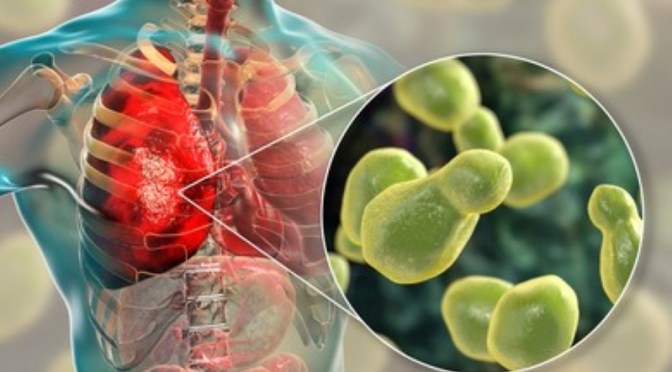
Infections: Cryptococcus Neoformans (Fungi)
Cryptococcus neoformans and gattii are fungi that most commonly infect people with immunodeficiency, especially AIDS, which is highly prevalent in Africa. Cryptococcus is the final cause of death in perhaps 25% of AIDS patients and preventative treatment is sometimes used if the lymphocyte count is too low.
It is an opportunistic fungus, with similarities to pneumocystis carina, which is discussed in a previous entry.

The areas in the body most commonly affected are the lungs, the skin, and the brain. The lung and skin, being exposed to the environment, are the most common entry points for the fungus, and the brain is a frequently involved area. Chronic meningitis, where the symptoms include headache, blurred vision, and confusion, is frequently caused by cryptococcus.
Sometimes, in healthy people, the skin can be infected with “pigeon breeders disease”. Pigeon droppings are a very common source of cryptococcus organisms.
Infection In the lung is usually restricted to immunocompromised individuals, who develop cough, shortness of breath, and fever. Pulmonary cryptococcosis is a slowly developing disease, can be mistaken for tuberculosis, and frequently gets into the bloodstream and then into the brain.
Treatment is usually with amphotericin B and flucytosine.
—Dr. C.
Read more
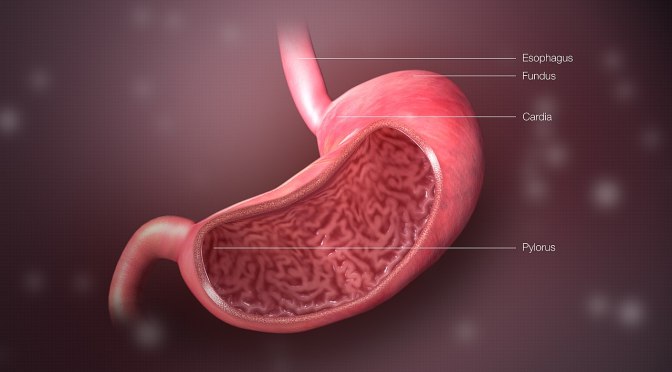
DR. C’S JOURNAL: IT PAYS TO BE KIND TO YOUR STOMACH
This whipping boy of humanity is regularly insulted by all sorts of concoctions dictated by our taste buds and psyche, not to mention the many drugs required to treat our poor health. It is amazing how much abuse it can absorb with minimal complaint.
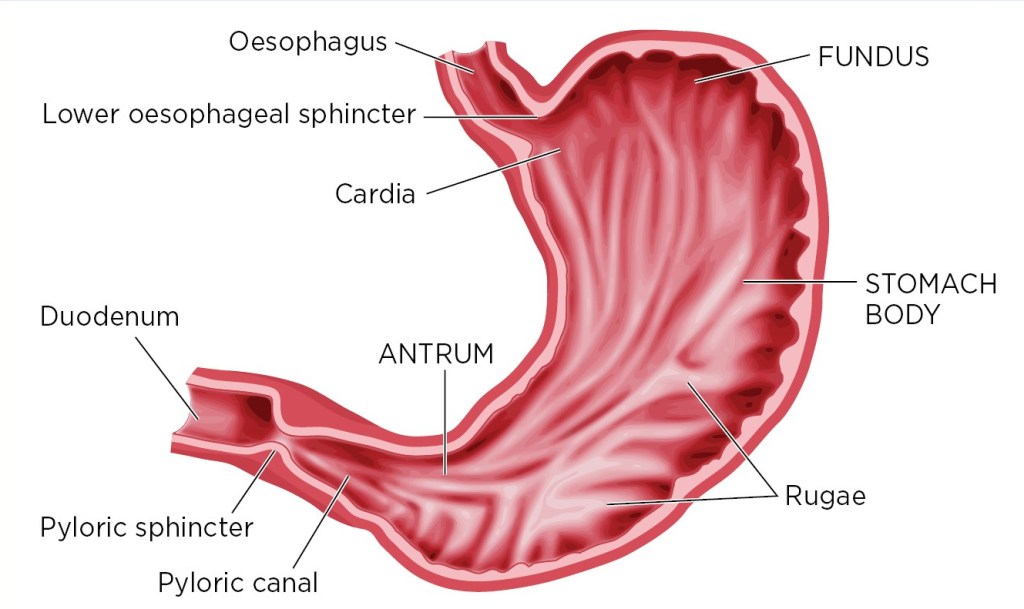
The stomach has evolved as a “fiery pit” of high acid content to intercept various bacterial invaders. Fortunately a few escaped to populate our intestinal tracts, where they are mostly beneficial. One bacterium in particular evolved to tolerate the high acidic conditions of the stomach, like extremophile bacteria tolerate the “smoking vents” underneath the sea. This is the famous helicobacterium pylori, which caused most gastric ulcers in the early days of my medical career. Ulcers were then treated by an ongoing special diet. Now they are treated by a simple course of antibiotics.
The stomach evolved a special lining to tolerate the acid, and a valve to keep it in place. Over time this valve may weaken, allowing the acid to reflux back into the swallowing tube, the esophagus. This produces the familiar heartburn that most of us have experienced, and if chronic, can produce inflammation and the condition called Barrett’s esophagus, which frequently leads to gastric cancer.
Gastric cancer comprises only about 1.5% of cancers in the United States, but in Korea it is the most common cancer. This may be because of the Korean diet, Which often finds nitrites in close proximity to proteins, which donate an amine group to form the carcinogen nitrosamine.
I have begun a time restricted eating program, where I eat my entire days food within a six hour window. My stomach has seemed to tolerate this, but I have noticed that when I eat a lot of fat late in the day (I like half-and-half on my oatmeal) my stomach will object. Alcohol does the same thing, and when I was in medical school we used to give a dose of alcohol to stimulate stomach acid production, as a test.
If you have a lot of pain in the area of the stomach (the epigastrium), chronic heartburn or trouble swallowing chunks of meat, you may well need to see a gastroenterologist, who will look into the esophagus and stomach to check for problems.
Please check the following Mayo clinic articles for more information.
—Dr. C.
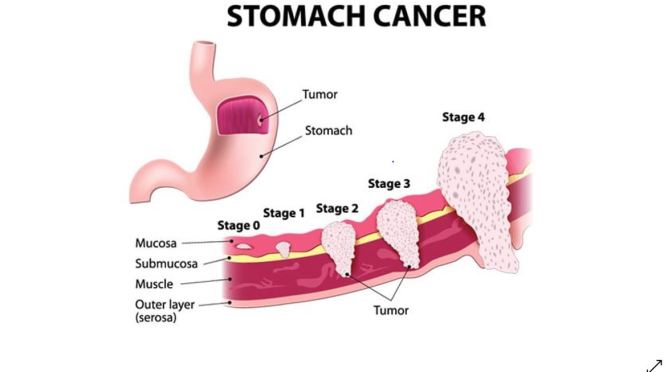
Prevention: Risk Factors For Stomach Cancer
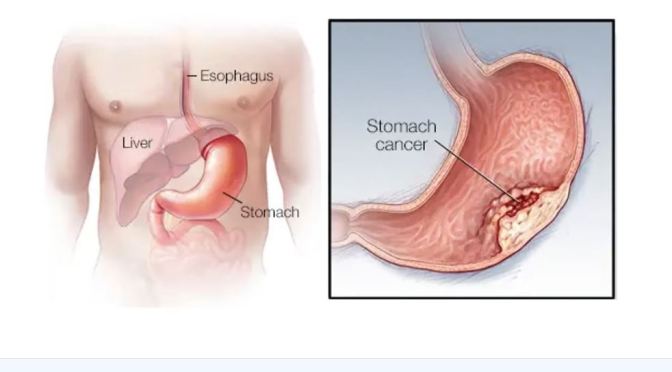
Oncology: Symptoms & Signs Of Stomach Cancer
Stomach cancer, also called gastric cancer, is an abnormal growth of cells that begins in the stomach. It can affect several areas of the stomach, including the main stomach lining or where the esophagus meets the stomach.

DR. C’S MEDICINE CABINET: ‘CELEBREX’ (NSAID)
NSAIDs are a common pain medication. Younger people with no underlying diseases take them all the time for headaches, sprained ankles, and other injuries.
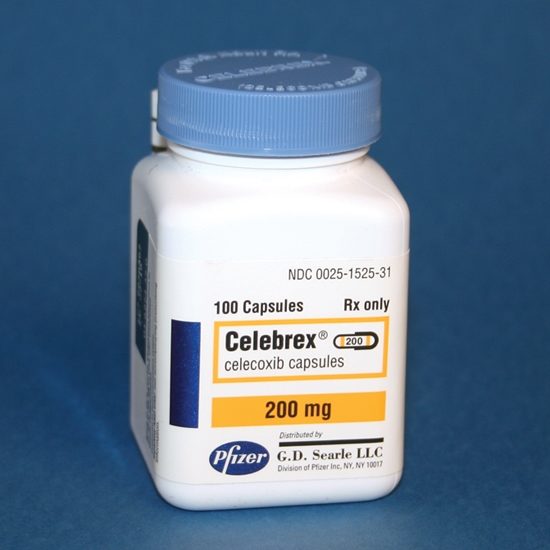
I have an underlying stomach problem that makes me want to minimize the gastrointestinal side effects when I need an NSAID medication, and for that reason I have 100 mg Celebrex, or celecoxib in my medicine cabinet.
I am fortunate not to have much severe pain, although I do have osteoarthritis in my hand, and infrequent abdominal pain from a small bowel surgery.
Celebrex is my magic bullet whenever I have pain from diverse causes such as in my legs; I do have a very active exercise program of an hour a day in the morning and a half an hour in the evening.
The Cox 2 inhibitor‘s were initially touted as being able to avoid the stomach problems caused by the non-selective NSAIDs. Unfortunately, several of them, such as vioxx, were associated with more heart attacks, a 45% increase, and they were removed from the market . Celebrex was a survivor from this group, but it still tends to cause an increase in blood pressure.
Whenever you take any medication, it’s always a trade-off; relief from the problem at hand, traded for the inevitable side effects. There is no powerful medication that has only the desired activity, and most people are better off with a healthy lifestyle than taking medication.
Another advantage with medication avoidance is that when you take the medication, it tends to work a whole lot better. At least I have found that to be true, and celecoxib is my magic pain medication, which has salvaged countless nights of sleep.
 Doctors Without Waiting Rooms