
DR. C REVIEWS MAJOR HEALTH AND TELEMEDICAL NEWS FOR THE WEEK ENDING JULY 4, 2020.
Yearly Archives: 2020
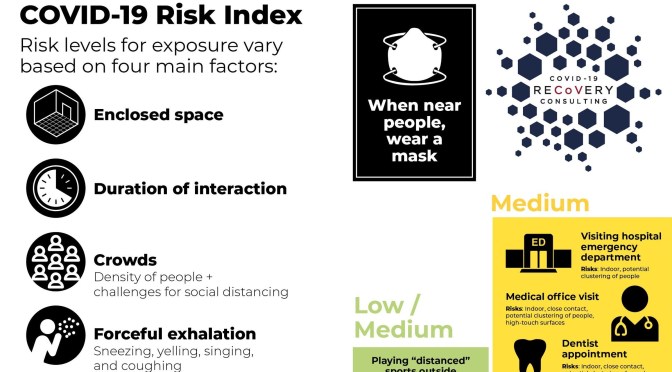
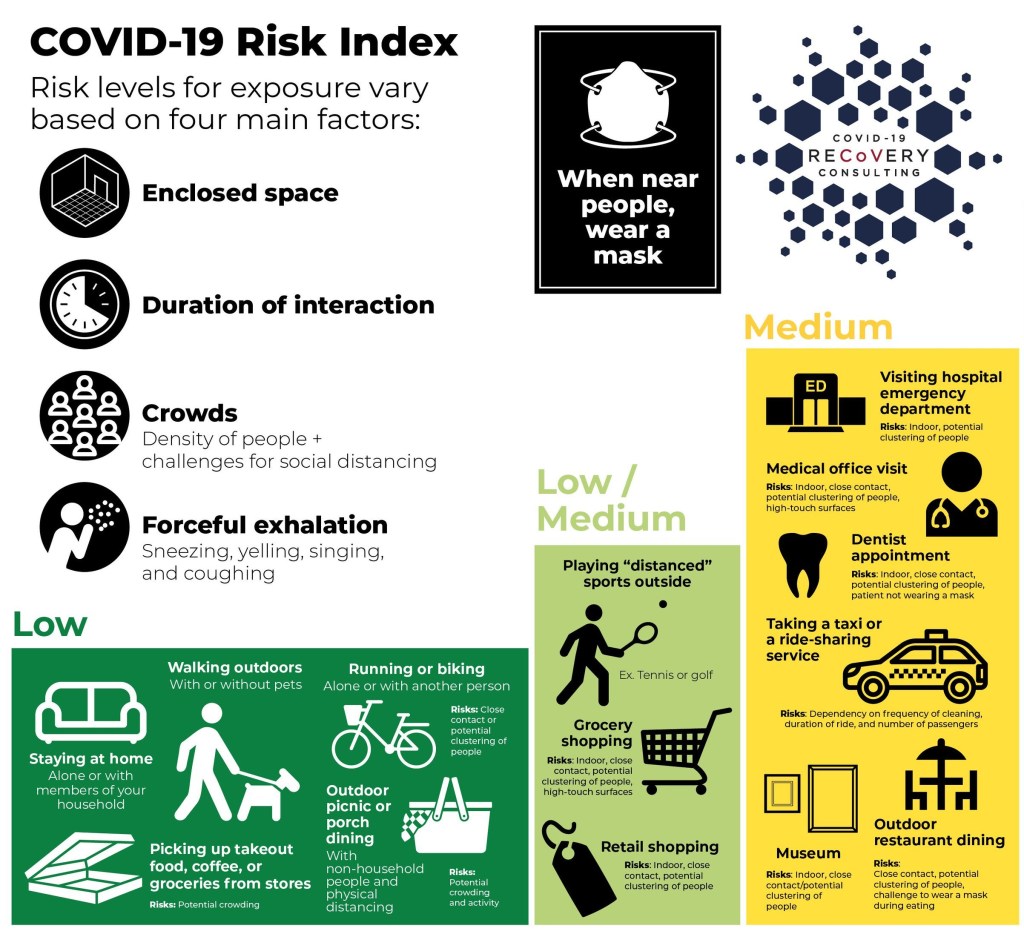
INFOGRAPHIC: COVID-19 HEALTH RISK INDEX

COVID-19 UPDATE PODCAST: HOW RESEARCHERS ARE SIMULATING OUTBREAKS
Researchers have run numerous military-style simulations to predict the consequences of fictitious viral outbreaks. We discuss how these simulations work, what recommendations come out of them and if any of these warnings have been heeded.

24:08 One good thing
Our hosts pick out things that have made them smile in the last week, including audience feedback, the official end of the Ebola outbreak in the northeastern Democratic Republic of the Congo, and an enormous t-shirt collection.
News: World’s second-deadliest Ebola outbreak ends in Democratic Republic of the Congo
28:50 The latest coronavirus research papers
Benjamin Thompson takes a look through some of the key coronavirus papers of the last few weeks.
THE DOCTORS 101 CHRONIC SYMPTOMS & CONDITIONS #5: SCIATICA & BACK PAIN
Chronic back pain and sciatica are very common, and increasing in prevalence. The human back does not seem to have been designed for obesity coupled with sedentary habits. I have had both back pain and sciatica . My wife had surgery in an attempt to control her back pain, my son successfully controlled his back pain with medical treatment, and an 87 year old friend recently had successful micro-neurosurgical treatment.
I will summarize these stories and will finish with some generalizations I believe will help those wanting to avoid a lot of misery. The sooner you start the better.
My back pain developed after an ill-advised use of a shovel to get rid of some grass intruding on my asphalt driveway, and caused me to miss work for the only day in 35 years of practice. Sciatica then developed on my left side. I could not sleep flat, and would sit all night in a comfortable chair. A hospital bed helped me outlast the impressive calf pain.
My wife developed severe back pain eventually leading to a “laminectomy and fusion”. Some level of back pain and incapacity plagued her the rest of her life.
My son developed severe sciatica and went to an Orthopedist. After a CAT scan revealed a rupture disc, he was penciled in for surgery. When asking about alternative treatments, the doctor told him, half laughingly, to lose 20% of his body weight and to start swimming. He went on a 30 day, 1000 calorie/day diet and lost 30 lbs. He has been swimming daily for the past 10 years. He has had no more back pain.
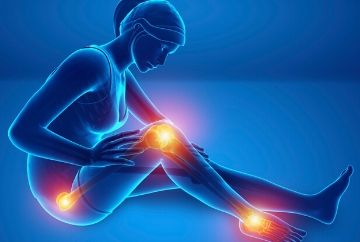
My 87 year old friend developed sciatica on his right side, had no luck with PT and pain meds including opioids. Microsurgery by a neurosurgeon successfully removed his ruptured disc, and he has had little or no pain after the first week.
Sciatica at least has a well defined cause: something is irritating that long nerve which starts in the small of the back and travels to its’ destination in the foot. That something is often an extrusion from an intervertebral disc, a cushion between the block-like vertebral bodies.
This herniation can be confirmed by a CAT scan or MRI, and removed by minimally invasive microsurgery. Beyond that model problem, down through spinal stenosis and ending in chronic back pain, the understanding gets progressively more fuzzy, treatment ever more contrived.
Prevention sounds better and better. The most important thing in preventing back pain is to MAINTAIN A NORMAL WEIGHT. Our backs were not designed for vertically compressive forces. The lock-step increasing incidences of obesity and back/sciatic problems support this idea.
REGULAR EXERCISE is very important. Swimming and walking are 2 of the best forms of exercise. Exercises like running on hard surfaces, jumping in volleyball, and weight lifting seem less optimal.
The ABDOMINAL MUSCLES stabilize the spine, and prevent excessive motion. Walking and swimming both exercise and strengthen the abdominals.
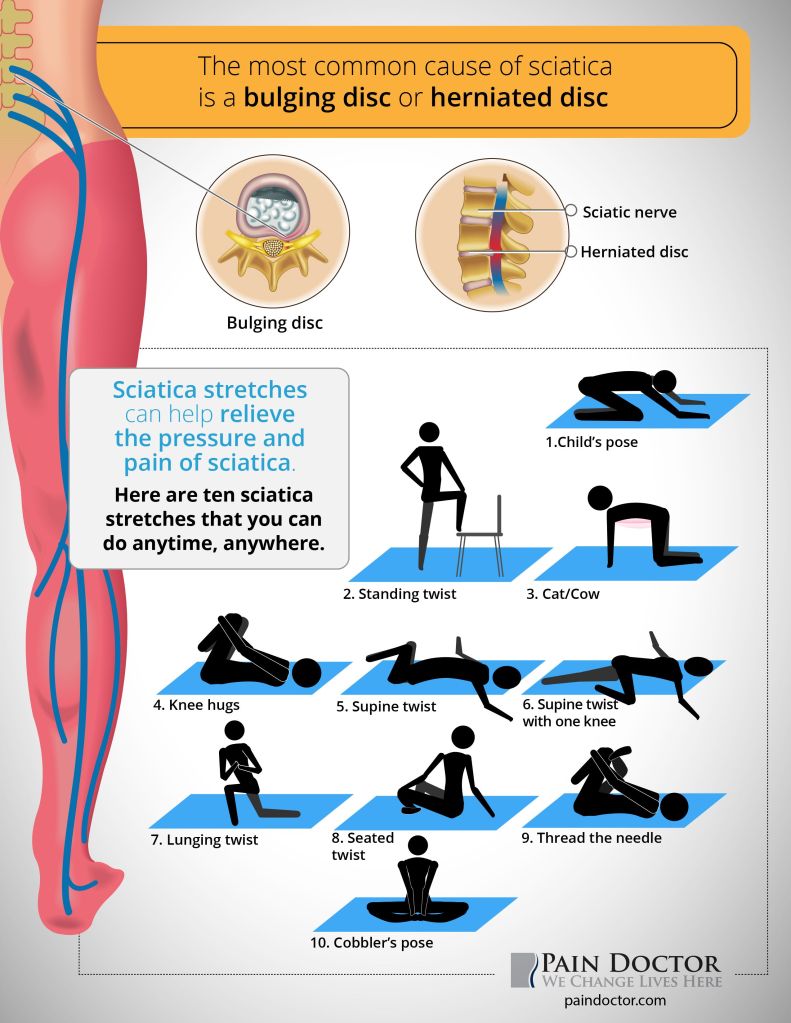
Maintaining FLEXIBILITY and RANGE OF MOTION are important. flexibility will help prevent those unplanned, sudden motions from throwing your back out of alignment, or maybe generating a painful muscle tear.
Finally, getting into the habit of BENDING YOUR LEGS and tensing the stabilizing abdominals when you pick up something on the floor is a help.
I question the wisdom of back surgery for back pain alone, especially if accompanied by spinal fusion. Even when there is sciatica, the statistics show that treatment with surgery is no better than medical therapy after 2 years.
The development of microsurgical techniques may give surgery an edge, however. At the risk of cliche, AN OUNCE OF PREVENTION IS WORTH A POUND OF CURE.
–Dr. C
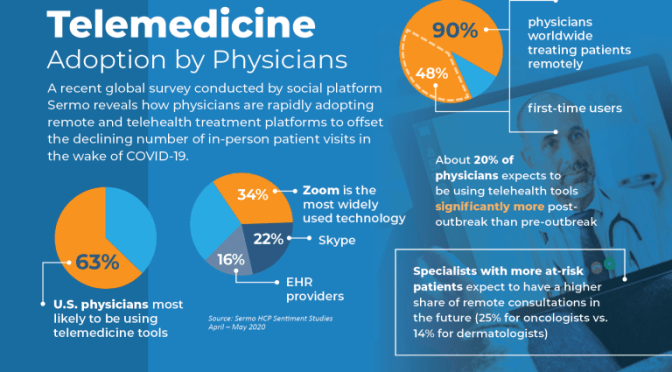
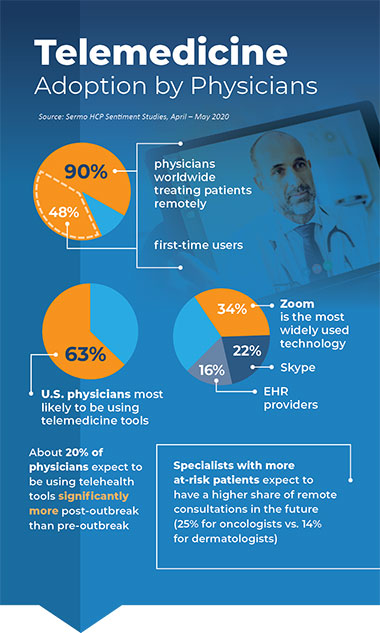
INFOGRAPHIC: “PHYSICIANS ADOPTING TELEMEDICINE”
Diagnostics World (June 30, 2020): The shift from face-to-face patient visits to remote medical appointments is a worldwide phenomenon, but most especially in the U.S., finds a recent global survey conducted by the doctors-only social networking platform Sermo. Unsurprisingly, Zoom tops the list of most-mentioned technologies. About one-fifth of surveyed doctors say they expect to be using telehealth tools “significantly” more post-pandemic than before COVID-19 upended business as usual.
BLOOD TESTS: THE BENEFITS THAT “COMPREHENSIVE METABOLIC PANELS” REVEAL
One of my nurses who was usually in good health developed chronic complaints. She felt tired all the time and had a variety of aches and pains. She has been going through menopause for a long time but this set of problems seem different. Then she broke her arm after sustaining a minor fall. An investigation was in order. I should order some tests, but which ones?
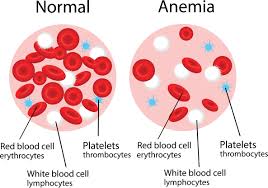
Anemia would explain the fatigue so a CBC was a no brainer. With the surprise fracture, I wanted to cast the net wider, so I ordered a comprehensive metabolic panel.
This is an automated test that was a good value for the amount of information provided, I thought.
Nobody was more surprised than I when the test provided results that were the key to her very rare diagnosis. Her serum CALCIUM was very high, and her alkaline phosphatase was also elevated.
Further evaluation showed her diagnosis to be PRIMARY HYPERPARATHYROIDISM.
Removal of her abnormal parathyroid gland was curative. I have been a big fan of the Comprehensive Metabolic Panel ever since.
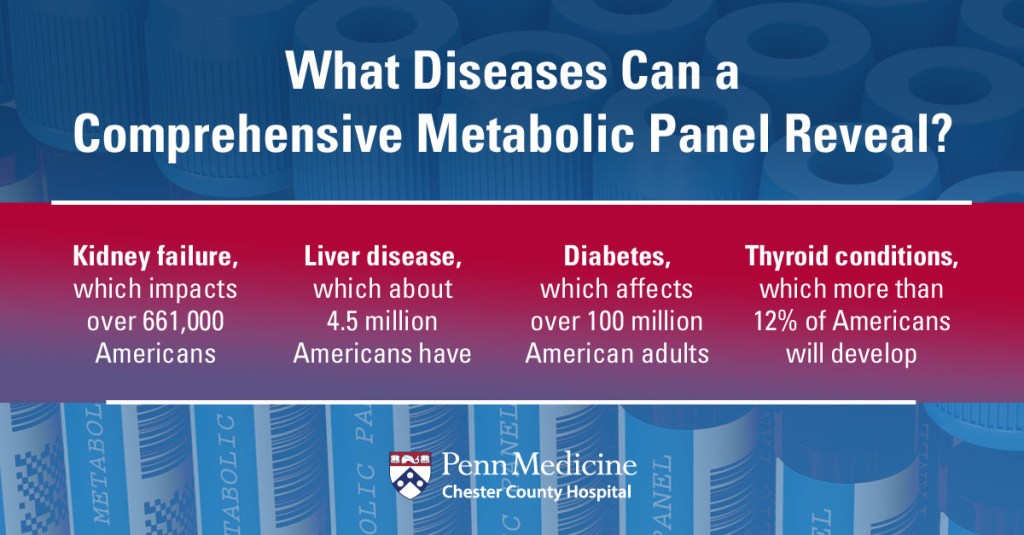
The Panel of 14 tests includes:
- Glucose – an essential test to check in Diabetes, Seizures and Coma.
- Sodium, Potassium, Chloride, and CO2 and the associated Anion Gap – can be abnormal in a variety of accidents, and other conditions.
- BUN and Creatinine – cleared by the kidneys, and become elevated in Renal, or Kidney conditions.
- Calcium and alkaline phosphatase – reflect bone metabolism, and are sensitive to Vitamin D and parathyroid hormone, as in my nurses case.
- Albumin and Globulin – important blood proteins. Globulins contain the important immunoglobulins. A variety of conditions will influence their values.
- AST (SGOT) and ALT – elevated in liver disease
Type in “Comprehensive Metabolic Panel” in google, and choose from the variety of “hits” to get more information about this “ Sherlock Holmes’ Magnifying Glass” for Physicians.
Medicine would be hard pressed to do without it!
Dr. C.

TELEMEDICINE: SENTARA HEALTHCARE IN VIRGINIA OVERSEES 132 CRITICAL PATIENTS WITH ITS “E-ICU”
From ‘Government Technology’ (June 29, 2020):
The hospital system — the first in the country — wired bedside video cameras and microphones on a secure network in 2000 so a medical team could monitor patients at multiple hospitals’ intensive care units from one command center around the clock.
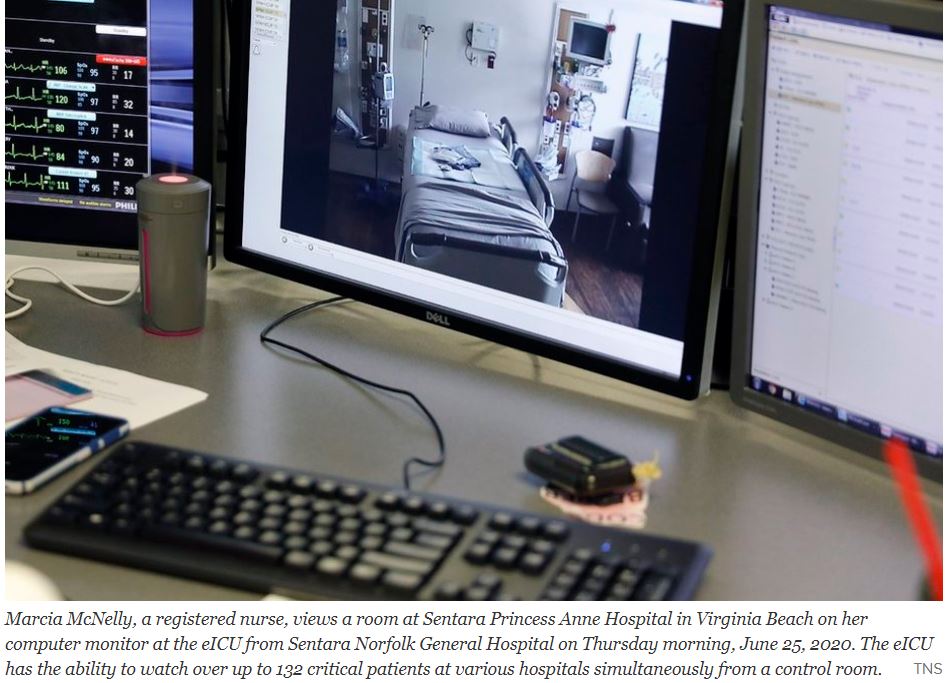
When Sentara Healthcare first launched its “eICU,” the plan was to provide an extra set of eyes on critical patients, especially overnight when staffing was down to a skeleton crew.
Before the coronavirus arrived in Virginia, the average number of telemedicine visits within Sentara Medical Group was about 20 a day. Now, it is more than 2,000 a day, according to the company. Between March and June 21, its clinicians had 314,000 total patient visits, with about 51 percent of them happening virtually.
COMMENTARY
Telemedicine has been slowly developing for 10 or 20 years. The models have been developing according to the requirements of their local areas.
Dartmouth deals with a rural area and has sophisticated aid to it’s associated hospitals and transportation systems to bring Stabilized patients to the main hospital.
Sentara deals with a more urban area and has a central brain aiding the peripheral hospitals in the delivery of treatment locally.
The Tele intensive care unit system of Santara features a central ” Mission Control” With patients in multiple peripheral Intensive care units connected by telemetry. This efficient system allows the peripheral ICUs to operate at a higher level with less staff.
Such telemetry could allow convalescent hospitals and even nursing homes to improve medical care.
With such excellent models one can hope that American medicine will rapidly improve in the post Covid era, riding the wave of telehealth advances.
—Dr. C.

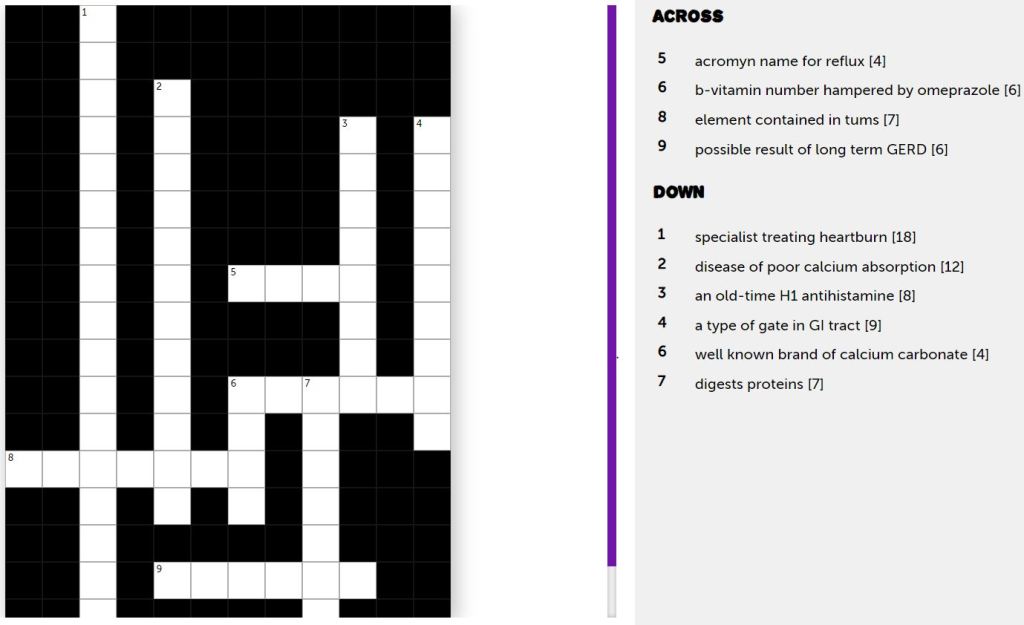
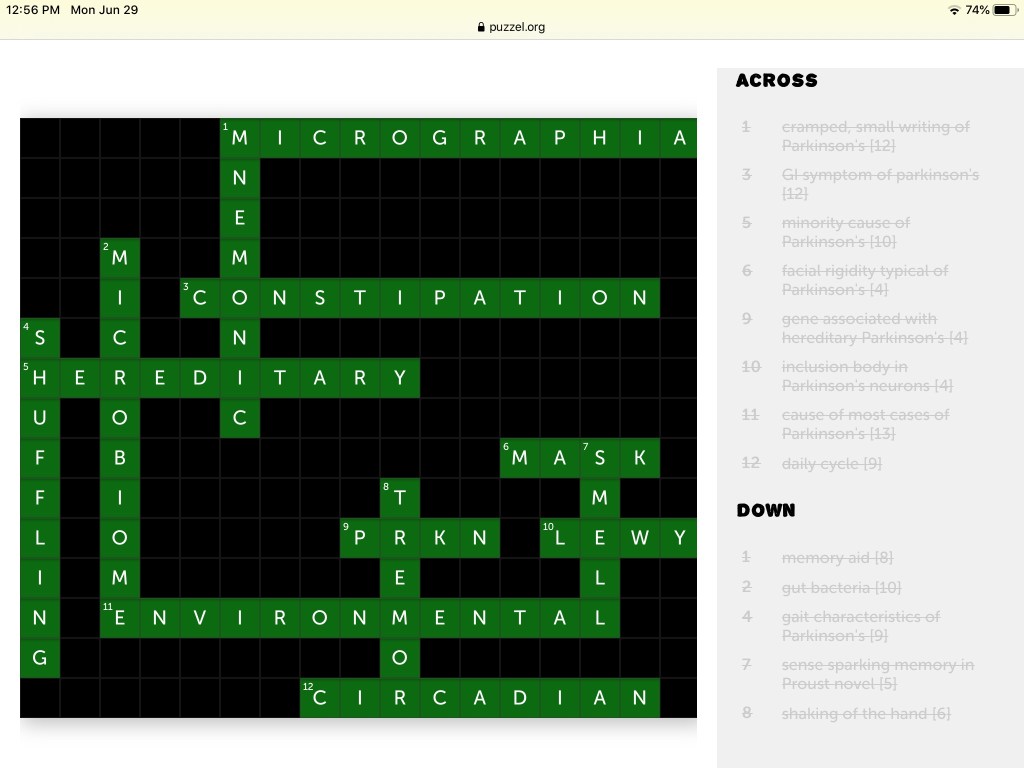
PATIENT EDUCATION: THE “2020 WEEKLY CROSSWORD PUZZLE CHALLENGE” (Jun 29)
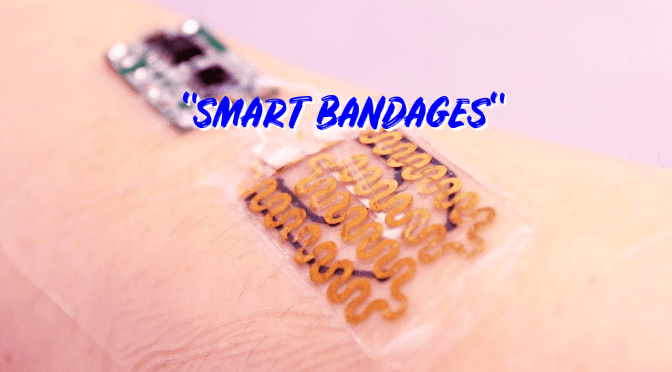
NEW TECHNOLOGY: SMART BANDAGES – “A HEALING REVOLUTION” (TUFTS VIDEO)
On the 100th anniversary of the Band-Aid, Tufts engineer Sameer Sonkusale is working to make “smart” bandages.
COMMENTARY
The Tuft’s video talks about transforming the Band-Aid into a detector that can warn of infection, or even exude the proper antibiotic. This would certainly be Applicable to Convalescent homes where people can’t monitor their own healing.
I am Looking forward to the time when the bandage will provide a matrix for the body’s regenerative cells to spread out and cover the wound more rapidly. Possibly someday the regenerative cells themselves can be applied.
—Dr. C.
DR. C’S PODCAST: WEEKLY MEDICAL NEWS (JUNE 27)
DR. C REVIEWS MAJOR HEALTH AND TELEMEDICAL NEWS FOR THE WEEK ENDING JUNE 20, 2020.
 Doctors Without Waiting Rooms