Northwestern Medicine (March 21, 2023) – Parambir Dulai, MD, is studying the use of hyperbaric oxygen therapy to treat severe ulcerative colitis. The treatment delivers oxygen into the tissues to promote healing.
What Is Ulcerative Colitis?
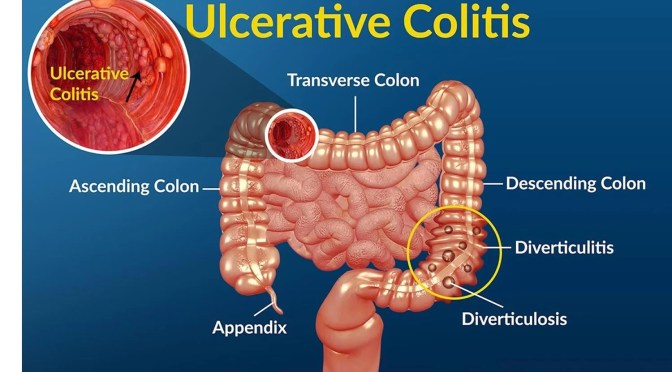
Ulcerative colitis is an inflammatory bowel disorder that affects the large intestine and rectum, causing bleeding. This chronic condition impacts more than 900,000 Americans. It can begin at any age, but it often starts in young adulthood. Older men are more likely to be diagnosed than older women.
There is no cure for ulcerative colitis, but with treatment, the majority of patients can be symptom-free for long periods of time.
Since ulcerative colitis (UC), a condition that causes inflammation in the colon and rectum, is never medically cured, certain lifestyle behaviors can help you manage symptoms and better cope with your condition. In addition to managing stress, paying attention to what you eat can have a big impact on your quality of life.
You should eat a well-balanced, healthy diet rich in fresh fruits and vegetables, such as a Mediterranean style diet. Avoid preservatives and emulsifiers, such as carrageenan, carboxymethylcellulose, and polysorbate-80.
If you have inflammatory bowel disease and also irritable bowel syndrome (IBS), a low-FODMAP diet may be helpful. FODMAP stands for the short-chain carbohydrates known as fermentable oligosaccharides, disaccharides, monosaccharides, and polyols. Some people who eat high-FODMAP foods have an increased risk of problems like diarrhea, bloating, abdominal pain, and flatulence. FODMAPs include the following:
disaccharides, such as lactose (in milk and other dairy products)
monosaccharides, such as fructose (for example, in apples and honey)
oligosaccharides, such as fructans (in wheat, onions, and garlic, for example) and galactans (commonly found in beans, lentils, and soybeans)
polyols, such as sorbitol and mannitol (in some fruits, vegetables, and artificial sweeteners).
A low-FODMAP diet can help reduce abdominal pain, bloating, and diarrhea and improve stool consistency in people with IBS who also have well-controlled IBD. Consult with your doctor and a nutritionist about how FODMAP reduction may fit into your dietary plan.
Since ulcerative colitis is never medically cured, certain lifestyle behaviors can help you manage symptoms. In addition to managing stress, paying attention to what you eat can have a big impact on your quality of life: https://t.co/3mOez9Rgnm#HarvardHealthpic.twitter.com/rsbJsYVhBm
Since ulcerative colitis (UC), a condition that causes inflammation in the colon and rectum, is never medically cured, certain lifestyle behaviors can help you manage symptoms and better cope with your condition. In addition to managing stress, paying attention to what you eat can have a big impact on your quality of life.
There is no single diet that works best for managing UC. In fact, no studies have shown that any specific diet improves symptoms or that any specific foods cause UC flare-ups. The best approach is to avoid or reduce the foods that aggravate your symptoms.
You should eat a well-balanced, healthy diet rich in fresh fruits and vegetables, such as a Mediterranean style diet. Avoid preservatives and emulsifiers, such as carrageenan, carboxymethylcellulose, and polysorbate-80.
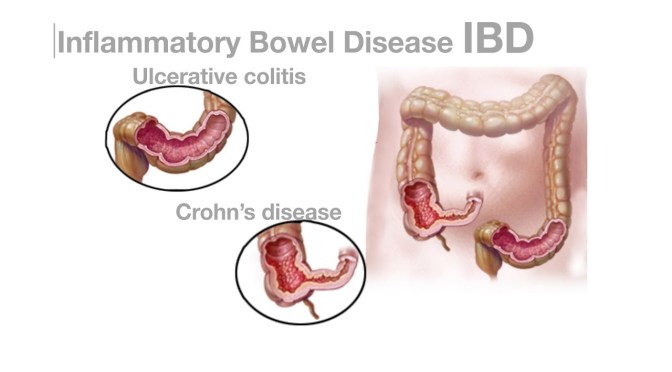
If you or someone you know has been diagnosed with Inflammatory Bowel Disease (IBD), including Crohn’s Disease and Ulcerative Colitis, you may be asking yourself a lot of questions. Our experts are here to help you answer them.
Video Timeline: 0:00 Introduction 0:08 How much will IBD affect my life? 1:03 What causes IBD? 1:58 Can IBD affect my lifespan? 2:19 Does diet affect IBD? 3:01 Is there any cancer risk from having IBD? 3:27 What’s the risk of passing IBD onto my children? 3:52: Are stool transplants real? 4:33 How can I be the best partner to my medical team? 5:11 Ending
Empowering Patients Through Education And Telemedicine


 Doctors Without Waiting Rooms