
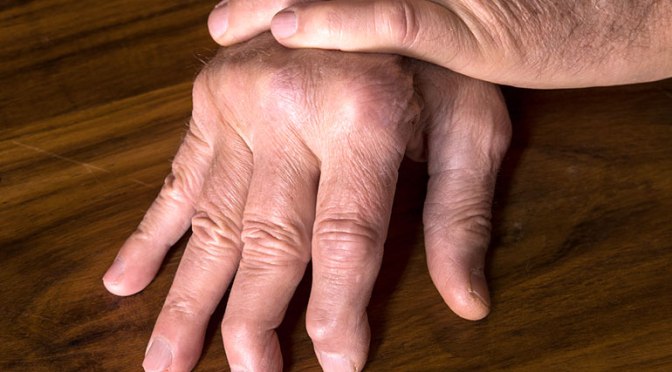
The causes psoriatic arthritis fatigue and how to tame it: https://t.co/W3WfN7fzwd
— Cleveland Clinic (@ClevelandClinic) December 9, 2021
Tag Archives: Treatments
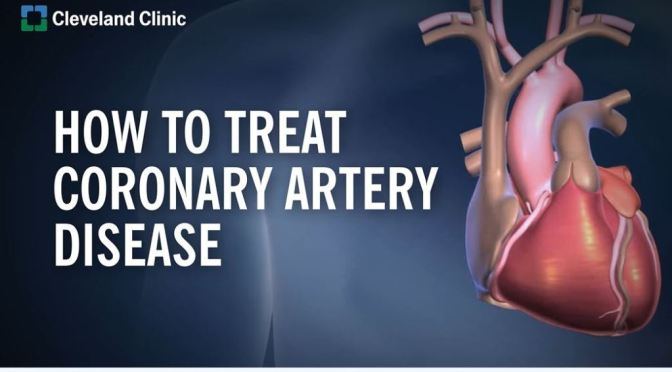
MEDICINE: HOW TO TREAT CORONARY HEART DISEASE
More than 360,000 people died from coronary artery disease in 2019. While there is no cure to the disease, you can take steps to lower your risk and manage the harmful plaque build-up impacting your health. The information in this video was accurate as of 11.25.2021 and is for information purposes only. Consult your local medical authority or your healthcare practitioner for advice.
Chapters: 0:00 Intro 0:12 What is coronary artery disease? 0:26 What are the signs of coronary artery disease? 0:41 Can you reverse coronary artery disease? 1:04 What are statins? 1:34 What are the treatments for coronary artery disease? 1:46 Make lifestyle changes to reduce your risk. 2:07 Taking medication can help treat coronary artery disease. 2:25 What is a coronary stent procedure? 3:03 What is coronary artery bypass graft surgery? 3:36 What’s the best treatment for coronary artery disease? 3:45 When should you talk to your doctor about coronary artery disease symptoms?
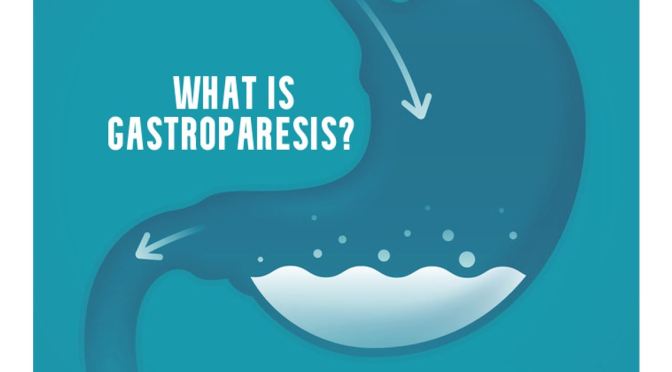
Stomach Health: What Is Gastroparesis? (Harvard)
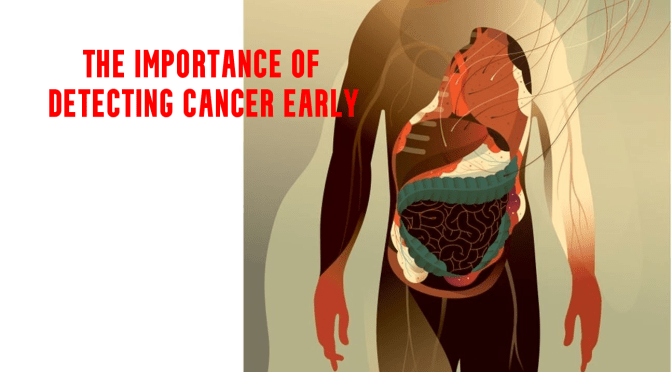
Views: The Importance Of Detecting Cancer Early
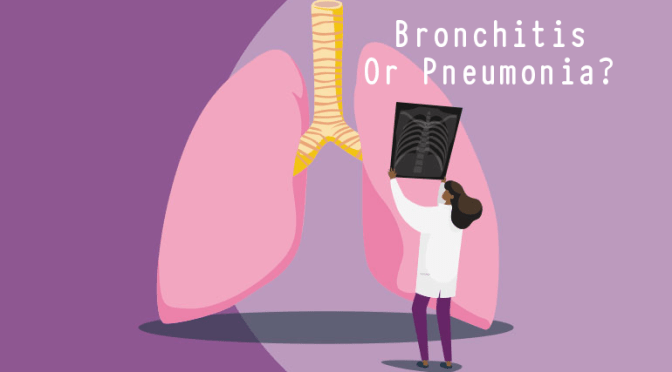
Bronchitis Or Pneumonia: What Is The Difference?
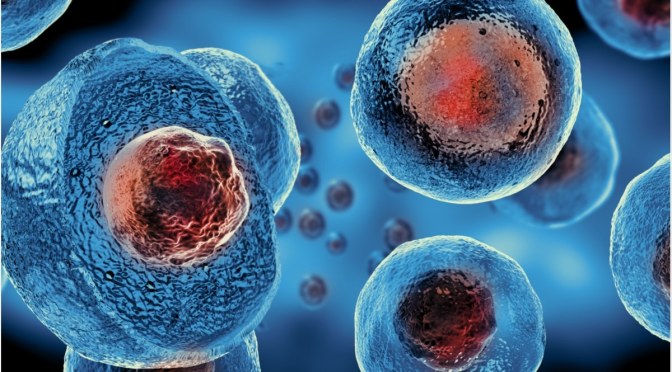
DR. C’S JOUNRAL: STEM CELL TREATMENT UPDATES
The stem cell dream has been present for years, but so far the dream has outpaced reality. Only A handful of stem therapies are actually useful treatments at present.
A Japanese researcher has succeeded in making iSC into eggs, and discovered that you needed supporting ovarian tissues to make the system work in mice.
Some stem cell treatments deemed successful may have actually been due to dead cells or immunity-stimulating debris causing increased functionality, particularly in the heart.
Interestingly, as stem cells slowly differentiate into heart cells, there is a stage of cardio myocyte that beats on its own. This leads to arrhythmias if there is insufficient differentiation in stem cell treatment. Only later in differentiation does the myocyte stop beating on its own and rely upon a signal to contract, as the adult heart does.
A 3-D model of pluripotent heart stem cells has been seen to self organize. Mostly researchers have focused on building tissue around a scaffold to re-create the heart chambers structure, but a heart organoid, known as a cardioid, has been created by adding six signaling factors.
Stem cells in culture mutate about 840 times faster, creating problems. I have a friend who has his own iSC dopaminergic stem cells injected into his brain, but the tissue culture media worryingly shows a teratoma, a type of tumor with all three embryonic tissue lines.
Stem cells had previously been classified as naïve or prime. An intermediate stage is now been discovered called the rosette stage. The developing organism must be sure before it goes ahead.
Whether to make pluripotent stem cells from a persons own tissue, and use it for replacement therapy in that single individual, or to take a cell line that has been vetted, and use it in everybody, accepting the necessity of immunosuppression, is currently being worked out. The Japanese groups are generally going with this latter “allogenic” package and working to match histocompatibility sites.
Parkinson’s treatment is unlikely to be a cure, since the transplanted cells may eventually become diseased themselves. Stem cell treatment can improve symptoms potentially, but can’t alter the course of the disease.
Using fetal cells has proven very problematic, since a given procedure for Parkinson’s may require 4 to 12 fetuses per patient, and you have ethical problems besides.
Spinal cord injury is plagued by inter-species architectural differences, and knowing exactly how severe the injury actually is. Researchers also have to be sure they are not going to make the situation worse.
Chimeras are developing as a research bonanza. The idea is to take a lower species, block the development of a given organ, then inject a higher species stem cells which are more likely to fill the niche if they don’t have domestic competition. Many efforts are directed towards developing human organs in subhuman species. When using primates as the sub species, however, an additional step, blocking the possibility of stem cells becoming neurons is advisable. There’s a lot of ethics in this area.
The pancreas is the area of greatest work at the present time. Keeping an embryo alive in a dish is very important, but difficult. The “14-day rule” is being extended.
The suffix “oid” is getting very popular. We have organoids, spheroids, blastoids, and assembloids. I was a bit surprised to hear how self organizing these tissues are, and also how important are the accessory, helper cells: the ovarian support tissues, the astrocytes in the brain, the pigmented epithelial layer of the eye, the pericytes in blood vessels.
Jeanne Loring is trying to save the white rhinoceros. Just cloning the rhinoceros is not good enough. Some mutations in the germ-lines are needed to make different individuals. This also requires going from Induced stem cell retrograde over to sperm cells; the only two white rhinos still alive or both females.
Currently it requires great technique to take a somatic cell back to induced stem cell. These talented people are called “cell whisperers”.
Mention is made of the Chinese hamster ovaries cells that are commonly used to produce therapeutic proteins. They tend to float in the reactor as single cells. Pluripotent stem cells are more fragile, and need to grow in aggregates. You must form sheets of the stem cells in order to get them to take in the eye, for instance, in order to get them to form retinal pigmented epithelial cells, photo receptors, horizontal cells, bipolar cells, amacrine cells, and ganglion cells. “We transplant 10-20,000 cells per eye. To recover vision you probably need hundreds of thousands of cells. Most people appreciate even a slight improvement in vision, however”.
“ All models are wrong, some are useful“ is the guiding principle of leading edge stem cell Whisperers.
—Dr. C.
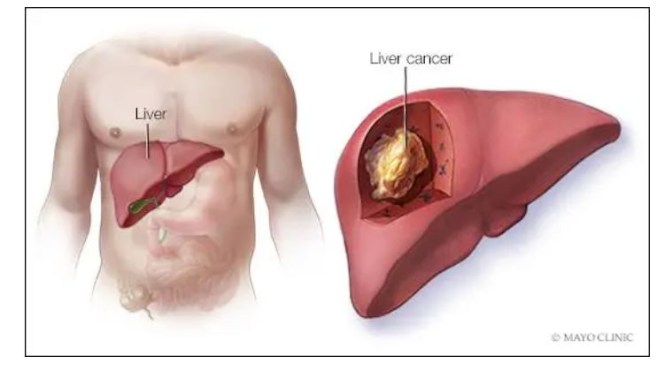
Podcast: Treating And Preventing Liver Cancer
The National Cancer Institute estimates that more than 42,000 new cases of liver cancer will be diagnosed in 2021, representing 2.2% of all new cancer cases in the U.S. The most common type of primary liver cancer is hepatocellular carcinoma.
Other types of liver cancer, such as intrahepatic cholangiocarcinoma and hepatoblastoma, are much less common. “The vast majority of liver cancers — over 90% — occur in patients who have a chronic liver disease,” says Dr. Ilyas. “Cirrhosis, or advanced scarring of the liver, is the strongest risk factor for hepatocellular carcinoma.” Chronic infection with the hepatitis B or hepatitis C viruses also increases your risk of liver cancer.A wide range of treatment options for primary liver cancer are available. Which treatment is used depends on the stage of the disease. On the Mayo Clinic Q&A podcast, Dr. Ilyas discusses liver cancer diagnoses and treatment options, and the importance of prevention.
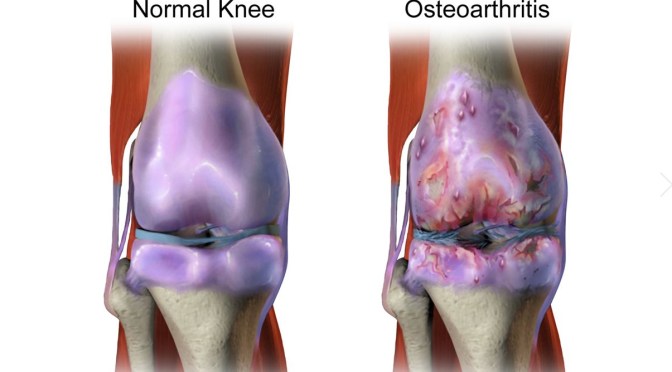
OSTEOARTHRITIS: SYMPTOMS & TREATMENT OPTIONS (UVA)
Osteoarthritis is a “wear-and-tear” form of arthritis. Over time, the protective tissue at the ends of the bones wears down, so simple tasks like standing up or taking the stairs becomes painful. Orthopedic surgeon James Browne, MD, discusses the causes of the disease, and the many treatment options available at UVA.
Find out more at: https://uvahealth.com/services/joint-..
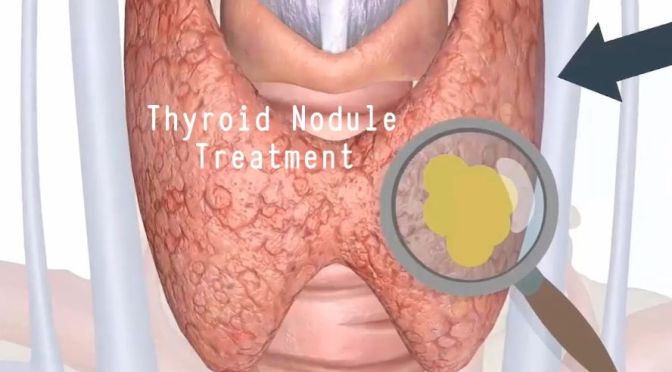
Endocrinology: Thyroid Nodule Treatment (Video)
The Endocrine Surgery Program at Massachusetts General Hospital provides multidisciplinary, specialized treatment for thyroid nodules, a lump that commonly occurs in the thyroid. If you think that you may have a thyroid nodule, you should be evaluated by a physician. In this video, Sareh Parangi, MD, endocrine surgeon at Mass General, shares more about what to expect for diagnosis and treatment of thyroid nodules.
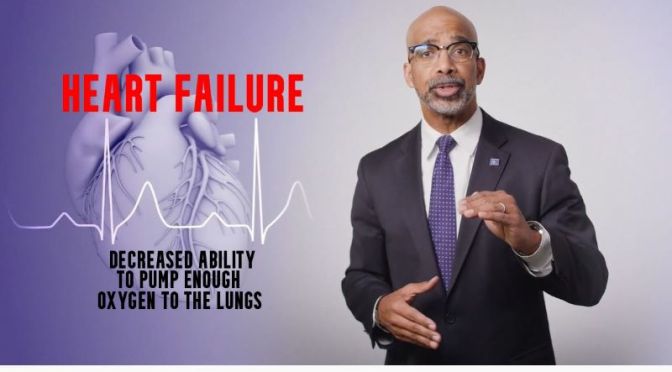
Heart Failure: ‘What It Is & How To Treat It’ (Video)
The heart is a hero. It works relentlessly to deliver oxygen and nutrients to the body. But just like all heroes, sometimes it gets tired, and can’t do its job as well. This is called heart failure – the inability for the heart to pump enough blood and oxygen to the lungs and rest of the body. In this video, Northwestern Medicine cardiologists Clyde W. Yancy, MD, MSc and Jane E. Wilcox, MD, MSc explain what heart failure is and the integrated and collaborative approach used to diagnose, stage and treat heart failure at Northwestern Medicine. For more information, visit http://heart.nm.org
 Doctors Without Waiting Rooms