Tag Archives: Symptoms

Arthritic Conditions: The Signs & Symptoms Of Gout

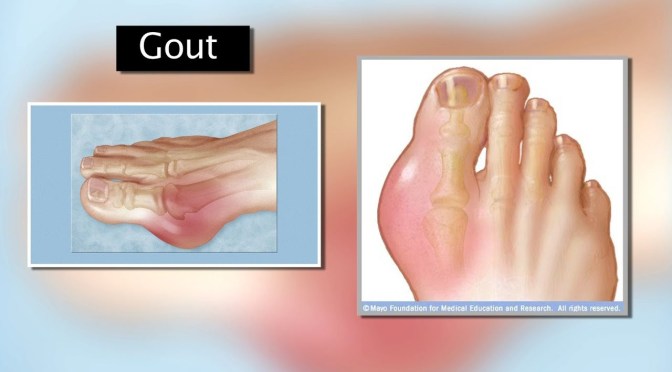
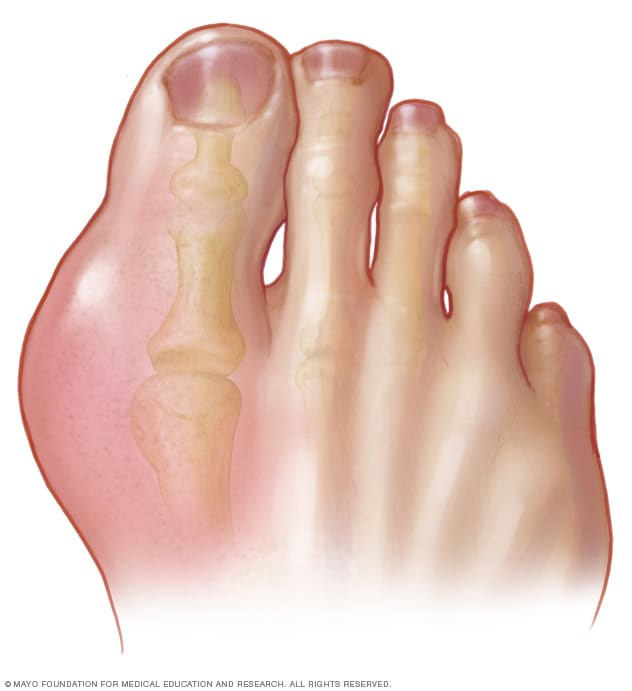
#Gout is a common & complex form of arthritis that can affect anyone. It’s characterized by sudden, severe attacks of pain, swelling, redness and tenderness in joints, most often in the big toe.

An attack of gout can occur suddenly, often waking you up in the middle of the night with the sensation that your big toe is on fire. The affected joint is hot, swollen and so tender that even the weight of the bedsheet on it may seem intolerable.

Gout symptoms may come and go, but there are ways to manage symptoms and prevent flares.

Symptoms

Gout in the big toe

The signs and symptoms of gout almost always occur suddenly, and often at night. They include:

  • Intense joint pain. Gout usually affects the big toe, but it can occur in any joint. Other commonly affected joints include the ankles, knees, elbows, wrists and fingers. The pain is likely to be most severe within the first four to 12 hours after it begins.
  • Lingering discomfort. After the most severe pain subsides, some joint discomfort may last from a few days to a few weeks. Later attacks are likely to last longer and affect more joints.
  • Inflammation and redness. The affected joint or joints become swollen, tender, warm and red.
  • Limited range of motion. As gout progresses, you may not be able to move your joints normally.

Read about the ways to manage symptoms & prevent flares. https://mayocl.in/3P29WFA

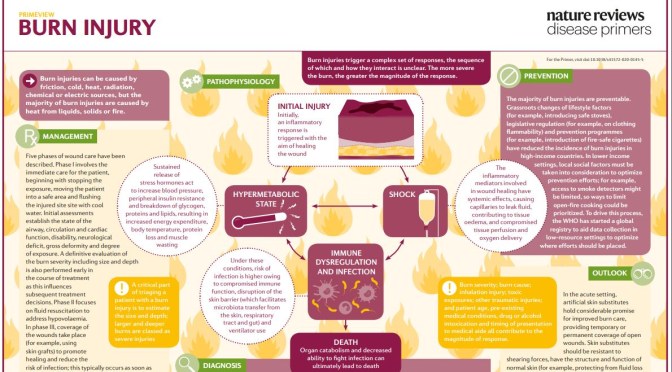
Infographic: How Bodies React To Burn Injuries

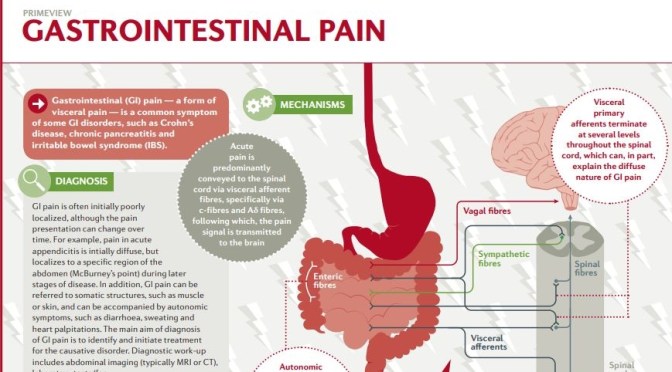
Infographic: Diagnosis Of Gastrointestinal Pain

Inflammation: How To Treat Ulcerative Colitis

Since ulcerative colitis (UC), a condition that causes inflammation in the colon and rectum, is never medically cured, certain lifestyle behaviors can help you manage symptoms and better cope with your condition. In addition to managing stress, paying attention to what you eat can have a big impact on your quality of life.

There is no single diet that works best for managing UC. In fact, no studies have shown that any specific diet improves symptoms or that any specific foods cause UC flare-ups. The best approach is to avoid or reduce the foods that aggravate your symptoms.

You should eat a well-balanced, healthy diet rich in fresh fruits and vegetables, such as a Mediterranean style diet. Avoid preservatives and emulsifiers, such as carrageenan, carboxymethylcellulose, and polysorbate-80.

Varicose Veins: Symptoms And Treatment (Harvard)

Can you prevent varicose veins?

Even if you have a family history of varicose veins, they aren’t always inevitable, says Dr. Sherry Scovell, a vascular and endovascular surgeon at Harvard-affiliated Massachusetts General Hospital. Three simple strategies can help to prevent them.

1. Get moving. “Leading an active lifestyle is probably the most important thing that you can do for prevention,” says Dr. Scovell. Exercise, particularly walking, induces calf muscle contractions that keep blood flowing efficiently. “The calf muscles act like a heart for the veins,” she says. People sometimes believe that if they stand more and sit less, they can prevent vein problems. But that’s not true if you’re mostly standing still. “It’s better to move as much as possible,” says Dr. Scovell. Exercise also helps you maintain a healthy weight, which can keep varicose veins at bay.

2. Put your feet up. Give your legs a break by elevating your feet at the end of the day, and even during the middle of the day if you’ve got some spare time. This can relieve pressure on the veins to help keep them healthy.

3. Pull on compression stockings. These garments fit snugly on your legs, squeezing them slightly to help keep blood moving. People sometimes think they’re unfashionable and are reluctant to wear them. But today’s stockings don’t resemble old-fashioned versions, says Dr. Scovell. Compression stockings come in numerous styles, including calf-high tube socks, dress socks, and tall stockings that look like tights. “They make them in so many cool colors and patterns,” says Dr. Scovell. “They can be fashionable and still help your veins at the same time.” You can purchase over-the-counter compression stockings at a drugstore or get medical-grade options through your primary care doctor or a specialist.

COMMENTARY:

Varicose veins entered my vocabulary when I noticed that my feet were different in their coloration; my left foot was darker than my right, and had a bruise-like discoloration at the heel. Some enlargement and irregular “snaking” of my veins was also apparant at that time.

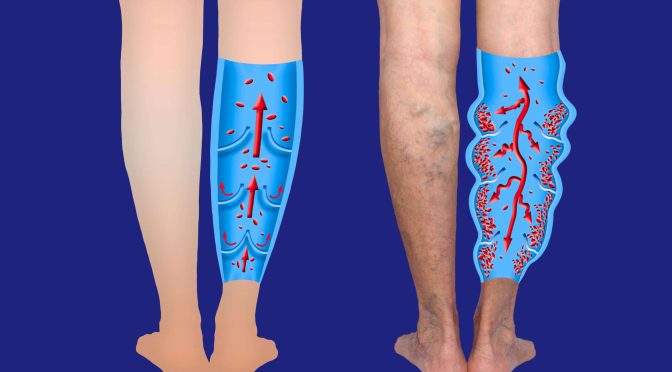
I went to see a vascular surgeon who performed an ultrasound on my veins, and informed  me that my popliteal valve, the one in the vein behind my knee, wasn’t working. This caused a constant column of blood, unchecked by a valve, to enlarge my veins.

I have been wearing compression stockings ever since, to slow down the enlargement of those veins.

My right leg has done better than my left, but still has a few varicose veins.

The compression stockings are hard for me to put on my legs, especially since I have arthritis in my hands. However, by learning a few tricks, this is not an intolerable burden.

First, you have to select your stockings. Jobst was the brand first suggested to me, and I used them for years. Recently, my big toe has been starting to cross over the second toe, a condition called “scissor toe”. The jobst stockings had toes in them, like most stockings, and I thought the compression acting on the toes was partially responsible for the scissor toe. Jobst has no open toe option that I can find. After going through several different brands, I settled on Sigvaris open toe. The label states the number of millimeters compression that is provided. More than 30 mm would be best, but 20-30mm. Is the tightest that my fingers will allow. More commonly I use 15 to 20, because after I swim the skin is wet, and wet skin simply gives too much friction to allow my painful hands to get the stockings on.

In the Harvard article, walking is also suggested, since the calf muscles act like a pumping mechanism on the deep veins to get the blood back to the heart. I learned from the article that the deep veins return 80% of the blood, and the superficial varicose veins only 20%, making them expendable. There are a number of different options for getting rid of the varicose veins, “sclerosing” them, including thermal and chemical treatments.

I walk a lot, going along with another suggestion from the article, although I don’t usually prop my legs up; I’m too busy running around to make propping a viable option.

Preventative treatment, such as I’ve been discussing, certainly beats having edematous legs with ulcers, such as I see in many older people.

—Dr. C.

Cancer Diagnosis: The Symptoms Of Lymphoma

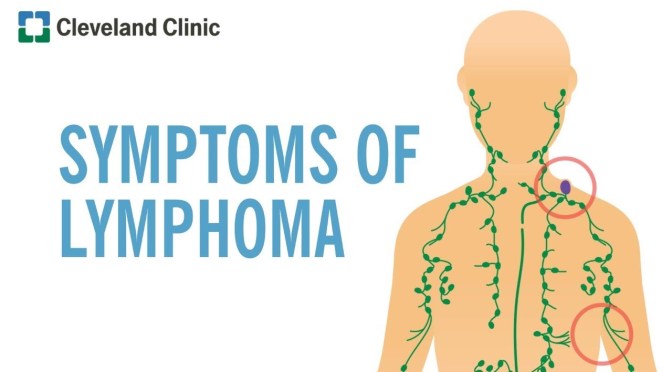
Knowing the symptoms of Lymphoma is essential for diagnosis and early treatment. Painless lumps near the lymph nodes, extreme fatigue, high fever and significant weight loss without a known cause are all signs to watch for.

Chapters: 0:00 Intro 0:15 Lymphoma overview 0:46 3 “b-symptoms” of lymphoma 1:09 Other warning signs of lymphoma 2:11 When to contact your healthcare provider

Read more

Diagnosis: Mayo Clinic Explains Liver Cancer

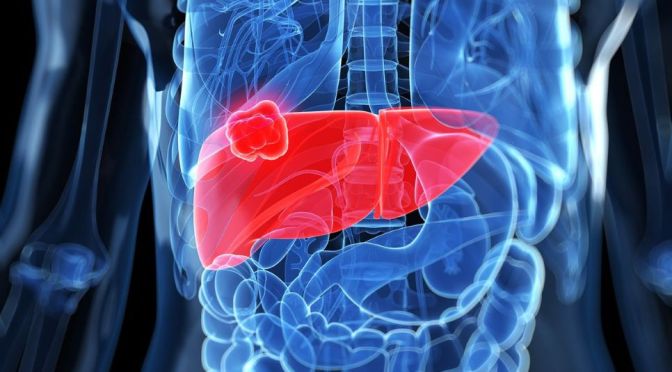
Learning about liver cancer can be intimidating. Let our experts walk you through the facts, the questions, and the answers to help you better understand this condition.     

Video timeline: 0:00 Introduction  0:22 What is liver cancer?  2:04 Who gets liver cancer? / Risk factors 3:02 Symptoms of liver cancer 3:52 How is liver cancer diagnosed?   4:48 Treatment options       5:36 Coping methods/ What now?      6:00 Ending   

For more reading visit: https://mayocl.in/3q8Lzwk

Brain Tumors: Causes And Types (Cleveland Clinic)

A brain tumor is a mass of cells in or around the brain. Tumors that develop in the brain are called primary tumors. Tumors that spread to the brain after forming in a different part of the body are called secondary tumors or metastatic tumors. This video focuses on primary tumors.

Chapters: 0:00 Intro 0:14 What is a brain tumor? 0:32 What causes brain tumors? 0:48 What are the signs of a brain tumor? 1:17 What is a meningioma? 1:51 What are 3 types of meningioma? 2:37 Don’t ignore the warning signs.

Kidney Cancer: Symptoms & Treatment (Mayo Clinic)

Learning about kidney cancer can be intimidating. Let our experts walk you through the facts, the questions, and the answers to help you better understand this condition.   

Video timeline: 0:00 Introduction 0:23 What is kidney cancer? 1:11 Who gets kidney cancer? / Risk factors  1:45 Symptoms of kidney cancer  2:22 How is kidney cancer diagnosed?    3:21 Treatment options      4:40 Coping methods/ What now?   5:32 Ending          

For more reading visit: https://mayocl.in/33QNzlb