Tag Archives: Reviews

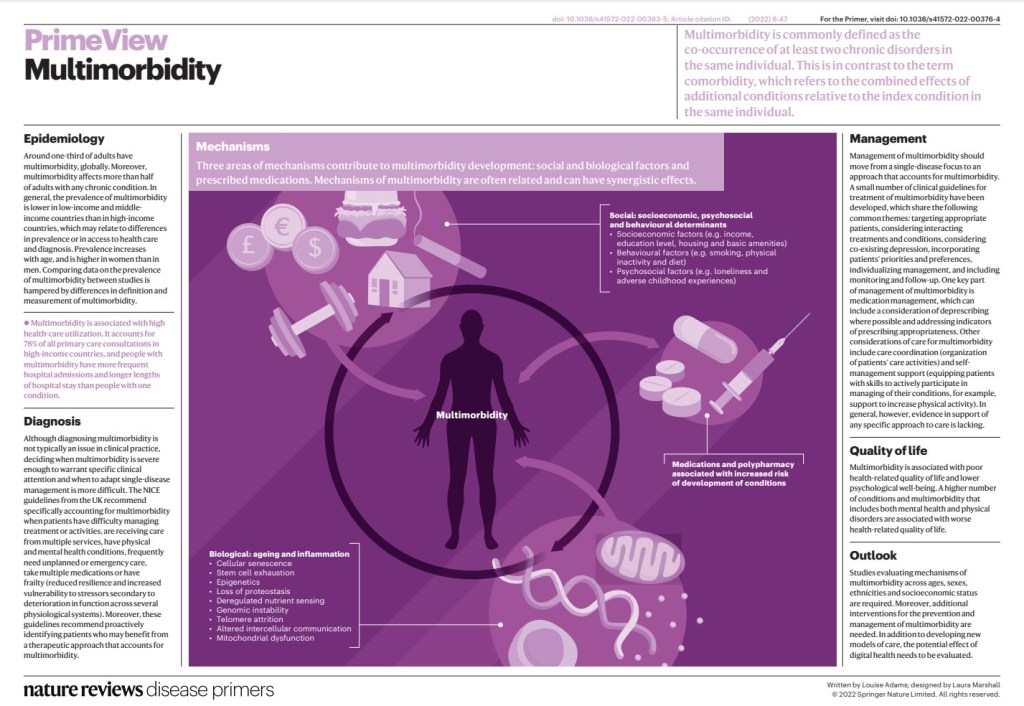
Infographic: Diagnosis & Care Of Multimorbidity

People with multimorbidity (two or more coexisting conditions in an individual) are more likely to die prematurely, be admitted to hospital and have an increased length of stay than people with a single chronic condition.

Multimorbidity is also associated with poorer function and health-related quality of life (HRQOL), depression and intake of multiple drugs (polypharmacy) and greater socioeconomic costs. Most health care is designed to treat individual conditions rather than providing comprehensive, person-centreed care, which often leads to fragmented and sometimes contradictory care for people with multimorbidity and increases their treatment burden.  Moreover, treating one condition at a time is inefficient and unsatisfactory for both people with multimorbidity and their health-care providers.

Read more

Reviews: WHY ARE FLU, RSV AND STREP SURGING IN 2022?

Daniela Hernandez | WSJ – Getting the flu can increase the risk of getting a second infection, including strep throat. WSJ’S Daniela Hernandez explains the science behind that, plus what it means for the rest of the winter and how we can protect ourselves so the tripledemic doesn’t get worse.

Video timeline: 0:24 – Flu Damage 1:25 – Lower population immunity 2:03 – Who’s most vulnerable? 3:05 – How can we protect ourselves?

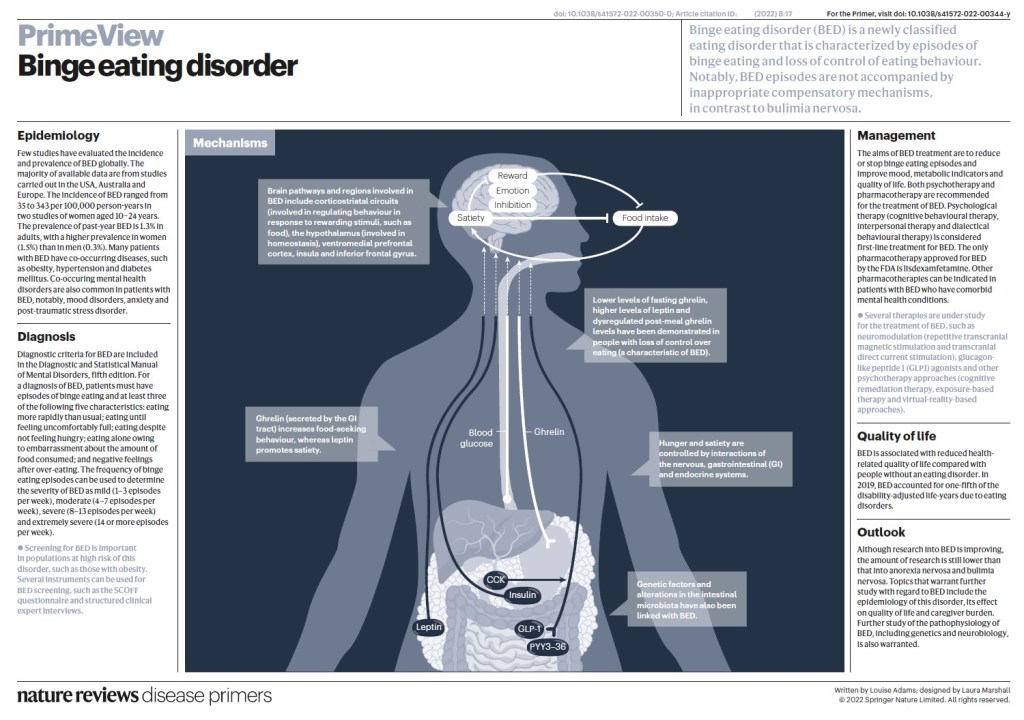
Infographics: Diagnosing Binge Eating Disorder

Most people with binge-eating disorder are overweight or obese, but you may be at a normal weight. Behavioral and emotional signs and symptoms of binge-eating disorder include:

  • Eating unusually large amounts of food in a specific amount of time, such as over a two-hour period
  • Feeling that your eating behavior is out of control
  • Eating even when you’re full or not hungry
  • Eating rapidly during binge episodes
  • Eating until you’re uncomfortably full
  • Frequently eating alone or in secret
  • Feeling depressed, disgusted, ashamed, guilty or upset about your eating
  • Frequently dieting, possibly without weight loss

READ MORE AT MAYO CLINIC

Heart Disease: Thoracic Aortic Aneurysm Risks

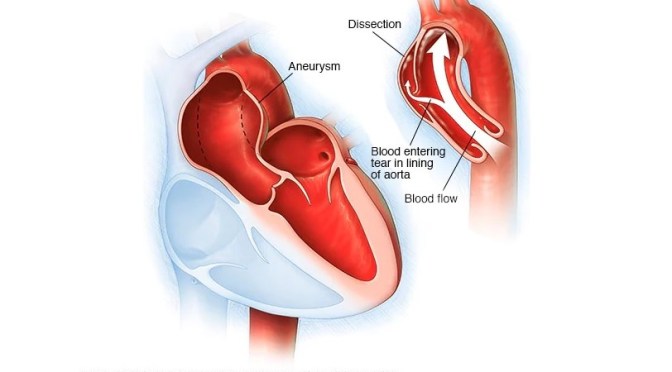
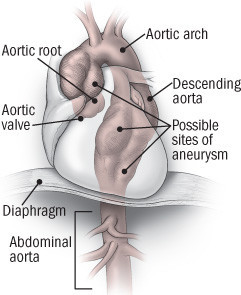
A thoracic aortic aneurysm is a weak spot in the aorta, the main pipeline for blood from the heart to the body. The weak spot has the potential to dissect or rupture, cutting off the supply of life-sustaining blood to the rest of the body. Thoracic aortic aneurysms are often harder to detect and diagnose compared to the more common abdominal aortic aneurysms. 

December 14, 2022

The aorta begins deep in the heart. It emerges from the top of the powerful left ventricle, curves up and over the heart in a gentle arch, then descends into the chest and through the muscular diaphragm into the abdomen (see “Thoracic aorta”). It ends around the belly button, where it splits into two smaller arteries, one for each leg.

THORACIC AORTA

From start to end, arteries branch off to nourish the heart, brain, arms, kidneys, liver, stomach, intestines, and every other part of the body. The stretch of the aorta from its start in the heart to the top of the diaphragm is called the thoracic aorta; the section below the diaphragm is the abdominal aorta.

Some aneurysms are relatively harmless. Others can lead to the catastrophic problems known as dissection or rupture. For now, size is the best and only guide to the health threat posed by an aneurysm.

Dissection. The most common consequence of an aortic aneurysm, dissection occurs when a tear develops in the inner lining of the aortic wall. The inner and outer layers peel apart, creating an extra channel for blood inside the aorta. It may do no harm, or it may allow blood to bypass the outflow to certain organs or tissues, leaving them without a blood supply. This can cause a heart attack, stroke, kidney damage, and other problems.

Rupture. A break in all three layers of the aortic wall is termed a rupture. Blood pours from the aorta into the chest. This massive internal bleeding can quickly lead to shock and death.

READ MORE

Heart Health: Function & Benefits Of Pacemakers

“The likelihood of needing a pacemaker increases with age,” says Dr. Sunil Kapur, a cardiologist at the Heart and Vascular Center at Harvard-affiliated Brigham and Women’s Hospital. “The good news is that today’s pacemakers have evolved from fixing irregular heartbeats to helping the heart maintain its normal function, which allows many men with certain heart conditions to stay active longer.”

December 1, 2022

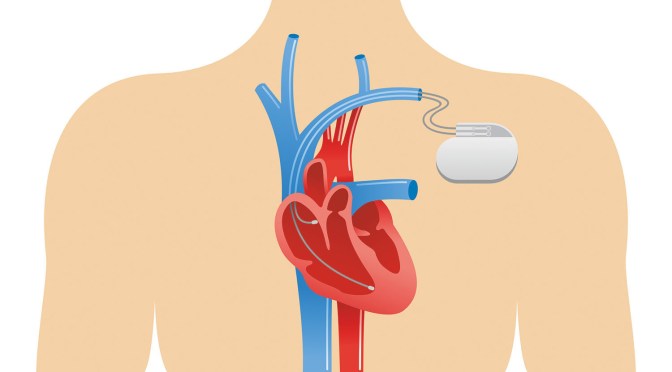
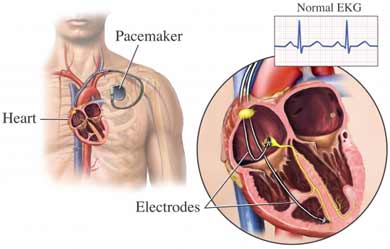
A pacemaker monitors the heart’s rhythm and, when necessary, generates a painless electrical impulse that triggers a heartbeat.

The most common use for a pacemaker is when the heart beats too slowly or pauses, which triggers dizziness, shortness of breath, or fainting. (You should see your doctor immediately if you have any of these symptoms.) A pacemaker also can help your heart chambers beat in sync and improve blood flow if your heart isn’t pumping enough blood. In some cases, a pacemaker may be needed to treat a heartbeat that is too fast or irregular.

These issues can stem from problems with the heart’s electrical signaling, a heart defect, an enlarged or thick heart muscle, heart failure, or a heart attack.

Several tests can help your doctor determine if you need a pacemaker: an electrocardiogram, which measures the heart’s electrical activity; Holter monitoring, in which you wear a small device to track your heart’s rhythm; or an echocardiogram, which uses sound waves to produce images showing your heart’s size, structure, and motion.

READ MORE

Reviews: The Top 5 Articles On Healthy Aging In 2022

National Institute on Aging – As 2022 comes to a close, NIA invites you to explore some of the most popular health information topics from this past year:

High Blood Pressure and Older Adults

— High blood pressure, or hypertension, is common in older adults. The good news is that blood pressure can be controlled in most people.

What Is Menopause?

 — Menopause is a normal part of aging for women, but it affects every woman differently.

Memory, Forgetfulness, and Aging: What’s Normal and What’s Not?

 — As you age, you may wonder about the difference between normal, age-related forgetfulness and a serious memory problem, such as dementia.

Shingles 

— Shingles is a disease that triggers a painful skin rash. About one in three people will get shingles, but there is a vaccine for older adults to help prevent the disease.

Vitamins and Minerals for Older Adults

 — Vitamins and minerals are types of nutrients that your body needs to survive and stay healthy.

Hearing Aids: Over-The-Counter vs Prescription

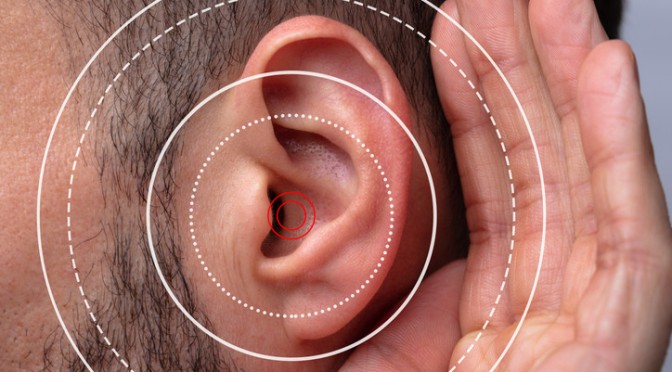
Hearing aids are not one-size-fits all. “While OTC devices may help many people with mild or moderate hearing loss, they might not be appropriate for all types of hearing loss,” says Dr. Naples.

Harvard Health Publishing – A change in FDA regulations has cleared the way for over-the-counter (OTC) hearing aids. What does this mean for you if you’re among the approximately 48 million Americans with some degree of hearing loss? We asked Dr. James Naples, assistant professor of otolaryngology/head and neck surgery at Harvard-affiliated Beth Israel Deaconess Medical Center, to help explain potential pros and cons.

The basics: Hearing aids versus amplification products

There are various types of hearing aids that largely work in the same way. Whether the style is behind the ear or in the ear canal, they amplify sounds to make them louder. They also help filter out certain types of noise. “All hearing aids use a combination of signal processing and directional microphones to filter out some unwanted noise and to improve our ability to hear sounds,” says Dr. Naples.

Don’t confuse prescription or OTC hearing aids with personal sound amplification products (PSAPs) sold at most drug stores. Such products merely amplify nearby sounds. They’re not tailored to an individual’s hearing loss, and aren’t regulated by the FDA or intended to treat hearing loss.

Read more

COMMENTARY:

Humans and their mammalian cousins have lost the ability to regenerate the hair cells in the inner ear. In preindustrial society(how could they know?) people apparently didn’t lose hearing as they aged. However, in the Industrial Age, the prevalence of noise has been increasing along with our power consumption,  and loss of hearing consequently occurs along with Aging.

High frequency loss is the most prominent, and this leads to inability to hear consonants, and have more difficulty with the voices of children and women which tend to be of a higher frequency. The ability of young people to hear high frequencies better than older people has led to various ringtones and songs favoring high frequencies, which the children can hear and older people cannot.

There are a number of things that can add to this hearing loss, such as chronic exposure to loud sounds (such as rock concerts), exposure to drugs that damage hearing, such as certain antibiotics and even aspirin. Otosclerosis and repeated middle ear infections can also accentuate the problem by interfering with sound conduction.

Ringing in the ears, tinnitus, is also associated with accelerated hearing loss.

I have had tinnitus for a long time, and at the age of 90, I have definite hearing loss. Even a couple of decades ago my high frequency loss was quite demonstrable by audiogram. I am resisting the temptation to get it corrected, since the louder sounds from the device would probably gradually reduce my baseline hearing ability. Also  I am now forced to pay strict attention when listening to people. This may slow down the tendency of older people to have a greater difficulty in “decoding” the  spoken word, due to decreased brain processing.

With the passage of a new law permitting people to access hearing aids without a prescription, the price of hearing aids is bound to go down, another reason for waiting.

If you are considering getting a hearing aid, an audiologist would prepare one that is tuned to your specific hearing loss.

The best is none too good.

—Dr. C.

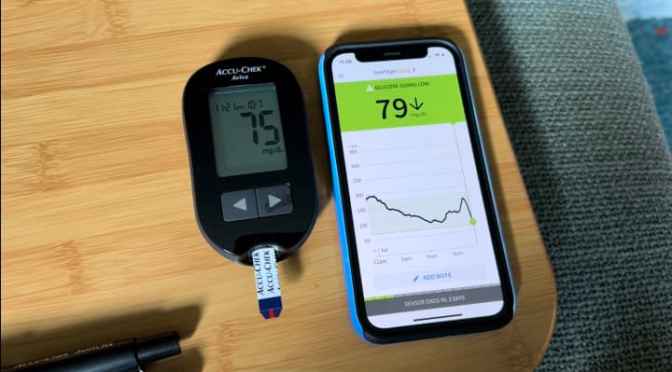
New Diabetes Technology: Abbott’s Freestyle Libre 3 Glucose Monitor Review

Abbott Laboratories newest continuous glucose monitor is now available at participating retail pharmacies and through durable medical equipment suppliers. The Freestyle Libre 3 was approved by the FDA in June and is a step up from previous Abbott systems.

Abbott Laboratories and Dexcom are the leaders in the CGM market, which hit $5.1 billion in revenue in 2021 and is expected to reach $13.2 billion by 2028, according to Vantage Market Research. Abbott’s CGM systems, called FreeStyle Libre, generated $3.7 billion in revenue last year, with 4 million users globally.

CNBC’s Erin Black, a type 1 diabetic, tested out the Libre 3 for over a month. Here is her review.

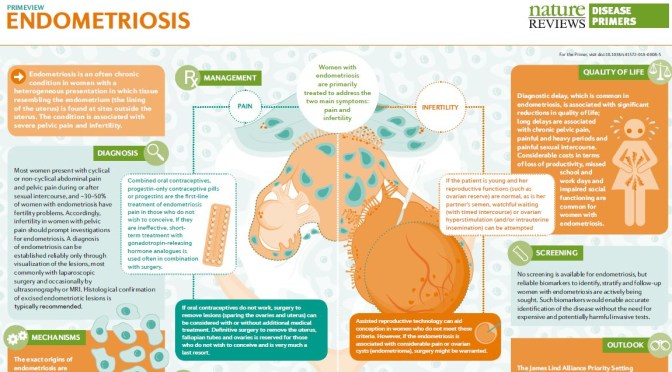
Endometriosis: Diagnosis & Treatment (Infographic)