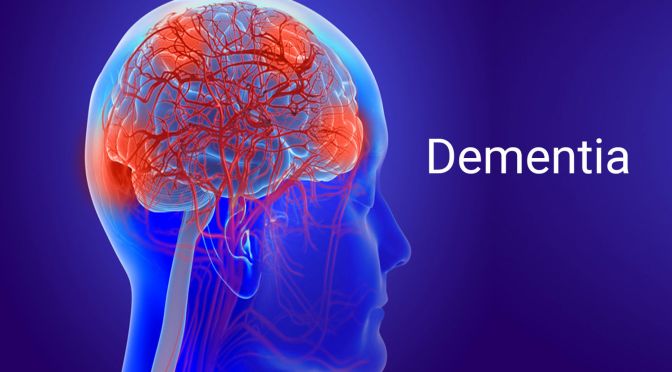
Mild cognitive impairment (MCI) is a condition in which people have more memory or thinking problems than other people their age. The symptoms of MCI are not as severe as those of Alzheimer’s disease or a related dementia. People with MCI can usually take care of themselves and carry out their normal daily activities.
People with MCI are at a greater risk of developing Alzheimer’s disease or a related dementia. Estimates vary as to how many people who have MCI will develop dementia. Roughly one to two out of 10 people age 65 or older with MCI are estimated to develop dementia over a one-year period. However, in many cases, the symptoms of MCI stay the same or even improve.
nature (March 15, 2023) – Lymphocytes are immune cells that play vital roles in fighting infections. The most well-known lymphocytes are the T cells and B cells of the adaptive immune system. In the 1950s and 1960s, scientists performed experiments to follow lymphocytes on their journey around the body, which helped us to work out where they go and what they do.
This work laid the foundation for everything we know about T cells today, including how they become activated to fight infections and how they form memory populations that provide long-lasting immunity.
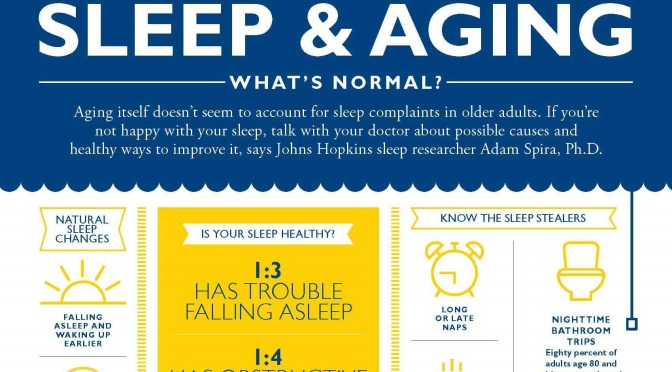
Yale Medicine (March 12, 2023) – As we age, are melatonin starts rising at an earlier hour in the night, thus we may tend to go to sleep earlier than when we were younger. We still require the same number of hours of sleep (7-9 hours on average), so we may also rise earlier. Our sleep is more likely to be disturbed by medical conditions, medications, or substance use.
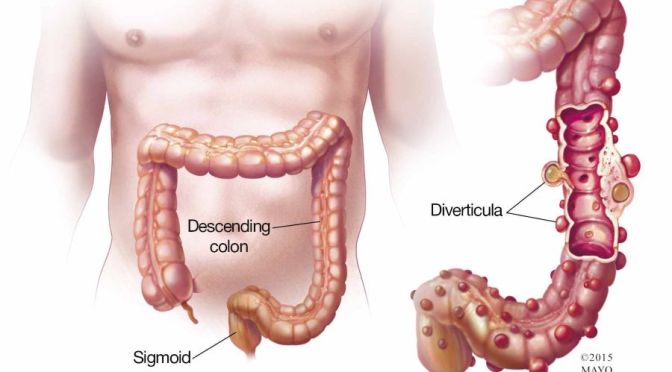
Mayo Clinic – Diverticulitis is usually diagnosed during an acute attack. Because abdominal pain can indicate a number of problems, your doctor will need to rule out other causes for your symptoms.
Your doctor will start with a physical examination, which will include checking your abdomen for tenderness. Women generally have a pelvic examination as well to rule out pelvic disease.
After that, the following tests are likely:
Blood and urine tests, to check for signs of infection.
A pregnancy test for women of childbearing age, to rule out pregnancy as a cause of abdominal pain.
A liver enzyme test, to rule out liver-related causes of abdominal pain.
A stool test, to rule out infection in people who have diarrhea.
A CT scan, which can identify inflamed or infected pouches and confirm a diagnosis of diverticulitis. CT can also indicate the severity of diverticulitis and guide treatment.
Cleveland Clinic (March 9, 2023) – Nephrologist Sevag Demirjian, MD takes you through the history of dialysis and explain discoveries and innovations along the way.
What is dialysis?
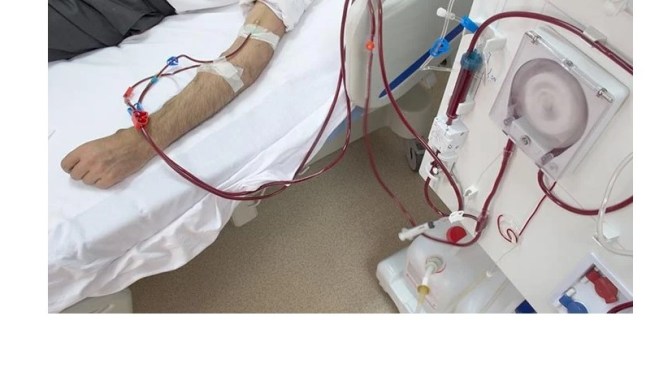
Dialysis is a treatment for people whose kidneys are failing. When you have kidney failure, your kidneys don’t filter blood the way they should. As a result, wastes and toxins build up in your bloodstream. Dialysis does the work of your kidneys, removing waste products and excess fluid from the blood.
Who needs dialysis?
People who have kidney failure, or end-stage renal disease (ESRD), may need dialysis. Injuries and conditions like high blood pressure, diabetes and lupus can damage kidneys, leading to kidney disease.
Some people develop kidney problems for no known reason. Kidney failure can be a long-term condition, or it can come on suddenly (acute) after a severe illness or injury. This type of kidney failure may go away as you recover.
There are five stages of kidney disease. In stage 5 kidney disease, healthcare providers consider you to be in end-stage renal disease (ESRD) or kidney failure. At this point, kidneys are carrying out around 10% to 15% of their normal function. You may need dialysis or a kidney transplant to stay alive. Some people undergo dialysis while waiting for a transplant.
Mayo Clinic (March 6, 2023) – About 15% of adults in the U.S. are estimated to have chronic kidney disease — that’s about 37 million people.
What if those people could be treated with medication that could slow the progression of their disease, and help avoid the need for dialysis and kidney transplantation altogether?
Dr. Naim Issa, a Mayo Clinic transplant nephrologist says there is a class of medications to help people with chronic kidney disease that does just that. He says Mayo Clinic has been incorporating these medications to help patients for the last few years.
March 9 is World Kidney Day, a day aimed at raising awareness about the importance of the kidneys.
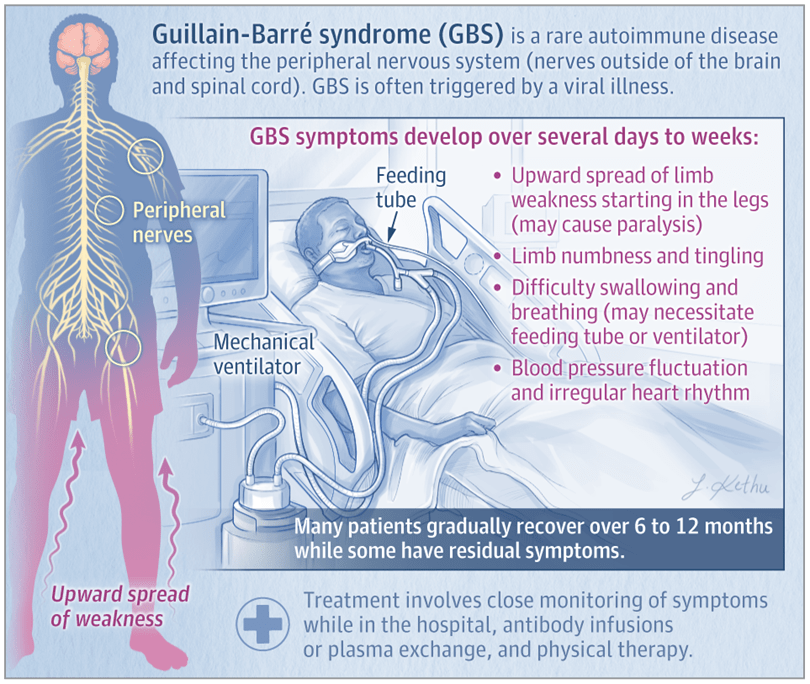
Guillain-Barré syndrome is an autoimmune disease that affects the nerves outside the brain and spinal cord (the peripheral nerves) and develops over several days to weeks. GBS can cause severe muscle weakness, and death occurs in about 5% of patients. The most common subtypes are acute inflammatory demyelinating polyradiculoneuropathy (AIDP) and acute motor axonal neuropathy (AMAN). Approximately 90% of people with GBS in North America and Europe have AIDP.
Signs and Symptoms of GBS
Patients with the AIDP subtype of GBS typically have weakness that starts in the legs and spreads to the arms, as well as decreased or absent reflexes. In more than 50% of these patients, nerves that originate in the brain stem (cranial nerves) are affected, which may cause facial weakness, difficulty swallowing, and eye muscle weakness or paralysis. Approximately 25% to 30% of patients develop severe weakness or paralysis of the muscles used to breathe. GBS commonly causes symptoms of low back pain and limb numbness and tingling, and fluctuations in blood pressure or an irregular heart rhythm can also occur.
Risk Factors and Conditions Associated With GBS
GBS affects people worldwide, and the lifetime risk of GBS is estimated at 1 in 1000. Although individuals of any age can develop GBS, the incidence increases with age, and males are slightly more likely to develop GBS than females.
Approximately two-thirds of patients have a diarrheal or respiratory illness within 4 to 6 weeks prior to the onset of GBS symptoms. Other, less common events or conditions that may trigger GBS include recent surgery, pregnancy, and immunosuppression. Although rare sporadic cases of GBS have been reported after vaccinations, the risk of developing postvaccination GBS is much lower than the risk of developing GBS after an infection.
Diagnosis and Treatment of GBS
Diagnosis of GBS is made based on symptoms and physical examination findings. Neurological testing often includes electromyography and nerve conduction studies to assess nerve and muscle function. Results of a spinal tap (lumbar puncture) may support the diagnosis of GBS and can rule out other neurological diseases.
Individuals with suspected GBS should be admitted to the hospital. All patients with GBS need close monitoring of their breathing, heart rate, and blood pressure. Individuals who develop severe respiratory muscle weakness or paralysis are supported with mechanical ventilation. Patients who have difficulty swallowing may receive nutrition through a feeding tube.
Current recommended treatments for GBS are intravenous immune globulin (IVIG), an infusion of antibodies, or plasma exchange, which involves removal and replacement of the liquid component of blood. About 40% to 50% of patients with GBS do not improve within 4 weeks after IVIG or plasma exchange and need prolonged supportive care. Physical, occupational, and speech therapy are important to help patients regain strength and function.
What Is the Prognosis of GBS?
Most patients with GBS gradually improve and can have a complete recovery over 6 to 12 months. However, some patients have residual symptoms, including fatigue, pain, numbness, tingling, and muscle weakness. Some factors associated with a higher risk of death due to GBS include older age, more severe disease, and need for mechanical ventilation.
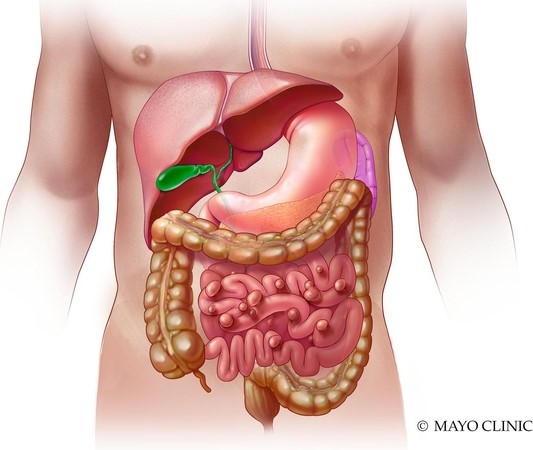
“The gut is a masterpiece of biological complexity.”
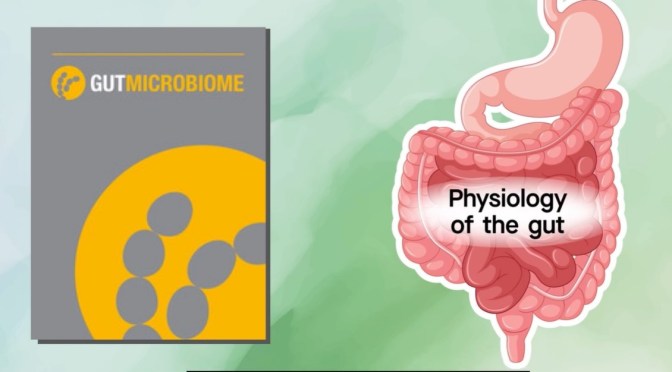
In a new paper published in Gut Microbiome, an Open Access journal from Cambridge University Press and The Nutrition Society, Professor Hannelore Daniel discusses how the physiology of the gut is a missing link in efforts to connect the gut microbiome to human health.
“Gut physiology meets microbiome science” Gut Microbiome, Cambridge University Press, Volume 4 , 2023 , e1. DOI: https://doi.org/10.1017/gmb.2022.10
“Many health conditions have a genetic link,” says Breanna Mitchell, a genetic counselor at Mayo Clinic Health System in Eau Claire. “Genetic testing can help you and your health care team understand if you have an increased risk for developing certain conditions that are present in your family. If you are at risk, you may be able to take preventive measures to decrease your risk or undergo genetic testing to clarify your risk.”
Mayo Clinic (February 6, 2023) – Your genes play a role in nearly all areas of your health. A gene is like an instruction manual for your body that tells your body how to function, develop and stay healthy. People have about 20,000 genes in their bodies.
Here are nine common questions about genetic testing:
Do all types of cancers have a genetic component?
Most cancers are considered sporadic, meaning the cancer happens randomly or has environmental influences, such as smoking and lung cancer. About 25% of cancers are considered familial. This is when multiple members of a family are affected by cancer. These family members have some shared genetic factors in combination with shared environmental factors that lead to the development of these cancers.
“About 10% of cancers are considered hereditary or have a single specific genetic component that can be tested and increase a person’s risk for developing cancer,” Mitchell says. “Genetic counseling and genetic testing can help determine which category a person’s individual or family cancer falls into. It also can help estimate your risk for developing cancer.”
What types of genes are examined during genetic testing?
You may have an increased risk for some health conditions, including some types of cancer, based on your genes. A genetic test looks for specific harmful gene changes, called mutations or pathogenic variants, that can cause you to develop a genetic condition. Gene changes are like spelling errors within your body’s instruction manual.
Most genetic tests look for changes in a group of genes called a panel. However, testing may look for changes in a single gene when there is a known genetic mutation in your family. The most common genes typically thought of related to cancer risk are BRCA1 and BRAC2. These genes are associated with breast and ovarian cancer. It’s known that changes in other genes can increase risk for these cancers, as well.
There also are gene panels that assess risk for other cancers, such as colorectal, pancreatic, prostate, liver, uterine and endometrial cancers.
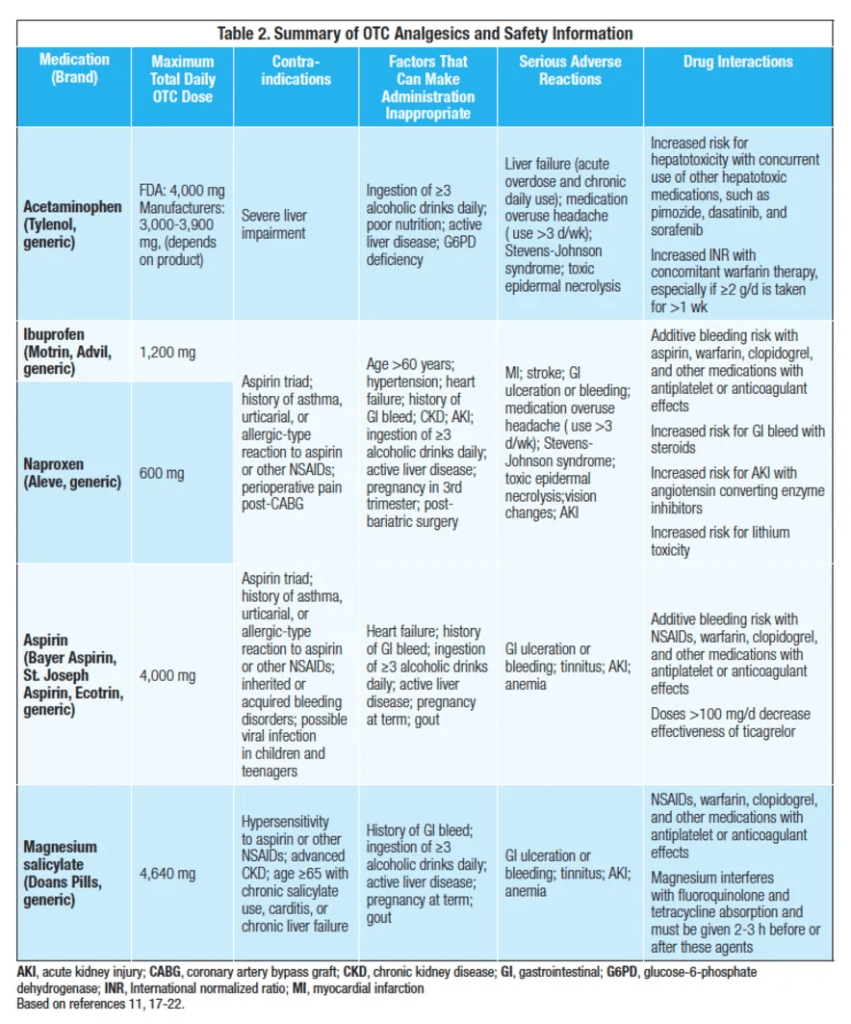
The two main categories of commonly used pain relievers (also known as analgesics) are acetaminophen and nonsteroidal anti-inflammatory drugs (NSAIDs).
Acetaminophen (Tylenol) controls pain and fever but doesn’t help with inflammation. It’s an active ingredient in many drugstore headache and cold remedies.
NSAIDs include aspirin, ibuprofen (Advil, Motrin), and naproxen (Aleve, Naprosyn). These ease pain and lower fever like acetaminophen, and also work as anti-inflammatories. NSAIDs are popular pain relievers for inflammation-related conditions like arthritis and injuries.
Potential side effects
Acetaminophen. High doses can damage the liver. The maximum recommended per day is usually 4,000 milligrams (mg), equivalent to 12 regular-strength or eight extra-strength Tylenol tablets. It’s also possible to develop liver problems after taking small to moderate amounts if done so over an extended period.
To be safe, take no more than 3,250 mg of acetaminophen a day. The FDA recommends using products containing no more than 325 mg per pill or capsule to avoid excessive dosages. Also, be cautious when mixing multiple products containing acetaminophen, such as a pain reliever, a cold medication, or a prescribed narcotic. “And do not take acetaminophen if you drink alcohol more than moderately on a regular basis or if you have liver disease,” says Dr. Gilligan.
NSAIDs. The most common side effect is stomach irritation which may cause pain, bloating, or heartburn. These medications also may cause ulcers, which can lead to internal bleeding. Excessive use of NSAIDs increases the risk of heart attack, stroke, and kidney failure. The most common daily limits are 1,200 mg for ibuprofen and 660 mg for naproxen.
All NSAIDs (except aspirin) tend to boost blood pressure. While the effect is most potent in people who already have high blood pressure, anyone taking an NSAID may see an increase in readings.
People who are concerned about possible side effects can try topical pain relievers, such as products containing diclofenac (Voltaren gel) or lidocaine. “They are a safe choice for pain due to soft tissue injury or osteoarthritis as smaller amounts are absorbed by the body,” says Dr. Gilligan.










 Cambridge University Press (February 15, 2023):



 Doctors Without Waiting Rooms