
A weekly podcast on the latest medical, science and telehealth news.
Tag Archives: Men’s Health
THE DOCTORS 101 CHRONIC SYMPTOMS & CONDITIONS #60: ADHD
Trouble with impulsivity and inadequate ability to pay attention characterizes most of the human race. It is particularly characteristic of childhood; while developing, all children are hyperactive and inattentive, compared with an adult standard.
Children and adults inflicted with extremes of these two neurodevelopmental problems have a particular difficulty in our complex, organized, and demanding society, and consequently“ excessive“ hyperactivity and inattention are presently considered a disease, with specific diagnostic criteria, and medicinal, psychiatric, and sometimes instrumental treatments.
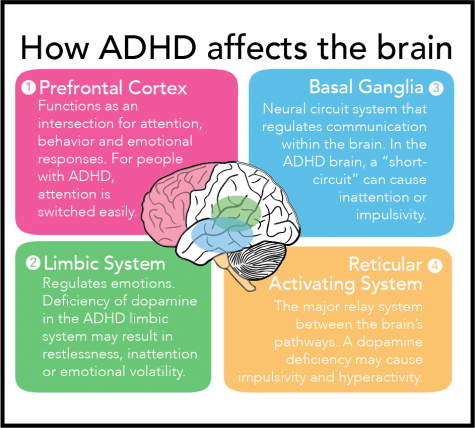
ADHD is divided into predominantly inattentive, predominantly hyperactive/impulsive, and combined. I will concentrate on certain features of the attentive aspect.
I encourage you to read the excellent Mayo clinic article which covers most bases, including advice for parents and relatives who have to deal with these sometimes difficult individuals.
ADHD most commonly involves children. It leads to difficulty at school, and often suboptimal interpersonal relations. Drugs such as amphetamines and Ritalin are most commonly given, and seem to work; it is always amazing to see a stimulant quieting down an overactive child. Struggling college students often consume these same medications, since they seem to give a short term boost In concentration, ability to learn, and performance in tests.
Caffeine is the poor man’s drug and also sometimes helps. 60 years ago I worked in the UCLA clinic where we checked problem children for “split dominance”, where the children may throw with the right hand and kick with the left foot. There is no mention of this in the literature now, and indeed FADS have characterized the whole area.
My middle son had difficulty in school and was hard to get along with. I tried him on some amphetamine, but he wisely spit it out. He turned out to have dyslexia (poor reading ability), studied engineering in college, and is running his own company; Entrepreneurs are often dyslexic.
Be very careful before labeling a child with the stigma of ADHD. Try loving and working with her more. If the situation is clear cut, make sure the least five of the nine criteria are present before agreeing to try drugs.
One of my grandchildren was very slow in learning, and was distracted easily. His mother persisted in sending him to a Montessori preschool, and when he went into his growth spurt (I like to think he myelinated his neural pathways), a miraculous change took place; He now seems very interested in many things and does excellent work at school.
You cannot lavish too much attention on developing children. ADHD thought present in somewhat less than 10% of children, particularly boys. It is also being increasingly recognized in adults, where it interferes with their personal, home, and occupational lives. Anxiety, depression, and other psychiatric problems may follow.
I wonder if inattention also afflicts some of my elderly friends; if they don’t pay attention to what they’re doing, they may well FALL, and curtail their lives. We could all pay better attention to what we are doing.
TOO MUCH ability to pay attention, however, could grade into obsessive compulsive disorder. In more extreme forms, ADHD is certainly real, and failure to intervene can result in distressing secondary problems. However, it is almost too convenient a category for assigning children. Haste in categorization may result in missing other problems.
When normal, our brains are amazingly fine tuned instruments. The best thing to do is keep them exercised, stimulated, and well nourished.
—Dr. C.
THE DOCTORS 101 CHRONIC SYMPTOMS & CONDITIONS #59: Lyme Disease
Lyme disease is high on every hard-to-diagnose disease list, because it is relatively uncommon, and can produce a variety of disturbing symptoms often classified as psychosomatic.
It is caused by a deer tick bacterial injection of the Borrelia genus, which can progress to cause widespread problems. Not every tick bite will inject the bacterium, and ticks that have been attached for less than 12 to 24 hours are unlikely to have done so.
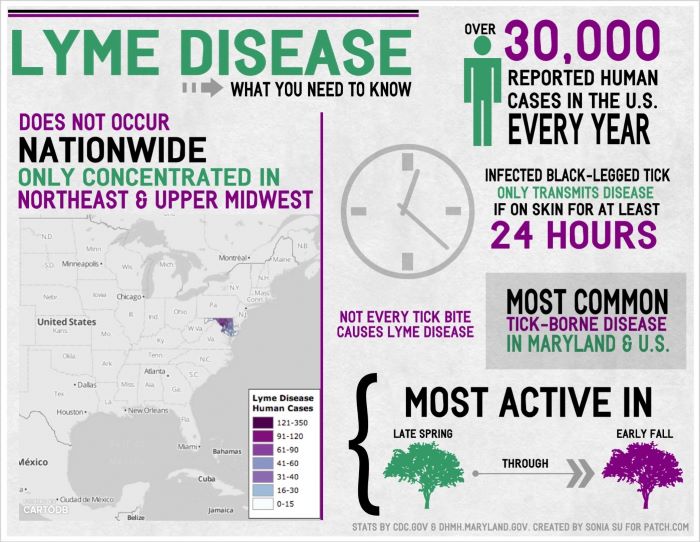
Risk factors include living in a wooded area, particularly on the east coast. With people fleeing the cities in the wake of Covid, exposure is more common.
The NYT columnist, Ross Douthat wrote a book about his travails: “patient heal thyself“. In this day and age of overworked doctors, and with the huge variety of medical information available online, more and more people are going on a “medical odyssey”.
A painless red swelling, followed by an expanding area of red(erythema migrants), is often the best medical clue. Flu-like symptoms and enlargement of the lymph glands can accompany the “rash”. Tests are not positive for several weeks, and may be negative if and when the late symptoms of Lyme disease develop.
The earlier you get treated with a 10-day course antibiotics, the better. The problem is that not all tick bites produce infection, and so overtreatment is a real possibility.
Late symptoms can include fatigue, mental symptoms arthritis, liver problems and a variety of other symptoms. Like another bacterial disease, syphilis, lyme disease can be the great mimic.
Prevention is paramount. People living in endemic areas should wear long sleeves and pants when they go out into the woods, use insect repellent , and make sure their animals are kept tick-free.
A DWWR article on Nootkatone may be worth your time to read, since DEET and many other insecticides are toxic and have to be used with care.
Please refer to the following article by the Mayo clinic for more organized information.
-Dr. C.
Medicine: CT Scans & Radiation Exposure

Health: Distinguishing Between Flu & Covid-19
THE DOCTORS 101 CHRONIC SYMPTOMS & CONDITIONS #58: SPINAL STENOSIS
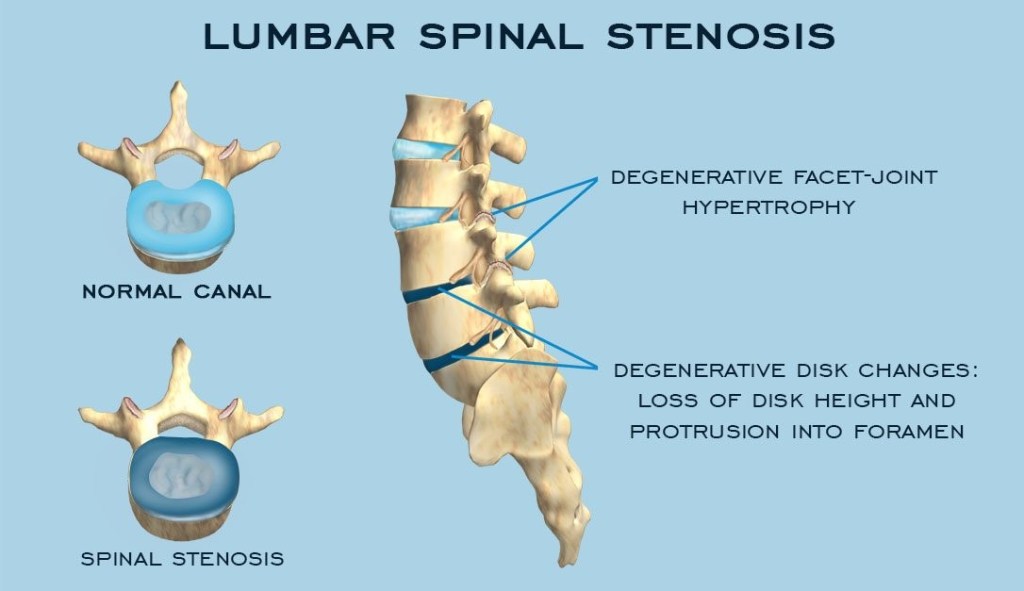
Spinal stenosis is a narrowing in the spinal canal. Constriction of the spinal nerves can produce pain that goes down one or both of the arms or legs, depending on the location of the stenosis. Malfunction of the nerves can cause numbness In the arms or legs, or weakness in muscles served by the affected spinal nerves.
Your doctor can confirm the diagnosis with imaging techniques such as MRI or CT scan.
The interesting part of this condition to me is the tremendous advances in surgical techniques that have taken place in the past decade. Many surgeries are now done through an endoscope, which limits the surgical disruption in the area. There is even a needle guided procedure to remove part of the ligament that is causing compression of the nerve.
Depending on the exact problem, small amounts of bone or other tissues can be removed, especially if the exact site of compression has been identified. If the extent of compression is more extensive, increasing amounts of bone is removed from the lamina (bony arches), facets , or nerve outlets (foramina) to give the nerves more room.
If there is slippage of the vertebra, a fusion is sometimes done. My understanding is that fusion is becoming less common. That being said, the Cloward procedure in the neck, with its approach from the front, is still sometimes used with neck pain.
Pain in the neck or back without any associated nerve malfunction is often best treated with physical therapy, steroid injections, or other conservative methods.
In my opinion spinal surgery is best done by trained neurosurgeons, who are familiar with minimally invasive surgery.
—Dr. C.
DOCTORS PODCAST: MEDICAL & TELEHEALTH NEWS (OCT 9)
A weekly podcast on the latest medical, science and telehealth news.
THE DOCTORS 101 CHRONIC SYMPTOMS & CONDITIONS #57: SCOLIOSIS
Scoliosis is a curvature of the spine most commonly starting in childhood or adolescence. The cause can be a muscle imbalance from cerebral palsy or other muscle problems, a birth defect, an injury, or sometimes there is scoliosis that runs in the family and is hereditary. Occasionally it is caused by a difference in the length of the two legs.
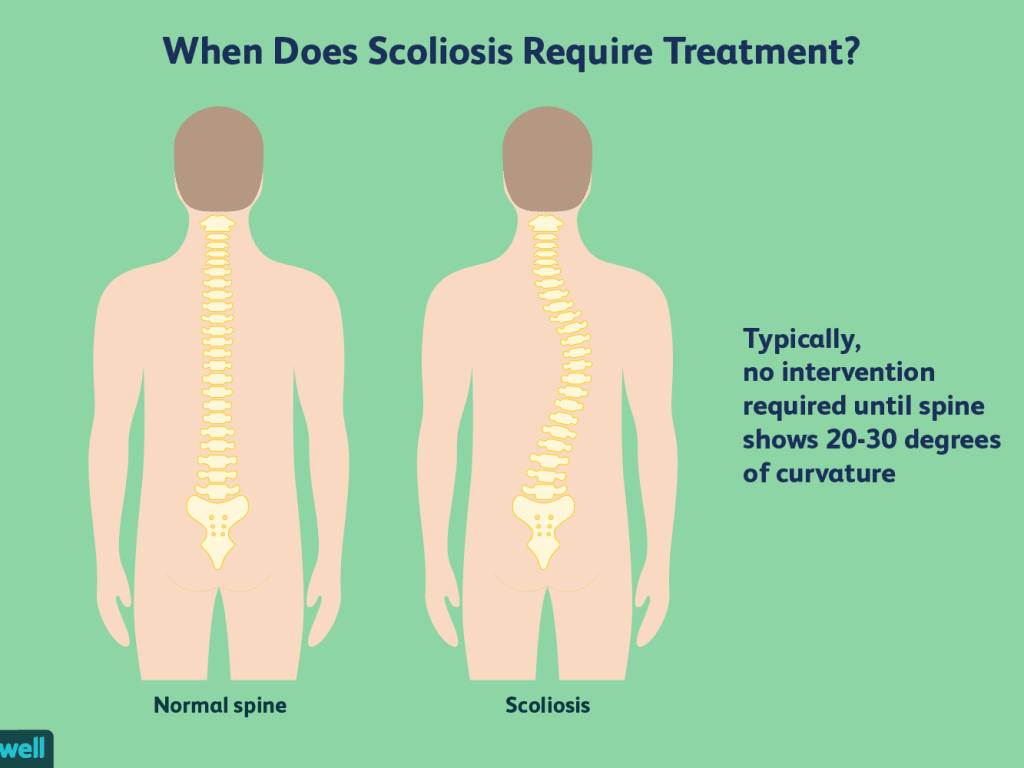
The curvature is sometimes accompanied by a rotation of the spine, and will produce an asymmetry of the back. Perhaps one shoulder blade is higher than the other or one shoulder is lower than the other. Differences in the leg length can be seen by differences in height of the pelvis.
The problem can be silent, if mild. However it can affect the way the child walks, or even interfere with breathing if severe. If untreated and progressive, it can cause chronic back pain in adulthood. Treatment is accomplished by braces, or occasionally by screws placed in the side of the vertebra that can be adjusted.
I had a friend that was 70 years old whose back pain eventually forced surgery. Scoliosis should definitely be supervised by a Doctor who will use physical therapy, braces, or some other conservative treatment to avoid later difficulties.
Please refer to the Mayo clinic article for more information.
—Dr. C.
THE DOCTORS 101 CHRONIC SYMPTOMS & CONDITIONS #56: LUPUS
Lupus, which used to be called lupus erythematosus because of its butterfly rash and light sensitivity, is an auto immune disease, along with celiac disease and several other autoimmune diseases, it is the great imitator. It can affect almost any organ system.
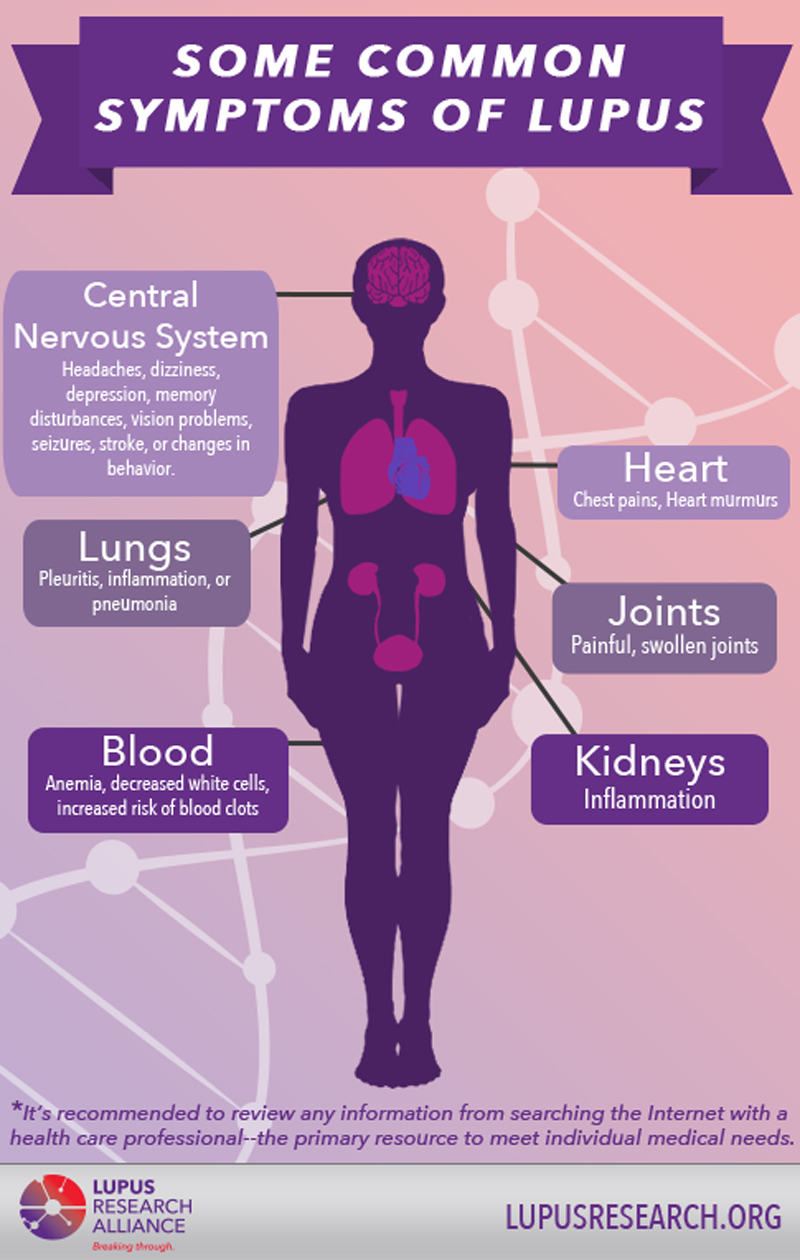
The great variety of symptoms, and relative rarity leads to a difficulty in establishing the diagnosis. Eventually, you may be lucky enough to find someone who figures it out.
The butterfly rash over the bridge of the nose and cheeks is the most typical finding but it’s not present in all patients. Rheumatoid symptoms, including fatigue fever and joint involvement is common. Chest pain and shortness of breath can occur. Headache confusion and memory loss occurs. Involvement of the kidneys can also occur, it is often the involvement that is life-threatening. These are symptoms maywax and wane over a number of years.
The cause of lupus may involve a black background of infection, the medication, or even sunlight. As with most auto immune diseases, the actual cause is obscure.
Laboratory findings may include an anemia, kidney or liver involvement, and especially anti-nuclear antibody’s. Most people with lupus have a positive ANA test, but not all people with these positive tests have lupus. Other test maybe necessary.
Treatment is usually with Drugs which diminish the immune system. Targeting the B-lymphocytes specifically with rituximab or bulimumab may be helpful.
Lupus, the wolf, can be stealthy and severe. Patients often have to be their own advocate in order to get properly treated.
Please see the following mail clinic article for more information.
—Dr. C.
THE DOCTORS 101 CHRONIC SYMPTOMS & CONDITIONS #55: ALOPECIA (HAIR LOSS)
Alopecia is the medical term for baldness. The word has an interesting linguistic derivation, and comes from the Greek word Alopex, meaning fox. Foxes in Hippocrates time apparently were afflicted by hair loss from mange.
Men and women have different kinds of hair loss. In men, there is the receding hairline with age. As women age, there’s some thinning of the hair generally, and at the top of the head.
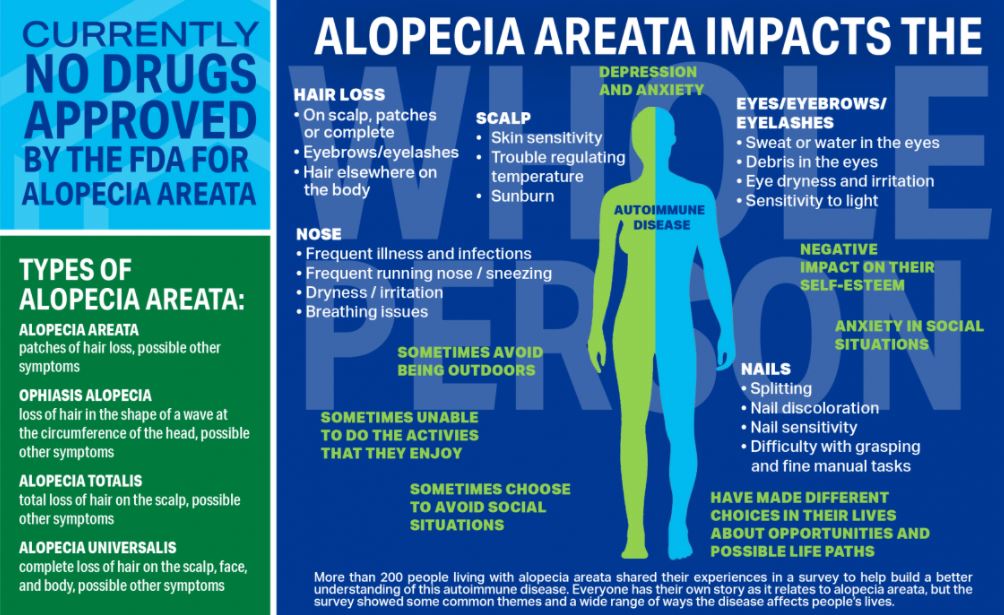
A special kind of hair loss that occurs in discrete areas is called alopecia areata. This is an auto immune disease, and is increased in frequency with people who have other autoimmune diseases. Hair loss can also be due to a fungal disease (ringworm) especially in children.
Cancer treatment can cause generalized hair loss, and we have all seen the bald children receiving cancer therapy, especially radiation.
Hair loss and regrowth comes in cycles. We all lose many hairs each day, but they regrow. When the cycle slows, there is a net loss of hair.
When I was in medical practice, my partner had early onset baldness, and was given hair transplants, which were effective. Treatments include minoxidil, which apparently increases the speed of hair cycles. An irritant, such as anthralin, will sometimes help Alopecia areaway by causing inflammation, apparently resetting the immune reaction that’s causing the hair loss.
Finasteride, which interferes with local testosterone production, can stimulate hair growth. I take Finasteride for prostate enlargement, and was surprised to hear about it’s effect on hair growth. Maybe that’s why I have such a bushy head of hair.
Please read the following at Mayo clinic article for a more organized discussion.
 Doctors Without Waiting Rooms