Tag Archives: Men’s Health

THE DOCTORS 101 CHRONIC SYMPTOMS & CONDITIONS #13: “BENIGN PROSTATIC HYPERPLASIA” (BPH)

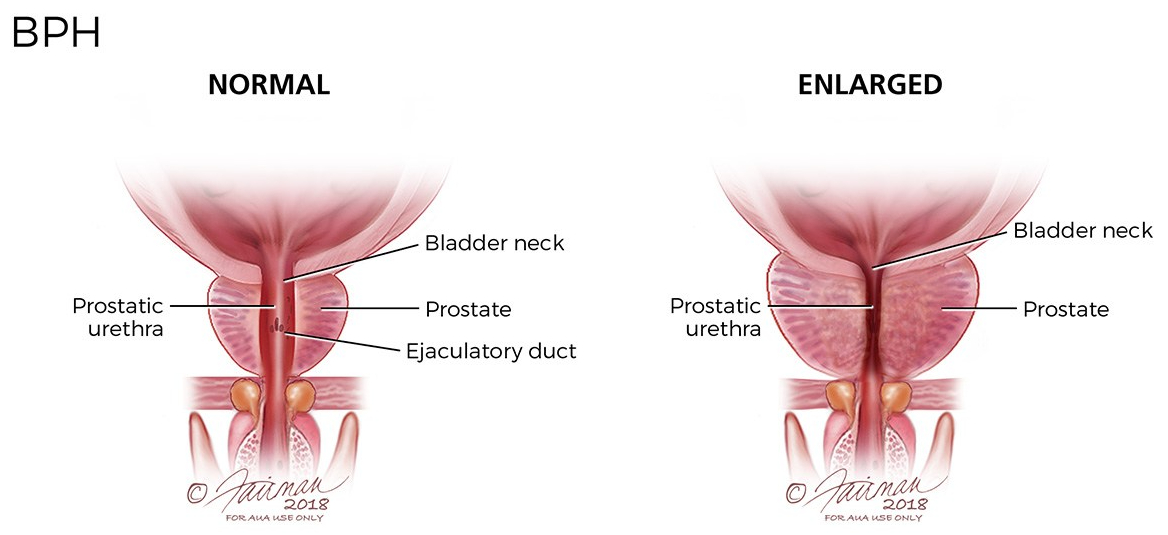
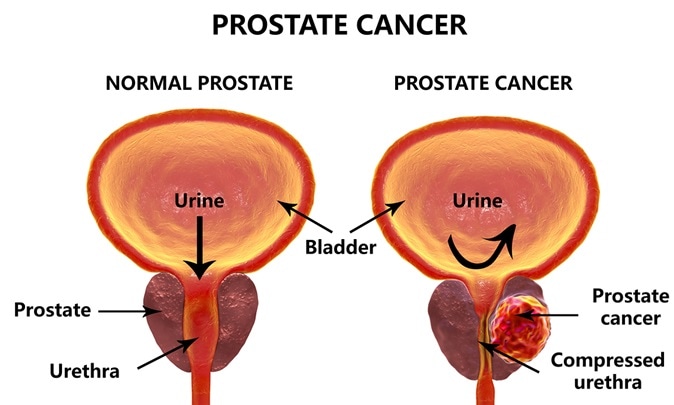
I have known about the Prostate gland, which surrounds the urethral channel exiting the bladder, since med school. I have seen evidence of its enlargement in the increasing time it takes older men to empty their bladders.

When my dad had his prostate surgery, he said that he could blast the porcelain right off the toilet, I could then appreciate for the first time that enlargement of the prostate caused a weak urinary stream.
When I started waking up at night 3 or 4 times to urinate, it really hit home. I had to get something done. My Urologist was a very good one, like all of my doctors. As the old saying goes, the best is none too good when it comes to your health.

On my first visit, he ordered a “Urodynamic” study. In this test, done by a visiting nurse who had the equipment, a small catheter, or tube, ws passed into my bladder, after loading myself with water until I could hold it no longer. The pressure in my bladder was measured, the speed with which I evacuated my bladder was measured, the volume of urine I passed was measured, as well as the volume retained in the bladder.

With these numbers, my bladder volume, residual, and the resistance to flow was calculated. I was shown to have a small bladder, too much residual retained after I emptied it, and an excessive resistance to the flow of urine out of the bladder.
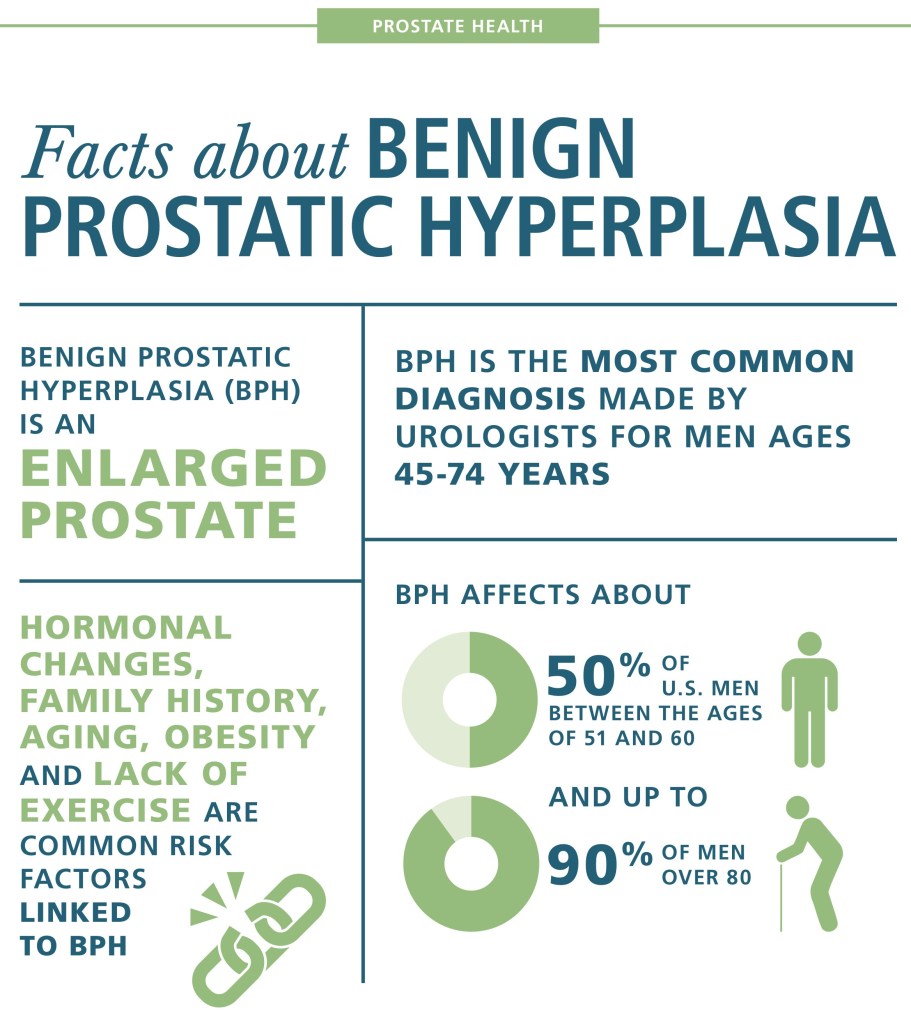
I have not seen the urodynamic studies mentioned in the modern workup of BPH, and it may not have been critically necessary. I did appreciate his thoroughness, however, and factored in the study when he gave me the options of medicine vs. surgery.

were two medicines mentioned, an alpha adrenergic agonist, and finasteride, an anti-androgen. Since I would have to take both meds the rest of my life, I chose surgical enlargement of the urinary passage through the prostate, known technically as a “roto rooter job”. I, too, noticed the power of my urinary stream after the surgery.

A good friend of mine, also a physician, took medicines for many years, in spite of increasing trouble urinating, getting up at night, and frequent bathroom trips during the day. He eventually went to see a urologist after he had to go to the ER for completely being unable to pass urine.

The Urologist declined to do surgery on the basis of his health, the unusually large size of the blockage, and degree of obstruction. He used a catheter to relieve himself several times a day for the rest of his life. Had I been in his shoes, I would have tried to find a willing surgeon somewhere, perhaps at a university med school.

But then again, I wouldn’t have waited so long. These days many more options are available, and the appended article discusses some of them. –
–Dr. C.

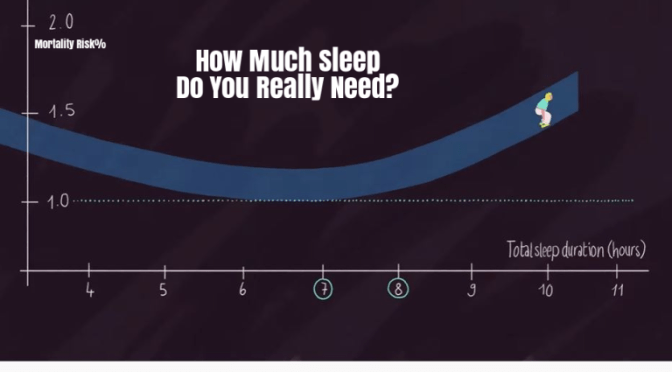
HEALTH VIDEOS: “HOW MUCH SLEEP DO YOU REALLY NEED?”

You know you need to get enough sleep, but the question remains: How much is enough? Sleep scientist Matt Walker tells us the recommended amount for adults and explains why it’s necessary for your long-term health. Sleeping with Science, a TED original series, uncovers the facts and secrets behind our nightly slumber. (Made possible with the support of Beautyrest)

Check out more: https://go.ted.com/sleepingwithscience

THE DOCTORS 101 CHRONIC SYMPTOMS & CONDITIONS #12: “Prostate cancer”

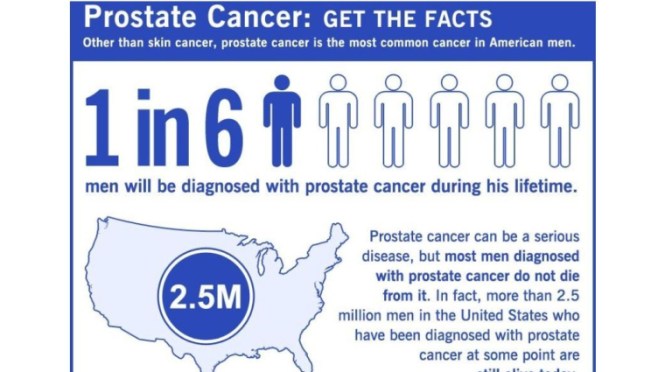
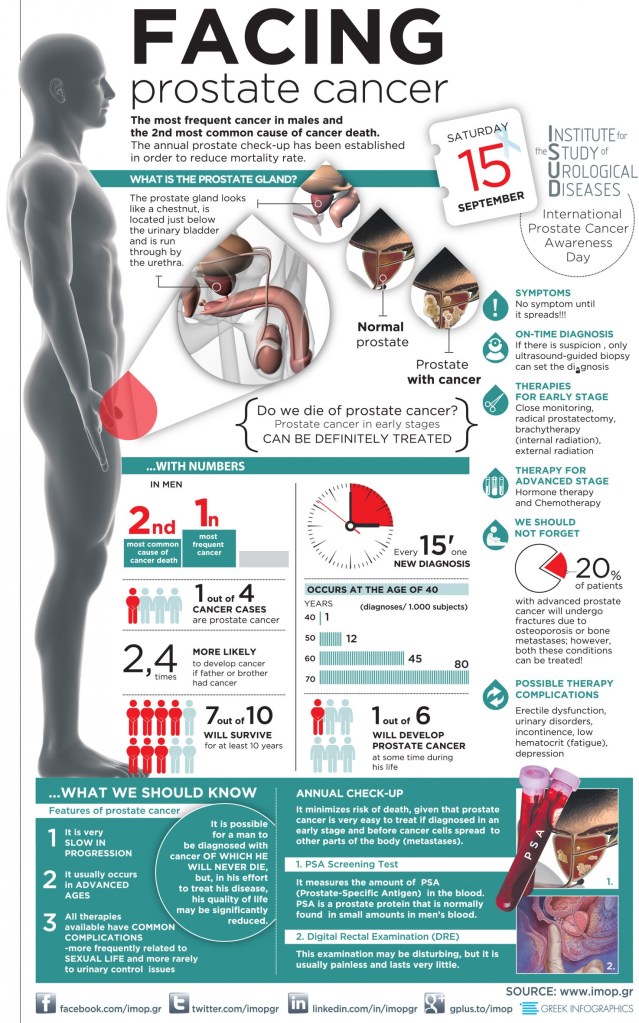
Prostate cancer is perhaps the most common cancer in men. It increases in incidence with age, and if you live long enough, most men will contract prostate cancer. A family history of cancer and obesity are also risk factors. But many times the cancer is so slow growing that it will not kill you. In the age of modern, aggressive medicine, the treatment has often been worse than the disease.

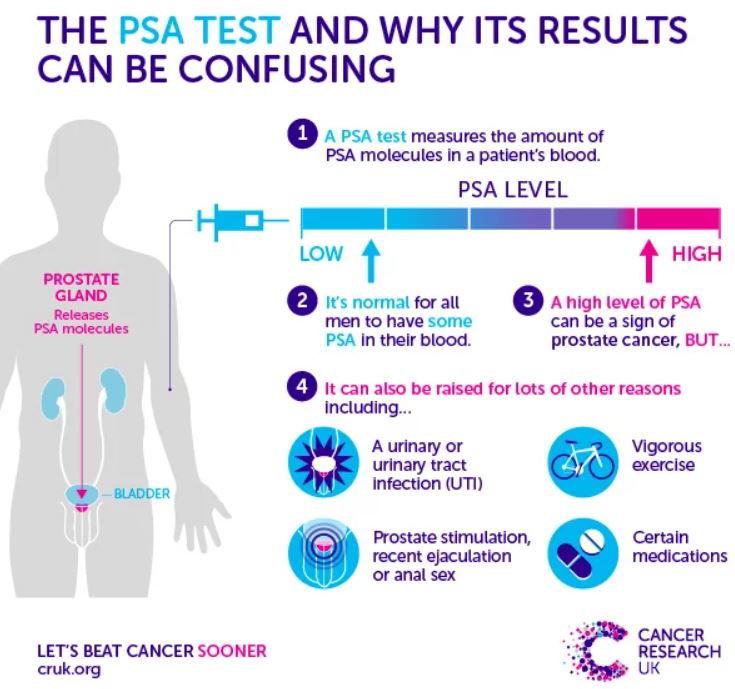
Treating Cancer EARLY is much more successful. The PSA test was one of the first really sensitive blood tests for cancer, and it was once performed routinely, on a yearly basis, usually at the time of your annual physical.

The PSA (Prostate-Specific Antigen) test is VERY sensitive,however. In responding to an elevated PSA, very slow growing tumors would often be treated aggressively, creating more morbidity than the untreated tumor would have caused.

The treatment seemed to be worse than the disease. Many physicians stopped doing the PSA test altogether, relying on symptoms, or detecting an abnormality on RECTAL EXAM to trigger an investigation. Some years ago, a physician friend of mine elected to stop PSA testing, and two years later was discovered to have METASTATIC Prostate cancer. It had already spread to his bones, and he eventually died of that cancer.

This encouraged me to continue with PSA screening, though it is still considered optional. Very recently, a test has been developed which I think tips the scales back toward annual PSA testing. EXOSOMES are little (10-120 nm.) particles that effuse from many cells, especially cancer cells.

They contain a variety of DNA, RNA, proteins and lipids which allow the cells to communicate with one another. Recently, a company, ExoDx, was created to take commercial advantage of Exosomes in the diagnosis of various diseases, by testing body fluids.

Their test, ExoRx Prostate EPI test of urine, has been shown to be helpful in distinguishing AGGRESSIVE prostate cancer from the slower growing kind, when the PSA test is in the “grey zone” between 2 and 10 ng/ml. PSA test results above 10 ng. were always acted on, especially if the numbers were increasing. I would be surprised if the PSA did not reenter the annual testing protocol.

The annual digital rectal exam in men older than 50 years will continue to be done, although it is not very sensitive, and is often not abnormal until the cancer is more advanced. Pain in the prostate area, blood in the urine or semen, and trouble urinating are symptoms worth investigating, but if cancer is detected, it may well be advanced and harder to treat. With abnormal tests,

Risk factors or suspicious symptoms, further testing is often done. Ultrasound or biopsy may be indicated. Sometimes the biopsy is guided by MRI, to increase the likelihood that the cancer, if small, is included in the tissue sample taken. Examining the cells of the biopsy sample will yield a “gleason score” which grades the aggressiveness of the cancer.

This in turn dictates the treatment, which may include different extents of surgical removal, radiation, hormonal or chemotherapy treatment. None of this is pleasant, and you are better off, of course with prevention.

Our old friends, DIET AND EXERCISE are thought to be helpful. Although not proven, eating lots of fruits and vegetables, and maintaining a healthy weight are recommended.

–DR. C

Finasteride, one of the drugs in my medicine cabinet is mentioned as a possible aid. I will be discussing this later. I suggest that you press the green box with the magnifying glass, and type the name of the drug to see if i have discussed it. –Dr. C.
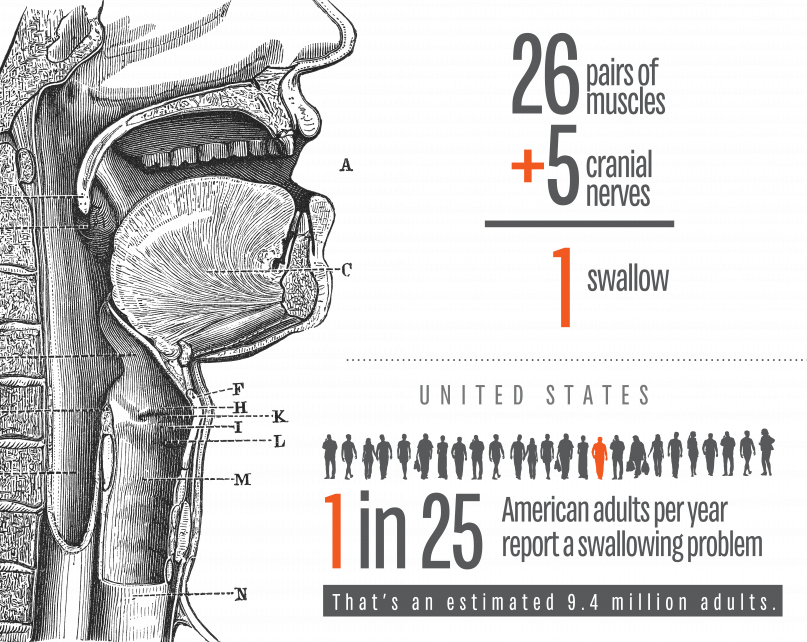
THE DOCTORS 101 CHRONIC SYMPTOMS & CONDITIONS #11: “SWALLOWING TROUBLE”

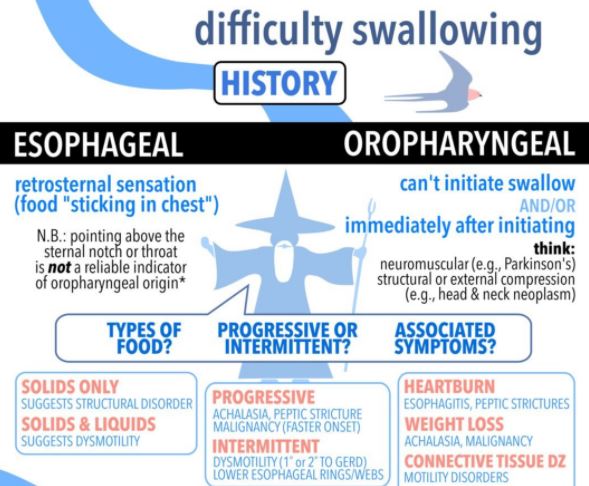
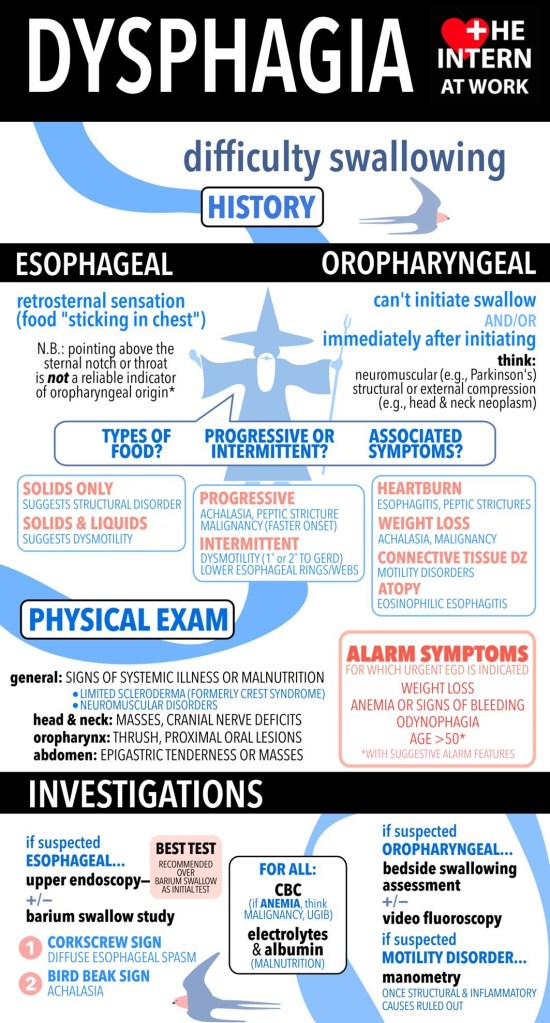
I am defining SWALLOWING TROUBLE as the difficulty in transport of food to the stomach, once clear of the throat. Problems with the initiation of the swallowing process are discussed separately.

PAIN in the mid-chest ON SWALLOWING is a worrisome symptom which can be due to inflammation of the lining of the esophagus from a variety of causes. An esophageal yeast infection, which can also involve the throat (called ‘“thrush”), often warns of immune deficiency and can be a sign of AIDS, or be caused by immune suppressing medication. If persistent, pain on swallowing can be a warning sign of CANCER.

If in the presence of GERD, it can be a sign of chronic inflammation or ulceration. In-coordination of the normally smooth muscular propulsive wave can cause a cramping, muscular pain.

Normal “peristalsis” is so efficient, that food can be swallowed without the help of gravity, when UPSIDE DOWN. I wouldn’t recommend trying this, even to cure hiccoughs. There is a muscular “gate” at the bottom of the esophagus, just as it enters the stomach. This gate is often too relaxed, and allows for the reflux of acid and food from the stomach, or GERD. It can also Fail to open, called achalasia, and hold up the food in its journey to the stomach.

The area can be scarred by repeated acid reflux, and become NARROWED; this is called a STRICTURE, and can cause a blockage in swallowing. One of my Doctor friends had to go to the Emergency room when some Steak got stuck in the esophagus.

The ER Doctor removed the steak with a fiberoptic Scope, and then proceeded to DILATE the stricture with a “bougie”, an instrument of a precisely calibrated size designed to STRETCH the constricted area. This uncomfortable procedure had to be done repeatedly, a caution to those who would wait too long before getting such a problem evaluated and corrected.

EOSINOPHILIC ESOPHAGITIS has been diagnosed with increasing frequency, and can cause Pain in the middle of the chest, trouble swallowing, and even regurgitation of food. This special type of inflammation is more common in allergic patients, and can be caused by certain foods.

So as you can see, swallowing trouble, if persistent, is nothing to fool around with, and should be checked out by a competent doctor. Don’t wait too long.

–Dr. C..

THE DOCTORS 101 CHRONIC SYMPTOMS/CONDITIONS#10: MACULAR DEGENERATION

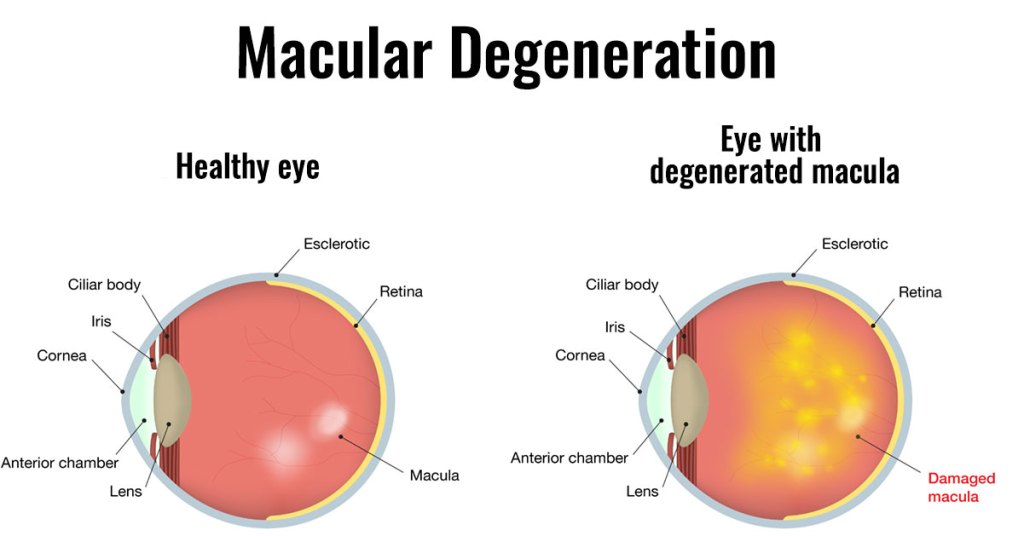
Macular Degeneration is the most common cause of blindness in the western world.as you get older, it becomes increasingly common, and almost 20% of people older than 85 years have this disease.

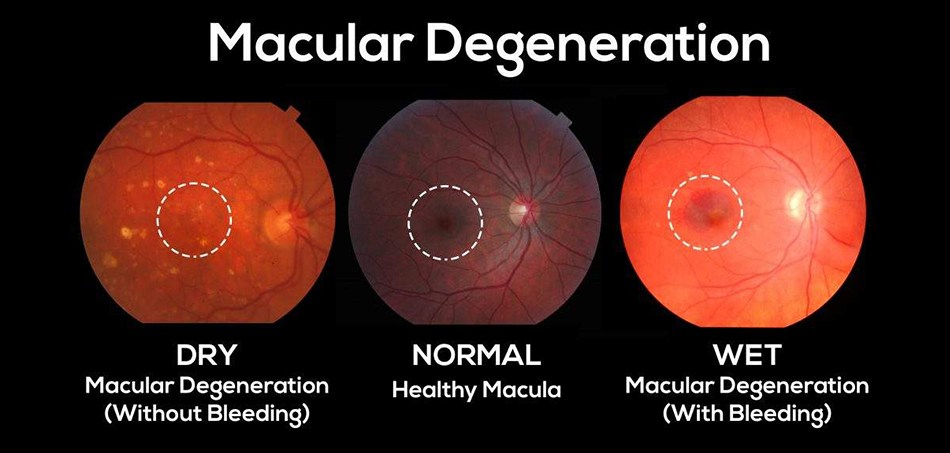
It comes in 2 types, dry and wet. Mostly it starts as the milder dry type, which develops slowly and has no definite treatment. The dry type can develop into the more rapidly progressive wet variety, however, and is important to notice and report to your ophthalmologist.

The MACULA is the center of the visual field, and has by far the most photoreceptors. It yields the sharpest vision, and is essential for reading, and even recognizing faces.

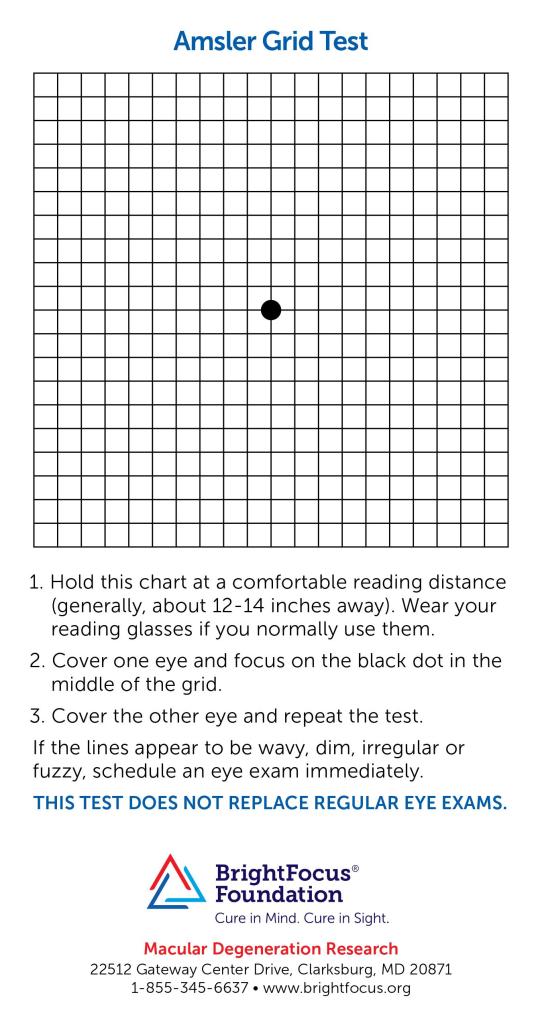
LOSS OF VISION is the commonest symptom, but is hard to notice in a slowly developing condition. A neurologist friend of mine alerted me to the AMSLER GRID, which helps in picking up the subtle distortions of this sneaky problem.

Checking your vision every few days-it takes only a few seconds- is a good idea as you age. You might be healthy in every other way, but if you are blind, the quality of life in your final years will suffer. The mechanics of the wavy lines generated by macular degeneration are deposits beneath the macula, raising it up.

The deposits are fatty in the case of the dry, and fluid in the case of the wet macular degeneration; and fluid from the abnormal blood vessels in the wet MD can collect very rapidly indeed.

Even though the cause of MD is unknown, prevention is by the same old healthy habits tiresomely mentioned in all my other postings: DIET and EXERCISE. I’m sure that good sleep doesn’t hurt either, No cigarette smoking of course, and there are some vitamins and minerals mentioned, such as lutein, zeaxanthin, zinc, and copper.

The wet MD does have a treatment to slow down the disease. Since blood vessel growth is important in causation, antibodies to VEGF, vascular endothelial growth factor, are injected into the macular area. I’m sure that more help is on the way. Some treatments to support the protective pigmented layer of the retina are currently in progress.

–DR. C

Telehealth: Older Adults increase Use Of Virtual Visits from 4% To 26% (2020)

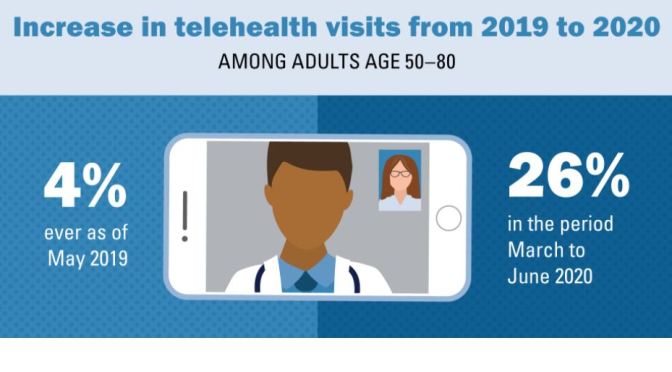
From 2019 to 2020, there was a substantial increase in the proportion of older adults who reported that their health care providers offered telehealth visits. In May 2019, 14% of older adults said that their health care providers offered telehealth visits, compared to 62% in June 2020.

Similarly, the percentage of older adults who had ever participated in a telehealth visit rose sharply from 4% in May 2019 to 30% in June 2020. Of those surveyed in 2020, 6% reported having a telehealth visit prior to March 2020, while 26% reported having a telehealth visit in the period from March to June 2020.

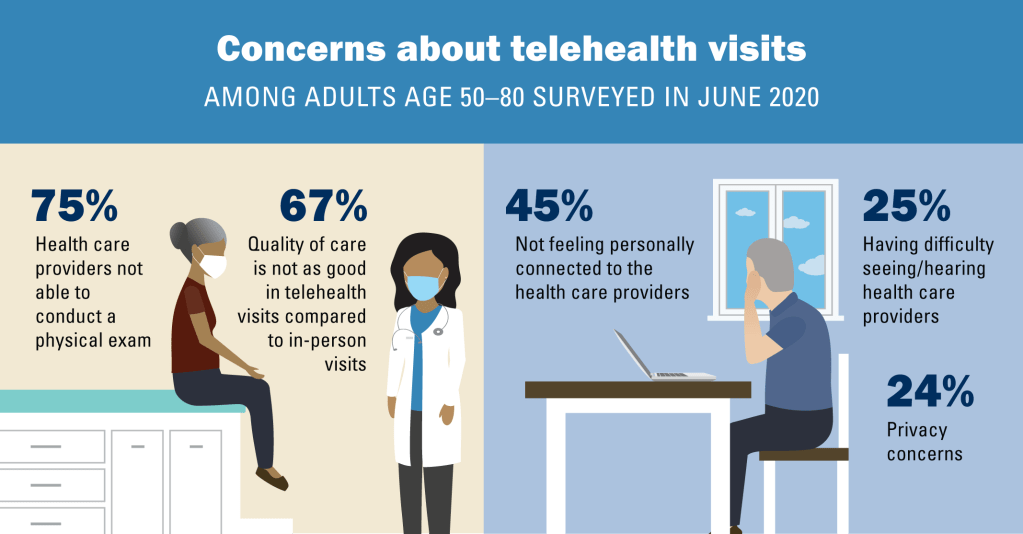
Over the past year, some concerns about telehealth visits decreased among adults age 50–80 whether or not they had a telehealth visit. Older adults’ concerns about privacy in telehealth visits decreased from 49% in May 2019 to 24% in June 2020, and concerns about having difficulty seeing or hearing health care providers in telehealth visits decreased from 39% in May 2019 to 25% in June 2020. Concerns about not feeling personally connected to the health care provider decreased slightly (49% to 45%).

Read more

VIDEOS: STARTING INSULIN EARLY FOR TYPE 2 DIABETES

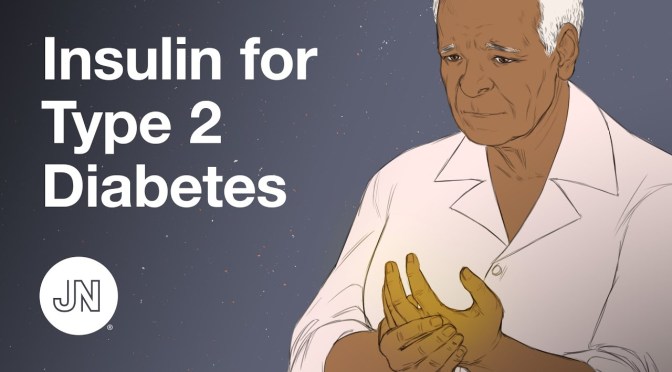
JAMA NETWORK (AUG 5, 2020): 2020 American Diabetes Association (ADA) guidelines recommend that after a trial of metformin, doctors add additional drugs based on the presence of cardiovascular and kidney-related comorbidities, risk of weight gain and hypoglycemia, and cost. In this video, Irl B. Hirsch, MD, of the University of Washington in Seattle, explains the rationale for starting insulin next for patients with persistent HbA1c elevation above 9-9.5% despite lifestyle changes and metformin.

Click https://ja.ma/2DhR4DV for complete details.

HEART ARRYTHMIAS: “ATRIAL FIBRILLATION” (AFIB)

The normal adult heart beats almost as regularly as a metronome, between 60 and 100 beats per minute. I say ALMOST, because when you let your breath out, the VAGUS nerve slows the normal heart slightly.

This is called Sinus Arrhythmia; SINUS because the electrical signal for the heart to contract originates in the usual place, the SINUS NODE.

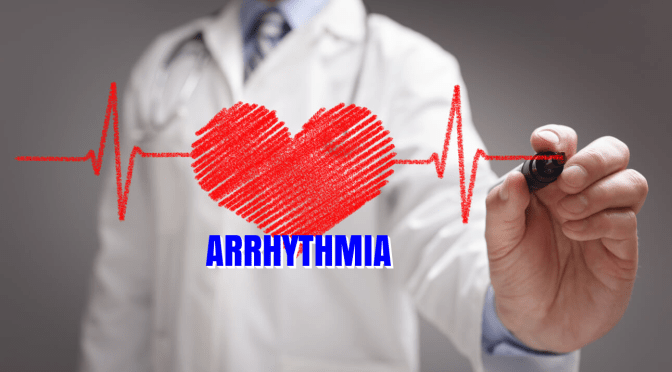
ARRYTHMIA refers to the irregularity of the beat. Normally, the sinus node originates the electrical impulse, automatically generating the rhythm. The impulse spreads in an organized fashion throughout the Atria causing them to contract and send the collected blood to the ventricles.

Atrial Fibrillation | cdc.gov

The AV node is then activated, and after a slight delay, to allow the ventricles to fill, the impulse spreads to the Ventricles, causing them to contract, The heart is designed to be most efficient above 50 beats per minute, and below about 120. The rate is higher in the young and athletic. Athletes often have an efficient resting pulse in the 40s.

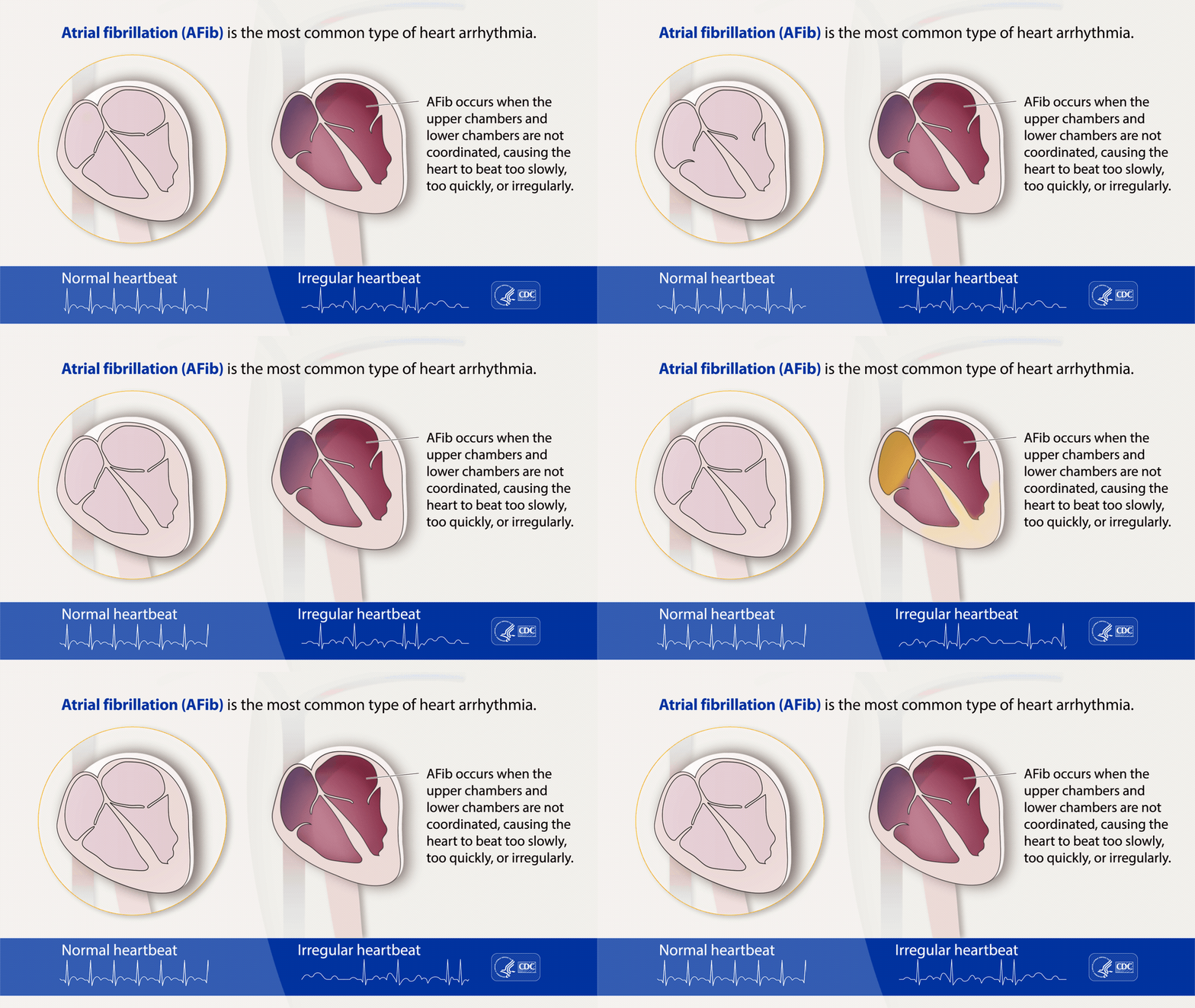
The arrhythmias usually cause the heart to beat too FAST. The most common arrhythmia is ATRIAL FIBRILLATION. In this condition, the upper chambers, the Atria, do not beat in a coordinated manner. The sinus node no longer regularly originates the electrical impulse because the electrical activity is continuously traveling in a disorganized way throughout the upper chambers in a self-propagating manner.

This quivering of the Atria allows the blood to pool in an area called the Atrial Appendages. This stagnant, pooled blood tends to clot, particularly if there is inflammation already present in the heart from vessel damage, obesity, or simply old age.

These CLOTS may find their way into the systemic circulation, and cause a STROKE. Another symptom of Atrial fibrillation is related to the irregular beats, which creates the sensation of PALPITATIONS, which causes you to be AWARE of your heart beating, and can be disturbing.

ATRIAL FLUTTER, and SUPRAVENTRICULAR TACHYCARDIA are other Arrhythmias. Some conditions cause the heart rate to be too SLOW. SICK SINUS SYNDROME is when the sinus node, the PACEMAKER, becomes more and more disordered, sometimes causing the heart to slow excessively, and produce FAINTING, sometimes producing a rapid heart rate.

Atrial Fibrillation Compared to Normal Conduction Useful graphic ...

Heart block is where the signal from the atria don’t reach the ventricles properly, sometimes not at all. The unsignaled ventricles still beat, but more slowly by an intrinsic, “idioventricular” rhythm.

My own experiences with ATRIAL FIBRILLATION will illustrate the problem and it’s treatment. A RAPID HEART BEAT was my introduction into arrhythmias. The rate was 140, and the EKG showed ATRIAL FLUTTER.

My Doctor gave me some PROPAFENONE to attempt a “chemical conversion” but it didn’t work, and i was given a CARDIOVERSION in the ER. The Arrhythmia returned in the form of ATRIAL FIBRILLATION within a couple of weeks. Back to the ER, and another cardioversion.

I was given propafenone, but that didn’t hold me much longer. A RADIOFREQUENCY ABLATION, where the focal points of aberrant electrical activation were isolated kept me in SINUS RHYTHM for a couple of years.

When the Fibrillation returned, Propafenone worked for a while, after which another Ablation, more propafenone, bood level regulation of propafenone to peak at night ( I invariably started fibrillation at night) and so on. With periodic trips to the ER for Cardioversion, I got by for a Decade.

Finally, when regulating the Propafenone couldn’t hold me in Sinus Rhythm longer than a month, I gave up, let myself go on fibrillating, and started taking ELEQUIS to PREVENT EMBOLI AND STROKE. Back when I first started fibrillating I had 2 main reasons for wanting to return to sinus rhythm..

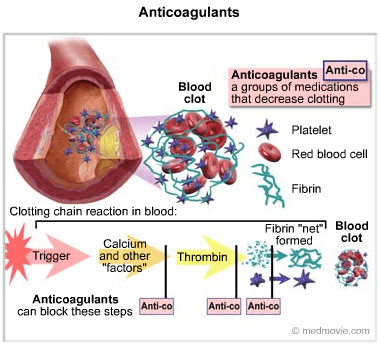
First, I wanted to avoid ANTICOAGULANTS, which initially meant WARFARIN, and regular blood checks. At least, when I finally resigned myself to Fibrillation, Eliquis was available.

The second reason was to avoid medications, including beta blockers,which would be necessary to keep my heart rate in the acceptable range, 80 or below. By the time I gave up on controlling the AF, my rate was in the 70s, going down into the 50s, even while fibrillating.

This good fortune may have been caused another mild heart aberration I had all along, a Partial BUNDLE BRANCH BLOCK, which slowed down the electrical signals to my ventricles. Sometimes you get lucky, and 2 “wrongs” sometimes DO make a “right”. But don’t count on it.

Keep yourself as healthy as possible. Atrial fibrillation is more common with obesity and heart disease. SLEEP APNEA is also a cause, and should be ruled out if you develop Atrial fibrillation. I had a Sleep study, which showed that I had Sleep Apnea, which will be a story i will tell later.

–DR. C