

A weekly podcast on the latest medical, science and telehealth news.
Tag Archives: Men’s Health

DR. C’S JOURNAL: YEASTS – CANDIDA ALBICANS
Candida albicans is a ubiquitous yeast that has evolved the ability to stick to mucocutaneous linings, e.g. mucous membranes and skin. When present in the mouth it is called thrush, and on the skin intertrigo, or diaper rash among other names.
Almost everybody is infested by candida in low amounts, as indicated by the common incidence of a whitish membrane (thrush) in the mouth of people who regularly use inhaled corticosteroids for asthma. The Cortisone lowers the resistance, enabling the fungus to grow more profusely. The use of broad-spectrum antibiotics also facilitates the growth of Canada by killing off the competition.

Diabetes is a risk factor that commonly increases difficulties that people have in controlling candida growth in their oral and genital areas. Certainly anything that affects the immune system such as very young or very old age, viral infections especially AIDS, organ transplants, and chemotherapy will increase the incidence of Canada.
Due to it’s widespread presence in the body, Candida albicans is the fourth most common cause of bloodstream infections among hospitalized patients, where it grows on indwelling catheters and other in certain devices, which act as avenues for the yeast to invade the bloodstream.
Candida Auris is a member of the same genus, Candida,that has developed some gain of function mutations to allow it to infect the body much more readily. It is very hard to get rid of, and at least one emergency room has been shut down because of a Candida Auris infestation. Another little trick that it has evolved is resistance to most antifungal agents; The mortality rate of systemically infected people is very high.
The combination of greater infectivity and resistance to treatment makes it formidable indeed, but still it is mainly a problem for immuno suppressed individuals. C. Auris is not as widespread as Candida albicans, and the number of cases is currently nowhere near as great. But if you get it, watch out!
As with so many other problems, it is better not see them. In other words, stay healthy with sleep, diet and exercise.
–Dr. C

HEALTH: HIP REPLACEMENT SURGERY SUCCESS RATES
The mission of COMPASS is to provide patients with access to comprehensive quality and safety data across a variety of Massachusetts General Hospital surgical specialties. In this video, learn about performance data for Mass General hip replacement surgery including its success rate and recovery and rehabilitation.

MEDICINE: ‘AI’ CAN PREDICT RHEUMATOID ARTHRITIS
DOCTORS PODCAST: MEDICAL & TELEHEALTH NEWS (JUN 18)
A weekly podcast on the latest medical, science and telehealth news.

COVID-19: ARE VACCINE INCENTIVES PAYING OFF?
Across the country, states are shelling out incentives ranging from free beer to $1 million lotteries to encourage residents to get their Covid-19 shots. But is the effort to boost vaccination rates working? And is it worth the cost? Photo composite: Adam Falk/The Wall Street Journal
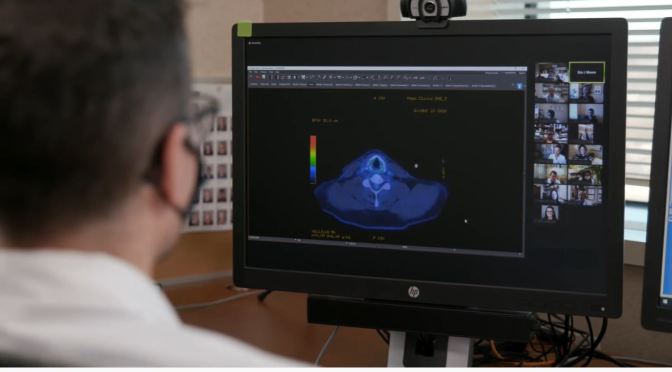
Telemedicine: Mayo Clinic Otolaryngology (Video)
The department of Otolaryngology offers telemedicine as a safe, secure and convenient way to consult with our care teams. Advanced planning, follow up visits and attending a consultation from a distant with a family member are beneficial ways to utilize telemedicine. See here for information on our clinic and specialty groups related to the department of Otolaryngology. https://www.mayoclinic.org/department…
Otorhinolaryngology is a surgical subspecialty within medicine that deals with the surgical and medical management of conditions of the head and neck. Doctors who specialize in this area are called otorhinolaryngologists, otolaryngologists, head and neck surgeons, or ENT surgeons or physicians.

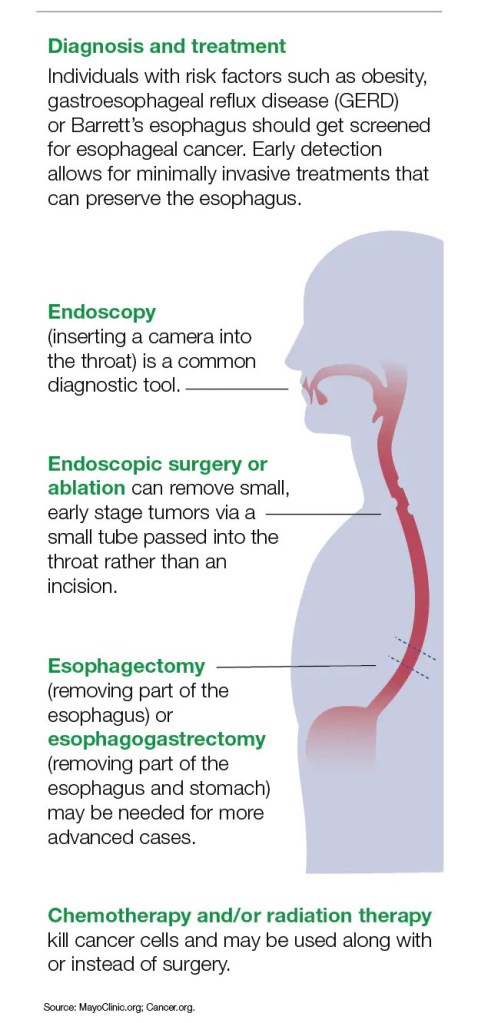
ESOPHAGEAL CANCER: SYMPTOMS & DIAGNOSIS



INFOGRAPHIC: TYPES AND CAUSES OF HEART DISEASE



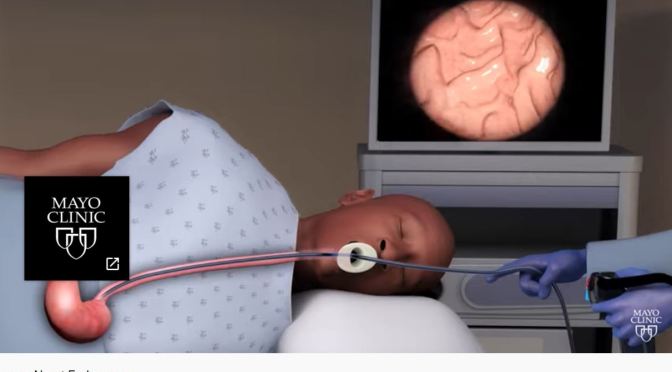
Procedures: Endoscopy Of Stomach & Intestine
An endoscopy allows your doctor to view your esophagus, stomach and part of the small intestine. Here’s how it works.
An endoscopy procedure involves inserting a long, flexible tube (endoscope) down your throat and into your esophagus. A tiny camera on the end of the endoscope lets your doctor examine your esophagus, stomach and the beginning of your small intestine (duodenum).
 Doctors Without Waiting Rooms