


Tag Archives: Menopause
Women’s Health: Risks & Treatment Of Menopause
As levels of estrogen, a crucial chemical messenger, trend downward, women are at higher risk for severe depressive symptoms. Bone loss accelerates. In women who have a genetic risk for Alzheimer’s disease, the first plaques are thought to form in the brain during this period.

About 85 percent of women experience menopausal symptoms. Rebecca Thurston, a professor of psychiatry at the University of Pittsburgh who studies menopause, believes that, in general, menopausal women have been underserved — an oversight that she considers one of the great blind spots of medicine. “It suggests that we have a high cultural tolerance for women’s suffering,” Thurston says. “It’s not regarded as important.”
Even hormone therapy, the single best option that is available to women, has a history that reflects the medical culture’s challenges in keeping up with science; it also represents a lost opportunity to improve women’s lives.
COMMENTS:
The New York Times, Sunday magazine, posted an article by Susan Dominus entitled “the vicious cycle”, in which was a long discussion of the disease burden of menopause. It is well worth reading.
“Forever Feminine” was a book by Robert Wilson, in 1966, which promoted hormone treatment for “enjoyment of sex” in menopausal women. The use of estrogen skyrocketed.
Alarming research in 1975, which linked estrogen usage to endometrial cancer, halted the rise of the drug’s popularity.
Without hormonal treatment, the many symptoms of menopause were devalued and quietly suffered by women.
The medical profession has been slowly recovering from whiplash. New, better controlled research is being done and slowly a more nuanced approach is being taken. Women with a history of heart attack or stroke are still generally advised against hormonal therapy, but many others are being given birth control pills, which is a combination of estrogen and progesterone.
The average age of menopause is approximately 50 years of age, but symptoms can anticipate menopause by several years. An elevated FSH is the usual laboratory test to indicate perimenopause.
Early menopause can be associated with a decreased lifespan, increased likelihood of osteoporosis, cardiovascular disease and dementia, and is often treated with hormonal therapy. A delayed menopause is less likely to be treated with hormonal therapy, because of increased risk.
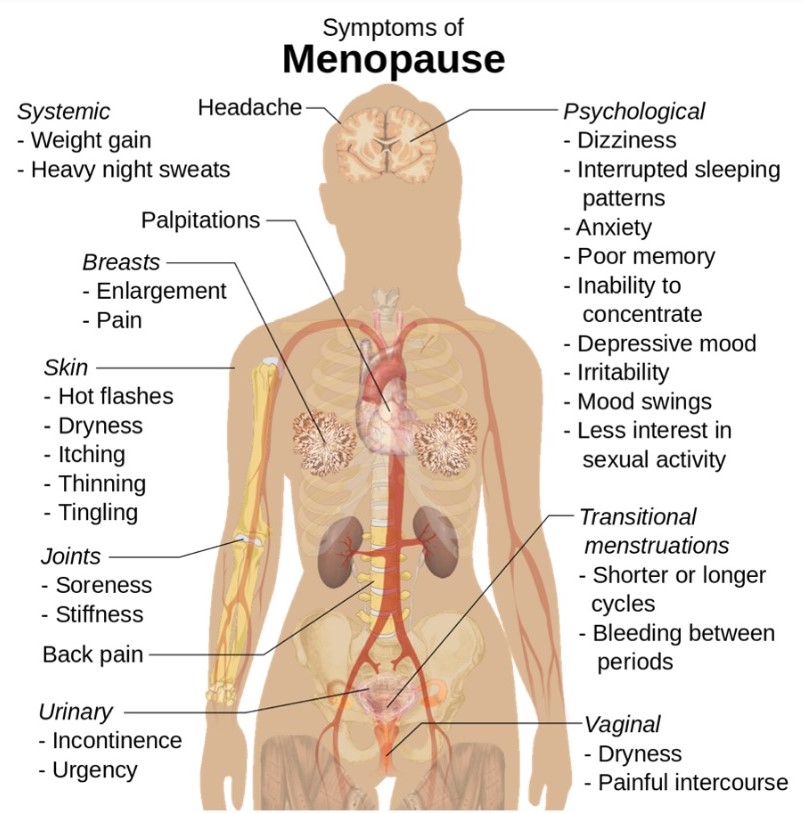
There are a lot of risk factors to be balanced against the symptoms involved, such as hot flashes and the entire panoplay of symptoms indicated in the infographic.
Some day, artificial intelligence will be used in order to make more explicit the benefits and risks involved. Until that time, the patient suffering from premenopausal or menopausal symptoms should find a Doctor Who would actually listen to her, a difficult task these days.
—Dr. C.

Women’s Health: How To Ease & Manage Menopause

The menopausal transition most often begins between ages 45 and 55. It usually lasts about seven years but can be as long as 14 years. The duration can depend on lifestyle factors such as smoking, age it begins, and race and ethnicity. During perimenopause, the body’s production of estrogen and progesterone, two hormones made by the ovaries, varies greatly.
The menopausal transition affects each woman uniquely and in various ways. The body begins to use energy differently, fat cells change, and women may gain weight more easily. You may experience changes in your bone or heart health, your body shape and composition, or your physical function

Reviews: The Top 5 Articles On Healthy Aging In 2022
High Blood Pressure and Older Adults
— High blood pressure, or hypertension, is common in older adults. The good news is that blood pressure can be controlled in most people.
What Is Menopause?
— Menopause is a normal part of aging for women, but it affects every woman differently.
Memory, Forgetfulness, and Aging: What’s Normal and What’s Not?
— As you age, you may wonder about the difference between normal, age-related forgetfulness and a serious memory problem, such as dementia.
Shingles
— Shingles is a disease that triggers a painful skin rash. About one in three people will get shingles, but there is a vaccine for older adults to help prevent the disease.
Vitamins and Minerals for Older Adults
— Vitamins and minerals are types of nutrients that your body needs to survive and stay healthy.

BLOOD TESTS: THE BENEFITS THAT “COMPREHENSIVE METABOLIC PANELS” REVEAL
One of my nurses who was usually in good health developed chronic complaints. She felt tired all the time and had a variety of aches and pains. She has been going through menopause for a long time but this set of problems seem different. Then she broke her arm after sustaining a minor fall. An investigation was in order. I should order some tests, but which ones?
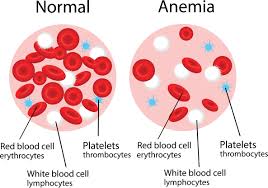
Anemia would explain the fatigue so a CBC was a no brainer. With the surprise fracture, I wanted to cast the net wider, so I ordered a comprehensive metabolic panel.
This is an automated test that was a good value for the amount of information provided, I thought.
Nobody was more surprised than I when the test provided results that were the key to her very rare diagnosis. Her serum CALCIUM was very high, and her alkaline phosphatase was also elevated.
Further evaluation showed her diagnosis to be PRIMARY HYPERPARATHYROIDISM.
Removal of her abnormal parathyroid gland was curative. I have been a big fan of the Comprehensive Metabolic Panel ever since.
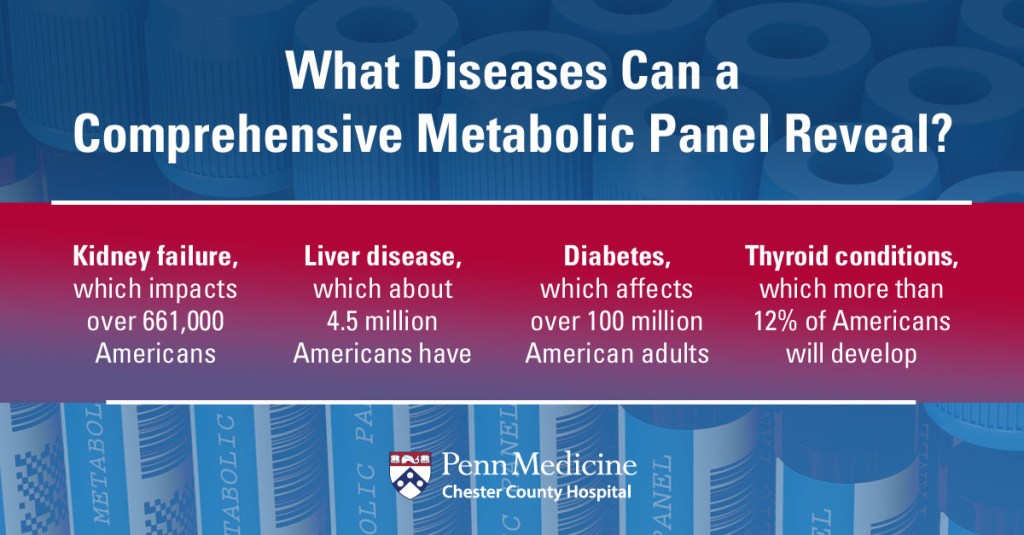
The Panel of 14 tests includes:
- Glucose – an essential test to check in Diabetes, Seizures and Coma.
- Sodium, Potassium, Chloride, and CO2 and the associated Anion Gap – can be abnormal in a variety of accidents, and other conditions.
- BUN and Creatinine – cleared by the kidneys, and become elevated in Renal, or Kidney conditions.
- Calcium and alkaline phosphatase – reflect bone metabolism, and are sensitive to Vitamin D and parathyroid hormone, as in my nurses case.
- Albumin and Globulin – important blood proteins. Globulins contain the important immunoglobulins. A variety of conditions will influence their values.
- AST (SGOT) and ALT – elevated in liver disease
Type in “Comprehensive Metabolic Panel” in google, and choose from the variety of “hits” to get more information about this “ Sherlock Holmes’ Magnifying Glass” for Physicians.
Medicine would be hard pressed to do without it!
 Doctors Without Waiting Rooms