Tag Archives: Medicine

Dr. C’s Journal: What Are Symptoms Of Gonorrhea?

Gonorrhea been present since the earliest times. The United States has one of the highest incidences, and it was very common in colonial America, where it was called “clap”. Adolescents, with their increased sexual activity, have the highest incidence, and girls are somewhat more likely to have it than boys.
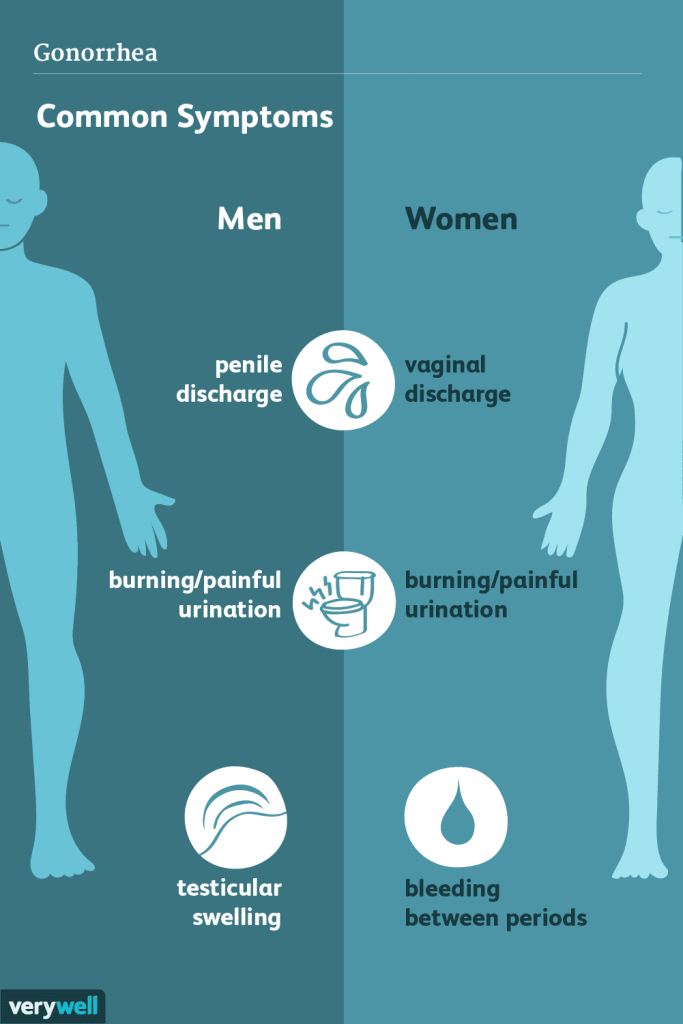
The symptoms have to do with infection and inflammation of the urethra. Burning on urination is almost universal, and purulent discharge and presence of pus in the urine is frequent. The infection is mostly a nuisance, but it can travel up the genito-urinary tract, and into the spermatic ducts in the male or the fallopian tubes in the female, and it is a common cause of sterility and pelvic inflammatory disease, or PID.

With its high frequency in young females, bacterial ointments are routinely applied to the eyes of newborn babies to prevent severe infection and possible blindness.

When I was practicing medicine, the diagnosis was made by culturing for the bacterium neisseria gonorrhea. Now the NAAT, the nucleic acid  amplification test, is the gold standard.

In my practicing  days, penicillin was the magic bullet, but resistance he has developed so that a cephalosporin and azithromycin combination is currently used.

STDs, sexually transmitted diseases, are one of the commonest conditions encountered in student health, according  to a good friend.

Please refer to the attached Mayo Clinic article for more information.

—Dr. C.

Read more

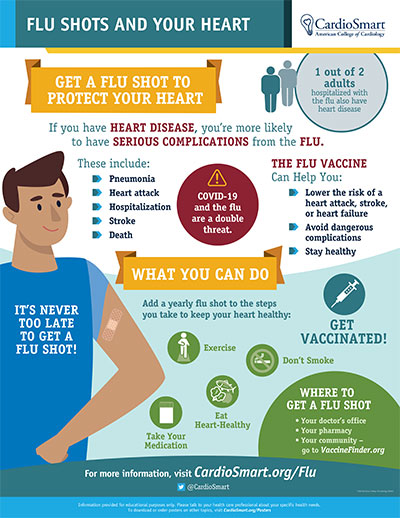
Prevention: Flu Shots Lower Heart Attack Risks

Influenza-related stress on your body can launch a negative chain of events that builds toward a heart attack. This video shares how getting a seasonal flu shot can significantly lower your risk of having a heart attack or cardiac arrest, especially if you’re in a high-risk group.

Chapters: 0:00 Can flu shots lower risk of heart attacks? 0:37 How does the flu shot lower risk of heart attacks? 1:08 Who is most at risk of having a flu related heart attack? 1:30 Why else should you get a flu shot?

Melanoma: Men Have Higher Mortality Rates

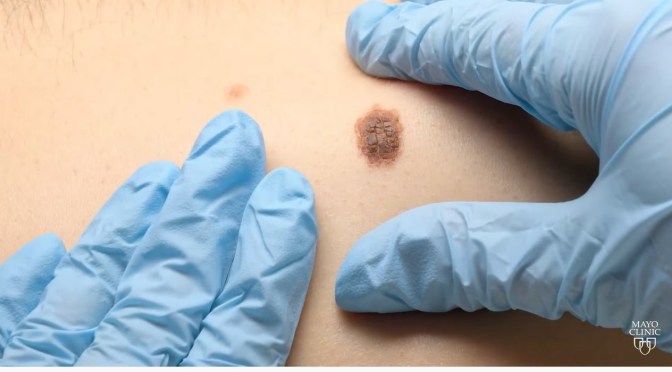
Researchers say men are more likely to die from melanoma than women. And by the time a man is 50, the likelihood of developing melanoma increases every year, compared with women.

“The main risk factors for melanoma are sun exposure, amount of sun exposure, high-level sun exposure — meaning sunburns — but also light skin color,” says Aleksandar Sekulic, M.D., a Mayo Clinic dermatologist.

The most common places for melanoma to occur are body parts exposed to the sun, including the face, back, arms and legs. The first signs are often a change to an existing mole or an unusual-looking growth on the skin.

“The big problem with melanoma is not only that it starts in the skin, but that it can spread. And it can be deadly,” says Dr. Sekulic.

Avoid prolonged exposure to the sun, especially in the middle of the day to prevent sunburns. Wear protective gear outside, such as a broad-brimmed hat, tightly woven clothing that covers your arms and legs, and sunglasses to protect your eyes. And use sunscreen generously with a sun protection factor of 30 or higher on exposed areas of skin. Reapply at least every two hours. And if you’re swimming or sweating, use water- and sweat-resistant sunscreen.

Read more

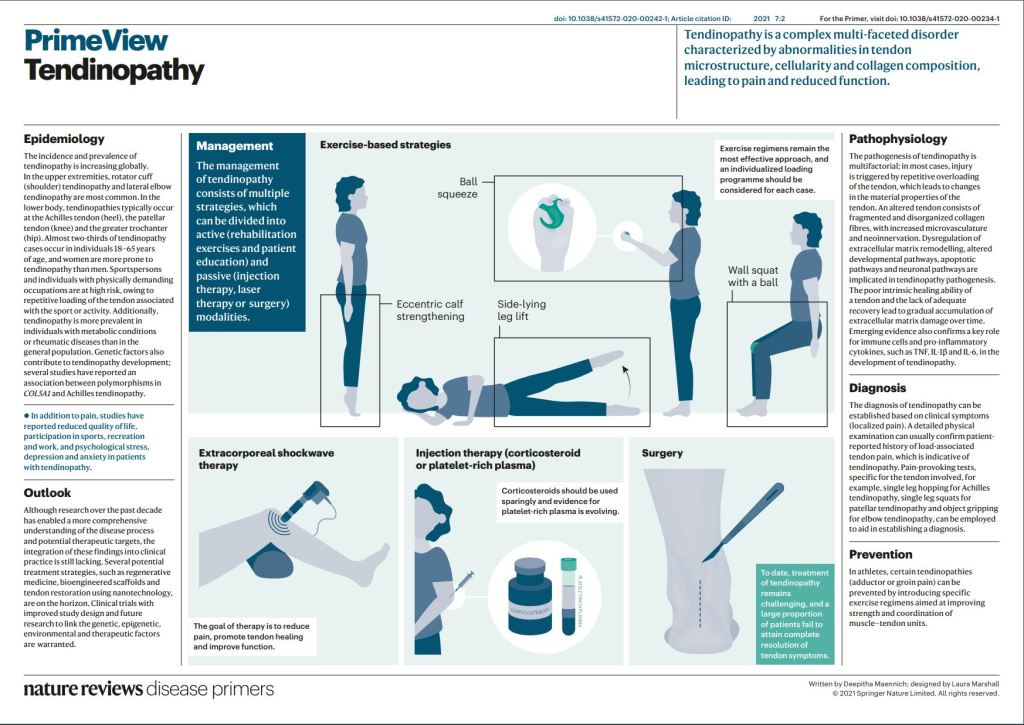
Tendinopathy: Diagnosis, Treatment & Prevention

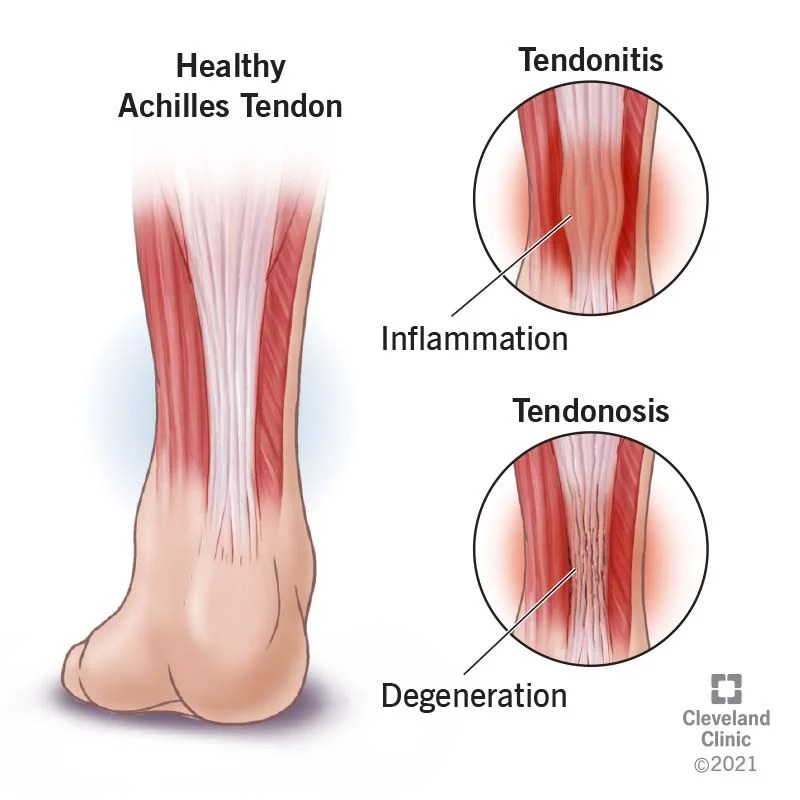
Tendinopathy is the broad term for any tendon condition that causes pain and swelling. Your tendons are rope-like tissues in your body that attach muscle to bone. When your muscles tighten and relax, your tendons and bones move. One example of a tendon is your Achilles tendon, which attaches your calf muscle to your heel bone and causes ankle movement. If you have pain and/or swelling in that area, you might have Achilles tendinopathy.

The pain from tendinopathy can interfere with your daily life. For example, it can keep you from playing sports and from doing housework. So, if you have pain or swelling, make sure to contact your healthcare provider for help.

Read more

Insulin Resistance: Risk Factors And Treatment

Learning about insulin resistance, or prediabetes, can be intimidating. Eleanna De Filippis, M.D., Ph.D., an endocrinologist at Mayo Clinic, walks you through the facts, the questions, and the answers to help you better understand this condition.

Video timeline: 0:00 Introduction 0:41 What is insulin resistance? 1:32 Who gets insulin resistance? / Risk factors 2:38 Symptoms of insulin resistance 4:04 How is insulin resistance diagnosed? 4:34 Treatment options 5:21 Coping methods/ What now? 5:41 Ending

COMMENTARY:

The (developed) world just has too much food. Food producers race with each other to make It tastier, to advertise it widely, and make it available on demand. As a consequence of their success, at least 1/2 of the developed world is overweight and has decreased insulin sensitivity, prediabetes or diabetes. This leads to severe health consequences in the form of hypertension, arteriosclerosis, heart disease, brain disease, liver disease, and a variety of back and joint problems.

Mankind did not evolve in an environment of chronic nutritional oversupply, but rather it’s reverse. Mankind did not develop in a sedentary environment, but rather it’s reverse.

Insulin resistance is caused by overfilled energy stores (excess fat), increased inflammation from distended, dying fat cells, excess fatty acids and stresses to some of the important micro structures in our cells, such as mitochondria and endoplasmic reticulum, not to mention metabolic pathways such as the mTOR and Sirtuin systems.

Eating is a pleasure, and turning down food takes self-discipline, which is a pain, and is becoming increasingly unpopular. “Maybe a pill will come along to get rid of fat and prevent its accumulation”. but don’t count on it. The main hope for avoiding the danger of overnutrition is being discriminating about what and how much you eat.

Exercise is inconvenient and uncomfortable, but is the second necessity for a healthy life. Two of its many benefits is to increase adiponectin, which increases burning of the fatty acids which are so toxic to the body, and to increase insulin sensitivity, counteracting type two diabetes.

The third necessity is getting enough sleep.

Replay the old record. Diet, exercise and sleep, sleep  diet and exercise.

Please excuse me, it’s time for my evening exercise.

—Dr. C.

For more reading visit: https://mayocl.in/3waShVV.

Infographic: Diagnosis & Treatment Of Psoriasis

Psoriasis is a skin disease that causes a rash with itchy, scaly patches, most commonly on the knees, elbows, trunk and scalp.

Psoriasis is a common, long-term (chronic) disease with no cure. It can be painful, interfere with sleep and make it hard to concentrate. The condition tends to go through cycles, flaring for a few weeks or months, then subsiding for a while. Common triggers in people with a genetic predisposition to psoriasis include infections, cuts or burns, and certain medications.

Treatments are available to help you manage symptoms. And you can try lifestyle habits and coping strategies to help you live better with psoriasis.

Website

COMMENTS ON ‘PSORATIC ARTHRITIS’:

My practice was restricted to allergy, but I saw many patients with psoriasis. The red scaly patches made them think they had allergic dermatitis, eczema. Psoriasis on the arm is usually located on the elbow, and atopic dermatitis on the opposite side, in the flexural area. Thick, pitted fingernails are also common in psoriasis. It’s combination with arthritis is worrisome.

Psoriasis will usually develop first, and the psoriatic arthritis will follow years later, but 10% of the time the arthritis Is the first problem. This form of arthritis can be very painful, and cause deformities. It is often worse than rheumatoid arthritis, although does not affect as many joints, and is often asymmetrical. It inflames the area where tendons attach to the bone, which is one of the reasons that it can be more painful than rheumatoid arthritis.

Psoriasis is an autoimmune problem and can involve practically any organ in the body.

It is often associated with metabolic syndrome and diabetes.

Psoriatic arthritis does not have the rheumatoid serum markers that can help diagnose rheumatoid arthritis, and unless psoriasis is also present on the skin, it can be hard to diagnose.

Symptomatic treatment with NSAIDs, physical therapy, phototherapy and topical treatments can be helpful, but very expensive biologics are sometimes needed to help out methotrexate and other first line DMARDs (Disease modifying antirheumatic drugs).

This condition can be  progressive.  If you develop scaly red patches on your skin, be sure to check with the doctor about the possibility of psoriasis.

—Dr. C.

Bacteria: The Risks Of Pseudomonas Aeruginosa

Bacteria have long been classified according to how they are stained by the chemical dye called the Gram stain. Pseudomonas aeruginosa is Gram-negative, compared to the Staph aureus which is gram-positive.

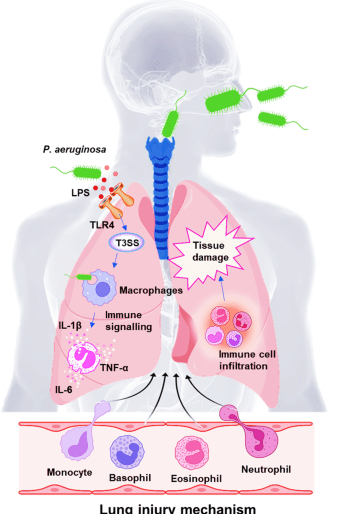
Being Gram negative, Pseudomonas has an extra membrane, the outer membrane, and a shell of a nasty material called Lipo polysaccharide. These extra structures act as a barrier to entrance of antibiotics. In addition, the Pseudomonas has many more genes than the average bacterium and uses these genes for adaptation. For instance, it is good at forming a raft of mutually supporting cells called a biofilm, which enables it to become particularly entrenched. In a condition of the lung called cystic fibrosis, this biofilm contains specialized cells, one of which is called the Persister cell. When Pseudomonas senses that a critical number of bacteria is present, called quorum sensing, the persister cell multiplies to become around 10% of the bacterial population, and slows down their metabolism massively, becoming a sort of “zombie cell”. These cells are very hard to kill and persist through an antibiotic treatment that kills other Pseudomonas cells, only to rev up their metabolism and become active again once treatment is withdrawn.

In addition, Pseudomonas has all of the other resistant talents mentioned in the previous article on Staphylococcus aureus, such  as plasmid acceptance, ability to destroy penicillin, efflux pumps, and rerouting of metabolism.

In trying to control Pseudomonas, techniques other than antibiotics are being tried out of desperation, including interference with a quorum sensing, use of bacteriophages and chemical  elements such as Gallium which masquerades as the iron this bacterium requires.

Pseudomonas is not as actively pathogenic as Staphylococcus aureus, but it has made a great niche for itself in the respiratory tract, especially in people with a compromised immune system, or pulmonary abnormality such as cystic fibrosis. Ventilation tubes and other hospital equipment can become contaminated and spread the infection, unless thoroughly cleansed of Pseudomonas; it is very sensitive to acidic solutions, and those who need nasal CPAP for sleep apnea may recall that they have to rinse their equipment in vinegar, or acetic acid. Swimmers can get an external ear infection with this organism, and the drops for swimmers ear often contains acetic acid.

The next rogue to consider is a frightful yeast called Candida auris.

—Dr. C.

Dr. C’s Journal: The Rise Of Antimicrobial Resistance

We are immersed in a vast sea of tiny organisms, microbes, most of which are either helpful or neutral. There are a few bad actors that can harm people and are responsible for plagues of the past, such as the black death, cholera and influenza epidemics.

This whole picture changed in the late 30s with the advent of Sulfonamides, and especially Penicillin, the “magic bullet”. I was practicing medicine early in the days when antibiotics eliminated almost all infections.

In fact, at one time infections were thought to be a problem of the past. Unfortunately, overusage, chronic multiple infections, surgically implanted devices, immune suppression for cancer and autoimmune diseases have allowed bacteria, fungi and viruses to evolve resistance mechanisms.

At the present time there are a number of bacteria, such as staphylococci, actino bacteria, enterococci, and candida that are essentially untreatable. Even if they are somewhat treatable, second and third level antibiotics are so toxic that they can cause problems with the kidney, liver, or heart.

In later postings, I plan to consider specific organisms and the situations in which they operate. I will also eventually talk about efforts to create new antibiotics by harvesting genetic material from unusual places, even our oceans.

—Dr. C.