Tag Archives: Mayo Clinic

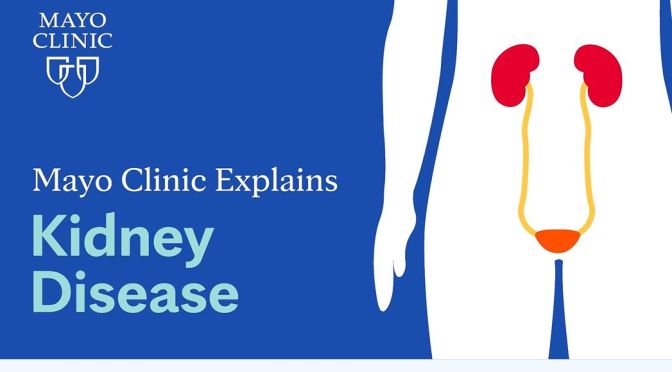
Medicine: Kidney Disease Explained (Mayo Clinic)

Chronic kidney disease, also called chronic kidney failure, involves a gradual loss of kidney function. Your kidneys filter wastes and excess fluids from your blood, which are then removed in your urine. Advanced chronic kidney disease can cause dangerous levels of fluid, electrolytes and wastes to build up in your body.

Video timeline:  0:31 What is kidney disease?  1:09 Who gets kidney disease/risk factors?   2:24 Kidney disease symptoms 3:03 How is kidney disease diagnosed? 3:53 Treatment options   5:23 Coping methods/ What now?  6:16 Ending    
Read more

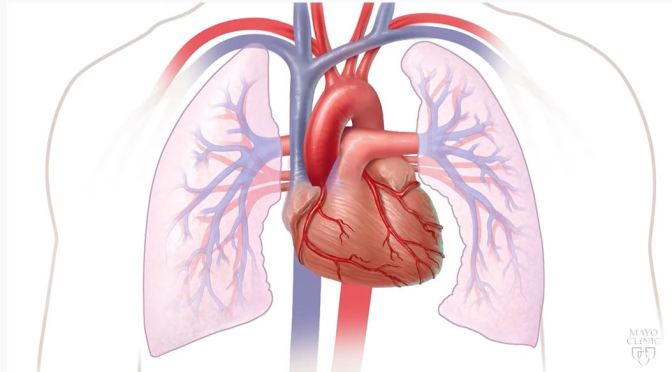
Video: Heart Arrhythmia Red Flags (Mayo Clinic)

Mayo Clinic Minute: Watch for these heart arrhythmia red flags.

A heart arrhythmia (uh-RITH-me-uh) is an irregular heartbeat. Heart rhythm problems (heart arrhythmias) occur when the electrical signals that coordinate the heart’s beats don’t work properly. The faulty signaling causes the heart to beat too fast (tachycardia), too slow (bradycardia) or irregularly.

Heart arrhythmias may feel like a fluttering or racing heart and may be harmless. However, some heart arrhythmias may cause bothersome — sometimes even life-threatening — signs and symptoms.

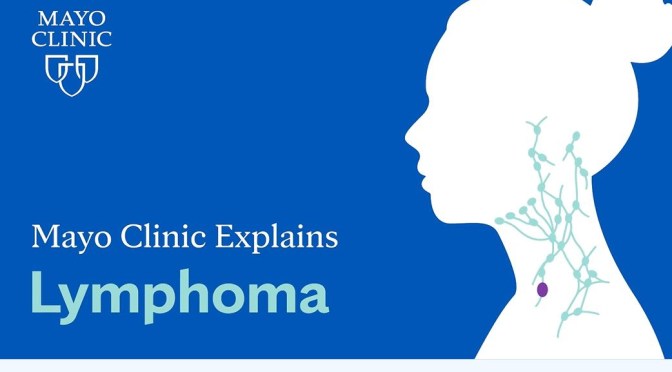
Cancer: The Mayo Clinic Explains Lymphoma (Video)

Learning about lymphoma can be intimidating. Let our experts walk you through the facts, the questions, and the answers to help you better understand this condition.

Video timeline: 0:24 What is Lymphoma?  1:20 Types of Lymphoma 2:04 Who gets Lymphoma? 2:48 Risk factors 3:30 Symptoms 4:10 How is Lymphoma diagnosed?  5:07 Treatment options   6:11 Coping methods/ What now?  7:09 Ending   

 For more reading visit: https://mayocl.in/3xThjs7

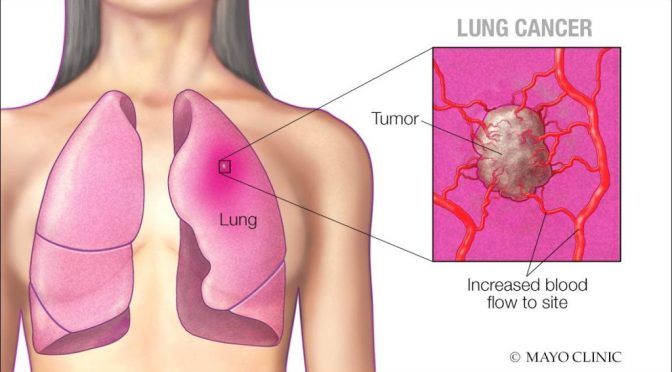
Medicine: Symptoms & Signs Of Lung Cancer

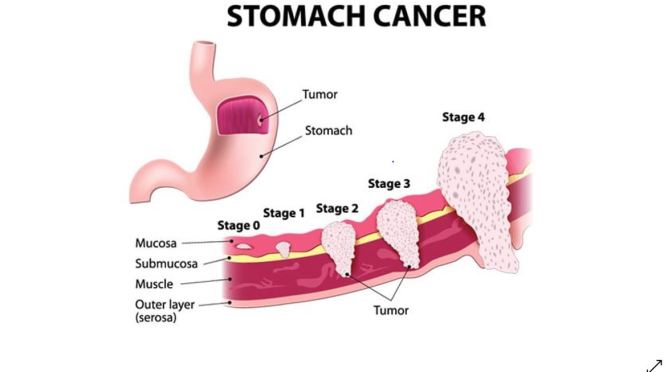
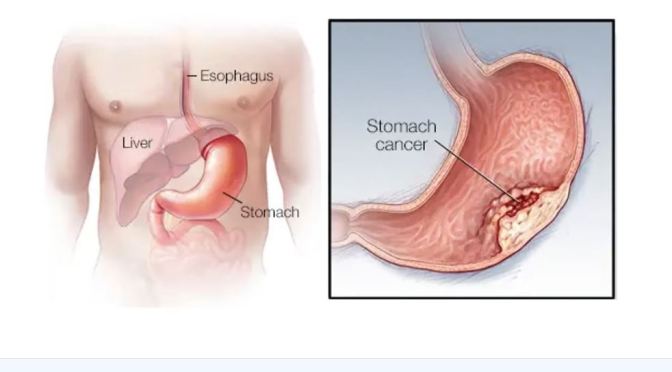
Prevention: Risk Factors For Stomach Cancer

Brain Study: REM Sleep Behavior Disorder Linked To Neurodegeneration

REM sleep behavior disorder is linked to Parkinson’s disease, a movement disorder; dementia with Lewy bodies, which causes cognitive decline; and multiple system atrophy, in which the ability to regulate involuntary functions, such as blood pressure, breathing, and bladder and bowel function, deteriorates.

ROCHESTER, Minn. — People with rapid eye movement (REM) sleep behavior disorder act out their dreams. While sleeping safely in bed, for example, they might throw up their arms to catch an imaginary ball or try to run from an illusory assailant. Such actions are more than just a nuisance. People with the disorder have a 50% to 80% chance of developing a serious neurodegenerative disease within a decade of diagnosis.

Read more at Mayo Clinic

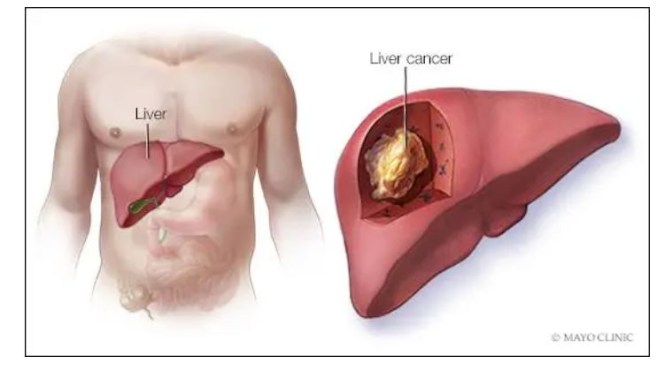
Podcast: Treating And Preventing Liver Cancer

 The National Cancer Institute estimates that more than 42,000 new cases of liver cancer will be diagnosed in 2021, representing 2.2% of all new cancer cases in the U.S. The most common type of primary liver cancer is hepatocellular carcinoma.

Other types of liver cancer, such as intrahepatic cholangiocarcinoma and hepatoblastoma, are much less common. “The vast majority of liver cancers — over 90% — occur in patients who have a chronic liver disease,” says Dr. Ilyas. “Cirrhosis, or advanced scarring of the liver, is the strongest risk factor for hepatocellular carcinoma.” Chronic infection with the hepatitis B or hepatitis C viruses also increases your risk of liver cancer.A wide range of treatment options for primary liver cancer are available. Which treatment is used depends on the stage of the disease. On the Mayo Clinic Q&A podcast, Dr. Ilyas discusses liver cancer diagnoses and treatment options, and the importance of prevention.

Viral Infections: Shingles

Overview

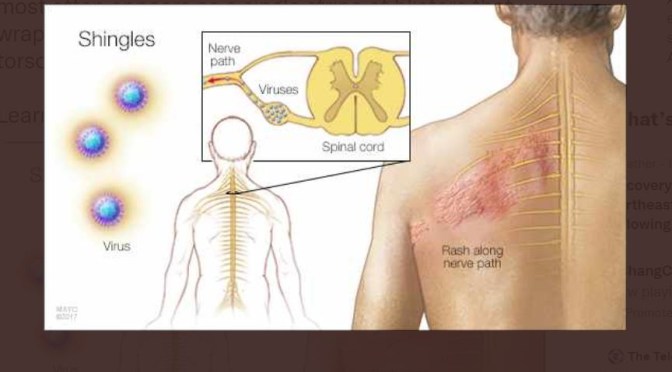
Shingles is a viral infection that causes a painful rash. Although shingles can occur anywhere on your body, it most often appears as a single stripe of blisters that wraps around either the left or the right side of your torso.

Shingles is caused by the varicella-zoster virus — the same virus that causes chickenpox. After you’ve had chickenpox, the virus lies inactive in nerve tissue near your spinal cord and brain. Years later, the virus may reactivate as shingles.

Shingles isn’t a life-threatening condition, but it can be very painful. Vaccines can help reduce the risk of shingles. Early treatment can help shorten a shingles infection and lessen the chance of complications. The most common complication is postherpetic neuralgia, which causes shingles pain for a long time after your blisters have cleared.

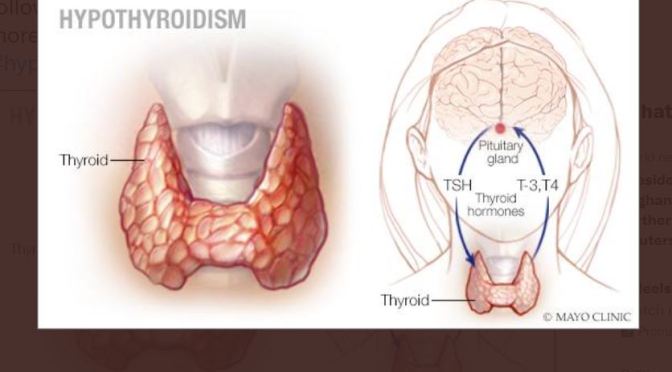
Hypothyroidism: TSH Test First, Then Hormone Test