Tag Archives: Infographics

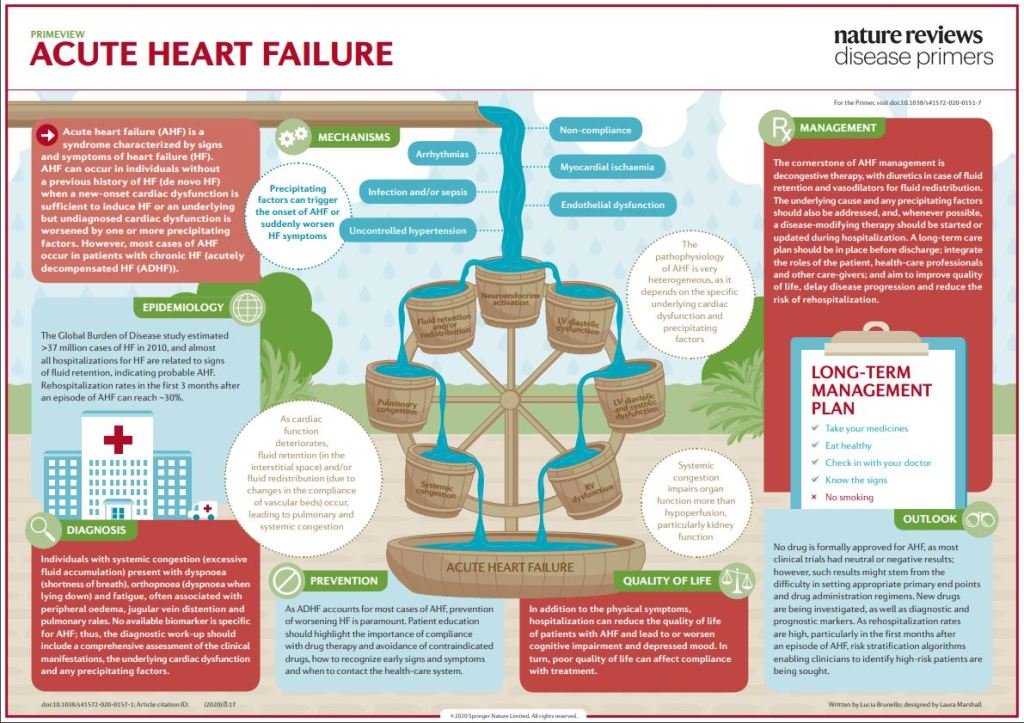
Infographic: Acute Heart Failure (Nature Reviews)

Acute heart failure (AHF) is a syndrome defined as the new onset (de novo heart failure (HF)) or worsening (acutely decompensated heart failure (ADHF)) of symptoms and signs of HF, mostly related to systemic congestion. In the presence of an underlying structural or functional cardiac dysfunction (whether chronic in ADHF or undiagnosed in de novo HF), one or more precipitating factors can induce AHF, although sometimes de novo HF can result directly from the onset of a new cardiac dysfunction, most frequently an acute coronary syndrome.

Despite leading to similar clinical presentations, the underlying cardiac disease and precipitating factors may vary greatly and, therefore, the pathophysiology of AHF is highly heterogeneous. Left ventricular diastolic or systolic dysfunction results in increased preload and afterload, which in turn lead to pulmonary congestion. Fluid retention and redistribution result in systemic congestion, eventually causing organ dysfunction due to hypoperfusion. Current treatment of AHF is mostly symptomatic, centred on decongestive drugs, at best tailored according to the initial haemodynamic status with little regard to the underlying pathophysiological particularities.

As a consequence, AHF is still associated with high mortality and hospital readmission rates. There is an unmet need for increased individualization of in-hospital management, including treatments targeting the causative factors, and continuation of treatment after hospital discharge to improve long-term outcomes.

COMMENTARY:

High frequency sound (ultrasound) bounces off of tissues, like an echo,  and allows an electronic look at the heart. Doppler echocardiography is the doctors method of choice for evaluating a heart failure. One of the most important numbers determined by this method is the EJECTION FRACTION, which is a measure of heart efficiency. If the ejection fraction is low, let’s say below 45%, the heart is pumping out only 45% of its volume with each stroke, which means it must work harder to produce the same amount of circulation. The normal is about 60%.

This is the basis of SYSTOLIC Heart failure.

The test can also tell about blood coming into the heart; the early part of the blood entering is usually 80% of the total. If it drops, let’s say below 50%, it means the heart is stiff and resists blood coming in, which is the basis of DIASTOLIC heart failure.

FACES Is an acronym-mnemonic for the symptoms of heart failure. F is for FATIGUE.

A is for ACTIVITY LIMITATION. C is for CONGESTION in the lungs.  E is for EDEMA, or swelling, usually of the ankles and legs. S is for SHORTNESS of BREATH.

If you want to remember a bit about heart failure, think about echoes and faces. If your Doctor orders an ultrasound with Doppler, be sure to ask about your ejection fraction and percent of blood that enters early, before the “atrial kick”. Being informed is always a good thing.

To be honest, I have never encountered a person who was given a Doppler echocardiogram and could tell me what his ejection fraction was, but I am eternally hopeful.

—Dr. C.
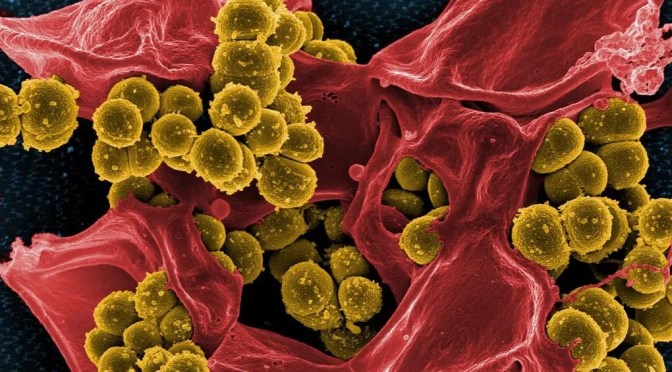
Dr. C’s Journal: MRSA- Methicillin Resistant Staphylococcus Aureus

Staphylococcus aureus is a highly successful – eg.BAD – disease producing bacterium, or “pathogen”. From the standpoint of the bacterium, it didn’t know it was so bad, and was merely producing factors that break down its surroundings to produce food for multiplication. Unfortunately, the proteins-ENZYMES- produced by the staphylococcus, In its effort to survive, can cause anything from diarrhea, abscesses, high fevers, shock, and kidney failure to death.

The staphylococcus was very successful for thousands of years, until slowed down by penicillin.

Penicillin attached itself to a critical part of the staphylococcal cell wall, which stopped the bacterium from functioning. The staphylococcus retaliated by producing an enzyme, penicillinase, that destroys penicillin. Humans responded by producing methicillin, which resisted destruction by the penicillinase. The Staph responded again by a genetic change in the target of penicillin, PBP, so that the Methicillin wouldn’t attach, hence the term methicillin resistant staphylococcus aureus, MRSA.

Interestingly, the MRSA can send little packets of genes called “plasmids” to other bacteria, even other species, which take in the packets and allow them to resist methecillin also. This is called horizontal transfer of resistance.

The staphylococcus aureus has many other ways of protecting itself, and is a good example of the various ways a bacterium can deal with antibiotics.

It can prevent the antibiotic from gaining entrance, or pump it out of the cell faster. It can destroy the antibiotic, as with penicillinase. It can modify the bacterial target of the antibiotic, as in the PBP that protects from penicillin. It can also develop an alternative metabolic pathway or structure to bypass the effect of the antibiotic.

THIS IS WAR, similar to the human kind. The offense develops the sword. The defense develops the shield. The offense develops mounted archery. The defense develops the castle and so on.

We’re not so very different from the bacteria, and in fact every single cell of our bodies has descended from an ancestral  bacterial cell that engulfed another bacterium, which became the mitochondrion, a “slave cell” dedicated to producing thousands of times more energy than the simple bacterium, and leading to multicellular organisms.

Each organism develops appropriate defenses. Penicillium molds developed penicillin to protect themselves from bacteria and we took advantage of this. But it is a dynamic process, with both offense and defense having to adapt repeatedly over time.

In the next article, I will be discussing the bacterium Pseudomonas aeruginosa which is not as dynamic as the staph aureus; It specializes in people with problems, and is called a “facultative pathogen”.

However Pseudomonas is particularly good at exploiting its specialized habitat, which is increasing with the popularity of immunosuppressants and insertion of surgical hardware.

—Dr. C.

Read more

Multimorbidity: Affects 95% Of Adults Over Age 65

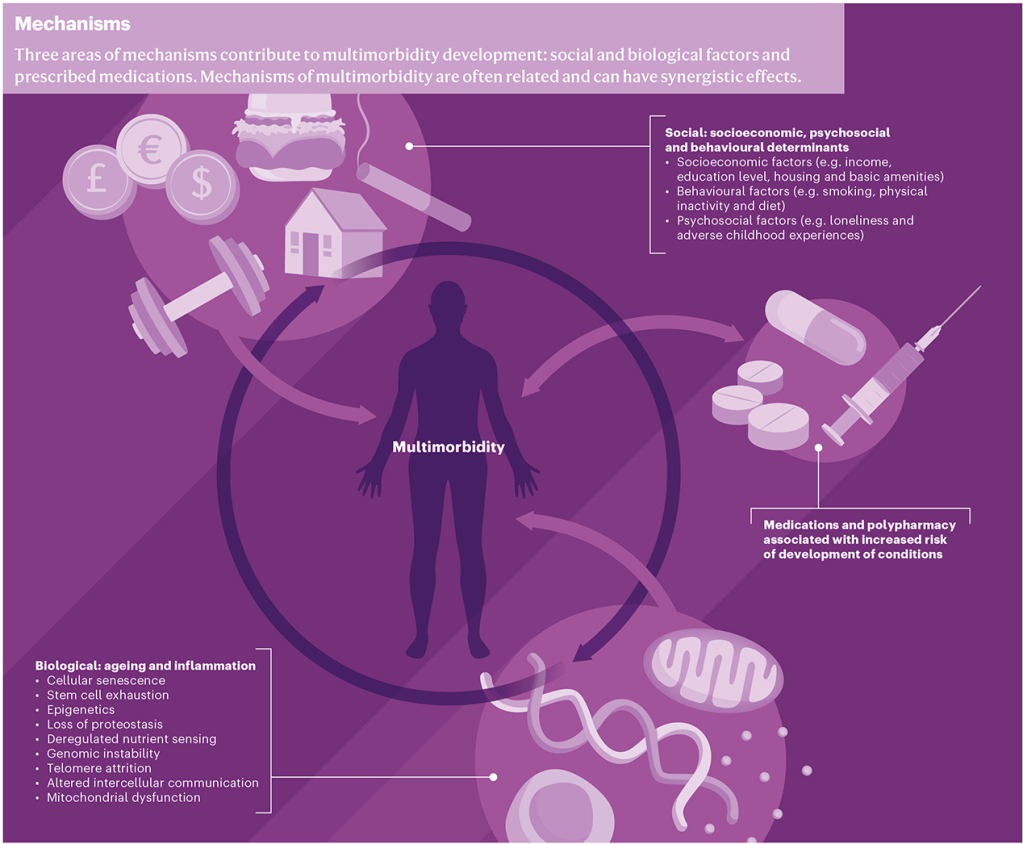
Multimorbidity (two or more coexisting conditions in an individual) is a growing global challenge with substantial effects on individuals, carers and society. Multimorbidity occurs a decade earlier in socioeconomically deprived communities and is associated with premature death, poorer function and quality of life and increased health-care utilization. Mechanisms underlying the development of multimorbidity are complex, interrelated and multilevel, but are related to ageing and underlying biological mechanisms and broader determinants of health such as socioeconomic deprivation. Little is known about prevention of multimorbidity, but focusing on psychosocial and behavioural factors, particularly population level interventions and structural changes, is likely to be beneficial. Most clinical practice guidelines and health-care training and delivery focus on single diseases, leading to care that is sometimes inadequate and potentially harmful. Multimorbidity requires person-centred care, prioritizing what matters most to the individual and the individual’s carers, ensuring care that is effectively coordinated and minimally disruptive, and aligns with the patient’s values. Interventions are likely to be complex and multifaceted. Although an increasing number of studies have examined multimorbidity interventions, there is still limited evidence to support any approach. Greater investment in multimorbidity research and training along with reconfiguration of health care supporting the management of multimorbidity is urgently needed.

Read more

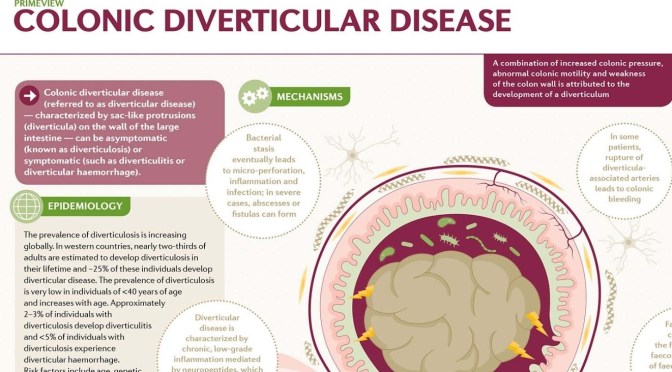
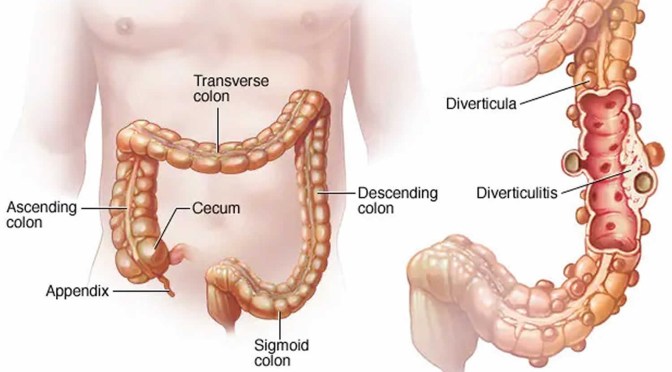
Infographic: Colonic Diverticular Disease

Colonic Diverticular Diseaes is a condition in which small, bulging pouches develop in the digestive tract. It’s common in people over age 40.

Usually, no symptoms occur, unless the diverticula become inflamed or infected (diverticulitis) which can result in fever and abdominal pain.

Treatment generally isn’t needed unless there is inflammation (diverticulitis).

Infographic: Age-Related Macular Degeneration

An eye disease that causes vision loss.

Macular degeneration causes loss in the center of the field of vision. In dry macular degeneration, the center of the retina deteriorates. With wet macular degeneration, leaky blood vessels grow under the retina.

Blurred vision is a key symptom.

A special combination of vitamins and minerals (AREDS formula) may reduce disease progression. Surgery may also be an option.

Infographic: Diagnosis & Treatment Of Pneumonia

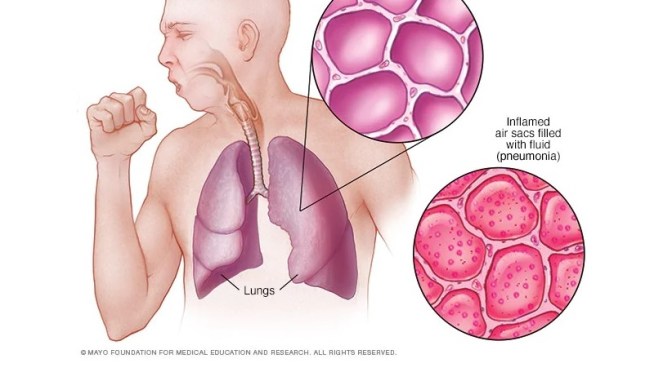
Pneumonia is an infection that inflames the air sacs in one or both lungs. The air sacs may fill with fluid or pus (purulent material), causing cough with phlegm or pus, fever, chills, and difficulty breathing. A variety of organisms, including bacteria, viruses and fungi, can cause pneumonia.

Pneumonia can range in seriousness from mild to life-threatening. It is most serious for infants and young children, people older than age 65, and people with health problems or weakened immune systems.

Chronic Inflammation: What Is Crohn’s Disease?

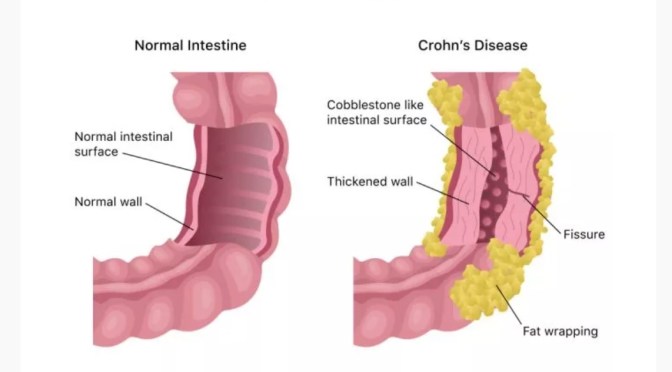
Crohn’s disease is an inflammatory bowel disease that is characterized by chronic inflammation of any part of the gastrointestinal tract, has a progressive and destructive course and is increasing in incidence worldwide. Several factors have been implicated in the cause of Crohn’s disease, including a dysregulated immune system, an altered microbiota, genetic susceptibility and environmental factors, but the cause of the disease remains unknown. The onset of the disease at a young age in most cases necessitates prompt but long-term treatment to prevent disease flares and disease progression with intestinal complications. Thus, earlier, more aggressive treatment with biologic therapies or novel small molecules could profoundly change the natural history of the disease and decrease complications and the need for hospitalization and surgery. Although less invasive biomarkers are in development, diagnosis still relies on endoscopy and histological assessment of biopsy specimens. Crohn’s disease is a complex disease, and treatment should be personalized to address the underlying pathogenetic mechanism. In the future, disease management might rely on severity scores that incorporate prognostic factors, bowel damage assessment and non-invasive close monitoring of disease activity to reduce the severity of complications.

Infographic: Causes And Treatment For Migraine

#Migraine is a common, chronic disorder that is typically characterized by recurrent disabling attacks of headache and accompanying symptoms, including aura.

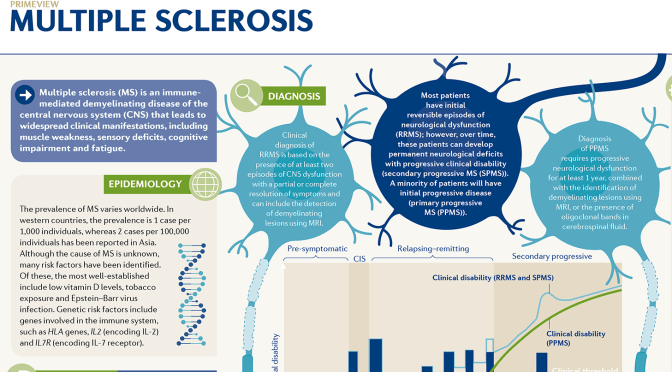
Disease Infographics: Multiple Sclerosis

Infographic: Colonic Diverticular Disease