Tag Archives: Harvard Health

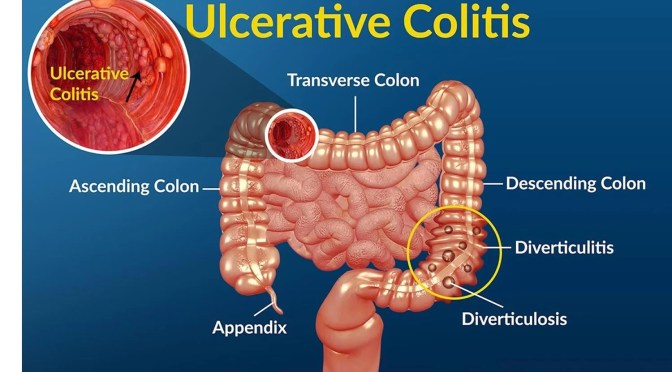
Inflammation: Treating Ulcerative Colitis (UC)

Since ulcerative colitis (UC), a condition that causes inflammation in the colon and rectum, is never medically cured, certain lifestyle behaviors can help you manage symptoms and better cope with your condition. In addition to managing stress, paying attention to what you eat can have a big impact on your quality of life.
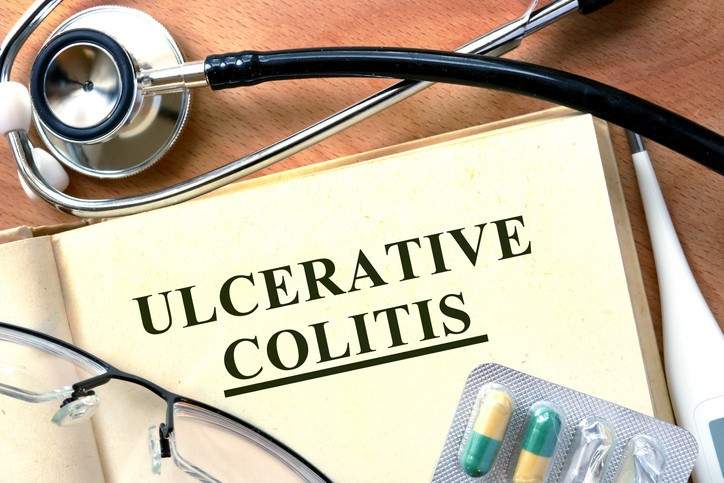
A notepad with "ulcerative colitis" printed on it and a stethoscope laying next to it.

You should eat a well-balanced, healthy diet rich in fresh fruits and vegetables, such as a Mediterranean style diet. Avoid preservatives and emulsifiers, such as carrageenan, carboxymethylcellulose, and polysorbate-80.

If you have inflammatory bowel disease and also irritable bowel syndrome (IBS), a low-FODMAP diet may be helpful. FODMAP stands for the short-chain carbohydrates known as fermentable oligosaccharides, disaccharides, monosaccharides, and polyols. Some people who eat high-FODMAP foods have an increased risk of problems like diarrhea, bloating, abdominal pain, and flatulence. FODMAPs include the following:

  • disaccharides, such as lactose (in milk and other dairy products)
  • monosaccharides, such as fructose (for example, in apples and honey)
  • oligosaccharides, such as fructans (in wheat, onions, and garlic, for example) and galactans (commonly found in beans, lentils, and soybeans)
  • polyols, such as sorbitol and mannitol (in some fruits, vegetables, and artificial sweeteners).

A low-FODMAP diet can help reduce abdominal pain, bloating, and diarrhea and improve stool consistency in people with IBS who also have well-controlled IBD. Consult with your doctor and a nutritionist about how FODMAP reduction may fit into your dietary plan.
Read more

Low Back Pain: Top New Approaches To Treatment

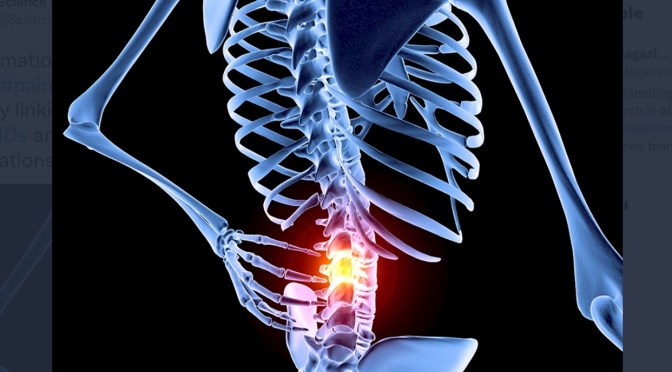
How big is this problem, and what did this study find?

Worldwide, low back pain is a leading cause of disability and affects more than 560 million people. In the US, four in 10 people surveyed in 2019 had experienced low back pain within the past three months, according to the Centers for Disease Control and Prevention.

Protect yourself from the damage of chronic inflammation.

Science has proven that chronic, low-grade inflammation can turn into a silent killer that contributes to cardiovas­cular disease, cancer, type 2 diabetes and other conditions. Get simple tips to fight inflammation and stay healthy — from Harvard Medical School experts.

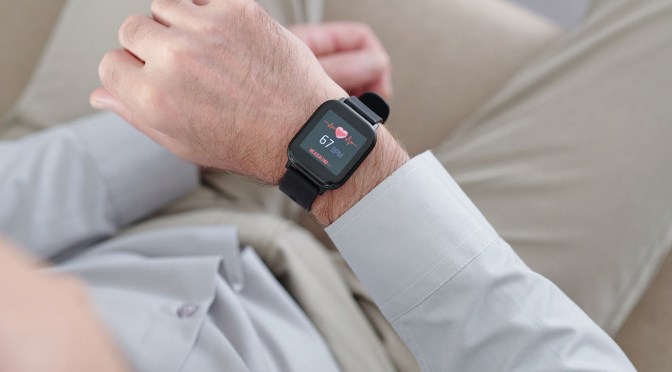
Smart Watches: New Heart Surgery Remote Monitors

Smartwatches just keep getting smarter: the latest versions can estimate your blood oxygen level and record an ECG (a measurement of your heart’s electrical activity). A new study suggests these sophisticated devices may provide a safe, accurate way to monitor people at home after they undergo a minimally invasive heart valve replacement procedure.

The study included 100 people who had a transcatheter aortic valve replacement, most of whom went home within a day or two after the procedure. All received a smartwatch that recorded their heart rate, steps, pulse, oxygen saturation, and an ECG measurement. During next 30 days, the smartwatch detected 29 of 38 heart-related problems — mostly heart rhythm abnormalities — among 34 participants.

The findings suggest that smartwatches could be an effective way to remotely monitor patients from home, say the authors, whose study was published March 29, 2022, in the Journal of the American Heart Association.

Eye Health: Why Corneal Transplants Are Rising

At one time, replacement parts for the eyes must have seemed unimaginable. Nowadays, if the inner lens of the eye becomes clouded by a cataract, a routine surgery to swap it out with a new artificial lens restores vision.

But what happens if the outer lens of the eye (the cornea) becomes damaged or diseased? You can have that replaced, too. “It’s not as common as cataract surgery, but many people get corneal diseases after age 50 and may need a corneal transplant,” says Dr. Nandini Venkateswaran, a corneal and cataract surgeon at Harvard-affiliated Massachusetts Eye and Ear.

More than 49,000 corneal transplants occurred in 2021 in the US, according to the Eye Bank Association of America.

What is the cornea?

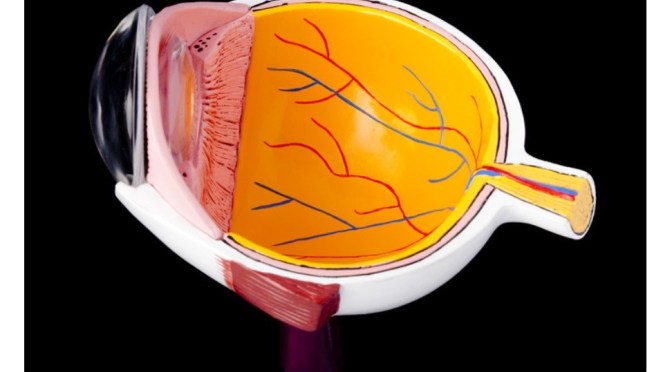
The cornea is a dome of clear tissue at the front of each eye, covering the iris and pupil, that acts as a windshield that protects the delicate eye apparatus behind it, and focuses light onto the retina, which sends signals that the brain turns into images (your vision).

You need this combo of windshield and camera lens to focus and see clearly. But many things can go wrong within the five layers of tissue that make up the cornea. That can make it hard to see and rob you of the ability to read, drive, work, and get through other activities in your day.

How does damage to the cornea occur?

It may stem from a number of causes:

  • Injuries, such as a fall. “Falls are a big reason for people to come in with acute eye trauma. The cornea can be damaged easily if something pokes it,” Dr. Venkateswaran says.
  • Previous eye surgeries. “Especially for adults who’ve had several eye surgeries — such as cataract and glaucoma surgeries — the inner layers of the cornea can become damaged and weakened with age,” she adds.
  • Illness. Problems like severe corneal infections, or genetic conditions such as Fuchs’ endothelial dystrophy, can cause vision loss.

What are the options for treating corneal damage?

Cornea treatment depends on the type of problem you have and the extent of the damage. “It’s a stepwise approach. Sometimes wearing a specialty contact lens or using medications can decrease swelling or scarring in the cornea,” Dr. Venkateswaran says.

Elevated Pulse Rates: The Causes And Concerns

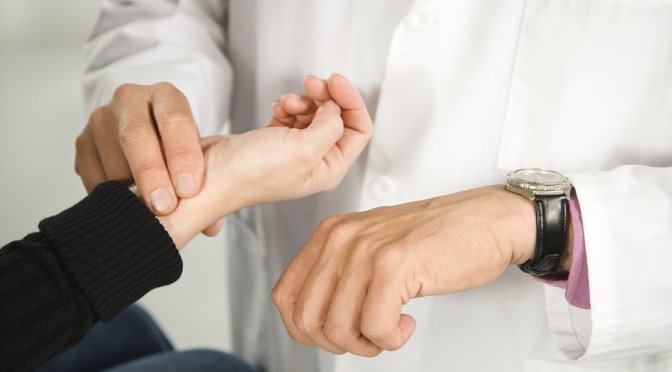
In otherwise healthy people, a heart rate at rest should be less than 100 beats per minute at rest. Heart rates that are consistently above 100, even when the person is sitting quietly, can sometimes be caused by an abnormal heart rhythm. A high heart rate can also mean the heart muscle is weakened by a virus or some other problem that forces it to beat more often to pump enough blood to the rest of the body.

Usually, though, a fast heartbeat is not due to heart disease, because a wide variety of noncardiac factors can speed the heart rate. These include fever, a low red blood cell count (anemia), an overactive thyroid, or overuse of caffeine or stimulants like some over-the-counter decongestants. The list goes on and includes anxiety and poor physical conditioning.

Mammograms: How They Can Reveal Heart Disease

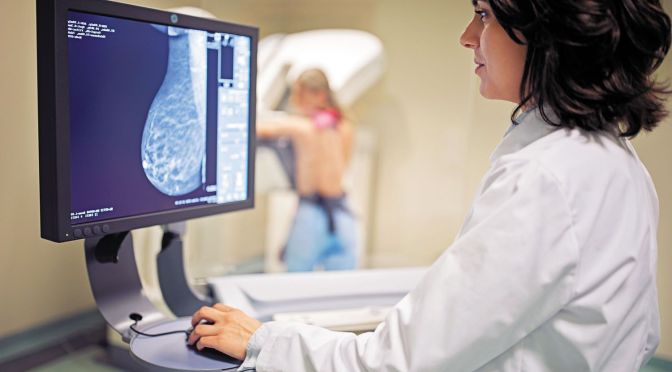
The routine mammograms women receive to check for breast cancer may also offer clues to their risk for heart disease, new research suggests.

White spots or lines visible on mammograms indicate a buildup of calcium in breast arteries. This breast arterial calcification is different from coronary artery calcification, which is known to be a marker for higher cardiovascular risk. For the study, researchers followed 5,059 postmenopausal women (ages 60 to 79) for six and a half years. They found that those with breast arterial calcification were 51% more likely to develop heart disease or have a stroke than those without calcification. The study was published March 15, 2022, in Circulation: Cardiovascular Imaging.

Dementia Study: A High-Fiber Diet May Lower Risk

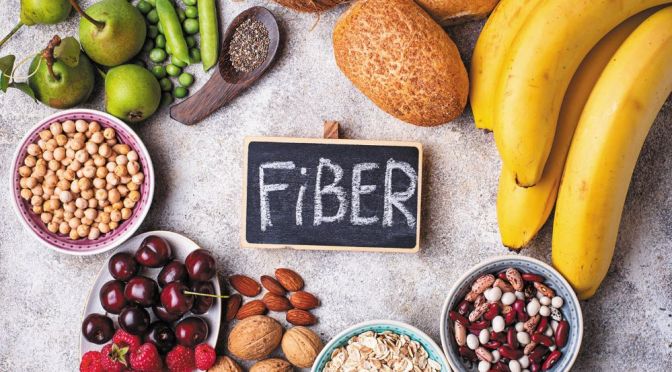
Fiber is known for keeping your digestive system healthy and lowering cholesterol levels. Now, study findings suggest it also may protect the brain from dementia.

The study involved approximately 3,700 healthy adults, ages 40 to 64, who completed routine dietary surveys for 16 years. Researchers then monitored the participants for two decades to see which ones developed dementia. The study revealed that people who consumed the most daily fiber had the lowest rates of dementia. The reverse also was true — those who ate the least fiber had the highest rates. Specifically, the low-risk group consumed an average of 20 grams daily, while those with the highest risk averaged only 8 grams. (The USDA recommends that men over age 50 eat 30 grams of fiber daily.)

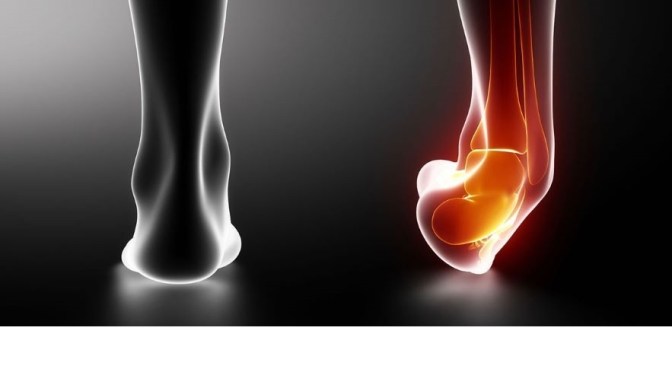
Health: How To Recover From An Ankle Sprain

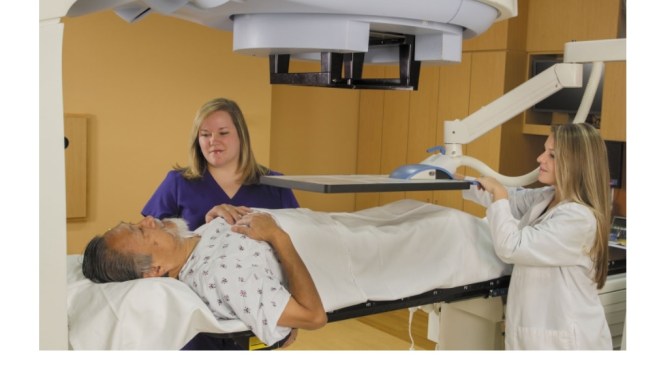
Prostate Cancer: Benefits Of Radiation Treatment

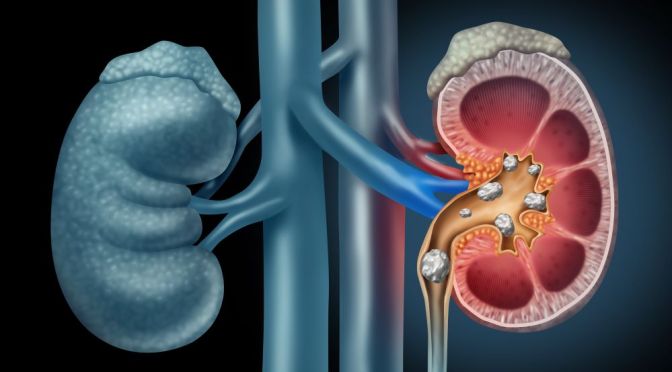
Chronic Conditions: How To Prevent Kidney Stones