


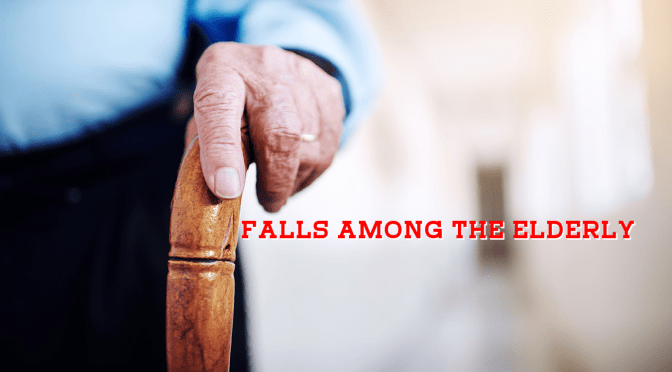
Falling down is common on both ends of the Human lifespan. Little kids are always falling down, but there isn’t much energy to dissipate, since their mass is small and they don’t have far to fall. Moreover, their bones are pliable.
The Elderly also fall, increasingly, as they age. They have a lot further to fall, and their bones are often brittle and osteoporotic. Injury is quite common, they often break a hip, and may slide into a peogressive deterioration leading to their demise..
Ordinary walking, a “normal gait”, is a very complex activity and requires a lot of information and coordination by the nervous system.

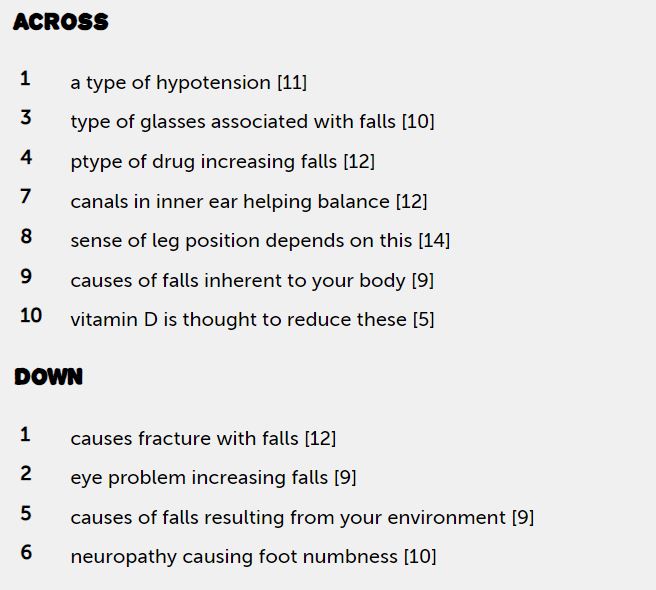
VISION is critical, as you are often navigating through a minefield of stairs, rug edges, slippery objects, lamp cords, tubes and pets. Cataracts may be a problem to be corrected. Multifocal glasses can be a factor.
HEARING can warn of certain hazards or warnings and is important. A FINE SENSE OF TOUCH is required to give you cues as you are walking. Peripheral neuropathy can make walking difficult.
PROPRIOCEPTION, the positional sense of where your extremities are located in space, is a sense we take for granted, but which may deteriorate in time. Proprioception is very important for a normal Gait. The inner ear, with it’s semicircular canals and vestibular apparatus is necessary for proper BALANCE.
Balance can be PRACTICED in a number of ways, like standing on one leg, or merely WALKING a lot. These MULTIPLE SENSES must be COORDINATED by the Thalamus, Corpus Striatum, medulla, Cerebellum, and Cerebral Cortex and instructions sent to the muscles of your Legs, Arms, back and abdomen.
It is mandatory to keep these muscles, your Heart and your body, STRONG and FIT. Factors that make you more likely to have a fall are mostly the reverse of the above, and are called RISK FACTORS.

PREVENTION of falls is of course better than treatment of the resulting INJURY. Working on your HEALTH will help the INTRINSIC causes of falls, and that is what we have been discussing.
Preventing the EXTRINSIC causes of falls means working on: –Improving the household safety by putting in railings, getting rid of throw rugs, clutter, and maybe pets( a good friend went into a downward spiral after tripping over his Dog.
Adjusting or eliminating psychoactive drugs and antihypertensive drugs (which often include the beta blockers which worsen orthostatic hypotension.
Interestingly, VITAMIN D supplements were mentioned in 2 references I saw. Apparently Vitamin D reduces falls by increasing MUSCLE STRENGTH.
Please refer to the following Canadian article for a more complete discussion.
Dizziness, Fainting, Falls, Orthostatic Hypotension, Heart rate and rhythm, Cardiac output and Perfusion, The Autonomic Nervous system,
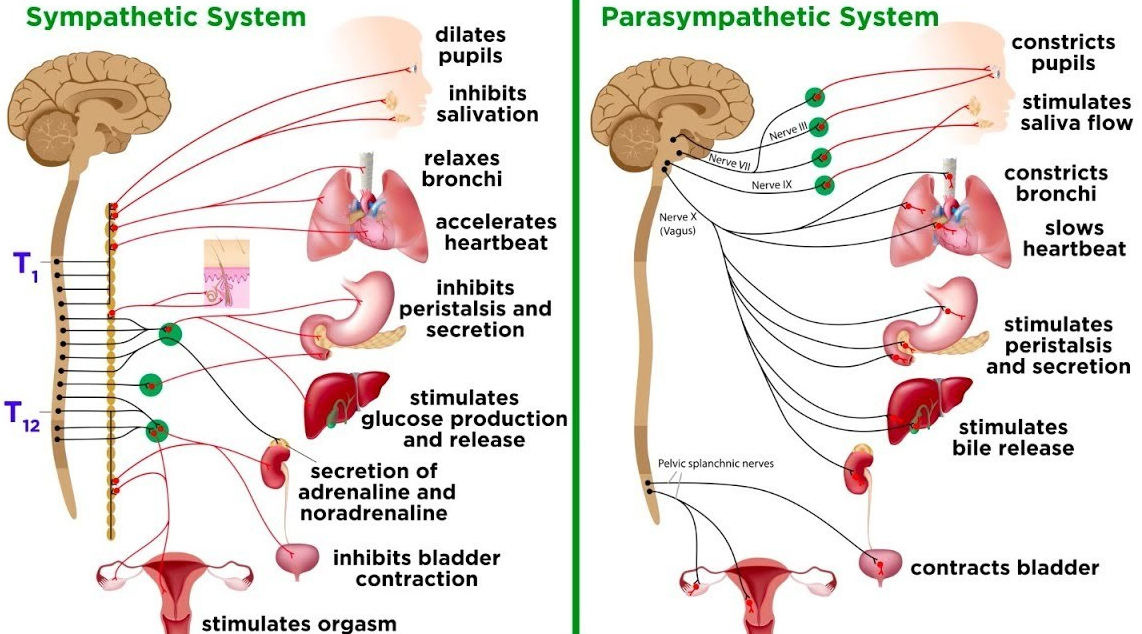
Falls and Injury are all very interconnected. They all tend to accumulate as we age, but the young are not immune to these conditions. In all of these discussions,
I make the ASUMPTION that you have these conditions in an undramatic, infrequent, moderate way, and are not burdened by Risk factors such as diabetes and hypertension. Stroke is always a worry lingering in the background, and will be discussed at the end of the series.
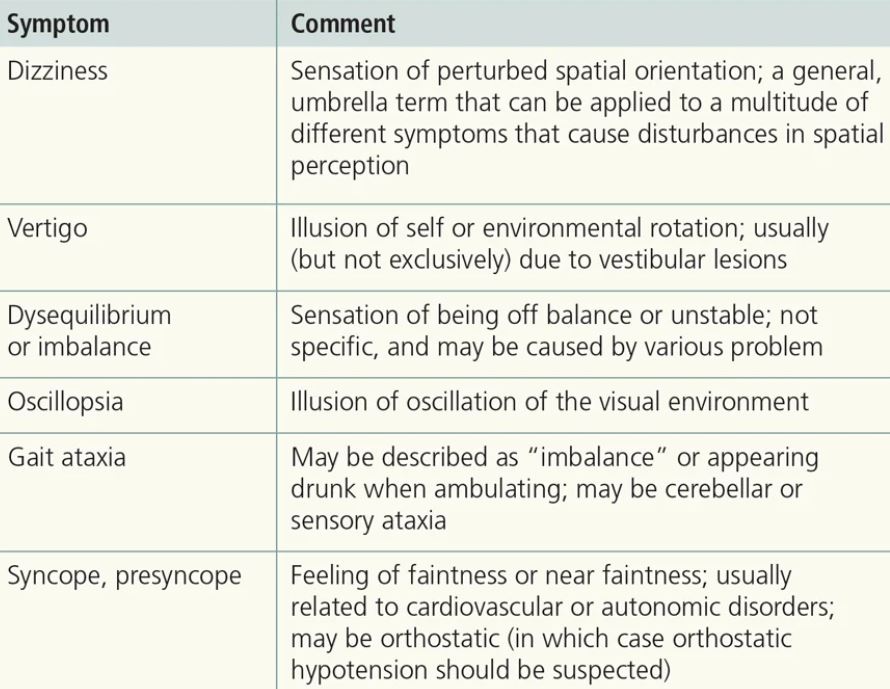
I will begin with DIZZINESS AND FAINTING. The amazing thing is that we are able to walk upright all day without falling. We can surprisingly lie on our backs, suddenly get up and run away seamlessly, or at least we were able to do these things, most of the time. Our bodies almost magically supply our brains and balance mechanisms with the right amount of blood and nourishment ALMOST all of the time.
Everybody gets dizzy if they spin around enough, and even young people can faint if they stand long enough in one place. Dizziness and fainting is usually considered normal if there is a good explanation. It is when they are too sudden, too severe, last too long, or happen too frequently that we seek medical Help.
Dizziness can mean “lightheadedness” without the room spinning. This is often more concerning than Vertigo, since it more often is due to a lessening of blood flow to the brain. When we get up suddenly from a sitting or lying position, the blood may pool in our abdomen and legs, with consequent insufficient pumping of blood to the brain.
This happens at 1G to civilians, but it takes about 5Gs for young jet pilots to need their “blackout” suits. Instead of blackout suits, we can use support-hose, or even a constricting pants-suit which includes our lower abdomen.
I have also been using a buzzer-timer which reminds me to walk every 10 minutes, to keep me from staying in my comfortable lazy-boy too long. I try to walk rapidly and breathe deeply, and believe this helps keep my body “toned up” and responsive for when I stand up rapidly.
The other way to adapt would be to “baby” my body, and stand up more slowly. There are always the opposite ways to respond: go easy, or push the body and expect it to adapt. If you are worried, your Family Doctor can help you and suggest a path forward .
Perhaps you are overmedicated, need medication, or some tests would help clarify the situation. Vertigo is where the room seems to be spinning. You might be able to tell whether it is spinning clockwise or counterclockwise.
The most common cause is BPPV, or benign periodic positional vertigo, and you can wait it out. Look it up on the internet for parameters. Persistent Vertigo can also be due to inner ear (labyrinth) problems. which an ENT Doctor can address.
For more details, I have included a couple of good articles. A discussion of Falls is next in this series.
Reference #2
 Doctors Without Waiting Rooms