Tag Archives: Creatinine

Tests: The Comprehensive Metabolic Panel Report

This is a big one, and produces a lot of information.
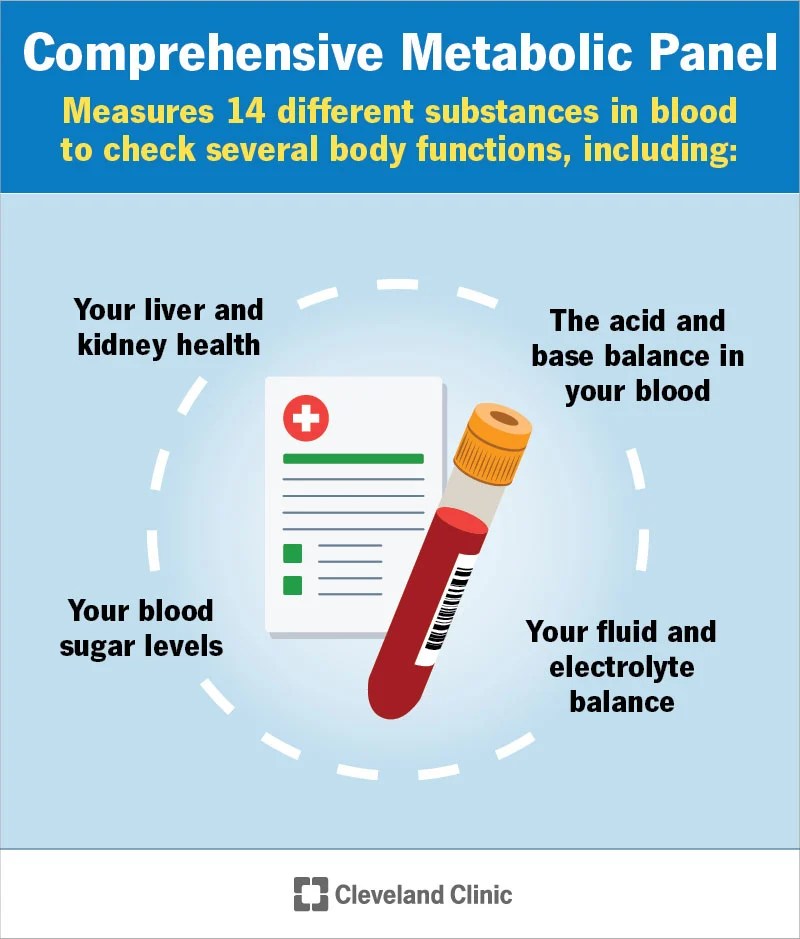
Your metabolism is the workhorse of your body, and this panel measures certain critical chemicals and waste products that make metabolism and life possible.

Sodium -The main element in the fluid outside your cells. It draws water into vessels, supporting blood pressure. Drinking water is critical to life, and a recent study used the serum sodium as a proxy to indicate whether you are drinking an adequate  amount. If the level is below 142 mmol/dl,  you are adequately  hydrated and your life expectancy is higher.

Potassium – The main element in cells. There is a pump in the membrane of the cell that pumps potassium into the cell, and sodium out, to maintain a critical electrical charge across the cell membrane. Even small deviations in serum potassium can be worrisome.

Chloride – The anion that Electrically balances sodium and potassium. Can be important in acidosis.

Glucose – The major Energy source of the body. Too little, and you pass out. Too much is a long-term stress on the body, as in diabetes.

Carbon dioxide – As bicarbonate, important in adjusting the acidity of fluids outside the cell.

Anion gap – an important check for doctors.

BUN – A Measure of excess protein in the diet, and can be very elevated in kidney disease. I usually have an elevated BUN, because I eat a lot of protein due to  my age. My creatinine is always normal.

Calcium – important for bones, and many other processes, including cellular signaling.

Albumin – An important blood protein that supports blood pressure.

Creatinine – A waste product that is used as a measure of kidney function.

AST (SGOT) – A liver enzyme used to measure inflammation of the liver.

ALT (SGPT) – A counter check to the AST.

Estimated GFR – Based on creatinine, it is a measure of kidney function.

Total protein – Includes albumin + the amount of globulin. The latter includes proteins involved in immunity, measured by subtracting the albumin from the total protein.

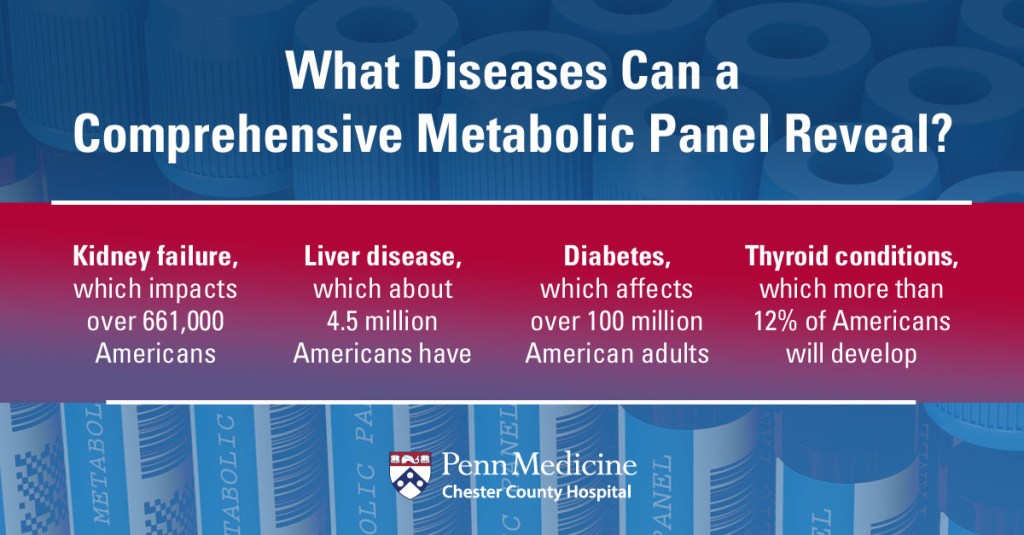
The metabolic panel is used to give clues to a whole host of diseases such as diabetes, liver disease, Kidney disease, immune deficiencies, endocrine diseases, vitamin and mineral deficiencies, and the like. It is so useful that Medicare pays for it, usually.

—Dr. C.
Blood Tests: What Is A ‘Basic Metabolic Panel’?

1. Glucose

Glucose is the type of sugar that your body uses for energy. 

What’s normal: 70 to 99 mg/dL (after 8 to 12 hours of not eating).

  •  What’s normal: 70 to 99 mg/dL (after 8 to 12 hours of not eating).
  •  What abnormal results can mean: If there’s too much, then it can mean diabetes or prediabetes. If there’s too little, it could mean hypoglycemia.

2. Calcium

Calcium is needed for many body functions, including building bones, heart function, muscle contraction and nerve signaling. 

  • What’s normal: 8.5 to 10.2 mg/dL.
  • What abnormal results can mean: Kidney/liver problems, bone disease, thyroid disease, cancer and malnutrition

3. Electrolytes

Electrolytes are minerals that maintain fluid levels and chemical balance in your body. 

  • What’s normal: Bicarbonate (total) 18 to 30 mEq/L; Chloride: 98 to 106 mEq/L; Magnesium: 1.8 to 3.6 mg/dL or 1.5 to 3.0 mEq/L; Phosphorus: 3 to 4.5 mg/dL or 1.8 to 2.3 mEq/L; Potassium: 3.5 to 5.5 mEq/L; Sodium: 135 to 147 mEq/L.
  • What abnormal results can mean: Dehydration, kidney disease, liver disease, heart failure and high blood pressure.

4. Blood urea nitrogen (BUN)

Blood urea nitrogen (BUN) is a waste product that kidneys filter out of your body.

  • What’s normal: 6 to 20 mg/dL.
  • What abnormal results can mean: If there’s too much, then it can mean kidney disease, heart failure or dehydration. If there’s too little, it could mean liver failure or malnutrition.

5. Creatinine

Creatinine is a waste product that kidneys filter out of your body.

  • What’s normal: For men, 0.7 to 1.3 mg/dL. For women, 0.6 to 1.1 mg/dL.
  • What abnormal results can mean:  If there’s too much, then it can mean kidney disease, muscle breakdown or dehydration. If there’s too little, it could mean malnutrition or low muscle mass.

“Metabolism involves any way your body converts or uses energy,” says Dr. Allan. “That includes digestion, breathing, circulation, and functioning of your organs, muscles and nervous system.”

BLOOD TESTS: THE BENEFITS THAT “COMPREHENSIVE METABOLIC PANELS” REVEAL

One of my nurses who was usually in good health developed chronic complaints. She felt tired all the time and had a variety of aches and pains. She has been going through menopause for a long time but this set of problems seem different. Then she broke her arm after sustaining a minor fall. An investigation was in order. I should order some tests, but which ones?

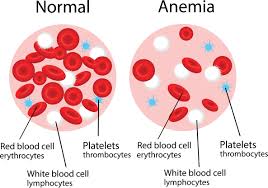
Anemia would explain the fatigue so a CBC was a no brainer. With the surprise fracture, I wanted to cast the net wider, so I ordered a comprehensive metabolic panel.

This is an automated test that was a good value for the amount of information provided, I thought.

Nobody was more surprised than I when the test provided results that were the key to her very rare diagnosis. Her serum CALCIUM was very high, and her alkaline phosphatase was also elevated.

Further evaluation showed her diagnosis to be PRIMARY HYPERPARATHYROIDISM.

Removal of her abnormal parathyroid gland was curative. I have been a big fan of the Comprehensive Metabolic  Panel ever since.

The Panel of 14 tests includes:

  • Glucose – an essential test to check in Diabetes, Seizures and Coma.
  • Sodium, Potassium, Chloride, and CO2 and the associated Anion Gap – can be abnormal in a variety of accidents, and other conditions.
  • BUN and Creatinine – cleared by the kidneys, and become elevated in Renal, or Kidney conditions.
  • Calcium and alkaline phosphatase – reflect bone metabolism, and are sensitive to Vitamin D and parathyroid hormone, as in my nurses case.
  • Albumin and Globulin – important blood proteins. Globulins contain the   important immunoglobulins. A variety of conditions will influence their values.
  • AST (SGOT) and ALT – elevated in liver disease

Type in “Comprehensive Metabolic Panel” in google, and choose from the variety of “hits” to get more information about this “ Sherlock Holmes’ Magnifying Glass” for Physicians.

Medicine would be hard pressed to do without it!

Dr. C.