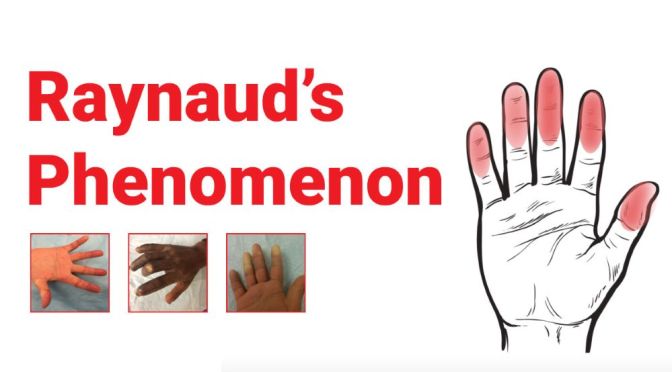
Some people have poor circulation, but if your fingers pale and go numb when exposed to quick changes in temperature, it could be Raynaud’s phenomenon, a different kind of circulation problem: https://t.co/ufczkuhgjG#HarvardHealthpic.twitter.com/UItuRvlFHm
When you’re exposed to a cold environment, your body reacts by trying to preserve your core temperature. Blood vessels near the surface of your skin constrict, redirecting blood flow deeper into the body. If you have Raynaud’s phenomenon, this process is more extreme, and even slight changes in air temperature can trigger an episode, says rheumatologist Dr. Robert H. Shmerling, senior faculty editor at Harvard Health Publishing and corresponding faculty in medicine at Harvard Medical School.
“Cold weather is the classic trigger for Raynaud’s phenomenon. But it can occur any time of year — for example, when you come out of a heated pool, walk into an air-conditioned building, or reach into the freezer section at the supermarket,” he says. In addition to the hands, Raynaud’s can also affect the feet and, less often, the nose, lips, and ears. During an episode, the small arteries supplying the fingers and toes contract spasmodically, hampering the flow of oxygen-rich blood to the skin. Some of these vessels even temporarily collapse, and the skin becomes pale and cool, sometimes blanching to a stark white color.
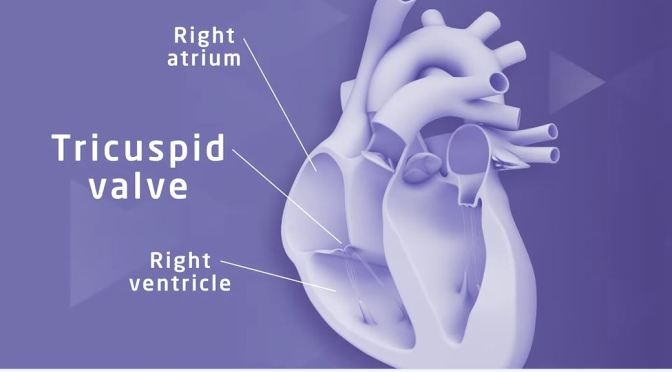
The tricuspid valve helps regulate blood flow in the heart. But when it isn’t working properly, a condition known as tricuspid regurgitation can occur. In this video, cardiac surgeon S. Christopher Malaisrie, MD and interventional cardiologist Charles J. Davidson, MD explain how tricuspid regurgitation is being treated in innovative new ways at Northwestern Medicine. For more information, visit http://heart.nm.org
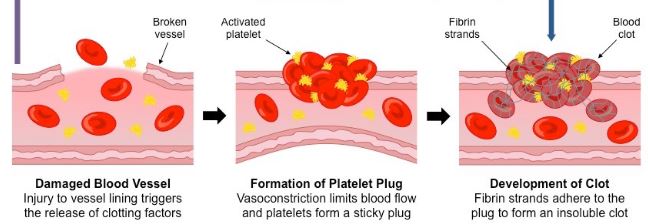
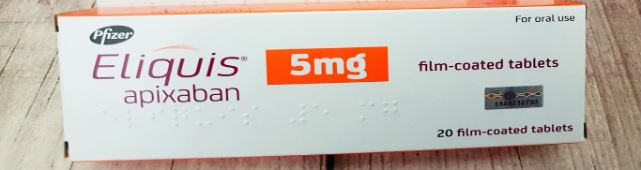
Eliquis nicely illustrates my contention in the Overview of Metabolism, that the body is a vast collection of pathways, or “supply chains”. Eliquis blocks a critical enzyme in the pathway leading to coagulation, or clotting” as the product.
Why in the world you want to block clotting? The staunching of blood flow, clotting, has saved countless hordes of early, Paleolithic humans, and continued useful through the bloody Roman and Medieval times, right through the violent 20th Century.
Recently, however, wars are becoming somewhat less popular, and eating excessively more popular, leading to a strange situation. Our evolutionarily-preserved CLOTTING mechanism is now leading to MORE problems than it is solving.
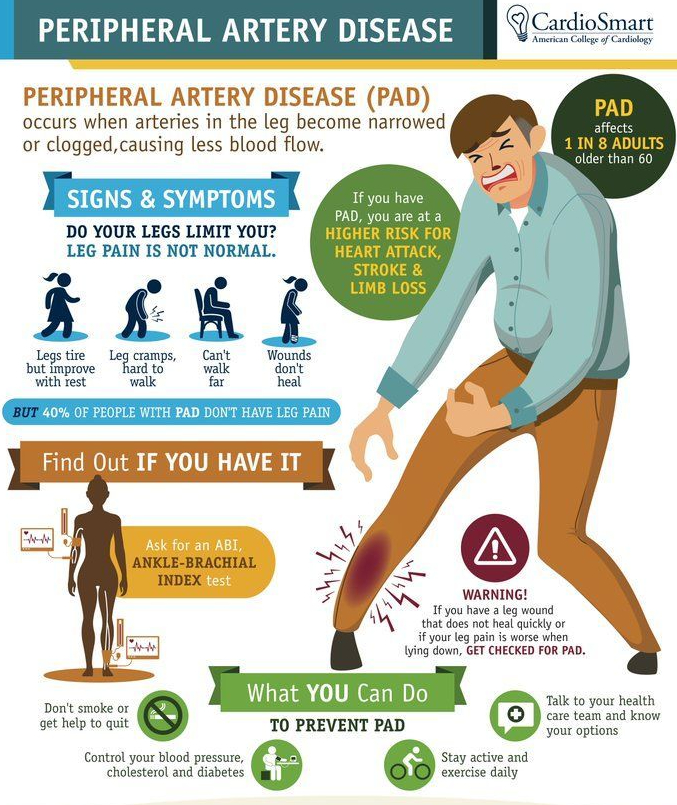
Obesity and type 2 Diabetes are leading to the production of so much fat, that it has to be stored in our arterial walls, clogging the blood flow to our Hearts and Brain, among other areas. This, and the somewhat surprising trend towards longer lives has led to an increase in a variety of age-related illnesses.
When I reached 80 years of age I developed Atrial Fibrillation, a condition leading to a tendency to form clots in my quivering atria, the upper chambers of my heart. To decrease the likelihood of clots getting into my blood stream, lodging in my brain and causing STROKE, my cardiologist started me on Eliquis, an anti-coagulant/blood thinner.
Drugs have three names. The proprietary name, Eliquis in this case, is given by the patenting company to be memorable; q,z,and x are popular letters. The second is the FDA drug name, Apixaban. The drug name often gives the doctor a clue as to its type: xaban refers to inhibiting (banning) of factor 10a (Xa). The third name is a chemical name of interest to biochemists and drug researchers.
When I started the Eliquis, at first unknown to me, I started to bleed internally, leading to a drop in my hemoglobin down to 8.6. I will go into this story when I start going through “how to read your laboratory report”.
I found that reducing my Eliquis from 5mg. to 3.75 mg. allowed me stabilize my hemoglobin by taking extra iron, which I will discuss later.
The doseage selected when the drug company markets a drug is fairly arbitrary, and usually involves round numbers. Interestingly, there is a 2.5mg. Eliquis, which is given if you meet 2 out of 3 criteria. I meet only one and am only 5 pounds shy of the second, in case you think (like my cardiologist does) that I’m taking a risk.
I believe that, whenever you are given a medication, you should be educated about the medicine, and the problem it is intended to benefit. Today’s physician often does not have the time to do this. The internet, including this website, offers a corrective.
I am trying my best to be helpful to you as a Patient Advocate. You and I both must have a doctor to rely upon. But to get the most out of our care, WE MUST BE INFORMED.
–Dr. C
Empowering Patients Through Education And Telemedicine



 Doctors Without Waiting Rooms