
DR. C REVIEWS MAJOR HEALTH AND TELEMEDICAL NEWS FOR THE WEEK ENDING NOVEMBER 22, 2020.
THE DOCTORS 101 CHRONIC SYMPTOMS AND CONDITIONS #26: HYPERTENSION
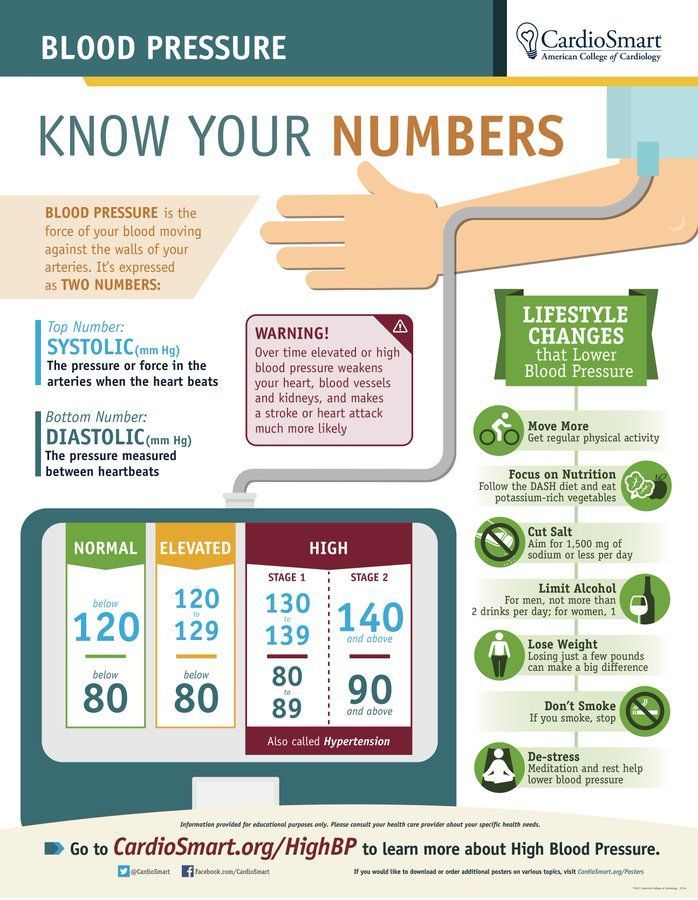
Hypertension places an extra load on the blood vessels and heart, and eventually causes them to become diseased. High Blood Pressure is therefore bad for the entire body, which depends on the blood vessels for delivering the nutrients and oxygen necessary for life.
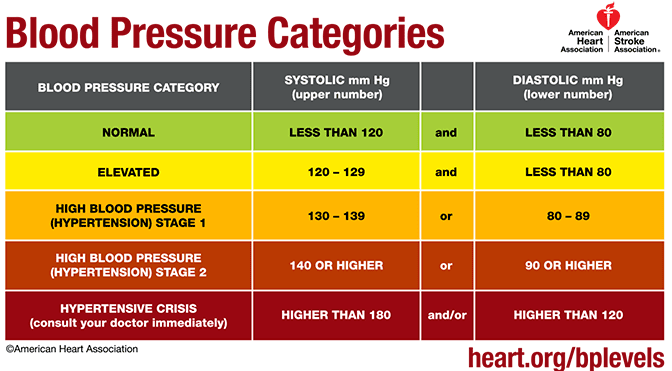
Most hypertension happens from subtle changes in the body’s signalling systems, and often runs in families; This is called “essential hypertension”. Additionally, there are a number of diseases and conditions of which hypertension is a symptom. It is important to know if you have hypertension, and fortunately it is easy to discover.
A visit to the doctor, or even to the pharmacy will make a reading available, and if you are concerned, an automatic cuff is available for $20. A healthy lifestyle and weight Will help prevent and treat hypertension, as in so many other chronic conditions.
A variety of medications are available to treat hypertension, but ANY MEDICATION CAN PRODUCE SIDE EFFECTS. It is rare for an effective medication to produce only a single, desired effect on the body. I have never known a person who at some time did not experience some side effect from antihypertensive medications.
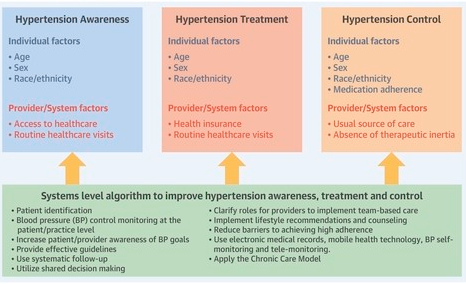
Be sure to maintain contact with your Doctor. The dose may be too high, causing episodes of LOW blood pressure with fainting. When I was in practice, any number of patients came to me with a chronic cough, which I “cured” by having their doctor replace their ACE Inhibitor with another medication.
Please read the accompanying Mayo Clinic article for a complete discussion of this important condition.
–Dr. C.
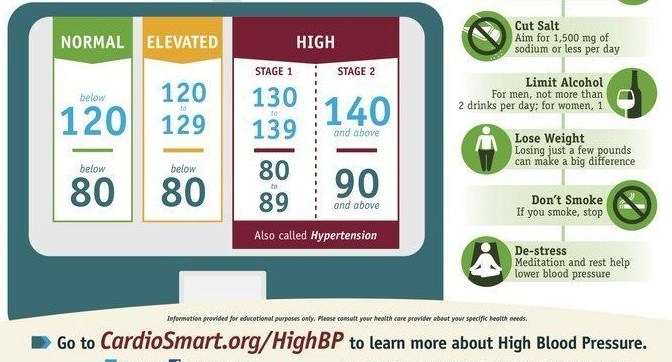
HEALTH: ‘BLOOD PRESSURE – KNOW YOUR NUMBERS’
THE DOCTORS 101 CHRONIC SYMPTOMS AND CONDITIONS #25: KIDNEY STONES
Kidney stones are more common than you think, and over the span of life, afflict 1 out of 10 people, more commonly men. The pain is sharp, spasmodic and severe; it is described as being worse than the pain of childbirth. The pain is breathtaking, and if you have “renal colic”, your
world is truly “ in a grain of sand”.
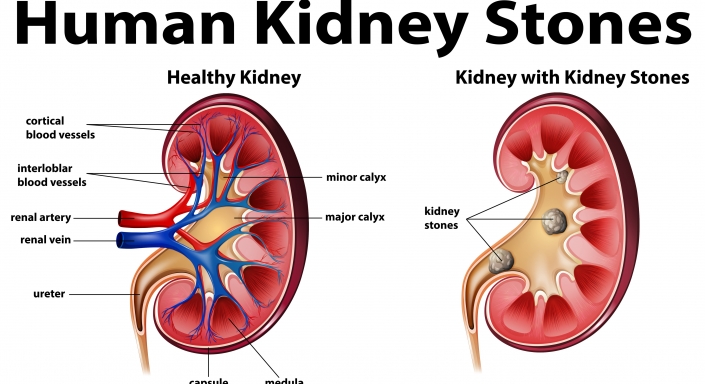
This sand, this tiny rock, forms when certain elements and compounds become too concentrated in the urine as it is formed in your kidneys, and “drop out of solution”, or precipitates. This little pebble, which I’m sure feels like a rock, then begins its long, painful journey down the drainage system of the kidneys, and eventually passes, you hope, out with the
urine.
Be sure to save it for analysis if it does. Sometimes it is arrested, causes the urine to “back up”, and you need assistance to get it out. Half of the kidney stone attacks recur, and you will get other attacks.
This is particularly the case if your first attack comes when you are young, or there is a history of kidney stones which runs in your family. It is important for a doctor, such as an internist, to review your case, particularly if you are young.
Your family history, lifestyle including diet, medications, and other problems may give clues which will allow other attacks to be avoided. Sometimes there are serious underlying conditions that should be addressed. Half of people who have kidney stones have a genetic cause, but even here there are lifestyle changes which will help..
Drinking plenty of liquid helps, unless you have kidney failure. Read the Mayo Clinic article referenced below for details. They are interested enough in kidney stones to have consulted a Geologist, the ultimate student of Rocks.
–Dr. C.
COVID-19 PODCAST: DEATH RATES ARE FALLING – WHAT THIS MEANS FOR PANDEMIC
The COVID-19 mortality rate is falling around the world. We discuss the reasons behind this – the role of new drugs, the treatment strategies the have been learned, or re-learned, and the ever-present worry that these hard won victories could be undone by rising infection rates.
In this episode:
00:44 An increase in survival rates
The COVID-19 mortality rate is falling around the world. We discuss the reasons behind this – the role of new drugs, the treatment strategies the have been learned, or re-learned, and the ever-present worry that these hard won victories could be undone by rising infection rates.
News Feature: Why do COVID death rates seem to be falling?
10:53 More vaccine good news
This week, Moderna released preliminary results for its COVID-19 vaccine candidate, the third positive indication from a string of vaccine announcements. Although the full data are yet to be published, do these results give us more reasons to feel hopeful?
News: COVID vaccine excitement builds as Moderna reports third positive result
THE DOCTORS 101 CHRONIC SYMPTOMS AND CONDITIONS #24: CONSTIPATION
One of my previous posts, “bad breath”, was so well received that I am emboldened to deal briefly with another important, if politically incorrect, topic; Constipation.
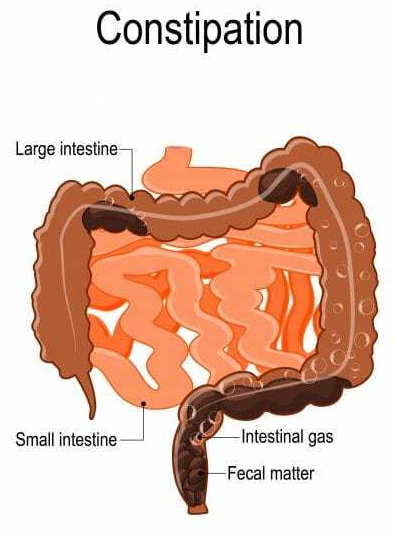
I have anemia, and take regular IRON, which produces constipation. A high fiber diet solved it. My bones have also been thinning over the years into Osteopenia, a deficiency of Calcium. I Increased my calcium intake with some CALCIUM citrate powder, and developed one of the worst episodes of Constipation I have ever had, in spite of my high fiber diet.
Stopping the Calcium leaves me with the osteopenia worry, but was a great relief. Many other medications can cause constipation. Ask your Pharmacist for a list.` Hypothyroidism, and a variety of autoimmune, intestinal and neurological conditions have constipation as a symptom.
As I struggled with something that should be automatic, I worried about possibly pushing out a hernia, ballooning out one of my colonic diverticula, or developing hemorrhoids. These are all complications of constipation, not to mention the big waste of time. Regularity is much to be desired.
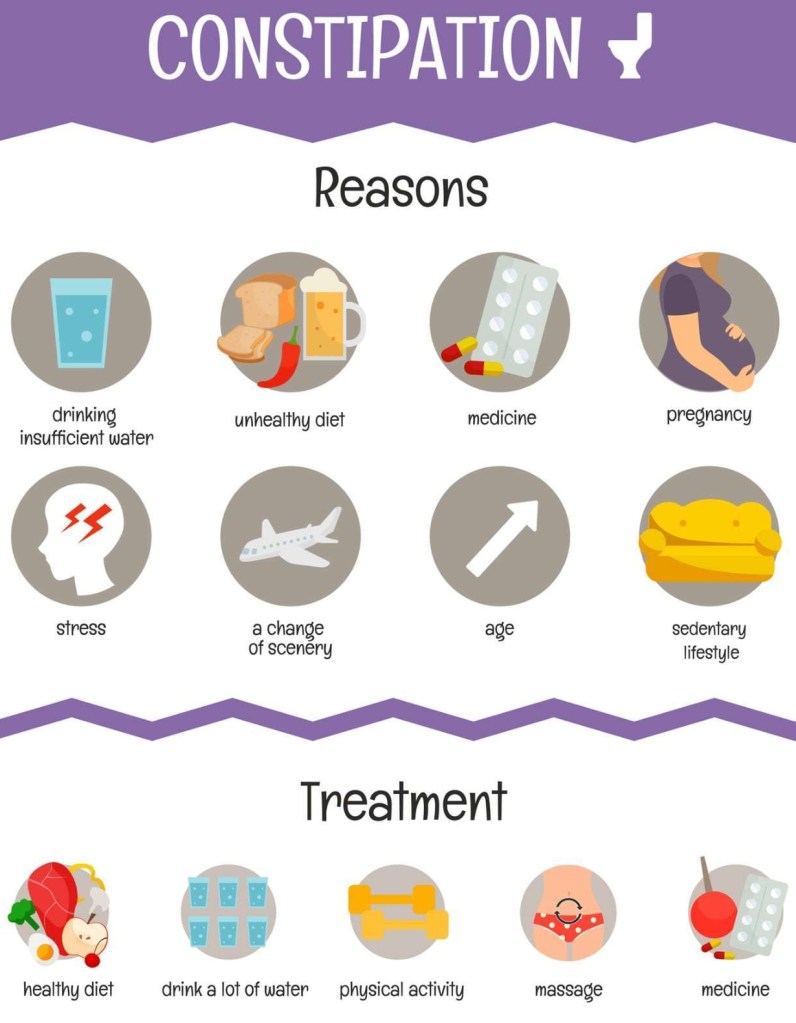
If you have regular SLEEP and EXERCISE a low Calorie density, high fiber diet, and are not taking a lot of drugs and supplements, you most likely don’t have constipation. If you have constipation, you might consider examining your sleep, diet, exercise and medications. If you don’t want to change your habits and medication, try METAMUCIL and drink lots of WATER.
–Dr. C.
THE TWO SIDES OF STRESS
Stress in modern times most often has a BAD connotation. Stress is blamed for a raft of disorders from headaches to cardiovascular disease. Indeed, stress activates the adrenocortical “alarm reaction”, and if unremitting can indeed implement many chronic problems.
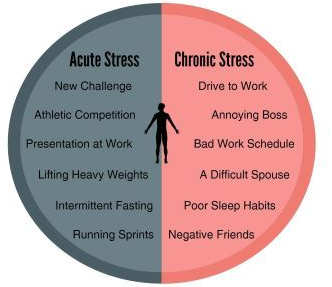
ACUTE stress, however, is often beneficial. The body responds favorably to measured amounts of brief stress, especially if it is YOUR CHOICE, and not demanded of you. It is WORK, when you would rather be doing something else. It is FUN when you are hiking up a steep but beautiful trail in the Swiss Alps. The flavor of reality takes place in the mind.
HEAT SHOCK PROTEINS (HSP) illustrates how your body works. If you get a little overheated, HSPs are produced and benefit any misfolded proteins that result. If you go hungry, a metabolic pathway burns fat and increases insulin sensitivity. If you exercise your mind, BDNF and new neurons result.
THE BODY ADJUSTS TO THE DEMANDS, and benefits flow. The body is designed to function. The trouble is that placing demands on the body is effortful, and effort requires discipline. The Paleolithic Hunter-gatherer lifestyle, the reality to which our metabolism is attuned, REQUIRED plenty of aerobic exercise, just to get food and avoid harm.
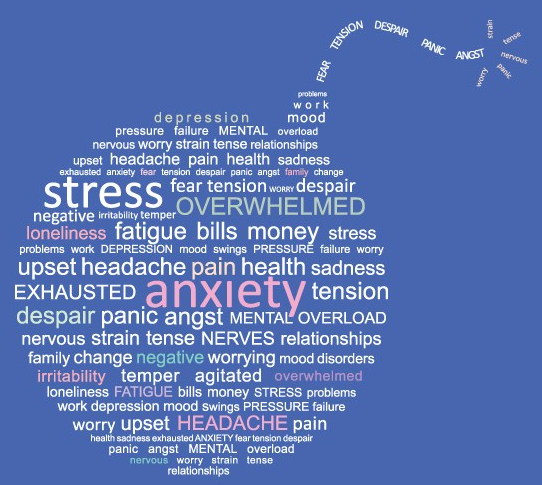
Our modern life is replete with deadlines and requirements, and hearts beat rapidly from ANXIETY rather than aerobic demand. Even the trades, which used to require physical energy expenditure have a lot of labor-saving devices. Children, insead of running, ride around on electrically propelled scooters. Little wonder that people are “out of shape” and gaining weight.
–Dr. C
DR. C’S PODCAST: WEEKLY MEDICAL NEWS (NOV 16)
DR. C REVIEWS MAJOR HEALTH AND TELEMEDICAL NEWS FOR THE WEEK ENDING NOVEMBER 15, 2020.
THE DOCTORS 101 CHRONIC SYMPTOMS And CONDITIONS #23: OLD AGE / GROWING OLD
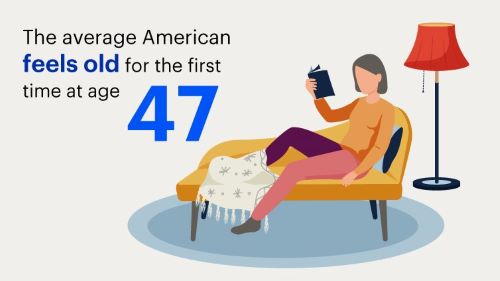
Old age is an inevitable condition if you are lucky enough to live a long life. Middle aged people say it begins at 70 years of age. According to an Elysium survey of people 40 and older, the average American FEELS old for the first time at age 47 years.
In the distant past, 50 was CONSIDERED to be old. The generally better conditions and Medicine of modern times keeps extending LIFESPAN, if not always HEALTHSPAN. Old age is certainly a Condition, and it is for sure Chronic, thereby qualifying for inclusion, but is it a Disease?
It is not considered a disease by the authorities, and so it doesn’t gather research funds like it should. What exactly IS old age? Being 88 Years old, and a physician, I feel qualified to comment. Old age is a collection of past accidents and sports injuries plus complications of past illnesses engrafted on a gradually deteriorating body.
Where does Obesity and Metabolic syndrome fit in this rubric? The Plague of our time fits in the disease category. It is definitely preventable, although with difficulty. Please search past postings for more information on this topic.
In what way does the body gradually deteriorate? Any organized, non-random high information structure gradually becomes more disordered, and “worn away” with the passage of TIME, the destroyer. Entropy (disorder) gradually increases, in the absence of corrective energy input.
Even rocks and mountains eventually erode, given enough time. One of the most interesting characteristics of life is that it maintains its integrity for an inordinate amount of time, given its complexity and furious dynamism.
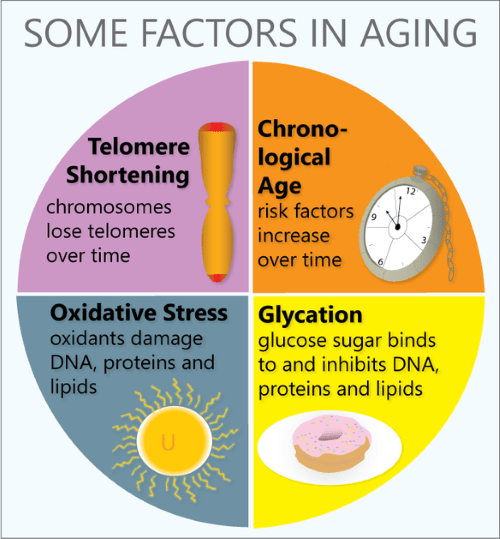
Every day our DNA sustains thousands of molecular ruptures from high energy radiation and other stressors. Proofreading and repair mechanisms are employed, at high energy cost, to repair these breaks. This corrective is especially efficient when we are young and vigorous; In our youth, our reproductive years, growth and repair predominate. Gradually, growth ceases, repair mechanisms age, and we become old.
Our Darwinian “warranty” expires. We are left with an aging body, unimportant to evolution. We are long on experience and short on future. But we still have a marvelous metabolism at our disposal, depending on our lifestyle. There are a number of metabolic pathways which affect aging, 2 of which have been more studied.
The mTOR pathway is most attuned to youth, senses nutrients and gears up for ANABOLISM, or growth. If you have not been careful to tailor your food intake to suit your decreasing requirements, your efficient metabolism stores it away for a rainy day, around your belly and in your arteries, a bad effect from an essential mechanism. Antagonistic Pleiotropy is the name for a body mechanism that can be good for one function (or age) and bad for another.
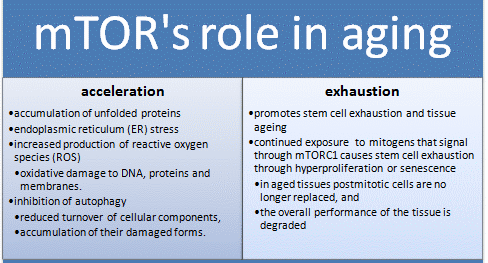
The Sirtuin system is also important in aging, and has a variety of housekeeping functions, including mitochondrial maintenance. It is activated by exercise. The cells of our bodies change with aging. In old tissues, there are less stem cells and other young, functional units. There are more damaged, dysfunctional “zombie” cells that don’t do much but promote inflammation, and hence more inflammatory cells accumulate.
Controlling the mTOR System and promoting the sirtuins help increase apoptosis and get rid of dysfunctional cells, including cancer. DOCTORS SHOULD PRESCRIBE EXERCISE, as well as SLEEP AND DIET, like they do medicine, and maybe we wouldn’t need so many pills. We might also feel better into old age.
–Dr. C.
Disease, Metabolic syndrome, Entropy, DNA, Metabolism, Apoptosis, Zombie cells

 Doctors Without Waiting Rooms