“Our study showed that the highest level of patient satisfaction within telemedicine visits was actually among patients within the 65 to 79-year-old age range—which has been an age group often seen as resistant to this mode of care,” says Bart Demaerschalk, M.D., a Mayo Clinic neurologist and senior author. “These findings show how important it is that health care organizations don’t exclusively target telemedicine to their younger, more tech-savvy patients.”
Mayo Clinic, November 3, 2022 – In one of the largest studies to date of its kind, Mayo Clinic researchers found patient satisfaction ratings to be equivalent for video telemedicine visits and in-person clinic visits. These findings highlight the potential for the use of telemedicine across a variety of patient populations.
The study, published in the Patient Experience Journal, evaluated patient satisfaction scores from over 300,000 patients treated either in-person or via video telemedicine during the COVID-19 pandemic.
While researchers found that patient satisfaction ratings were overall equivalent across the two modes of care, they did observe several interesting trends within certain age groups, genders, and races, which countered historical perceptions of telemedicine and represent opportunities for future study.
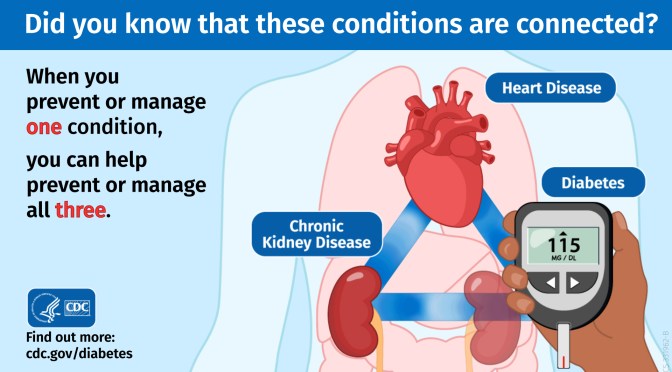
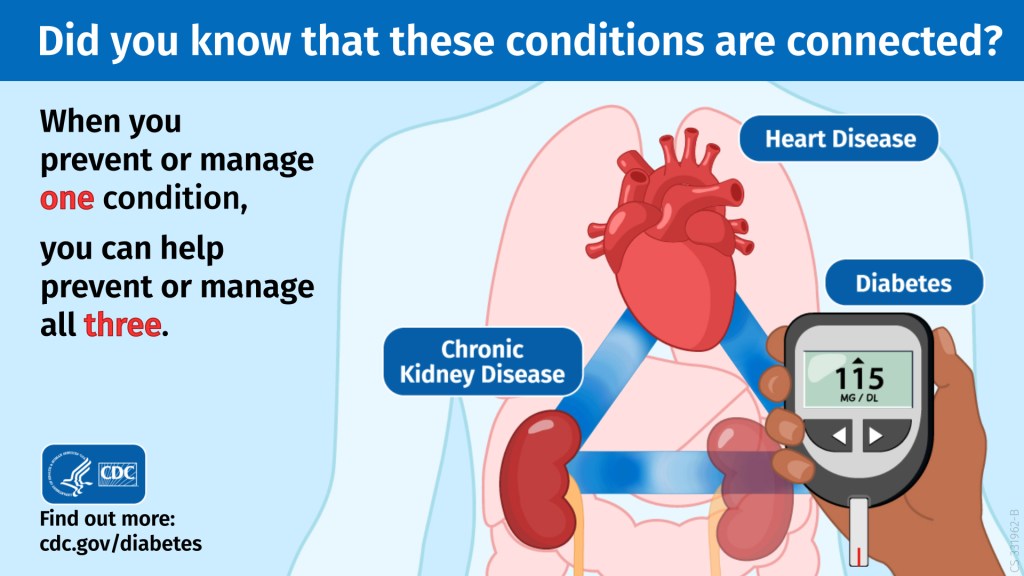
The body is complicated! While organs in your body each have a specific job to do to keep you healthy, they still rely on each other to function well. When one organ isn’t working the way it should, it can put stress on other organs, causing them to stop working properly as well.
The relationship between chronic kidney disease (CKD), diabetes, and heart disease is one example of the ways our organs are connected.
The body uses a hormone called insulin to get blood sugar into the body’s cells to be used as energy. If someone has diabetes, their pancreas either doesn’t make enough insulin or can’t use the insulin it makes as well as it should.
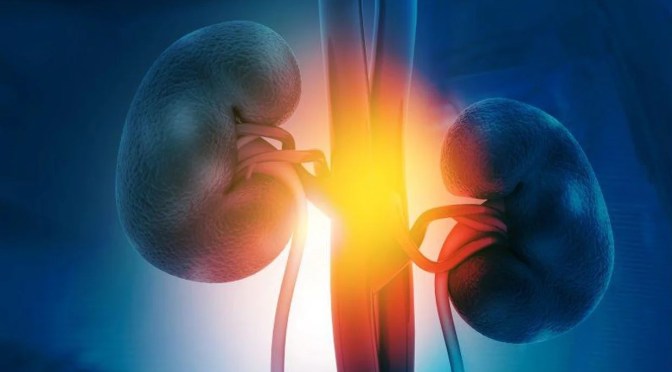
If someone has CKD, their kidneys are not able to filter out toxins and waste from their blood as well as they should.
Heart disease refers to several types of heart conditions. The most common condition, coronary artery disease, leads to changes in blood flow to the heart, which can cause a heart attack.
Make the Connection
So how are these three conditions connected? Risk factors for each condition are similar and include high blood sugar, high blood pressure, family history, obesity, unhealthy diet, and physical inactivity.
High blood sugar can slowly damage the kidneys, and, over time, they can stop filtering blood as well as they should, leading to CKD. Approximately 1 in 3 adults with diabetes has CKD.
When the kidneys don’t work well, more stress is put on the heart. When someone has CKD, their heart needs to pump harder to get blood to the kidneys. This can lead to heart disease, the leading cause of death in the United States. Change in blood pressure is also a CKD complication that can lead to heart disease.
Luckily, preventing or managing one condition can help you prevent and manage the others and lower the risk for more complications.
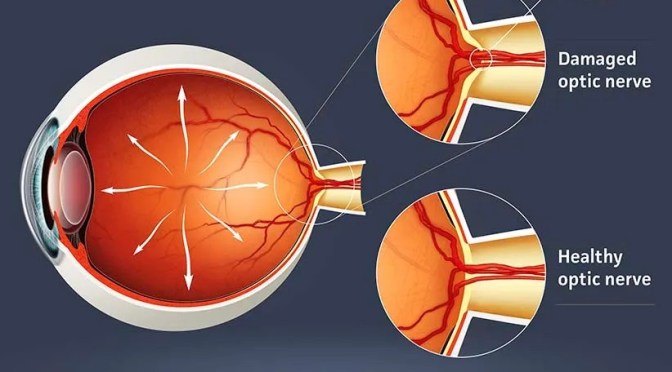
Often described as the silent thief of sight, glaucoma is the most common cause of irreversible blindness in the world. High pressure in the eye damages the optic nerve, first stealing peripheral vision (what you see at the corners of your eyes) and later harming central vision (what you see when looking straight ahead). Usually, people notice no symptoms until vision loss occurs.
Lowering high eye pressure is the only known treatment to prevent or interrupt glaucoma. But does everyone with higher-than-normal eye pressure need to be treated? A major long-term study provides some clues, though not yet a complete answer.
Does everyone with high eye pressure develop glaucoma?
In the US, glaucoma affects an estimated three million people, half of whom do not know that they have it. An ophthalmologist can perform a comprehensive eye exam to determine if someone has glaucoma, or is at risk for developing it in the future due to high eye pressure (ocular hypertension). Research from the long-running Ocular Hypertension Treatment Study (OHTS) shows that some people with high eye pressure may never develop glaucoma, while others will.
Consuming just a half-tablespoon or more of olive oil a day is linked to a lower risk of dying from heart disease and other chronic health conditions, new research suggests.
The study included more than 92,000 women and men from the Nurses’ Health Study and the Health Professionals Follow-up Study, who filled out diet questionnaires every four years for 28 years. Olive oil intake was calculated from how much they reported using in salad dressings, on bread and other food, and in baking or frying.
Compared with participants who rarely or never consumed olive oil, those who consumed the most (about a half-tablespoon or more daily) had a 19% lower risk of dying from heart disease during the study. Researchers also noted lower death rates over all among people who substituted olive oil for a similar amount of margarine, butter, mayonnaise, or dairy fat. The findings, published Jan.18, 2022, in the Journal of the American College of Cardiology, lend further support for choosing olive oil — a key component of the heart-friendly Mediterranean diet.
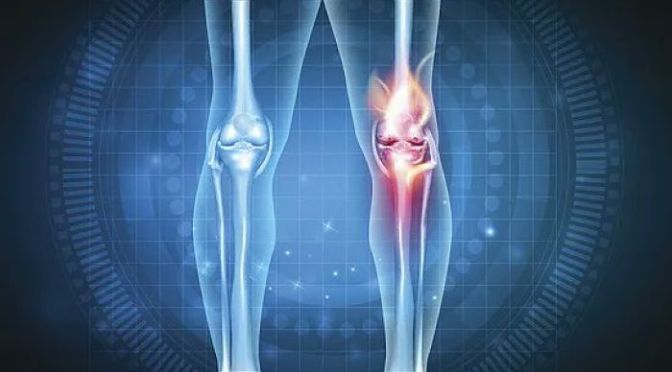
People with knee osteoarthritis may reduce their risk of knee pain by walking more, according to a study published online June 8, 2022, by Arthritis & Rheumatology.
Researchers looked at the walking habits of more than 1,200 people with knee osteoarthritis (average age 63, 45% men). They were asked how often they walked for exercise since age 50 and whether they had frequent knee pain. X-rays were done to assess structural knee damage.
The investigators first looked at participants who did not report regular knee pain. They found that among this group, those who walked for exercise were less likely to later develop knee pain (26%) at the follow-up eight years later compared with those who did not walk for exercise (37%).
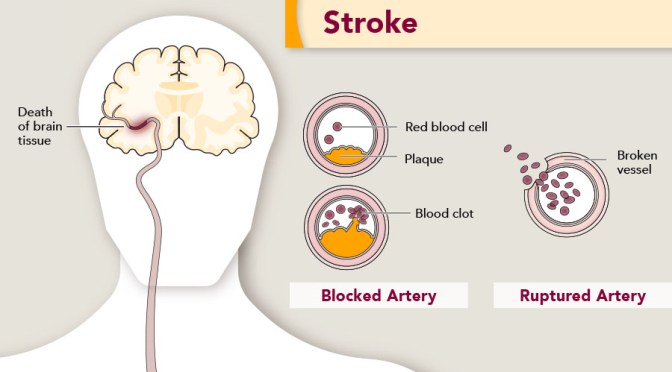
Sitting too much can boost #stroke risk. But adding more movement—even low-effort activity such as doing household chores—may help lower that risk. #HarvardHealthhttps://t.co/y8qviVinxG
The study involved 7,607 adults who wore a hip-mounted accelerometer (a device that records how fast you move) for a week. Their average age was 63. During a follow-up period averaging 7.4 years, 246 of the participants experienced a stroke.
People who sat for 13 or more hours per day during the initial week of motion tracking were 44% more likely to have a stroke compared with those who’d spent less than 11 hours per day sitting still. In addition, longer bouts of sitting (more than 17 minutes at a time) were linked to a higher risk than shorter bouts (less than eight minutes).
Researchers have identified universal features of the inflammatory responses of patients who successfully recovered after surgery or acute illnesses https://t.co/DwYOMYOcSV
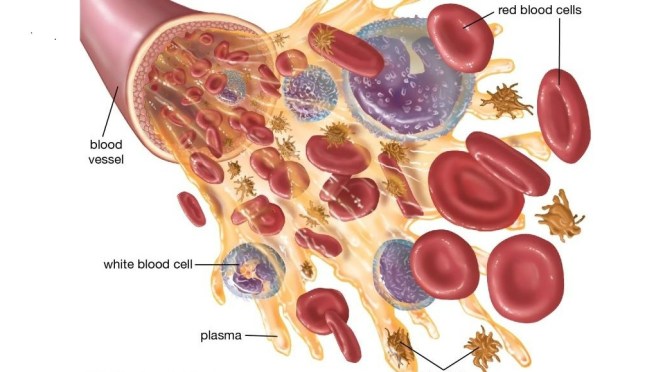
Inflammation is the body’s first line of defense, occurring as droves of immune cells rush to the site of injury or acute illness to make repairs and stem further damage.
When successful, inflammation helps the body survive and heal after trauma. However, when recovery following an inflammatory response goes awry, it signals that damage is still occurring — and the inflammation itself can cause further injury, leading to more-severe illness or even death.
But what differentiates a good inflammatory recovery from a bad one?
The scientists identified universal features of the inflammatory responses of patients who successfully recovered after surgery or acute illnesses such as COVID-19, heart attack, and sepsis. These features, they discovered, include precise paths that white blood cell and platelet counts follow as they return to normal.
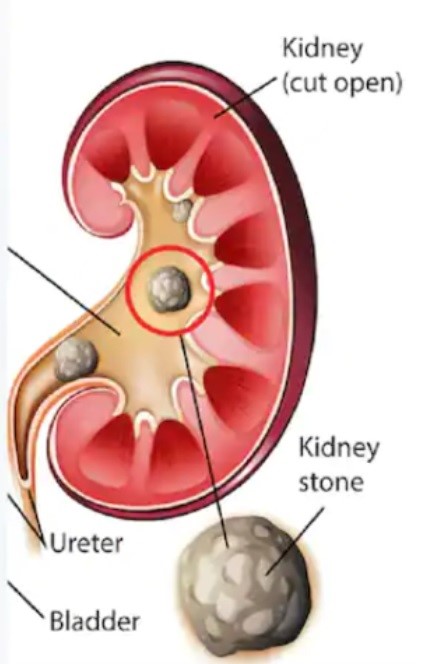
Anyone who has ever had a kidney stone never wants a repeat of the blinding pain that comes when it passes. Now, a new study maps out a diet that can help guard against that.
The cornerstones of that diet include eating plenty of foods that contain potassium, as well as a few servings of low-fat dairy daily, to get enough calcium. High-potassium fruits and veggies that could help include bananas, oranges, grapefruits, apricots, mushrooms, peas, cucumbers, zucchini, and melons such as cantaloupe and honeydew.
To arrive at those recommendations, researchers from the Mayo Clinic used data from questionnaires completed by kidney stone patients between 2009 and 2018. The team compared the diets of 411 people who had already had their first kidney stone and a control group of 384 individuals.
“We had this information and then we, number one, could look at things that … differed between controls and kidney stone formers, but then we’ve also been following these people forward in time,” said study author Dr. John Lieske, director of the O’Brien Urology Research Center at the Mayo Clinic in Rochester, Minn.
During a median of just over four years of follow-up, 73 patients in the study had recurrent kidney stones.
Lower levels of calcium and potassium predicted that recurrence. After adjustments for non-dietary factors, lower calcium continued to be a predictor. So did lower potassium, but only among those who weren’t already taking certain types of diuretics and calcium supplements.
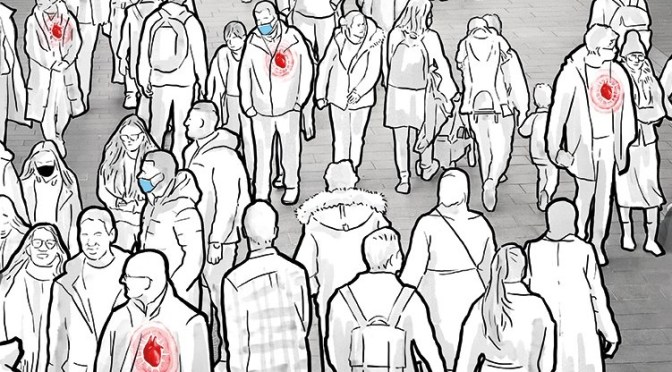
In December 2020, a week before cardiologist Stuart Katz was scheduled to receive his first COVID-19 vaccine, he came down with a fever. He spent the next two weeks wracked with a cough, body aches and chills. After months of helping others to weather the pandemic, Katz, who works at New York University, was having his own first-hand experience of COVID-19.
On Christmas Day, Katz’s acute illness finally subsided. But many symptoms lingered, including some related to the organ he’s built his career around: the heart. Walking up two flights of stairs would leave him breathless, with his heart racing at 120 beats per minute. Over the next several months, he began to feel better, and he’s now back to his normal routine of walking and cycling. But reports about COVID-19’s effects on the cardiovascular system have made him concerned about his long-term health. “I say to myself, ‘Well, is it really over?’” Katz says.
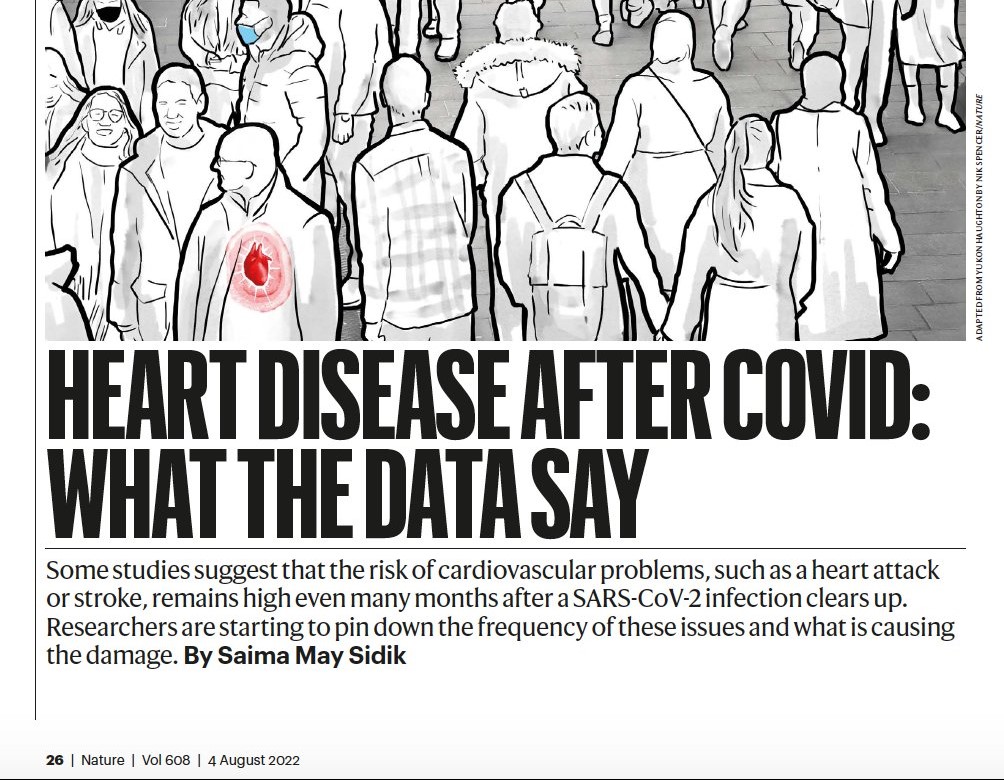
In one study1 this year, researchers used records from the US Department of Veterans Affairs (VA) to estimate how often COVID-19 leads to cardiovascular problems. They found that people who had had the disease faced substantially increased risks for 20 cardiovascular conditions — including potentially catastrophic problems such as heart attacks and strokes — in the year after infection with the coronavirus SARS-CoV-2. Researchers say that these complications can happen even in people who seem to have completely recovered from a mild infection.
Some smaller studies have mirrored these findings, but others find lower rates of complications. With millions or perhaps even billions of people having been infected with SARS-CoV-2, clinicians are wondering whether the pandemic will be followed by a cardiovascular aftershock. Meanwhile, researchers are trying to understand who is most at risk of these heart-related problems, how long the risk persists and what causes these symptoms.
COMMENTARY:
The heart and Covid are connected from a variety of angles.
Obese people with high blood fats, diabetes, the metabolic syndrome tend to have atherosclerosis and heart problems, making them more susceptible to severe Covid and long Covid. Covid loves to involve the lining of blood vessels and the heart, the endothelium, where the number of ACE receptors are high.
The respiratory tract and lung are a particular target for Covid, and reduced oxygen from lung involvement can compromise the hard-working heart.
Heart cells, cardio myocytes, can be directly infected with the virus. Even Covid vaccines can rarely produce myocarditis, raising the possibility that there is some antigenic similarity between the virus and heart cells, similar to the beta hemolytic streptococcus and the heart which sets up rheumatic fever.
If this similarity is real, the tendency of Covid to compromise the immune system and produce a cytokine storm in severe cases could therefore specifically involve the heart.
The nature article indicates several different varieties of heart problems and is a recommended read. From my personal standpoint, arrhythmias were mentioned, and I already have trouble with a couple of different types, AF and NSVT.
To make definite statements about the likelihood of heart involvement in Covid is problematic. The patients reported on were infected with an earlier strain of Covid, and the present one, BA.5, seems to be milder, and may not be as hard on the heart as previous strains. Many more people are now immunized, and the most susceptible patients may have passed away. There are medications to take, such as remdesivir, and even select immune globulins, such as an immuno-suppressed friend of mine was given when he contracted Covid recently.
The bottom line for me is that I am 90 years old and have no desire to let Covid have a crack at me, so I avoid big gatherings, and wear a mask whenever I am exposed.
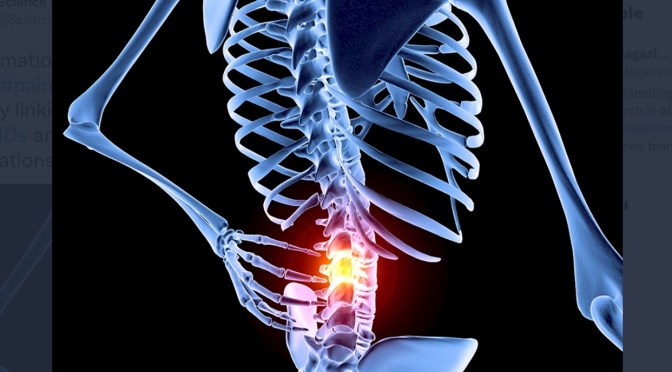
Low back pain is a leading cause of disability worldwide. A recent review of dozens of studies suggests that combining physical therapy with psychological approaches to treating pain led to better overall results in improvement of pain. #HarvardHealthhttps://t.co/nO9JHvAkMg
How big is this problem, and what did this study find?
Worldwide, low back pain is a leading cause of disability and affects more than 560 million people. In the US, four in 10 people surveyed in 2019 had experienced low back pain within the past three months, according to the Centers for Disease Control and Prevention.
Protect yourself from the damage of chronic inflammation.
Science has proven that chronic, low-grade inflammation can turn into a silent killer that contributes to cardiovascular disease, cancer, type 2 diabetes and other conditions. Get simple tips to fight inflammation and stay healthy — from Harvard Medical School experts.
Empowering Patients Through Education And Telemedicine








 Doctors Without Waiting Rooms