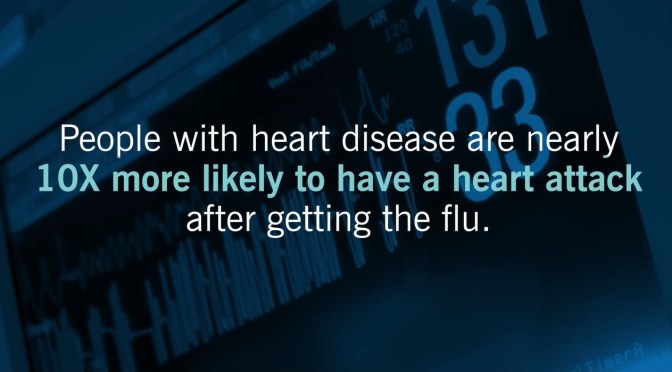
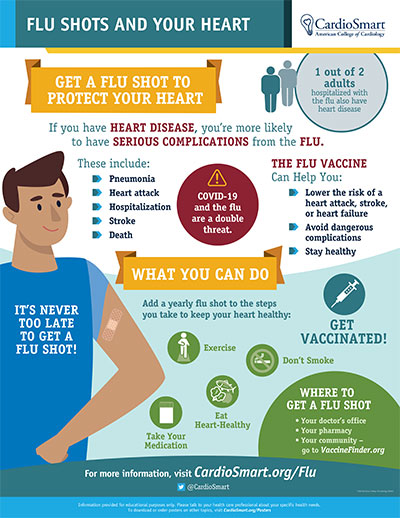
Influenza-related stress on your body can launch a negative chain of events that builds toward a heart attack. This video shares how getting a seasonal flu shot can significantly lower your risk of having a heart attack or cardiac arrest, especially if you’re in a high-risk group.
Chapters: 0:00 Can flu shots lower risk of heart attacks? 0:37 How does the flu shot lower risk of heart attacks? 1:08 Who is most at risk of having a flu related heart attack? 1:30 Why else should you get a flu shot?
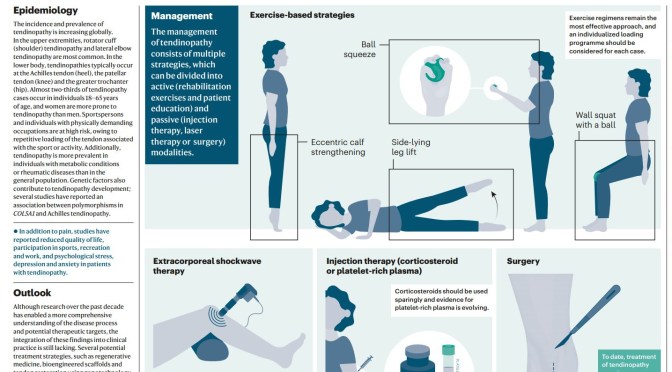
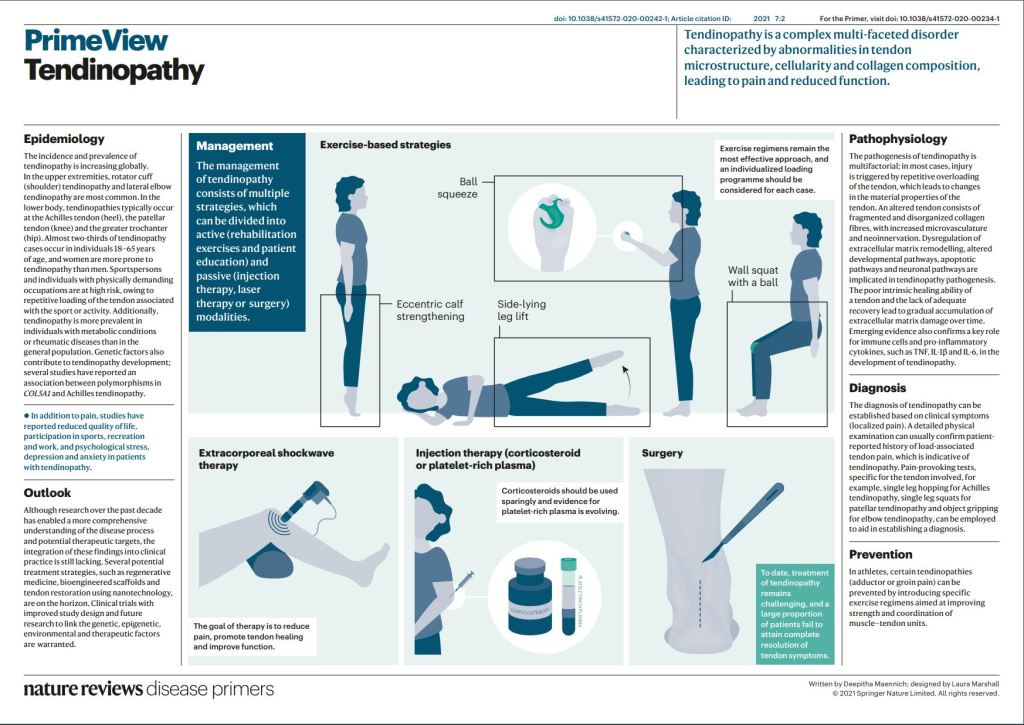
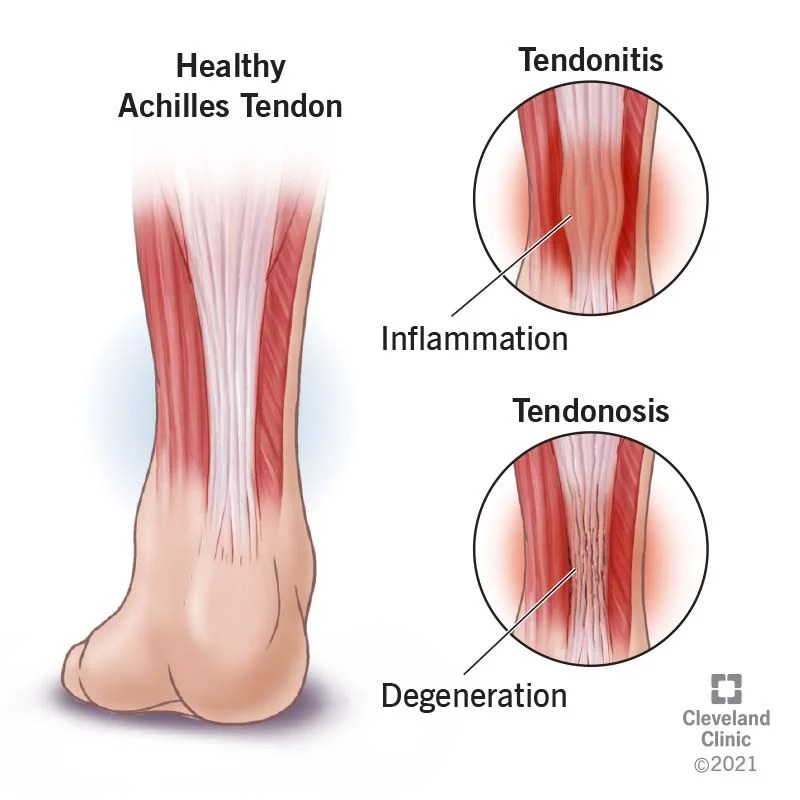
Tendinopathy is the broad term for any tendon condition that causes pain and swelling. Your tendons are rope-like tissues in your body that attach muscle to bone. When your muscles tighten and relax, your tendons and bones move. One example of a tendon is your Achilles tendon, which attaches your calf muscle to your heel bone and causes ankle movement. If you have pain and/or swelling in that area, you might have Achilles tendinopathy.
The pain from tendinopathy can interfere with your daily life. For example, it can keep you from playing sports and from doing housework. So, if you have pain or swelling, make sure to contact your healthcare provider for help.
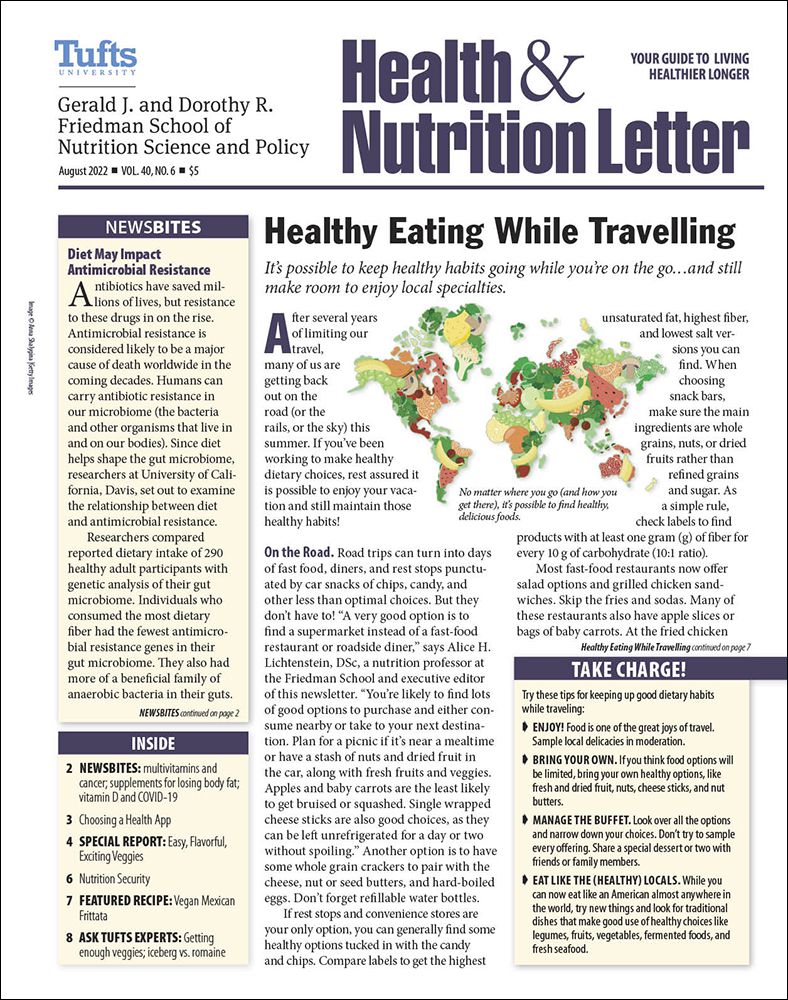
Knowing how to build flavor in vegetable dishes can help you enjoy more of these healthful foods.
The research is clear: eating more whole or minimally processed plants is better for our health. Knowing how to easily make foods like vegetables taste great can help you consume more of these health-promoting options in place of less healthful choices. Building Flavor. Most U.S. adults don’t meet the recommended intake of vegetables. When
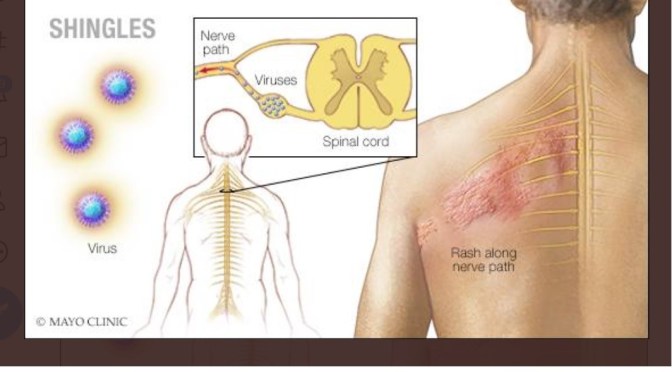
Shingles is a viral infection that causes a painful rash. Although shingles can occur anywhere on your body, it most often appears as a single stripe of blisters that wraps around either the left or the right side of your torso. Learn more: https://t.co/bKjxPvWlB2pic.twitter.com/plXRFR4C3Y
Shingles is a viral infection that causes a painful rash. Although shingles can occur anywhere on your body, it most often appears as a single stripe of blisters that wraps around either the left or the right side of your torso.
Shingles is caused by the varicella-zoster virus — the same virus that causes chickenpox. After you’ve had chickenpox, the virus lies inactive in nerve tissue near your spinal cord and brain. Years later, the virus may reactivate as shingles.
Shingles isn’t a life-threatening condition, but it can be very painful. Vaccines can help reduce the risk of shingles. Early treatment can help shorten a shingles infection and lessen the chance of complications. The most common complication is postherpetic neuralgia, which causes shingles pain for a long time after your blisters have cleared.
While not as routine as cataract surgery, corneal transplants are becoming more common. A number of things can go wrong with the cornea, especially as people get older, and a transplant can restore vision. https://t.co/bv0gr341M6#HarvardHealth
At one time, replacement parts for the eyes must have seemed unimaginable. Nowadays, if the inner lens of the eye becomes clouded by a cataract, a routine surgery to swap it out with a new artificial lens restores vision.
But what happens if the outer lens of the eye (the cornea) becomes damaged or diseased? You can have that replaced, too. “It’s not as common as cataract surgery, but many people get corneal diseases after age 50 and may need a corneal transplant,” says Dr. Nandini Venkateswaran, a corneal and cataract surgeon at Harvard-affiliated Massachusetts Eye and Ear.
More than 49,000 corneal transplants occurred in 2021 in the US, according to the Eye Bank Association of America.
What is the cornea?
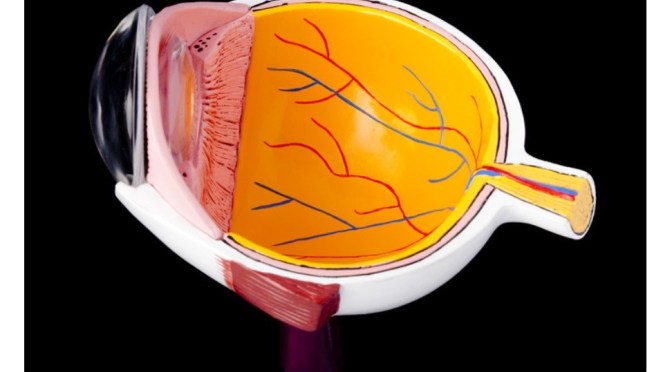
The cornea is a dome of clear tissue at the front of each eye, covering the iris and pupil, that acts as a windshield that protects the delicate eye apparatus behind it, and focuses light onto the retina, which sends signals that the brain turns into images (your vision).
You need this combo of windshield and camera lens to focus and see clearly. But many things can go wrong within the five layers of tissue that make up the cornea. That can make it hard to see and rob you of the ability to read, drive, work, and get through other activities in your day.
How does damage to the cornea occur?
It may stem from a number of causes:
Injuries, such as a fall. “Falls are a big reason for people to come in with acute eye trauma. The cornea can be damaged easily if something pokes it,” Dr. Venkateswaran says.
Previous eye surgeries. “Especially for adults who’ve had several eye surgeries — such as cataract and glaucoma surgeries — the inner layers of the cornea can become damaged and weakened with age,” she adds.
Illness. Problems like severe corneal infections, or genetic conditions such as Fuchs’ endothelial dystrophy, can cause vision loss.
What are the options for treating corneal damage?
Cornea treatment depends on the type of problem you have and the extent of the damage. “It’s a stepwise approach. Sometimes wearing a specialty contact lens or using medications can decrease swelling or scarring in the cornea,” Dr. Venkateswaran says.
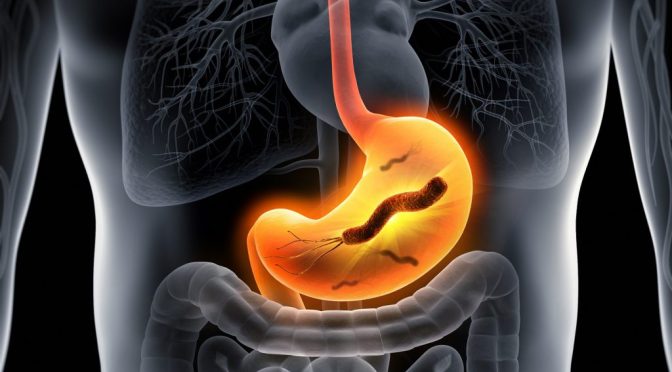
Duke Cancer Institute epidemiologist Meira Epplein, PhD, discovered a common bacteria called Helicobacter pylori (H. pylori) puts Black, Hispanic, and Asian-American people at a higher risk for stomach cancer. She’s been encouraging these and other populations to ask their doctors about getting tested for the bacteria, which Duke gastroenterologist Julius M. Wilder, MD, explains can be as easy as a breathing test.
The simplicity of this test and the information it provides is meaningful to Bishop Ronald Godbee, who along with members of his church congregation, received tests for H. Pylori as part of Epplein’s outreach in Durham, North Carolina.
Chapters: 00:00 What is H. pylori? 00:06 Can H. pylori lead to stomach cancer? 00:18 What populations are at higher risk for stomach cancer? 00:35 Can H. pylori be treated? 01:20 Can I be tested and treated for H. pylori? 02:18 What are the symptoms of H. pylori?
A normal pulse rate is between 60 and 100 beats per minute. Possible causes of an elevated pulse include fever, anemia, #anxiety, or an overactive thyroid. Other possibilities include too much caffeine, decongestants, or being out of shape: https://t.co/tnOAvGksXZ#HarvardHealth
In otherwise healthy people, a heart rate at rest should be less than 100 beats per minute at rest. Heart rates that are consistently above 100, even when the person is sitting quietly, can sometimes be caused by an abnormal heart rhythm. A high heart rate can also mean the heart muscle is weakened by a virus or some other problem that forces it to beat more often to pump enough blood to the rest of the body.
Usually, though, a fast heartbeat is not due to heart disease, because a wide variety of noncardiac factors can speed the heart rate. These include fever, a low red blood cell count (anemia), an overactive thyroid, or overuse of caffeine or stimulants like some over-the-counter decongestants. The list goes on and includes anxiety and poor physical conditioning.
Rabies has been known since ancient times, and continues to produce thousands of deaths each year, primarily in Asia and Africa, almost invariably from the bite of an infected animal. There is usually at least a 2-3 week incubation period, while the virus is traveling up the nerves to the brain. This allows a period of time for a prophylactic vaccine treatment. Once symptoms actually develop, however, the disease is almost universally fatal.
Rabies is present as a Reservoir in wild animals. For this reason, flavorful baits laced with oral rabies vaccine are often sprinkled throughout endemic areas near human settlements, an expensive, although cost effective treatment. A bite from any wild animal is worrisome, but, in the United States, Bats are the main source of infection. The last fatal case of rabies in the United States occurred in an Illinois man who awakened with a bat on his neck. He refused Rabies vaccine and was dead within two weeks.
Dog bite used to be the most common source of rabies in America, but this is no longer the case, due to almost universal Rabies vaccination in American dogs. In India, however, the biggest problem is still dogs, which amazingly have recently been protected by law. India accounts for approximately 1/3 of the worlds rabies fatalities.
The development of rabies vaccine is an interesting story. It was first developed by Louis Pasteur and given in 1885 to a 12-year-old boy who had been mauled by a rabid dog.
The vaccine was prepared from the spinal cord of a rabbit who had the virus growing in his nervous system. Rabbits are very susceptible to rabies, and repeated rabbit passage increases the virulence of the virus. The virulence can be diminished by drying out infected tissue in the air, and Pasteur used a piece of spinal cord from an infected animal which was dried in the air for several days. The boy was given multiple doses of the vaccine over as many days, and survived. This technological achievement occurred before anybody even knew what a virus was. These invisible, infectious sources were called “filterable viruses”, since the infectious agent could not be strained out of the blood plasma by passing it through a filter which effectively removed bacteria, much larger entities.
The Rabies virus has been very clever over the millennia. It modifies the behavior of its victim towards irritability and aggression, which makes transmission of the virus more likely. It is highly concentrated in the salivary glands, increasing the likelihood that the aggressive animal’s bite will transmit the virus.
If you or an acquaintance are bitten under suspicious circumstances, be sure to get the vaccine, which is now been perfected and inactivated so that side effects are most acceptable, considering the almost universal fatality of the disease.
—Dr. C.
Empowering Patients Through Education And Telemedicine





 Doctors Without Waiting Rooms